Springdale, Utah: A Town Name That Lives in Local Lore
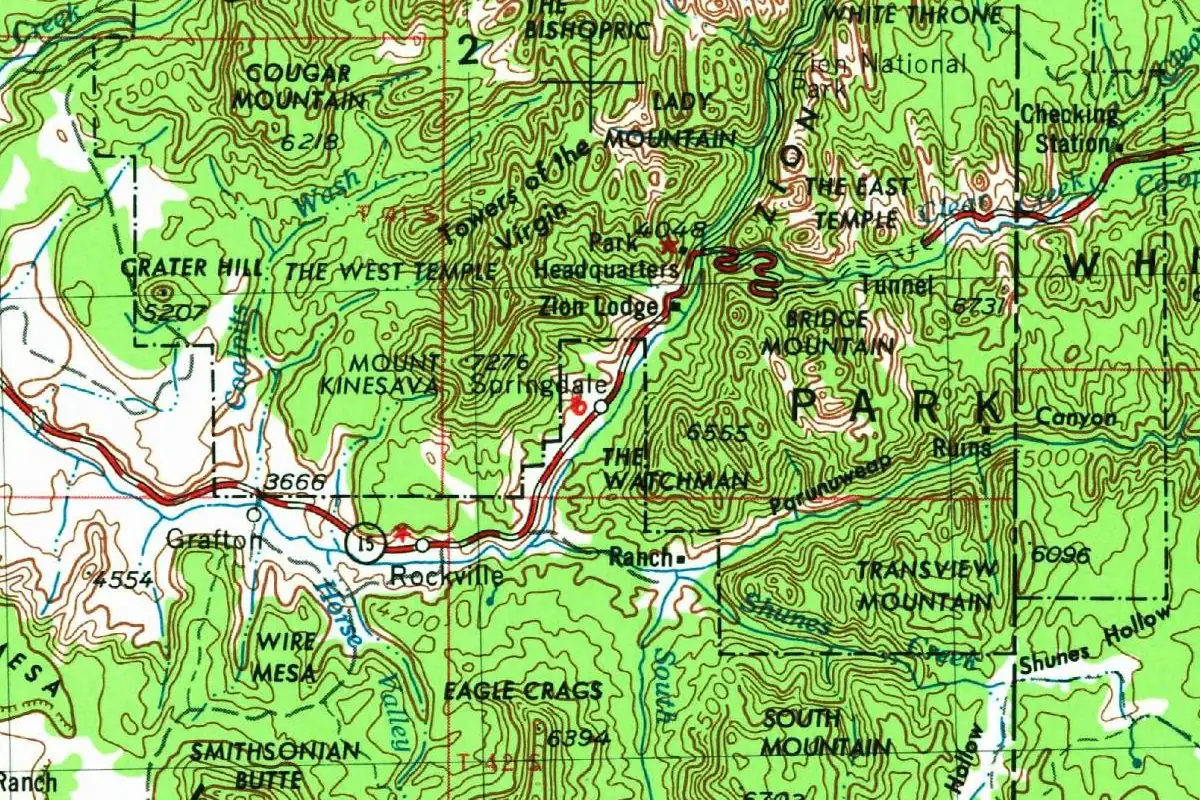
No record we’ve found says who named Springdale, Utah, but the town’s own story says a settler’s wife named it for the big springs beside her new home. The town calls that story “local lore,” and that’s about as far as the record goes.
Mrs. Petty and the springs
Here’s how the Town of Springdale tells it on its official history page. One of the first Mormon settlers, Albert Petty, “took his wife to the spot he had chosen for their house beside some large springs and asked her to name their new home. She called it Springdale.” A 2022 history feature in St. George News tells the same story and calls it “the most well-accepted story of how the town got its name.”
Neither one gives her first name, and neither says where the story comes from. You won’t find it in the older histories read for this article either. That doesn’t make it wrong. It just means it’s a family-and-town tradition, not something we’ve found on paper from when it happened, and the town is honest enough to label it that way.
Who Albert Petty was
The man in the story was real, and he was here early. In his 1937 history of Zion, Angus Woodbury lists “Albert Petty and family” among the dozen or so families who, by 1861, had pushed up the Virgin River as far as “some of the Springdale fields just below the present site of the town.” The St. George News piece adds that Petty was one of the few who stayed put in Springdale through the years of the “Indian threat” in the 1860s.
The Church of Jesus Christ of Latter-day Saints’ biographical database fills in the rest. Albert Petty was born in Kentucky in 1795, traveled west with the Heber C. Kimball Company in 1848, and died in Springdale on June 19, 1869. It lists two wives, Catherine Petty and Lucinda Catherine Haggerty. Which of them, if either, named the town, no source says.
Springs at the edge of Zion
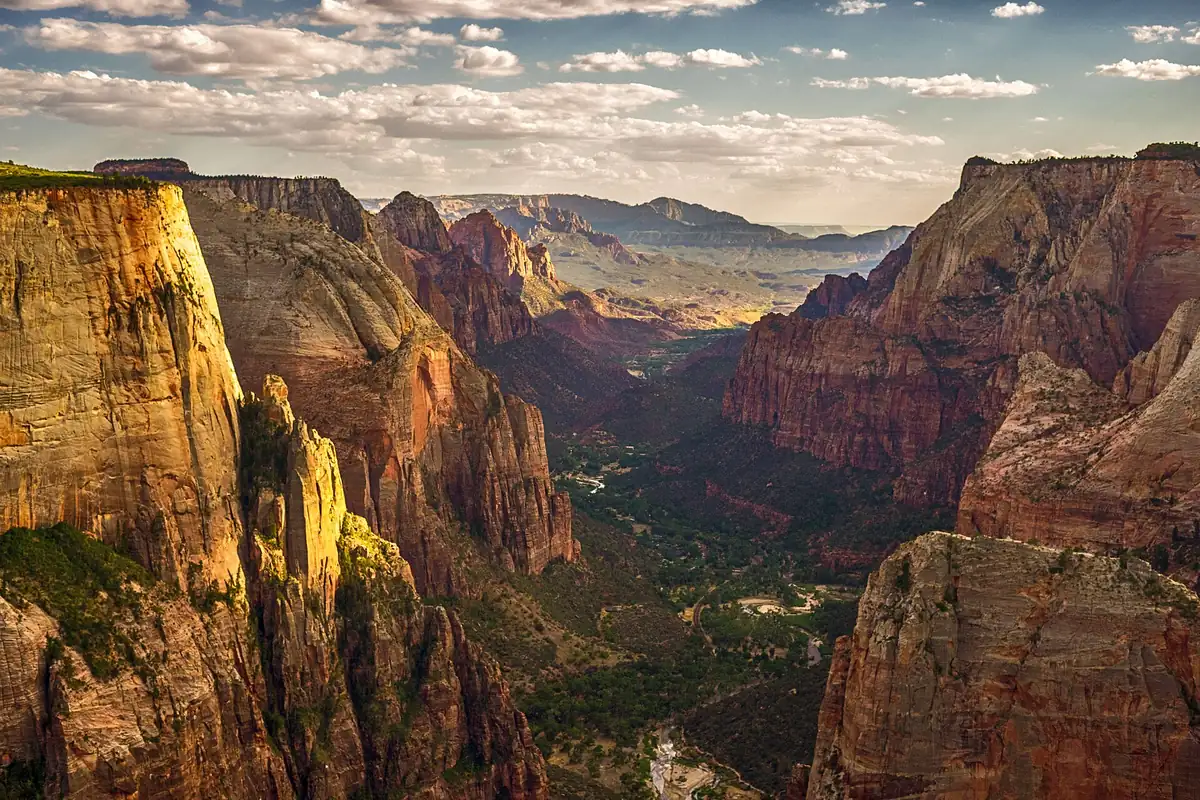
Springs are easy to find around here, which is part of why the story sounds right. When John Wesley Powell waded up the canyon just north of town, in the report he published in 1875, he found “springs bursting out at the foot of the walls” all along the way. Decades later, in 1928, Congress passed a law letting the town of Springdale pipe water for its homes from “certain springs” at the head of Oak Creek, inside Zion National Park.
None of that proves where the name came from. What’s missing is the one thing that would settle it: a diary, a letter or a church record from the 1860s saying who picked it and why.
When Springdale was settled
You’ll see different founding dates depending on where you look. Woodbury puts the first families near Springdale in 1861. Larson’s 1969 history in the Utah Historical Quarterly says Springdale was settled in 1862. The town’s own history says settlers came to the mouth of the canyon in the fall of 1862, answering Brigham Young’s call for a cotton mission. Woodbury describes Young sending colonists out from Salt Lake City “in all directions,” and the town’s page adds that the Springdale town site was surveyed in 1863.
The town didn’t stay put, either. Woodbury says that around 1865, when “Indian troubles developed in the region,” the people of Springdale and nearby Shunesburg moved down to Rockville for protection. In 1874 a new ditch was dug from the river above the old settlement, and in 1875 “the town was settled in its present location.” So the Springdale you drive through today sits a little apart from the first one. The federal place-names database lists it as the official name, with a Board on Geographic Names decision dated 1934.
The town at Zion’s front door
Springdale’s story is tied up with the canyon above it. Larson calls Isaac Behunin, the settler credited with naming Zion, “Isaac Behunin of Springdale,” and says Springdale men farmed in the canyon right up until the park was created. Even the legend of Brigham Young’s “not Zion” starts with a visit to Springdale. If you want the story of how the canyon got its Bible name, it’s on our page about Zion Canyon, one of the many Utah places Mormon settlers named.
The canyon’s name was argued over by presidents and park officials and is all over the paper trail. The town at its mouth got its name from a settler and his wife looking at some springs, if the story’s right, and if anyone wrote that down at the time, the paper hasn’t turned up.
Quick answers
Why is it called Springdale?
The town’s official history says, as “local lore,” that settler Albert Petty showed his wife a house site beside some large springs and she named the place Springdale. No record from the 1860s has been found to confirm it.
Who named Springdale, Utah?
Nobody knows for sure. The town’s lore credits Albert Petty’s wife, without naming her, and a church biographical database lists two wives for Petty, so even that story leaves the question open.
When was Springdale, Utah, founded?
In the early 1860s. Angus Woodbury’s 1937 history puts the first families near the site in 1861, while the town and a 1969 Utah Historical Quarterly article say 1862. Woodbury adds that the town moved to its present location in 1875.
Key dates
- 1861About a dozen families have reached the fields below today's Springdale, Albert Petty's among them, by Woodbury's 1937 account.
- 1862Fall: Mormon settlers come to the mouth of the canyon, by the town's own history.
- 1863The Springdale town site is surveyed.
- 1869June 19: Albert Petty dies in Springdale.
- 1875After the conflicts of the 1860s, the town is resettled on its present site, by Woodbury's account.
- 1897Springdale gets its first post office.
- 1928Congress lets Springdale pipe water from springs at the head of Oak Creek, inside Zion National Park.
Getting there
The closest airports, Amtrak stations and intercity bus stops, measured in a straight line from the center of Springdale.
Airports
- St George Regional (SGU) St. George 30 mi 48 km
- Cedar City Regional (CDC) 36 mi 58 km
- Harry Reid International (LAS) Las Vegas 142 mi 228 km
Intercity buses
- Salt Lake Express Washington (Exit 13) 27 mi 44 km
- Greyhound Cedar City Sunoco 34 mi 55 km
Distances are as the crow flies, not by road. We don't list schedules or fares because they change; check with the airline, Amtrak or the bus company before you go. Official data (FAA commercial service airports (2025), FAA airport locations, Amtrak stations and Intercity Bus Atlas) from the FAA and the U.S. Bureau of Transportation Statistics, checked Nov 1, 2026.
Historical Sources & References
- Town of Springdale, “History of Springdale”. The “local lore” that Albert Petty’s wife named the town for “some large springs” by their house site; settlement in the fall of 1862; the town site surveyed in 1863; the first post office in 1897.
- Reuben Wadsworth, “Springdale History day,” St. George News (June 26, 2022). The Petty story as “the most well-accepted story of how the town got its name,” and Petty staying in Springdale through the conflicts of the 1860s.
- A. M. Woodbury, “History of Zion” (1937). “Albert Petty and family” among the settlers near “the Springdale fields” by 1861; the move to Rockville around 1865; the town “settled in its present location” in 1875; Brigham Young’s visit to Springdale.
- A. Karl Larson, “Zion National Park With Some Reminiscences Fifty Years Later,” Utah Historical Quarterly (1969). Springdale settled in 1862; “Isaac Behunin of Springdale”; Springdale men farming in Zion Canyon until the park was created.
- Church History Biographical Database, “Albert Petty”. Born 1795 in Kentucky, in the Heber C. Kimball Company in 1848, died in Springdale on June 19, 1869; wives Catherine Petty and Lucinda Catherine Haggerty.
- J. W. Powell, Exploration of the Colorado River of the West (1875), p. 111. “Springs bursting out at the foot of the walls” in the canyon above the town.
- Act for the relief of the town of Springdale, Utah (1928), in Laws Relating to the National Park Service (1933), pp. 217-218. Lets Springdale pipe water from “certain springs” at the head of Oak Creek in Zion National Park.
- GNIS feature 1432867, Springdale (U.S. Geological Survey). The official name and coordinates in Washington County, with a Board decision dated 1934.
Spot something wrong, or know more? Tell us here. You can also email us or use our contact page. Corrections are noted here with their date, never made silently.