Burlington, Vermont: Named for a Family Not on Its Charter
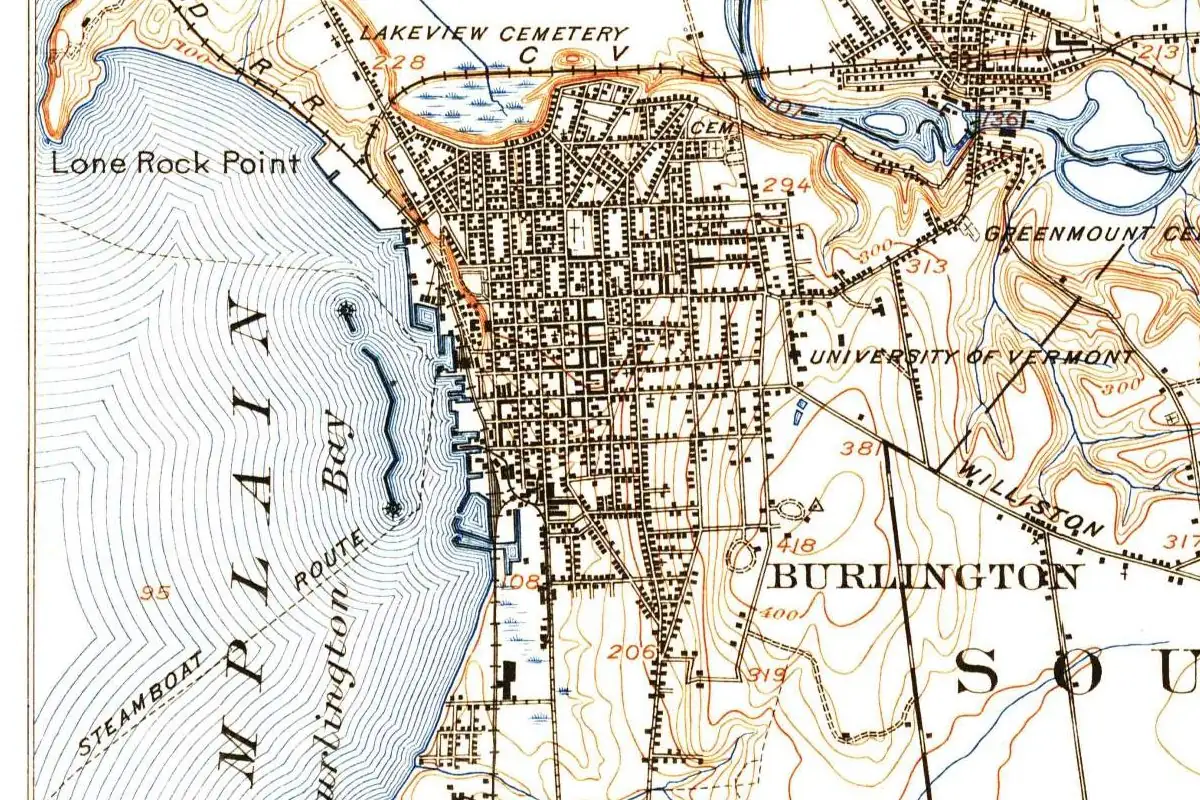
Burlington, Vermont, carries the Burling family’s name, yet no Burling was among the people its 1763 charter went to. It went to Samuel Willis and others, and his name ended up on the town next door.
A family of New York land buyers
Henry Gannett, who compiled place-name origins for the U.S. Geological Survey, keeps it short in 1905: Burlington was “named for the Burling family, of New York.”
The older local account is more careful. In 1867, Russell S. Taft gathered the early records of Burlington for Abby Hemenway’s Vermont Historical Gazetteer, and he opened with the name. “The origin of the name of Burlington is not certainly known,” he wrote, “but was likely derived from the Burling family of Westchester county, in the state of New York.”
Taft explains why he thought so. The Burlings were big landholders in several towns chartered around the same time. They weren’t “original grantees” of Burlington, he says, but they “owned several tracts of land in it acquired after the charter was granted.”
The charter went to Samuel Willis
So who did get the land? Hamilton Child’s 1882 gazetteer of Chittenden County says the charter, which then hung framed on a wall of the city clerk’s office, was granted by Benning Wentworth, the colonial governor of New Hampshire, on June 7, 1763, “to Samuel Willis and sixty-three others.”
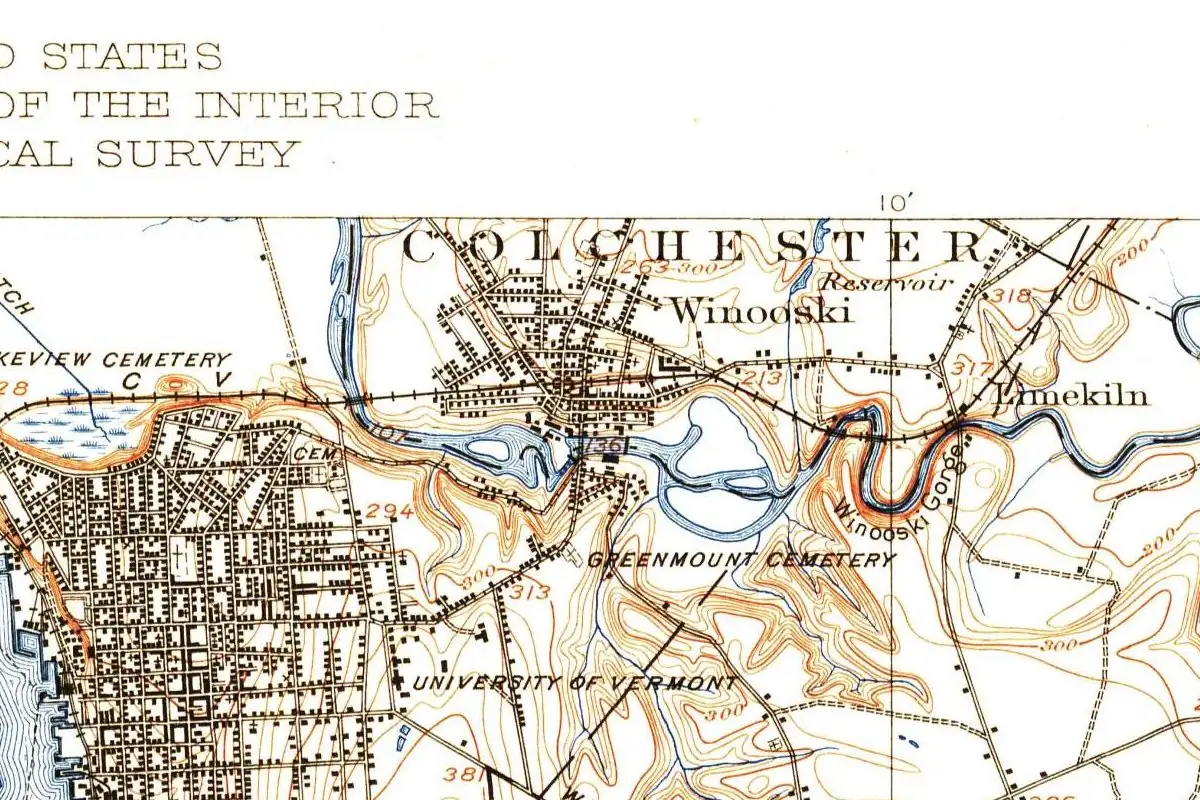
Now look at the neighbors. Taft points out that Williston was chartered on the same day, and Child says Williston also went to “Samuel Willis and sixty-four others” and took its name “in honor of said Willis.” Colchester, just across the river, was granted to Edward Burling “and sixty-six others, among whom were ten of that name.”
A clerk’s mix-up?
That’s where it gets interesting. According to Taft, many people supposed the name “was intended for Colchester,” and that “by some clerical error the name of Burlington was given to this town instead of that.” If that were true, he adds, then Williston’s name was no doubt meant for Burlington too.
Taft didn’t buy it. The Burlings, he notes, were also grantees of Ferrisburgh and Huntington, so their name turns up all over the early charters. To him that was enough to believe the name came from them and was “originally intended, no doubt, for the town to which it was applied.” Still, he started the section by saying nobody knew for certain, and that’s worth keeping in mind when you read the tidier one-line versions.
A name that kept going west
The name traveled, too. Zadock Thompson called it “the most important town in the state” in 1842. Gannett lists a city in Iowa, a town in Kansas and a village in Michigan that were all “named from the city in Vermont.” If you live in Burlington, Iowa, your town’s name goes back, through Vermont, to a family that wasn’t on the charter.
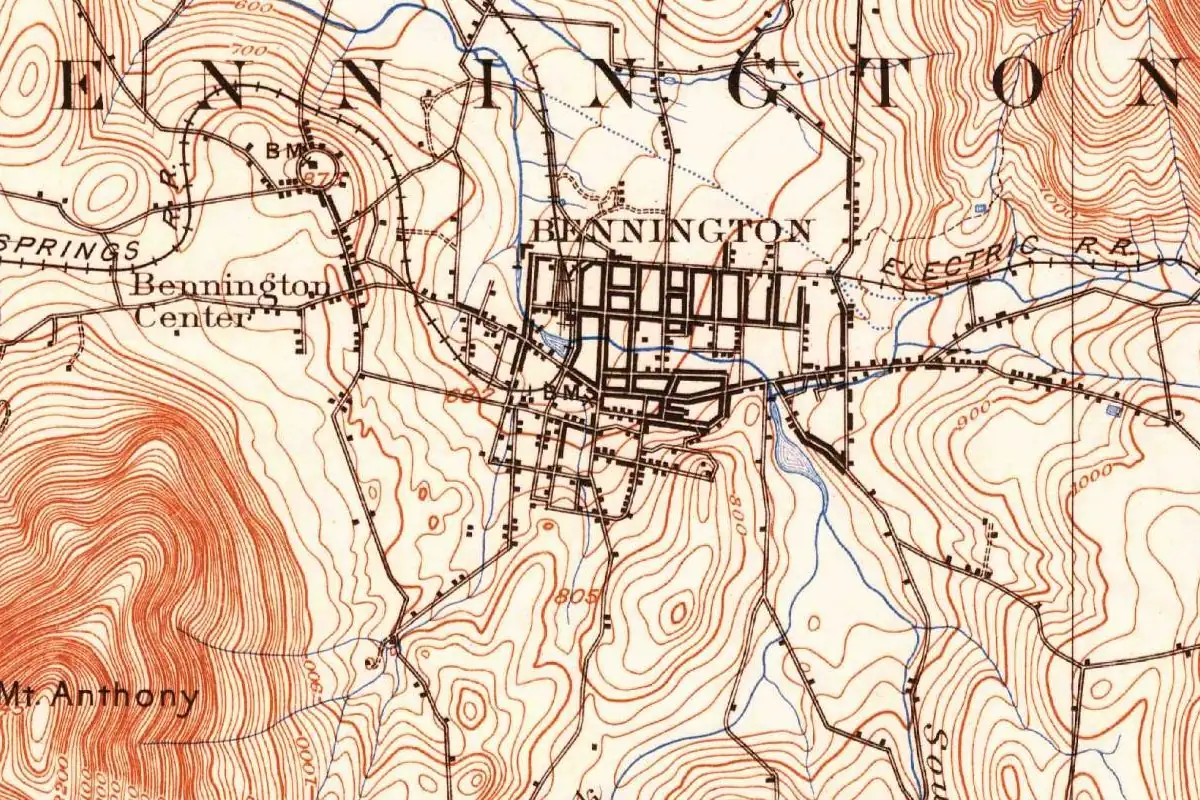
The Willis name, meanwhile, stayed put next door. Gannett, too, says Williston was “named for Samuel Willis, one of the grantees.” Willis got his name on one of his two towns, and the Burlings, who weren’t on Burlington’s charter, got theirs on the other. Another town Wentworth chartered, Bennington, carries his own first name.
Sources & further reading
- Russell S. Taft, “Documents and Sketches Relating to the Early History of Burlington, Vermont,” in Abby Maria Hemenway, ed., The Vermont Historical Gazetteer, vol. 1 (1867), p. 487. “Not certainly known, but was likely derived from the Burling family of Westchester county”; the Burlings not original grantees but later owners; the Colchester mix-up theory; Williston chartered the same day; Burlings among the grantees of Ferrisburgh and Huntington.
- Hamilton Child, Gazetteer and Business Directory of Chittenden County, Vermont, for 1882-83 (1882), p. 94. The charter granted by Benning Wentworth on June 7, 1763, “to Samuel Willis and sixty-three others,” then hanging in the city clerk’s office. In the Williston sketch: granted the same day “to Samuel Willis and sixty-four others, and in honor of said Willis,” named Williston.
- Henry Gannett, The Origin of Certain Place Names in the United States (USGS, 1905), pp. 61, 326. Burlington “named for the Burling family, of New York”; Burlingtons in Iowa, Kansas and Michigan “named from the city in Vermont” (p. 61); Williston “named for Samuel Willis, one of the grantees” (p. 326).
- Zadock Thompson, History of Vermont (1842), part 3, p. 37. Burlington as “the most important town in the state.”
- GNIS feature 1456663 (U.S. Geological Survey). The federal record and coordinates for Burlington.
Spot something wrong, or know more? Tell us here. You can also email us or use our contact page. Corrections are noted here with their date, never made silently.