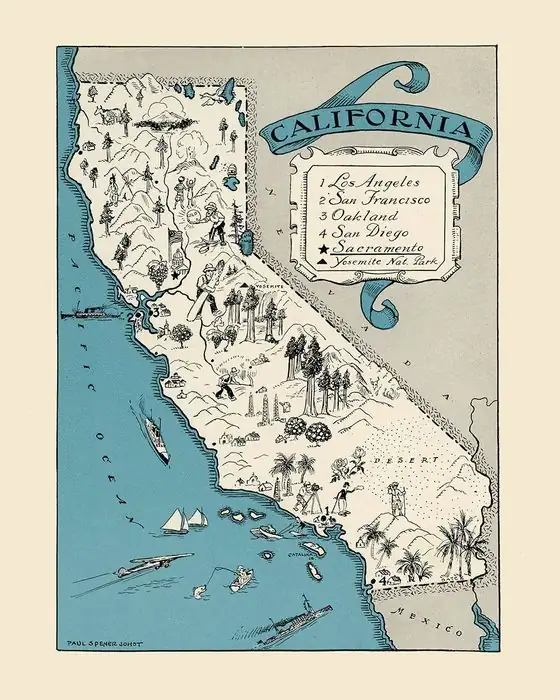
Mojave, California: A Name That Wandered West by Mistake
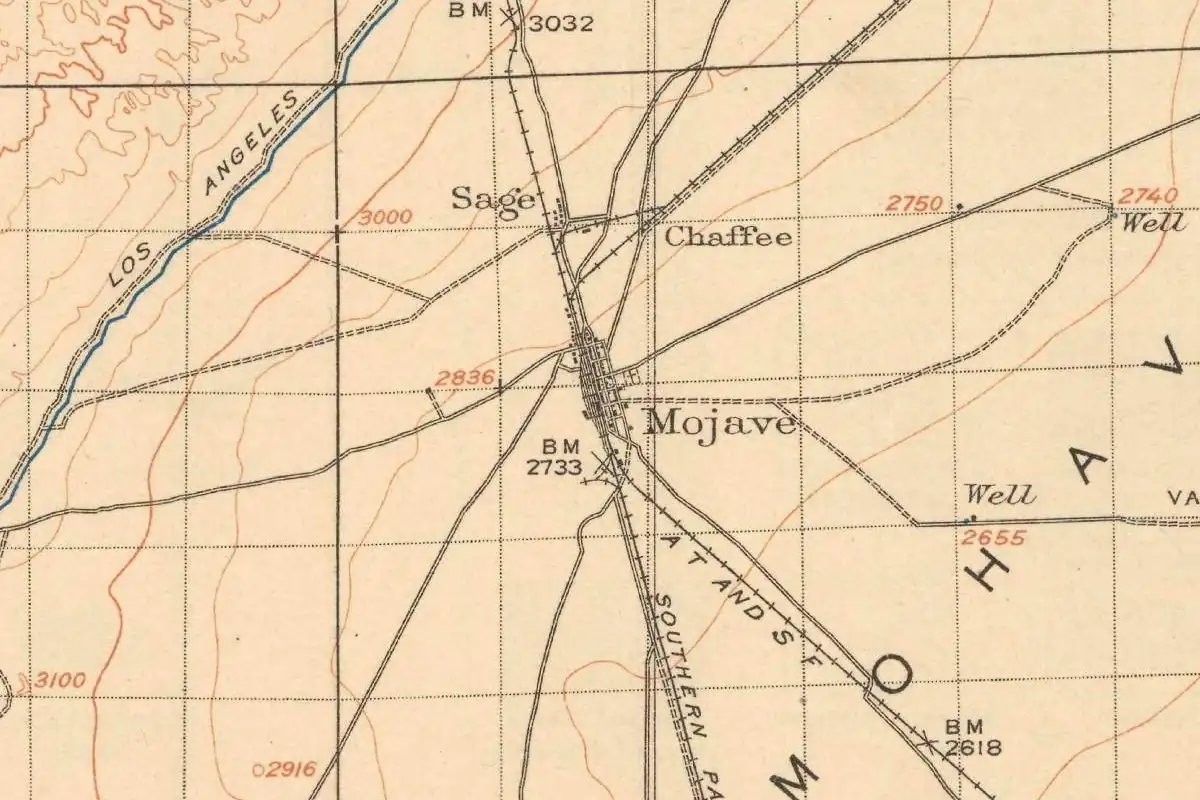
Mojave, California, carries the name of a people whose home was on the Colorado River, and it got there by way of a river that was misunderstood. The town took the name of the desert, the desert took it from the Mohave River, and the river was named for the Mohave people.
A name with a long trip behind it
The man who sorted this out was A. L. Kroeber, the University of California anthropologist, in his 1916 study California Place Names of Indian Origin. The word comes from Hamakhava, he wrote, “the name for themselves of an important tribe, of Yuman lineage, in the bottom lands of the Colorado River in the region where California, Arizona, and Nevada now meet.” The Spanish explorer Garcés wrote it down as Jamajab.
Then the name moved. Outside the tribe’s own country, Kroeber says, it was “first applied to the Mohave River to the west, from an erroneous impression that this drained into the Colorado in the habitat of the Mohave.” It doesn’t. The river dies out in the desert, and the desert picked up the river’s name. From the desert, Kroeber writes, the name went to “the town in its western reaches.”
Kroeber’s next point turns the story around. “All the localities to which the name Mohave now adheres were in Shoshonean and not in Mohave territory.” So the town, the desert and the river are all named for a people whose homeland was somewhere else.
“Positively erroneous”
You’ll find a meaning attached to the word in older books. Henry Gannett’s 1905 Geological Survey bulletin on place names says the Kern County town was “named from a tribe of Indians named Hamunkh-habi, meaning ‘three hills.’”
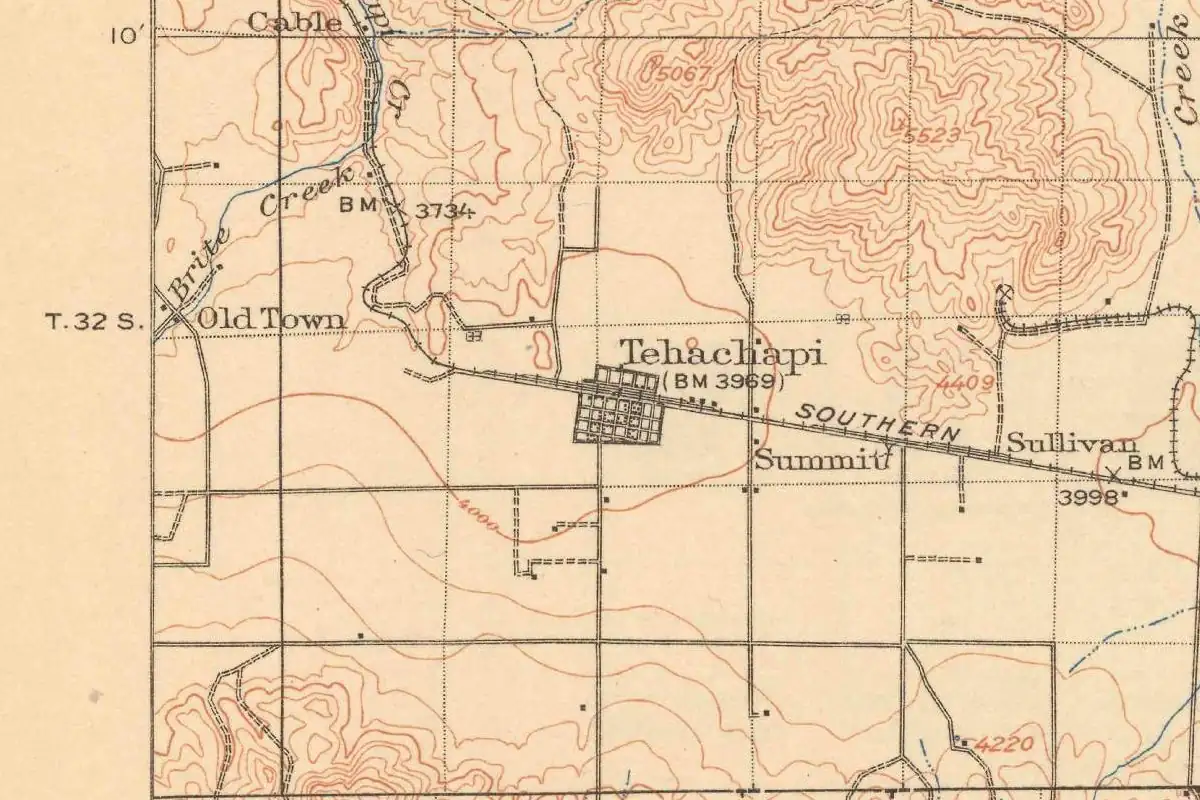
Kroeber took that apart eleven years later. The meaning of Hamakhava “is not known to the Mohave of today,” he wrote, and the “three mountains” idea, which he traced to the linguist A. S. Gatschet and which Gannett and others had copied, “is positively erroneous.” In Mohave, “three” is hamok and “mountain” is avi, and the language would put them in the other order, Avi-hamok. That’s a real Mohave place name, he added, but it belongs to a spot near Tehachapi Pass. So the safe answer is that nobody has a documented meaning for the word.
A railroad town at the foot of the pass
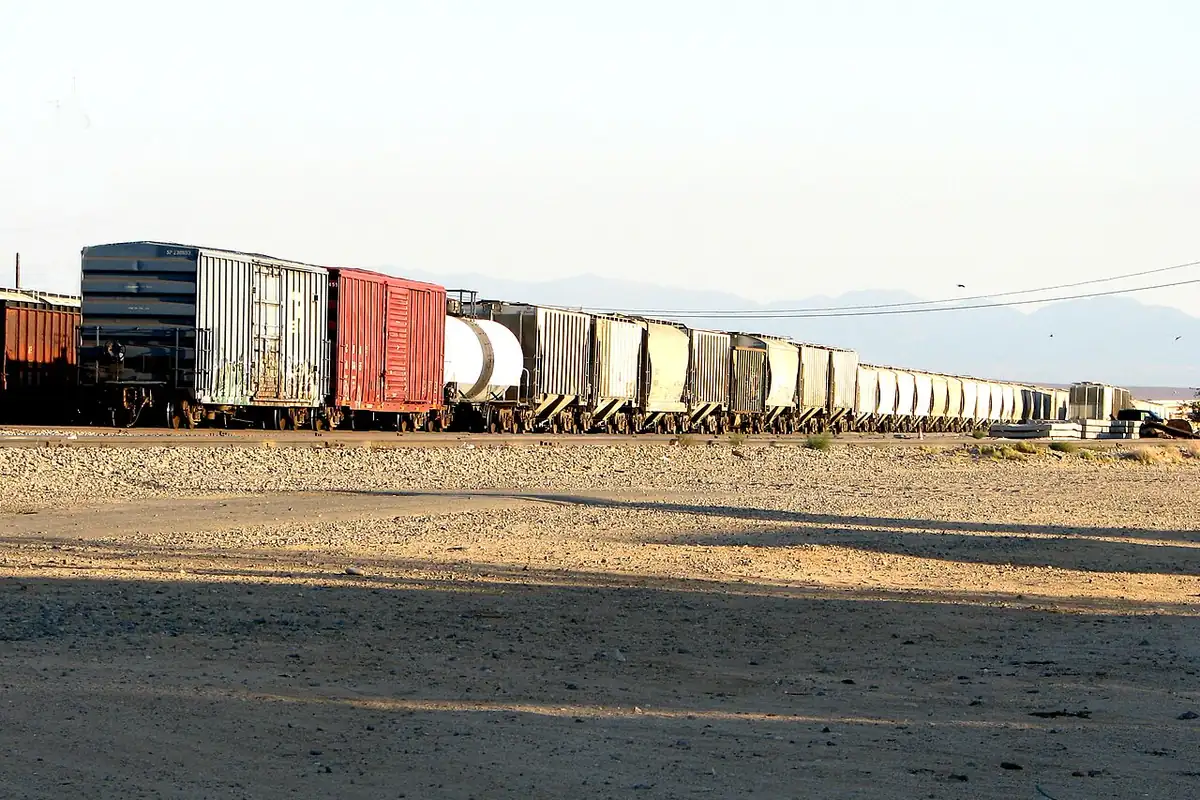
The town itself is a railroad creation. “The town of Mojave was established by the Southern Pacific railroad when it laid its tracks through the desert in 1876,” Wallace Morgan wrote in his 1914 History of Kern County. It sat at the bottom of the climb to Tehachapi Pass, which made it “a convenient place for coupling and uncoupling helper engines.”
Spelling took a while to settle. George Crofutt’s 1879 railroad guide calls the station “Mojava” and says it was the start of the Southern Pacific’s Los Angeles Division, with stages leaving every other day for mining camps like Darwin and Cerro Gordo. Even in 1915 the Geological Survey labeled the town Mojave but spells the desert around it “Mohave.”
Then came borax. In 1883, the 1939 WPA guide says, J. W. S. Perry built 10 huge wagons to haul borax out of Death Valley, and for five years 20-mule teams pulled them between Death Valley and Mojave. Morgan also names the Searles brothers’ teams, which hauled borax from Borax Lake to Mojave. If you’ve ever seen a 20-mule-team label, this was one end of the trip.
A railroad stop in Shoshonean country ended up with the name of a Colorado River people because of a guess about where one river went.
Quick answers
Is Mojave, California, named after the Mojave tribe?
Yes, but indirectly. Kroeber (1916) says the name of the Mohave people went first to the Mohave River, then to the Mojave Desert, and from the desert to the town.
Did the Mohave people live where Mojave, California, is now?
No. Kroeber says every place now carrying the name, including the town, was in Shoshonean territory, not Mohave territory. The Mohave lived along the Colorado River where California, Arizona and Nevada meet.
Does Mojave mean “three mountains”?
No. Gannett (1905) gave “three hills,” but Kroeber called the “three mountains” explanation “positively erroneous” and said the word’s meaning wasn’t known.
Why is it spelled both Mojave and Mohave?
Both spellings were in use. Kroeber wrote “Mohave, or Mojave,” the 1879 Crofutt guide used “Mojava,” and the 1915 Geological Survey map spells the town Mojave and the desert Mohave.
Key dates
- 1876The Southern Pacific lays its tracks across the desert and founds the town of Mojave.
- 1879Crofutt's guide calls the station "Mojava," the start of the railroad's Los Angeles Division.
- 1883J. W. S. Perry builds the big borax wagons that 20-mule teams haul between Death Valley and Mojave for the next five years.
- 1916A. L. Kroeber traces the name from the Mohave people to the river, the desert and the town.
Getting there
Open Mojave in Google Maps
Opens in a new tab. The pin is the center of Mojave in the USGS place-name record.
The closest airports, Amtrak stations and intercity bus stops, measured in a straight line from the center of Mojave.
Airports
- Meadows Field (BFL) Bakersfield 56 mi 91 km
- Hollywood Burbank (BUR) 60 mi 96 km
Amtrak trains
- Bakersfield station (BFD) 52 mi 84 km
- Van Nuys station (VNC) 60 mi 97 km
Intercity buses
- Gold Runner Mojave - Carl's Jr. under 1 mi 0 km
- Alvand Transportation Amtrak Connecting Service · Mojave Amtrak Bus Stop under 1 mi 0.1 km
- International Bus Lines Bakersfield 50 mi 81 km
Distances are as the crow flies, not by road. We don't list schedules or fares because they change; check with the airline, Amtrak or the bus company before you go. Official data (FAA commercial service airports (2025), FAA airport locations, Amtrak stations and Intercity Bus Atlas) from the FAA and the U.S. Bureau of Transportation Statistics, checked Nov 6, 2026.
Sponsored
Staying in Mojave?
Compare hotels in Mojave, California, on Expedia.
See hotels in MojaveWe may earn a commission if you buy through this link. It never changes what we write. Read our affiliate disclosure
Historical Sources & References
- A. L. Kroeber, California Place Names of Indian Origin (1916), p. 48. Hamakhava, Garcés’s “Jamajab,” the name’s path from the river to the desert to the town, the Shoshonean territory and the rejection of “three mountains.”
- Henry Gannett, The Origin of Certain Place Names in the United States (1905), p. 211. The older explanation: a tribe “named Hamunkh-habi, meaning ‘three hills.’”
- Wallace M. Morgan, History of Kern County, California (1914), p. 191. Mojave “established by the Southern Pacific railroad” in 1876, the helper engines and the borax teams.
- George A. Crofutt, Crofutt’s New Overland Tourist and Pacific Coast Guide (1879), p. 234. “Mojava,” start of the Los Angeles Division, and the stages to the mining camps.
- Federal Writers’ Project, California: A Guide to the Golden State (1939), p. 545. J. W. S. Perry’s borax wagons of 1883 and the 20-mule teams to Mojave.
- GNIS feature 1652752 (U.S. Geological Survey). GNIS, the government’s master list of names, gives Mojave’s official spelling and its spot north of Soledad Mountain.
Spot something wrong, or know more? Tell us here. You can also email us or use our contact page. Corrections are noted here with their date, never made silently.