Acadia, Maine: Greek Paradise or Mi'kmaq Word?
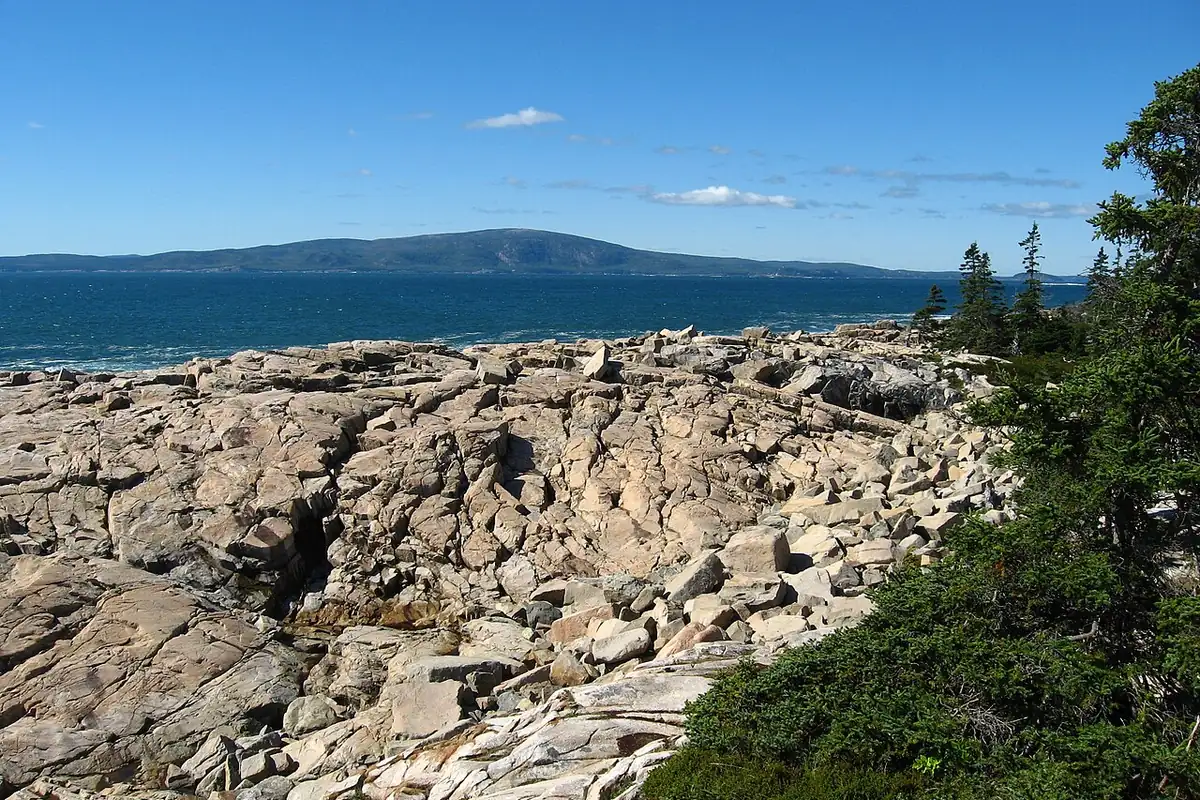
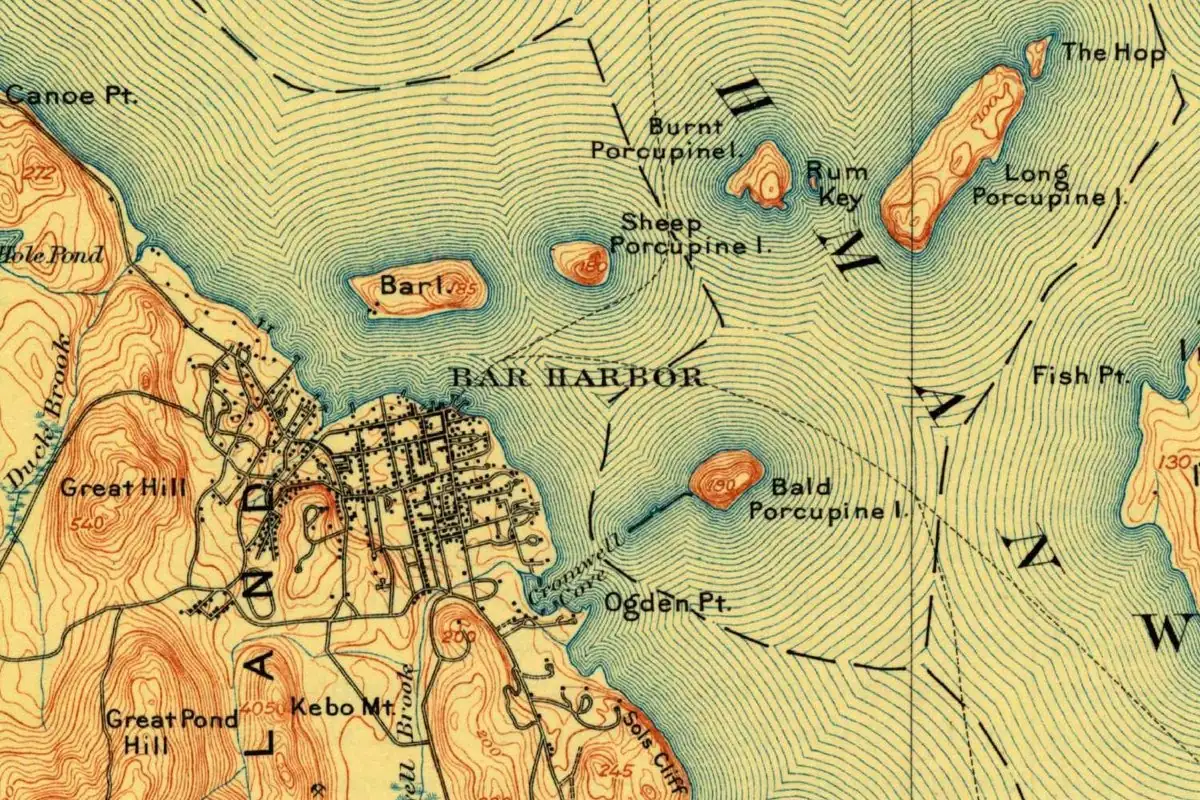
Acadia National Park carries the name of an old French colony, and nobody has settled whether that name began as a Greek paradise or a Mi’kmaq word. The island at the heart of the park has a simpler story: Samuel de Champlain sailed past it in 1604 and named it for its bare, rocky summits.
Champlain’s island of bare mountains
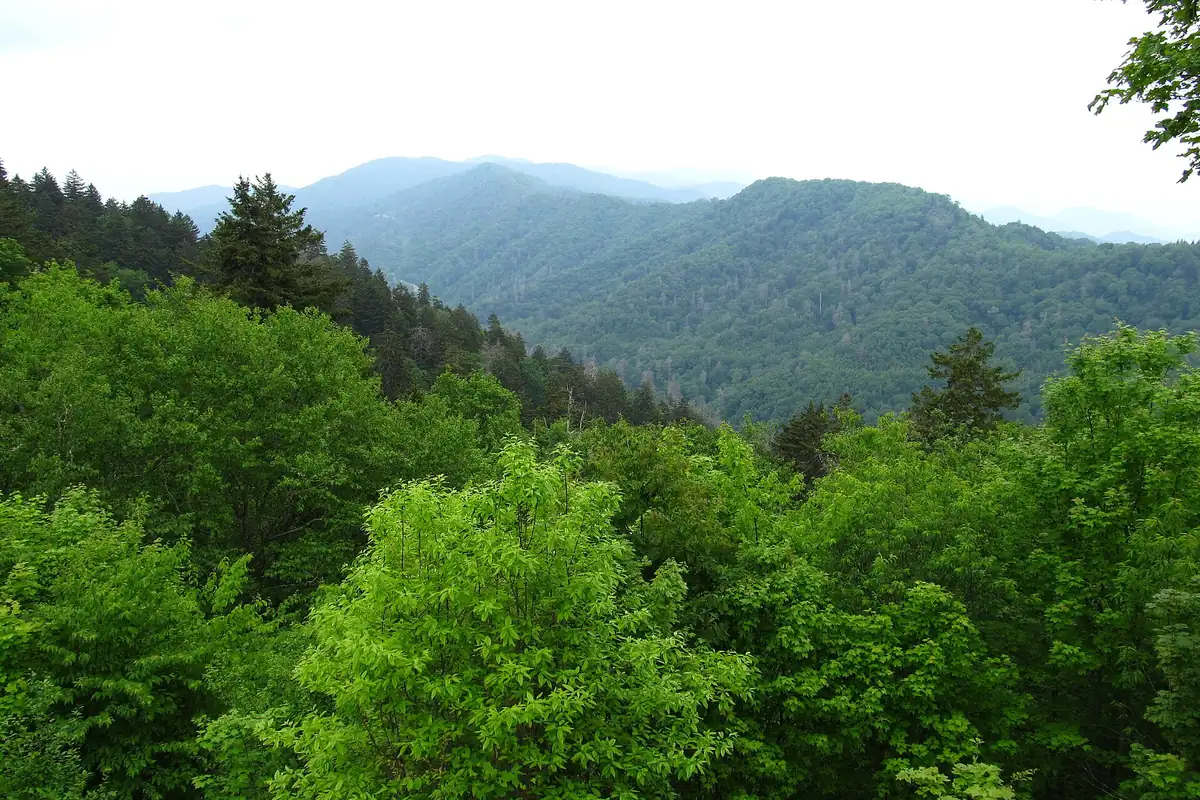
On September 5, 1604, Champlain was working his way west along the coast from the French camp at the mouth of the St. Croix River. His own account says he passed “an island about four or five leagues long,” so high and “notched in places” that from the water it looked like seven or eight mountains in a row. “The summit of the most of them is destitute of trees, as there are only rocks on them,” he wrote. “I named it Isle des Monts Déserts.”
So the “desert” in Mount Desert has nothing to do with sand. The National Park Service quotes Champlain’s line as “The mountain summits are all bare and rocky,” and the federal place-names database says the name “reflects its rocky, desert-like peaks.” Robert Sterling Yard, in his 1919 Book of the National Parks, put it more poetically: to Champlain, he said, it meant “the Island of the Lonely Mountains.”
The island has other names, too. The park’s own history page lists Pemetic among the names this place has carried, and the federal database keeps Pemetic and Pemetiq as variants for Mount Desert Island, along with Champlain’s French and Mount Mansel Island. Neither the park nor the database translates Pemetic, so we won’t either.
What does Acadia mean?
Champlain wasn’t sailing for himself. He worked for Pierre de Gua, the Sieur de Monts, whom Henry IV had made his lieutenant general in Acadia. The king’s commission of November 8, 1603, in an English version printed by Samuel Purchas, covers “the Lands and Territories of La Cadia.” In the notes to the 1907 edition of Champlain’s voyages, you’ll find the name spelled half a dozen ways by writers of the time: Arcadie, Accadie, Acadie, L’Accadie, L’Arcadie and L’Acadie. That pile of spellings is exactly where the argument starts.
The Verrazzano version: Arcadia
The Dictionary of Canadian Biography says the name goes back to Giovanni da Verrazzano, the Italian navigator who explored the coast for the king of France in 1524. He called a stretch of it, Maryland or Virginia by the dictionary’s reckoning, “Arcadia,” “on account of the beauty of the trees.” The Canadian Encyclopedia tells the same story, with “the beauty of its trees” as Verrazzano’s reason, places the spot near Delaware, and adds that in ancient Greece, Arcadia was a plain “thought of as a sort of earthly paradise.”
From there, the theory goes, the name drifted north on other people’s maps. The dictionary says it first showed up on Gastaldi’s map of 1548 and that Champlain later fixed the spelling without the “r.” Back in 1896, W. F. Ganong traced the early forms himself in a study of New Brunswick place names: Larcadia on maps of 1548 and 1566, Arcadie in Thevet’s 1570 Cosmographie and in Champlain’s account of 1603, and “La Cadie” in de Monts’ commission, “the earliest known use without the r.” For Ganong, that “r” was the clue. It “does not occur in the Micmac dialect,” he wrote, which counted against a Native origin.
The Mi’kmaq version: cadie
The other answer comes from the language of the Mi’kmaq, spelled Micmac in older books. Silas Rand’s 1888 dictionary of their language says they lived in Nova Scotia, New Brunswick, Prince Edward Island, Cape Breton and Newfoundland. Henry Gannett’s 1902 place-name book for the U.S. Geological Survey called Acadia “the French form of the Indian word kadi, meaning ‘the region,’ ‘the land.’” His 1905 edition changed the word to akadi and the meaning to “where there is,” “where there are,” “where are found.”
Rand’s dictionary shows an ending spelled -akade at work in words for places. A place where fish abound is Numachwa’kade, a place where lobsters abound is Wolumkwechwaakade, and an eagle haunt is kitpooaakade. A 1999 article in Chebacco, the Mount Desert Island Historical Society’s journal, adapted from a 1993 paper written for the Park Service, calls this “the more plausible theory”: that Acadie comes from a Mi’kmaq word the French wrote as “cadie,” “meaning a piece of land, generally with a favorable connotation.” It points to Tracadie and Shubenacadie, and it notes that French references from the time of the first real contacts with the Mi’kmaq use the form without the “r.”
Where that leaves it
The two sides read the same evidence in opposite ways. Ganong thought the “r” on the oldest maps counted against a Mi’kmaq source. The historical society thought the form “Acadie,” used by the French from the time they first dealt closely with the Mi’kmaq, pointed to one. Even Ganong didn’t take the Greek story at face value. He called the idea that the name came straight from Arcadia in Greece “obvious but groundless,” though the map trail he described leads back, in the dictionary’s telling, to Verrazzano’s Arcadia, itself a Greek name. The historical society offers a middle road: the old “Arcadie” on the maps “may have prepared the way” for the French to accept “cadie” from the Mi’kmaq. None of these sources can prove it, which is why this page calls the origin disputed.
Sieur de Monts, Lafayette, then Acadia
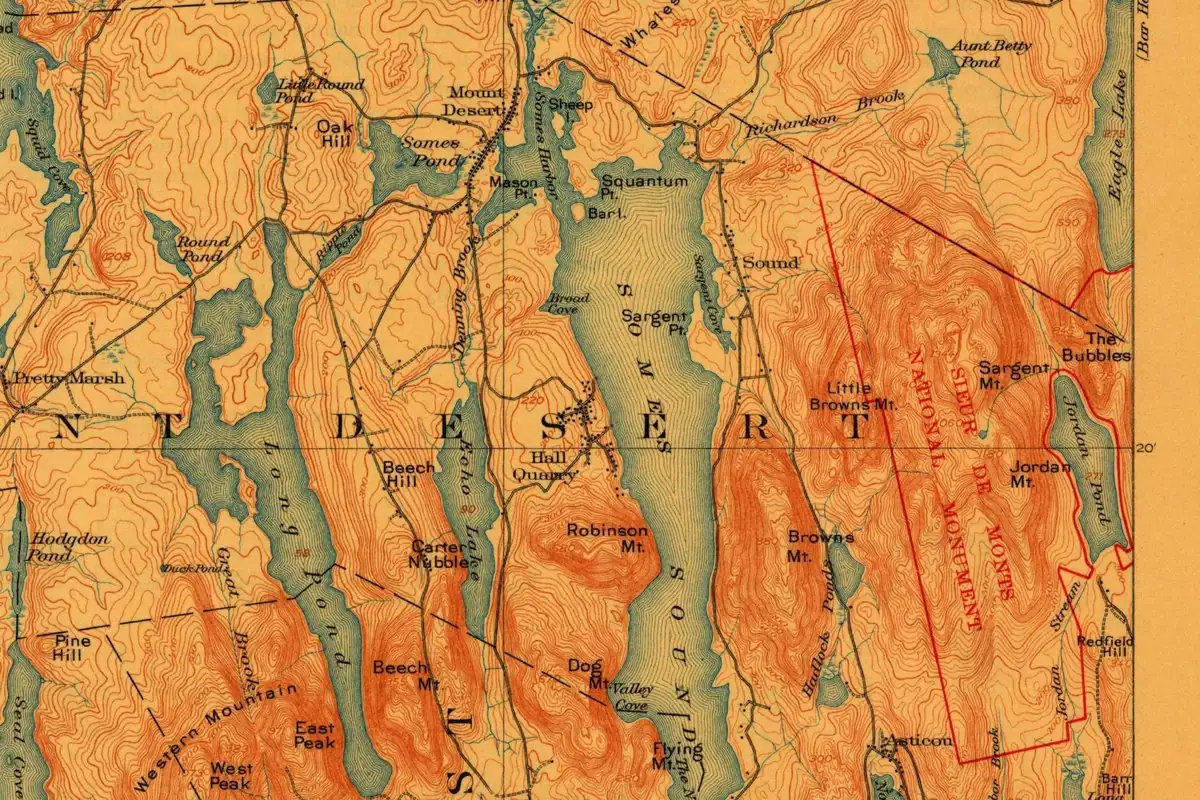
The park needed three tries to get its name. George B. Dorr, who spent years gathering donated land on the island, says in his history of the park that he settled on the first name on the spot, the day a federal official in Washington steered him toward a national monument: “The Sieur de Monts National Monument, honoring the founder of Acadia.” President Woodrow Wilson signed the proclamation on July 8, 1916, and on the old map at the bottom of this page, printed in 1918, you can still see that name outlined in red.
Then came the war. In February 1919, Congress turned the monument into Lafayette National Park. Yard wrote that the impulse to honor the French general “arose, of course, out of the war-time warmth of feeling for our ally, France.” The same mood reached the mountains. The federal place-names database says Champlain Mountain was named in 1918 for the island’s discoverer and “to honor France for her part in the present war,” and the peak on Somes Sound that maps called Robinson Mountain became Acadia Mountain in a decision that same year. A Park Service article notes that Wilson signed the Lafayette bill on February 26, 1919, the same day he signed the one that made the Grand Canyon a national park.
Lafayette lasted ten years. A law of January 19, 1929, changed the name to Acadia National Park, the same year Congress let the park take in land on the Schoodic Peninsula. You’ll often hear that the Moore family’s daughters, who gave that Schoodic land, wanted the French general’s name gone first. Down East magazine looked into it in 2020, and Dorr’s biographer, Ronald Epp, told the magazine he “knows of no source material explicitly mentioning the sisters’ antipathy for the French.” What the magazine does say is that Dorr had been fond of the name Acadia for decades.
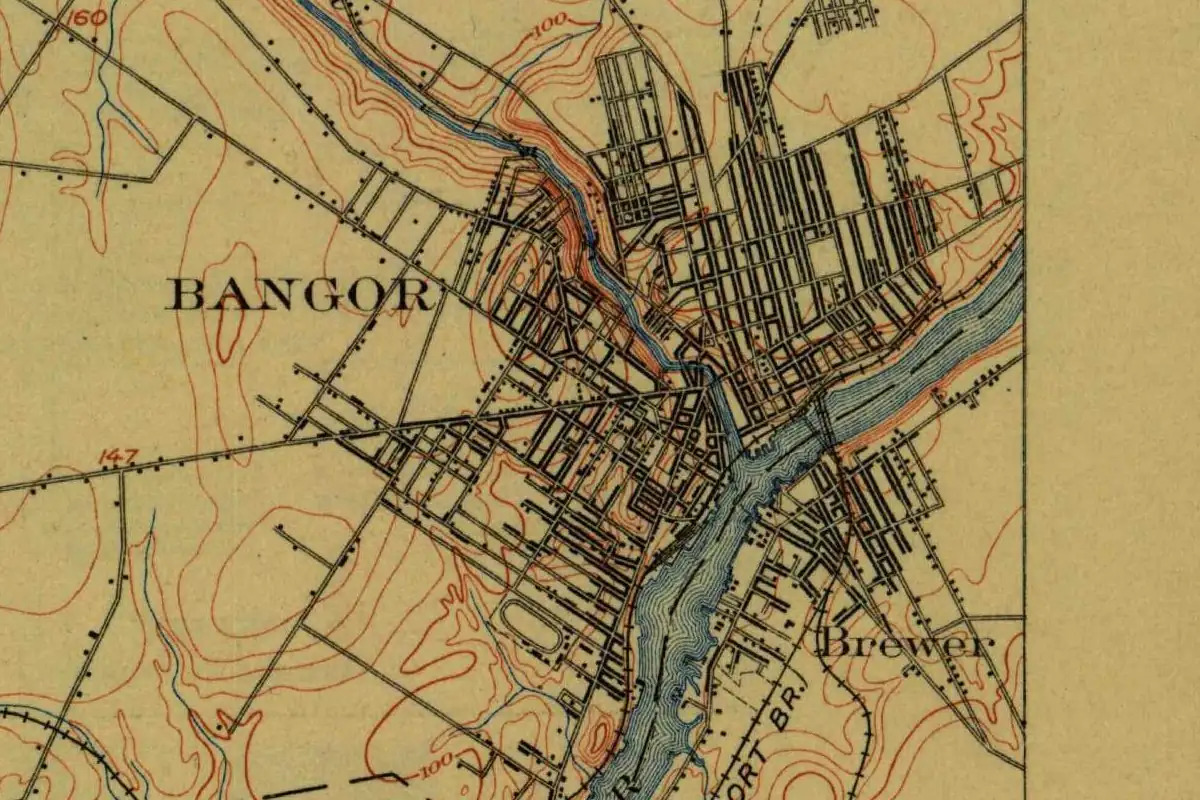
The gateway town on the island’s east shore, Bar Harbor, went through its own name change in those same years. And Champlain’s 1604 trip didn’t end at the island. He went on up the Penobscot until a waterfall stopped him near a little river his editor identifies as the Kenduskeag, by today’s Bangor. So Maine ended up with a national park named for a French colony whose name nobody can pin down, on an island named by a Frenchman who could. That’s a fair trade.
Quick answers
What does Acadia mean?
Nobody agrees. One version traces it to “Arcadia,” the name Verrazzano gave part of the coast in 1524 “on account of the beauty of the trees,” borrowing, in one telling, the name of a place in ancient Greece thought of as an earthly paradise. The other traces it to a Mi’kmaq word or ending the French wrote as “cadie,” which Gannett translated as “the land” in 1902 and as “where there is” in 1905.
Is Acadia named after Arcadia in Greece?
Not directly, and not for sure. The Canadian Encyclopedia says the name most likely comes from Verrazzano’s “Arcadia,” and the Dictionary of Canadian Biography traces it there too, but Ganong called a straight line to Greece “obvious but groundless,” and a 1999 article in the Mount Desert Island Historical Society’s journal favors a Mi’kmaq source.
Why is it called Mount Desert Island?
Because Champlain saw bare peaks. In 1604 he wrote that most of the summits had no trees, “only rocks,” and named it Isle des Monts Déserts. The “desert” means bare or lonely, not sandy.
What was Acadia National Park called before?
Two other things. It started as Sieur de Monts National Monument in 1916, became Lafayette National Park in 1919, and took the name Acadia National Park under a law of January 19, 1929.
Key dates
- 1524Giovanni da Verrazzano names a stretch of the mid-Atlantic coast Arcadia "on account of the beauty of the trees."
- 1548Gastaldi's map is the first to show the name, as Larcadia.
- 1603November 8: Henry IV's commission to the Sieur de Monts covers the lands of "La Cadia" (La Cadie), which Ganong called the earliest known use without the r.
- 1604September 5: Champlain passes the island and names it Isle des Monts Déserts.
- 1916July 8: President Wilson proclaims Sieur de Monts National Monument, a name George Dorr chose.
- 1918Champlain Mountain and Acadia Mountain get their names, in a federal decision of that year.
- 1919February 26: Wilson signs the act creating Lafayette National Park, the same day as Grand Canyon's.
- 1929January 19: a new law changes the park's name to Acadia National Park.
Historical Sources & References
- W. L. Grant, ed., Voyages of Samuel de Champlain, 1604-1618 (1907), pp. 45, 48, 66. Champlain’s own account of September 1604: the island “destitute of trees,” “I named it Isle des Monts Déserts”; the trip up the Penobscot to a fall near the Kenduskeag; and the editor’s note on the spellings Arcadie, Accadie, Acadie and La Cadie.
- National Park Service, “Colonization and Settlement”. The landing on Mount Desert on September 5, 1604, and Champlain’s line “The mountain summits are all bare and rocky.”
- National Park Service, “History & Culture”. The park’s list of names for this place: Pemetic, Mount Desert, Schoodic, Sieur de Monts, Lafayette, Acadia.
- Robert Sterling Yard, The Book of the National Parks (1919), chapter 6. “The Island of the Lonely Mountains,” the wartime reason for the name Lafayette, and the renaming of mountains on Somes Sound as Acadia, St. Sauveur and Norumbega.
- William F. E. Morley, “Verrazzano, Giovanni da,” Dictionary of Canadian Biography. Verrazzano’s “Arcadia,” given “on account of the beauty of the trees,” first mapped by Gastaldo in 1548 and later spelled without the “r.”
- The Canadian Encyclopedia, “Acadia”. The name “most likely originated with Giovanni da Verrazzano,” near Delaware, and Arcadia as a Greek “earthly paradise.”
- W. F. Ganong, A Monograph of the Place-Nomenclature of the Province of New Brunswick (1896), pp. 216-217. Larcadia on 16th-century maps, “La Cadie” in 1603, the “r” that “does not occur in the Micmac dialect,” and the Greek theory called “obvious but groundless.”
- Henry IV’s patent to the Sieur de Monts (1603), in Sieur de Monts Publications XI. Purchas’s English version of the commission, covering “the Lands and Territories of La Cadia.”
- Henry Gannett, The Origin of Certain Place Names in the United States (USGS, 1902), p. 18. Acadia as “the French form of the Indian word kadi, meaning ‘the region,’ ‘the land.’” Also online: the 1905 second edition, p. 16, which gives akadi, “where there is,” “where there are,” “where are found.”
- Silas Tertius Rand, Dictionary of the Language of the Micmac Indians (1888). Place words built with the ending: “where fish abound,” “a place where lobsters abound,” “an eagle haunt.”
- Anne Mazlish, ed., “The Acadians: Their Culture and Their Influence on Mount Desert,” Chebacco vol. II (Mount Desert Island Historical Society, 1999). Both theories, with the Mi’kmaq “cadie” called “the more plausible,” and the idea that the mapmakers’ “Arcadie” “may have prepared the way.”
- George B. Dorr, History of Acadia National Park (typescript, NPS). Dorr’s choice of the name Sieur de Monts National Monument, “honoring the founder of Acadia,” and Wilson’s proclamation of July 8, 1916.
- National Park Service, “Laws & Policies”. Proclamation 1339 of 1916, the 1919 change to Lafayette National Park, and the law of January 19, 1929, that changed the name to Acadia National Park. Also online: “Becoming Acadia National Park”, on the Schoodic land and the 1929 name.
- Sean Cox, “Unlikely Siblings” (National Park Service). Wilson signing the Lafayette and Grand Canyon bills on February 26, 1919, and Lafayette as a name meant to connect the United States and France after World War I.
- Brian Kevin, Down East (January 2020). The story of the Moore daughters and the Schoodic gift, biographer Ronald Epp’s doubts about it, and Dorr’s long fondness for the name Acadia.
- GNIS feature 579991, Mount Desert Island (U.S. Geological Survey). The official name and coordinates, the variants Pemetic, Pemetiq and Mount Mansel Island, and the note that Champlain’s name “reflects its rocky, desert-like peaks.”
- GNIS feature 561075, Acadia Mountain (U.S. Geological Survey). A Board decision of 1918, with Robinson Mountain and Arcadia Mountain as variants. Also online: Champlain Mountain, feature 563813, “named in 1918 for the discoverer of Mount Desert Island” and “to honor France.”
Spot something wrong, or know more? Tell us here. You can also email us or use our contact page. Corrections are noted here with their date, never made silently.