Everglades: Ever Glades, Never Glade and Grassy Water
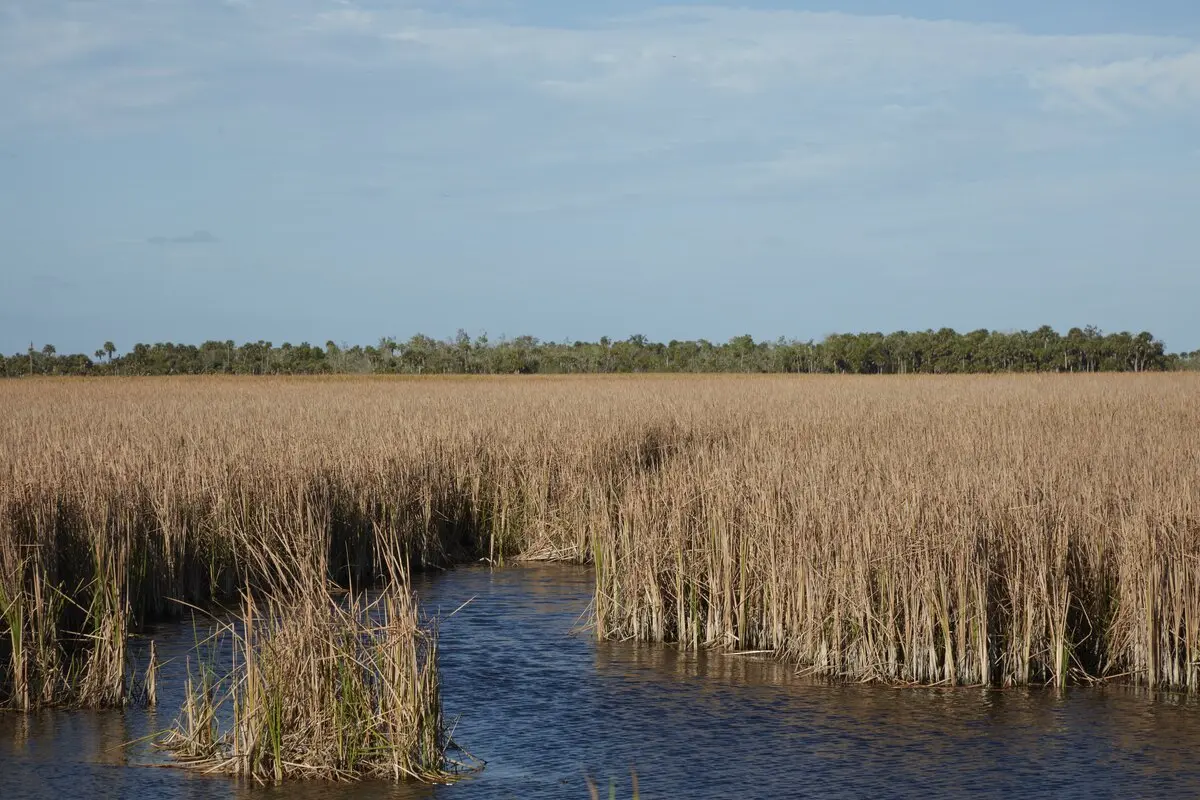
Everglades joins ever and glade, an old word for a grassy open place. It appears as Ever Glades on Charles Vignoles’s 1823 map of Florida. Who coined it is unknown, and the “ever” part has a small mystery attached, because the same surveyor who put Ever Glades on the map also wrote “Never Glade” in his book. You’ll also find older names that describe it as water, not just grass.
What Does Everglades Mean?
The Park Service’s short page on the name, “What’s in a Name?”, says early explorers saw large fields of grass and started calling the place the “Ever-Glades.” It explains “ever” as coming from forever and “glades” as an old English word for a grassy open place. Put the two halves together and you get grass that goes on and on.
The Native name puts it even more simply. The same Park Service page gives it as Pa-hay-Okee and translates it as “grassy waters.” Spellings vary. An 1838 map by the Army’s Bureau of Topographical Engineers labels it both “Pay-Hai-O-Kee” and “Grass Water,” and a 1940 typescript in the State Archives of Florida, now on its Florida Memory site, spells it “Pay-hai-o-koo (Grass Water).” Amelia Raines, writing for the Library of Congress map blog in 2022, says the word comes from Hitchiti, a language close kin to Mikasuki, which descendants of Seminole Wars survivors still speak.
Everglades Name Origin: Who Put It on the Map?
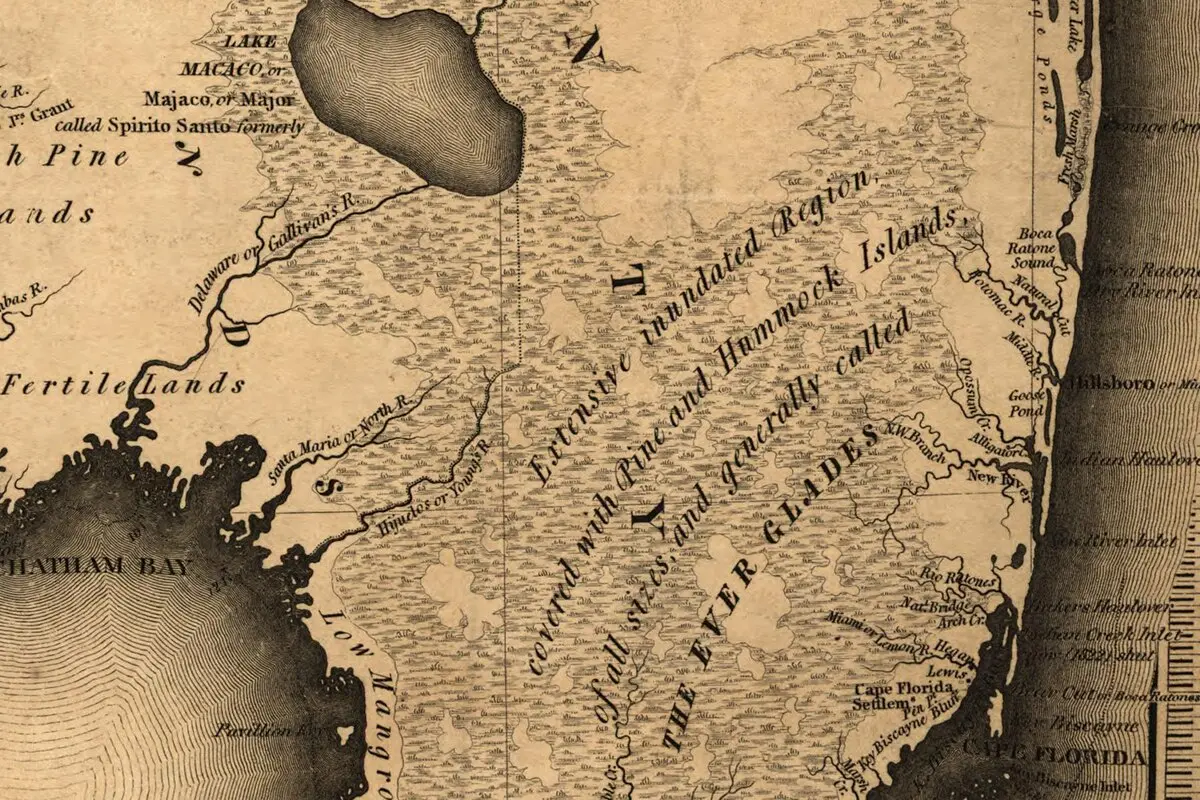
The record doesn’t name anyone. What it does show is when the name reached a map. Raines says the 1823 Map of Florida, drawn by Charles Vignoles, a surveyor, and engraved by H. S. Tanner, is “generally considered” the earliest map carrying the name, spelled “Ever Glades,” and it’s the oldest map she found that names the wetland at all. The map detail near the end of this article shows the label: an “Extensive inundated Region” with pine and hummock islands, “generally called THE EVER GLADES.” The map’s own wording, “generally called,” suggests people used the name before Vignoles wrote it down.
Vignoles published a book the same year, Observations upon the Floridas, and it’s less tidy. On page 50 he calls the region “the Glade,” and adds that it’s “emphatically termed the Never Glade.” Two pages later he writes “Ever Glades,” on page 53 he uses “Eternal Glades,” and on page 136 he’s back to the Never Glade. J. E. Dovell, in a 1947 article for the Florida Historical Quarterly, called “Never Glade” “undoubtedly a typographical error.” It does turn up twice, though, so you can weigh that for yourself.
By about 1841, David H. Burr’s map was describing “extensive marshes called the Everglades,” Raines notes, in one word.
Everglades History: River of Grass and the National Park
The most famous nickname came in 1947. The Park Service says Marjory Stoneman Douglas, born in 1890, came to Miami in 1915 to work for her father’s newspaper. In 1947 she published The Everglades: River of Grass, the same year the park was established, and the phrase in its title became the wetland’s nickname. She later founded Friends of the Everglades, in 1970.
The park took a long time. The Park Service’s history page says the landscape architect Ernest Coe began pushing in 1928 for a “Tropical Everglades National Park.” Congress designated the park in 1934, and it took 13 more years to buy the land and find the money before it opened in 1947.
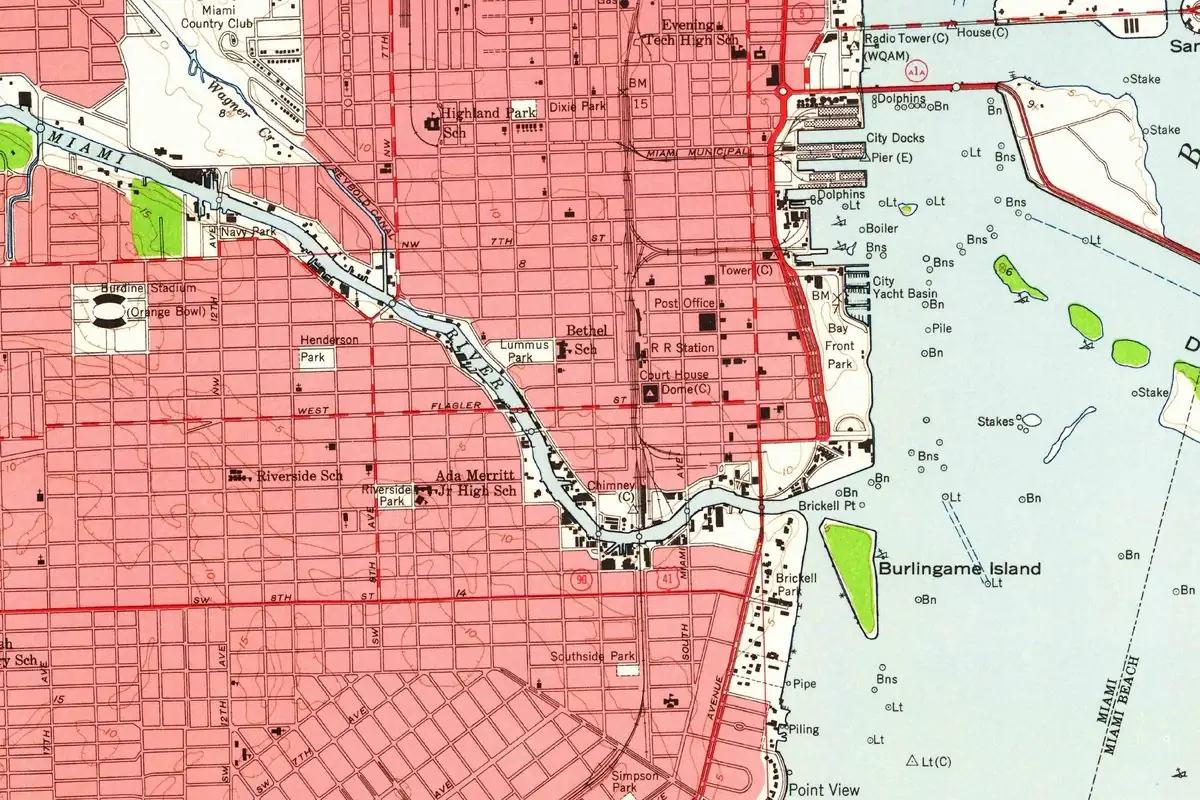
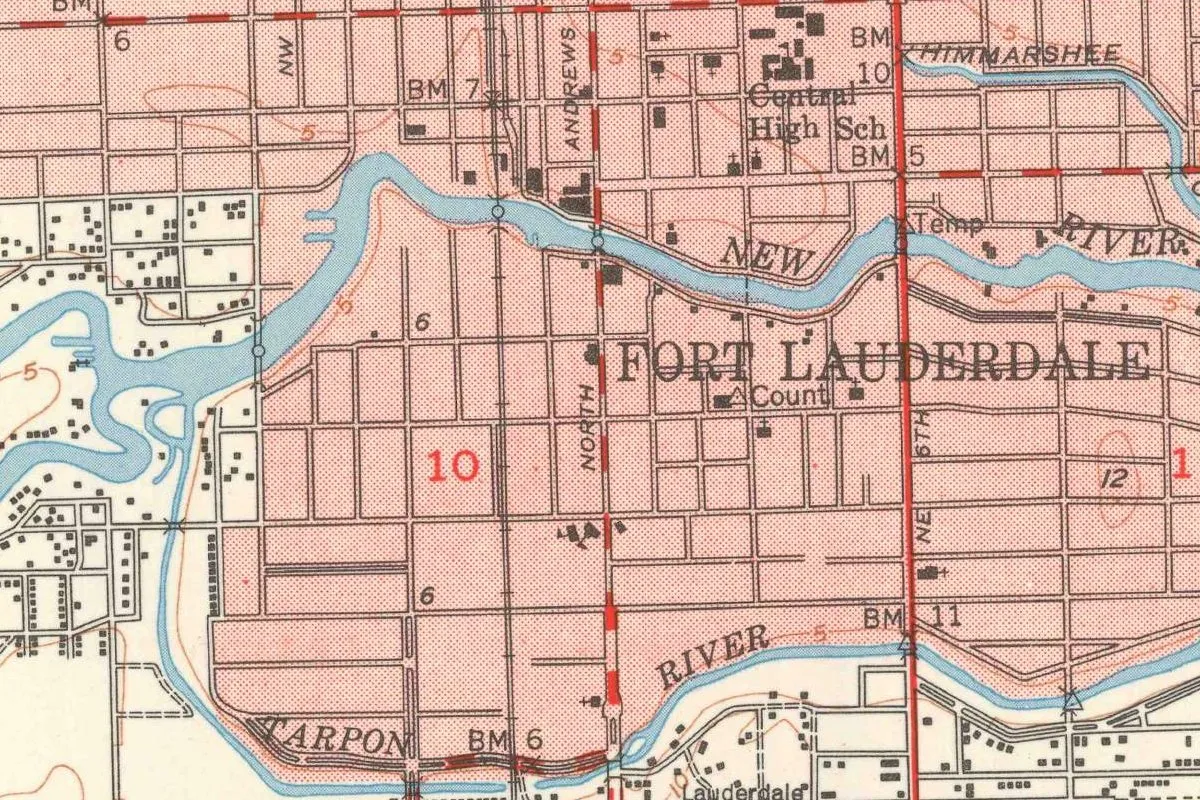
The Vignoles map is worth a close look for nearby names too. It marks “Miami or Lemon R.” on the east coast, and our Miami story follows that river’s name back to Mayaimi, the name of a lake in the account of a Spaniard held captive in Florida in the 1500s. A little farther north, the same map shows New River, where Fort Lauderdale got its start on March 6, 1838: Major William Lauderdale’s troops built a post where the river forks, and it took his name.
Quick answers
Why Is It Called the Everglades?
The Park Service says early explorers saw large fields of grass and called it the Ever-Glades, from “ever,” as in forever, and “glade,” an old English word for a grassy open place. Charles Vignoles’s 1823 map of Florida is generally considered the first to print the name.
What Did Native Americans Call the Everglades?
The Park Service gives the name as Pa-hay-Okee and translates it as “grassy waters.” An 1838 Army map spells it Pay-Hai-O-Kee and adds Grass Water. A Library of Congress blog traces the word to Hitchiti, closely related to the Mikasuki language still spoken by Seminole Wars survivors’ descendants.
Who Coined “River of Grass” for the Everglades?
Marjory Stoneman Douglas, in The Everglades: River of Grass, her 1947 book, and the title stuck as the wetland’s nickname. The park itself, the Park Service adds, dates from 1947 as well. She’d moved to Miami in 1915 and founded Friends of the Everglades in 1970.
Was the Everglades Once Called the Never Glade?
In one book, yes: Charles Vignoles’s 1823 Observations upon the Floridas calls the region the “Never Glade” on pages 50 and 136 and the “Ever Glades” in between. Historian J. E. Dovell called it a typo in 1947, though Vignoles used it twice.
Key dates
- 1823Charles Vignoles's Map of Florida labels the region "The Ever Glades"; his book that year also says Never Glade and Eternal Glades.
- 1838A map by the Army's Bureau of Topographical Engineers names it "Pay-Hai-O-Kee" and "Grass Water."
- 1928Landscape architect Ernest Coe starts campaigning for a "Tropical Everglades National Park."
- 1934Congress authorizes a national park in the Everglades, though land and money take 13 more years.
- 1947Everglades National Park is established, and Marjory Stoneman Douglas publishes The Everglades: River of Grass.
- 1970Douglas founds Friends of the Everglades.
Find it in Google Maps
Opens in a new tab. The pin is a point from the USGS place-name record, so it may not be the middle of the area.
Sponsored
Planning a visit?
Compare hotels in the area on Expedia.
See hotels nearbyWe may earn a commission if you buy through this link. It never changes what we write. Read our affiliate disclosure
Historical Sources & References
- National Park Service, “What’s in a Name?”. “Ever-Glades,” with “ever” from forever and “glades” an old English word for a grassy open place; Pa-hay-Okee, “grassy waters”; Douglas and “the River of Grass.”
- Amelia Raines, “Swampland in Florida” (Library of Congress, 2022). The 1823 Vignoles map “generally considered” the first to use “Ever Glades”; the 1838 Topographical Engineers map with Pay-Hai-O-Kee and Grass Water; Hitchiti and Mikasuki; Burr’s map of about 1841.
- Charles Blacker Vignoles, Map of Florida (1823). The map on this page: “generally called THE EVER GLADES”; Lake Macaco, Miami or Lemon River and New River.
- Observations upon the Floridas, by Charles Vignoles (1823). Page 50, “the Never Glade”; page 52, “Ever Glades”; page 53, “Eternal Glades”; page 136, “the Never Glade.”
- J. E. Dovell, “The Everglades Before Reclamation” (1947). Note 75: “Never Glade” judged a typographical error.
- Florida Memory, “The Florida Everglades – Sawgrass and Seminole –” (1940). The State Archives typescript with “Pay-hai-o-koo (Grass Water).”
- National Park Service, “Marjory Stoneman Douglas”. Born 1890; Miami, 1915; The Everglades: River of Grass, 1947; Friends of the Everglades, 1970.
- National Park Service, Everglades “Preservation”. Coe’s campaign from 1928; Congress, 1934; the park, 1947.
- GNIS feature 307628, The Everglades (USGS). The wetland’s GNIS record, filed as The Everglades.
Spot something wrong, or know more? Tell us here. You can also email us or use our contact page. Corrections are noted here with their date, never made silently.