West Yellowstone, Montana: Riverside Wasn't on a River
West Yellowstone, Montana, started out as Riverside, a name that didn’t fit: the town isn’t on a river, and another Riverside sat just inside the park. It took one more try, and years of misdirected mail, before the town settled in 1920 on a name borrowed from the park next door.
“The Boundary” at the end of the track
The town exists because of a railroad. With the park growing more popular, Union Pacific officials decided to run a branch line to its west side, started in 1905 and finished by 1907, according to the National Register of Historic Places paperwork for the town’s old railroad buildings. In June 1908 the Forest Service surveyed a six-block townsite in the national forest, right against the park’s western edge. The same document says the Forest Service “had anticipated a few roadside businesses, but not a town.”
For a while, nobody gave the place a real name. The Museum of the Yellowstone, the town’s history museum, says the railroad crews called it “Boundary,” for its spot on the park border. Historian Aubrey L. Haines wrote in Yellowstone Place Names that people called the end of the track “the boundary,” and that mail headed there was forwarded, unofficially, as “Yellowstone, Montana.” You can still find the old word on the town map: the street on the east side of town, next to the park, is Boundary Street.
Riverside, two miles from the river
The first official name came with the post office. In October 1908, the museum says, the U.S. Postal Service opened one here as Riverside. Haines dates it to October 23, 1908. The National Register paperwork says Charles Arnet opened the Yellowstone Store “and the first post office,” and a 1932 Gallatin County account names Charles A. Arnett as the first postmaster. Haines names the postmaster as Peter Arnet, though the same entry has a Charles A. Arnet leasing one of the first store sites in 1907. Without the post office’s own records, the first name isn’t settled.
Riverside was a bad fit, and Haines gave three reasons, all practical. “The town was not on a river.” There was “a well-established soldier station by that name four miles to the east.” And “the railroad management wanted a name identified with the Park.”
One caveat: we’ve read Haines’s entry only as it’s transcribed on a West Yellowstone travel website, not in the book itself. Robert V. Goss’s local history on his GeyserBob.com site backs up the first two points, though. It puts the town site two miles from the Madison River and says the name Riverside was already in use 4 to 5 miles (6 to 8 km) east of the park entrance.
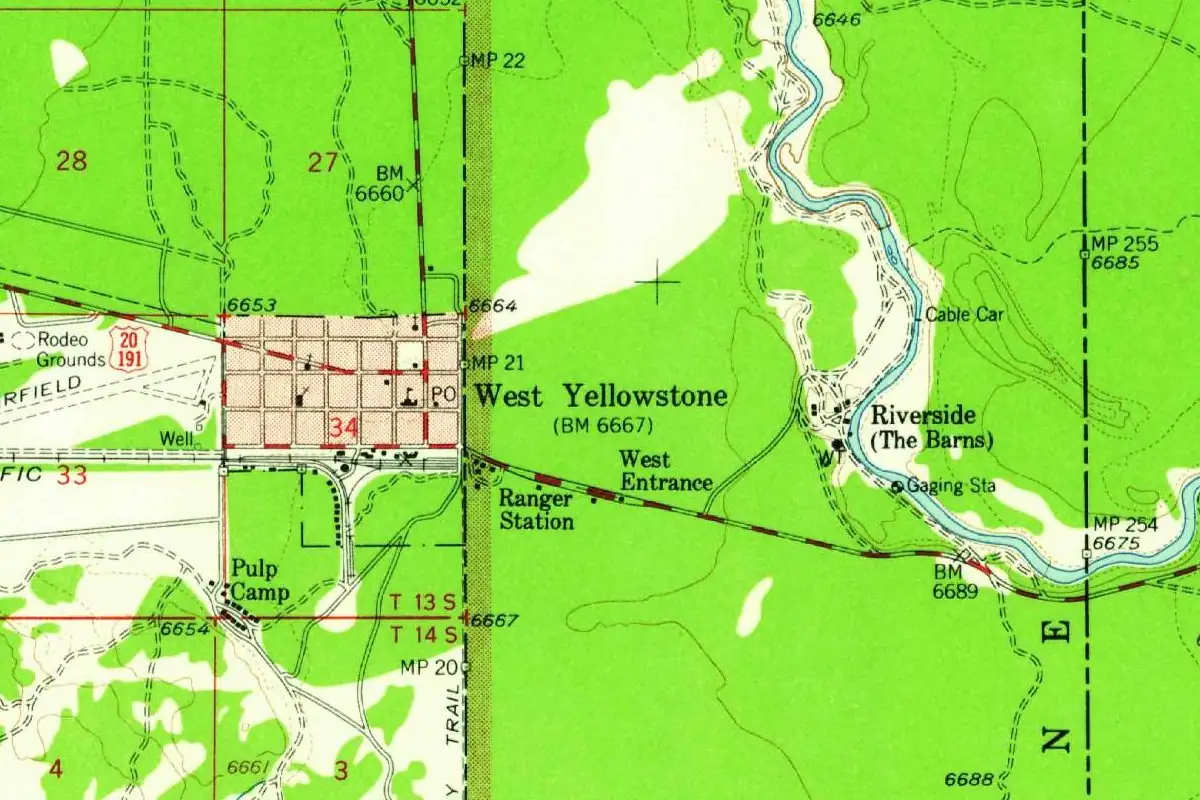
The other Riverside was real. A Wylie Permanent Camping Company ad in the Salt Lake Herald in July 1908 told tourists their six-day tickets could be “purchased at Riverside camp park entrance.” Haines says the stage companies built barns by the Madison River, two miles (3 km) from the new town, and those “Riverside Barns” lasted until the railroad gave up its service to the west entrance after 1957. On the 1958 map at the top of this page, you can see it: “Riverside (The Barns),” sitting right on the river, about 1.6 miles (2.6 km) east of town. The federal place-names database still lists that Riverside as a separate place. Whether it’s the exact spot of Haines’s soldier station, four miles out by his count, the sources don’t say.
Yellowstone, Montana, and the mail mix-up
So the post office tried again. The museum says the name became Yellowstone in 1909, and Haines gives the date as November 17, 1909. Goss puts the change at January 31, 1910. He says November 17, 1909, was the day Sam Eagle was appointed postmaster, and that Eagle took over running the post office in January 1910. Either way, the town was now simply Yellowstone.
That fixed one problem and created another. Haines points out that the park’s own headquarters post office had been renamed Yellowstone Park, Wyoming, back in 1902. Mail for one kept landing at the other. In January 1920, a statewide news column printed in Montana papers put it plainly: “mail gets confused, much of the mail for Yellowstone being sent to Yellowstone Park, Wyo., at Mammoth Hot Springs.”
The town was going through another big change at the same time. Its businesses sat on leased national forest land, and the owners didn’t own their lots. The museum says President Woodrow Wilson signed the law creating the town in December 1919, and the same 1920 news item says the town had just been “released from the jurisdiction of the national forest service.”
West, at last
The fix was one word. That January the town was “asking to have its name changed to West Yellowstone,” the item said, and “petitions for the change in the name are in circulation.” Haines dates the change to January 7, 1920, which is a little odd next to a news item from later that month that still talks about petitions. The museum just says that in 1920 “West” was added, and that it eased the mail problems “due to confusion between the town and the park.”
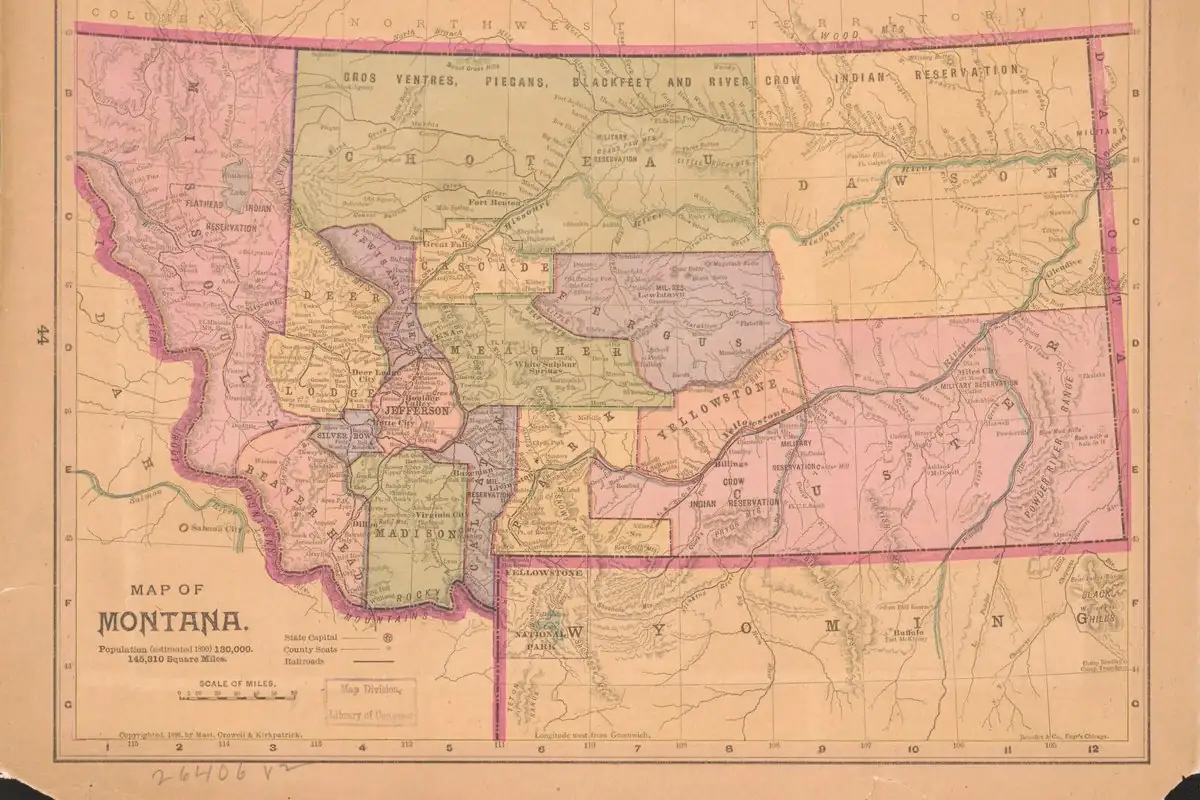
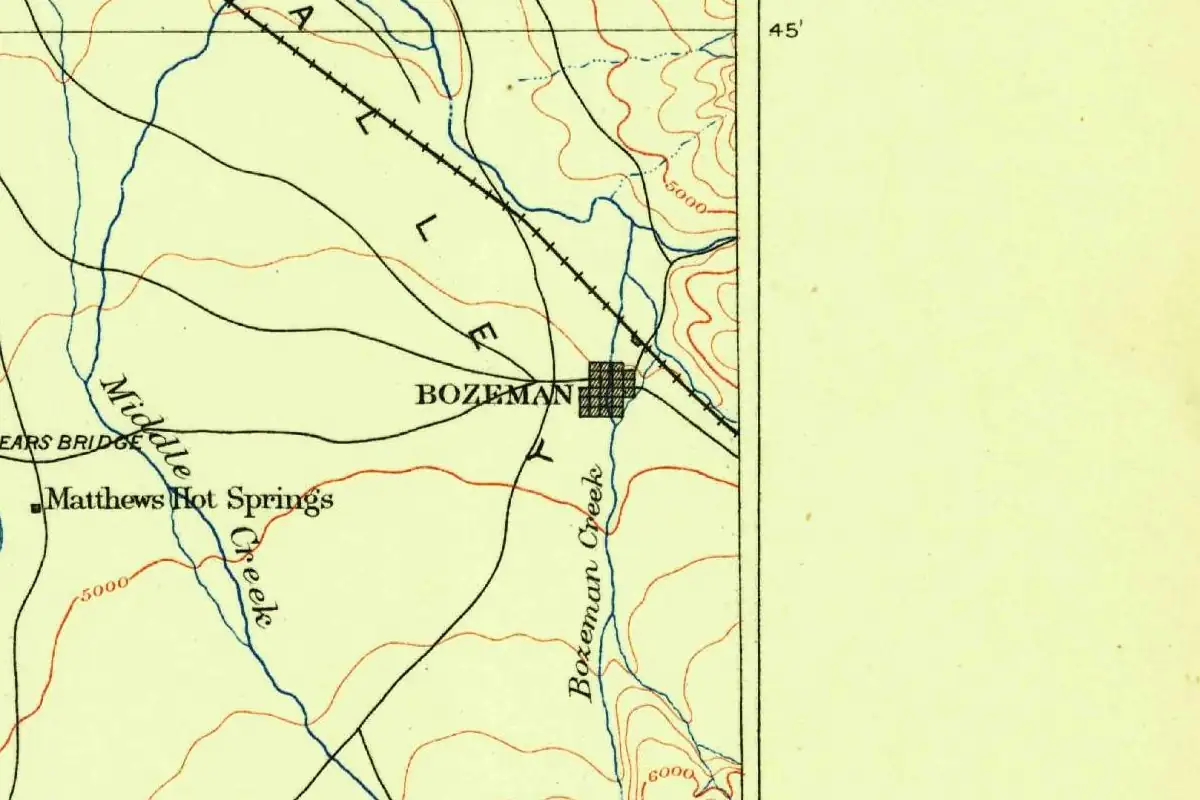
The name stuck. West Yellowstone finally incorporated as a town on June 6, 1966, the museum says, nearly 47 years after it left the national forest. Today the federal database lists it as West Yellowstone, in Gallatin County, Montana, the same county as Bozeman, and not in Wyoming, where the park’s headquarters post office was.
There’s a quiet joke in all this. The town gave up Riverside because it wasn’t on a river, and took the name of a park that’s named for one. Yellowstone comes from the Yellowstone River, so West Yellowstone ended up with a river in its name after all.
Quick answers
Why is it called West Yellowstone?
Because it sits at the west entrance of Yellowstone National Park. The town was called Yellowstone until 1920, when “West” was added because mail for the town kept going to the park’s post office, Yellowstone Park, Wyoming.
What was West Yellowstone’s original name?
Riverside. The post office opened under that name in October 1908, but, as Haines tells it, the town wasn’t on a river and another Riverside already existed nearby, so it became Yellowstone in 1909 or early 1910, depending on the source. Before that, railroad workers called the spot “Boundary.”
Is West Yellowstone in Montana or Wyoming?
Montana. The federal place-names database puts West Yellowstone in Gallatin County, Montana, just outside the park’s western boundary. The park’s own headquarters post office, the one the town kept getting mixed up with, was in Wyoming.
Key dates
- 1907The Union Pacific branch line to the west side of Yellowstone National Park is completed.
- 1908June: the Forest Service lays out a six-block townsite. October: a post office opens as Riverside.
- 1909The post office becomes Yellowstone (one local history says January 31, 1910).
- 1919December: President Woodrow Wilson signs the law creating the townsite, outside the national forest.
- 1920"West" is added to the name to end the mail mix-ups with the park.
- 1966June 6: West Yellowstone incorporates as a town.
Getting there
The closest airports, Amtrak stations and intercity bus stops, measured in a straight line from the center of West Yellowstone.
Airports
- Yellowstone (WYS) West Yellowstone 2 mi 3 km
- Jackson Hole (JAC) 75 mi 121 km
Intercity buses
- Salt Lake Express West Yellowstone under 1 mi 0.6 km
Distances are as the crow flies, not by road. We don't list schedules or fares because they change; check with the airline, Amtrak or the bus company before you go. Official data (FAA commercial service airports (2025), FAA airport locations, Amtrak stations and Intercity Bus Atlas) from the FAA and the U.S. Bureau of Transportation Statistics, checked Nov 1, 2026.
Historical Sources & References
- Museum of the Yellowstone, “From a Confused Identity to Incorporation”. The town museum’s history: railroad workers’ “Boundary,” the Riverside post office of October 1908, Yellowstone in 1909, “West” added in 1920 to fix the mail confusion, Wilson’s law of December 1919 and incorporation on June 6, 1966.
- Aubrey L. Haines, Yellowstone Place Names: Mirrors of History (1996), pp. 261-262, as transcribed on west-yellowstone-montana.com. “The boundary”; Charles A. Arnet’s store-site lease of 1907; the post office of October 23, 1908, as Riverside, “under Peter Arnet”; the three reasons it didn’t work; Yellowstone on November 17, 1909; the park’s post office named Yellowstone Park, Wyoming, in 1902; West Yellowstone on January 7, 1920; the Riverside Barns.
- Montana news column, The Circle Banner (Circle, Mont.), January 23, 1920, p. 7. The town of Yellowstone “is asking to have its name changed to West Yellowstone” because “mail gets confused.” Also online: the same item in the Powder River County Examiner, February 6, 1920.
- The Salt Lake Herald, July 1, 1908, p. 7. A Wylie camping company ad: tickets “purchased at Riverside camp park entrance,” proof of the other Riverside the year the town was founded.
- National Register of Historic Places, West Yellowstone Multiple Resource Area nomination (1981). The Union Pacific branch line (1905-1907), the Forest Service’s six-block townsite of June 1908, Charles Arnet’s store with “the first post office,” and Boundary Street on the east edge of the old town.
- Robert V. Goss, “West Yellowstone” (GeyserBob.com, 2020). A local history that puts the town site two miles from the Madison, places the older Riverside 4 to 5 miles (6 to 8 km) east of the park entrance, and dates the change to Yellowstone January 31, 1910, with Sam Eagle appointed postmaster on November 17, 1909, and running the office from January 1910.
- “Early Gallatin County Towns,” a 1932 county account transcribed by Montana Genealogy. The post office “established in 1908, with Charles A. Arnett postmaster,” succeeded in 1910 by S. P. Eagle.
- GNIS feature 793137, West Yellowstone (U.S. Geological Survey). The official name and location in Gallatin County, Montana.
- GNIS feature 801368, Riverside (U.S. Geological Survey). The older Riverside, a separate place on the West Yellowstone map sheet, with “The Barns” as a variant name.
Spot something wrong, or know more? Tell us here. You can also email us or use our contact page. Corrections are noted here with their date, never made silently.