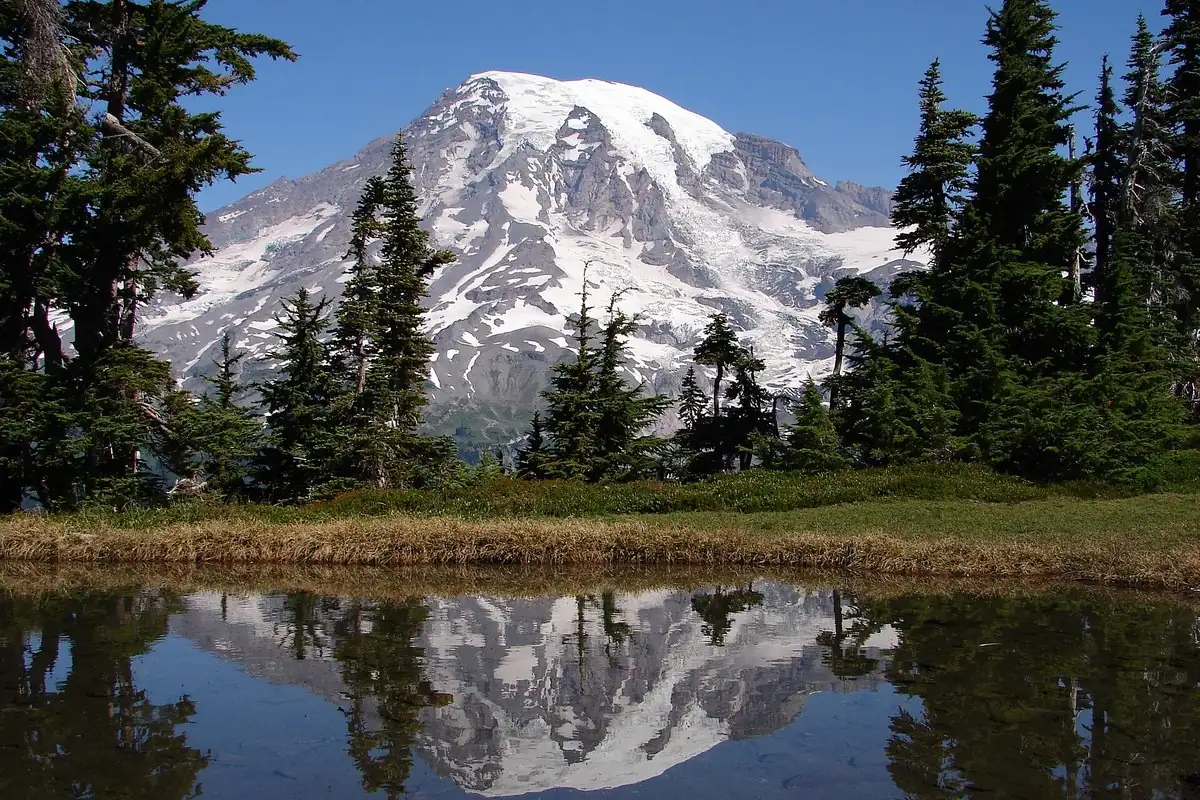
West Glacier, Montana: The Town That Used to Be Belton
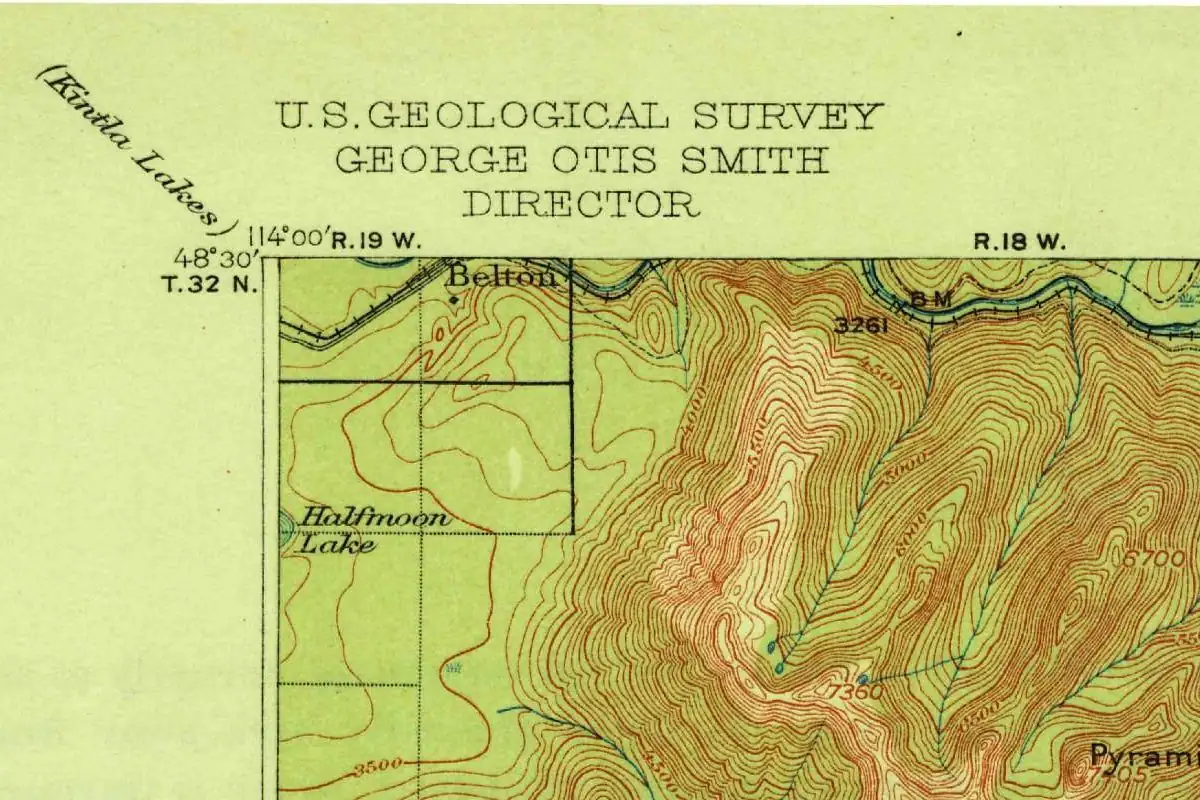
West Glacier, Montana, was Belton until October 1, 1949, when it took a name that said where it sat: the west entrance to Glacier National Park. Residents had been trying to make the switch since the 1930s, and when it finally happened, the post office didn’t even have its new postmark stamp yet.
A railroad stop called Belton
The town grew up beside the Great Northern Railway, which pushed its line over Marias Pass and down the Middle Fork of the Flathead River in the early 1890s. By the late 1890s, Belton was where you got off the train if you were headed for Lake McDonald. A botanist from Minnesota who came in July 1898, and wrote it up in 1900, found “a number of cottages and a board building” that served as depot, express and telegraph office during the tourist season, about 3 miles (5 km) from the foot of the lake.
When Congress created the park in 1910, it drew the southern boundary along the Middle Fork and the railroad’s right-of-way. So Belton ended up right at the park’s edge, just across the river. That spot is the whole reason for the town’s later name.
Who was Belton named for?
Nobody’s completely sure. Donald H. Robinson’s 1960 history of the park, written with the National Park Service, says Belton is “believed to have been named ‘Bell’s Town,’ or ‘Belton’” for Daniel Webster Bell, a Civil War veteran who took up a claim near the townsite, cut ties for the railroad and “served as cook for the location parties of the Great Northern in 1890.” A 2024 handbook from the Glacier Park Foundation, a group of former park and concession workers, tells the Bell story without the hedge.
But in 1949, the local paper put it bluntly while the renaming was under way: the origin of the name Belton was “not known.” So you’ve got a believed answer from 1960 and an honest shrug from the people who lived there right before the change.
Why Belton became West Glacier
The first try came in 1934 and 1935. Robinson says residents, “wishing to identify themselves more closely with the park,” drew up a petition to become West Glacier. The National Park Service backed it, and so did the president of the Great Northern. Then nobody followed through, and the idea died.
It came back in the spring of 1949, led by the Hungry Horse News in nearby Columbia Falls and the West Glacier Lions Club. The paper laid out the case on its front page that April. West Glacier, it said, had more appeal for vacationers and would be “readily associated” with the park’s western entrance. The town also sat next to park headquarters.
The mail problem
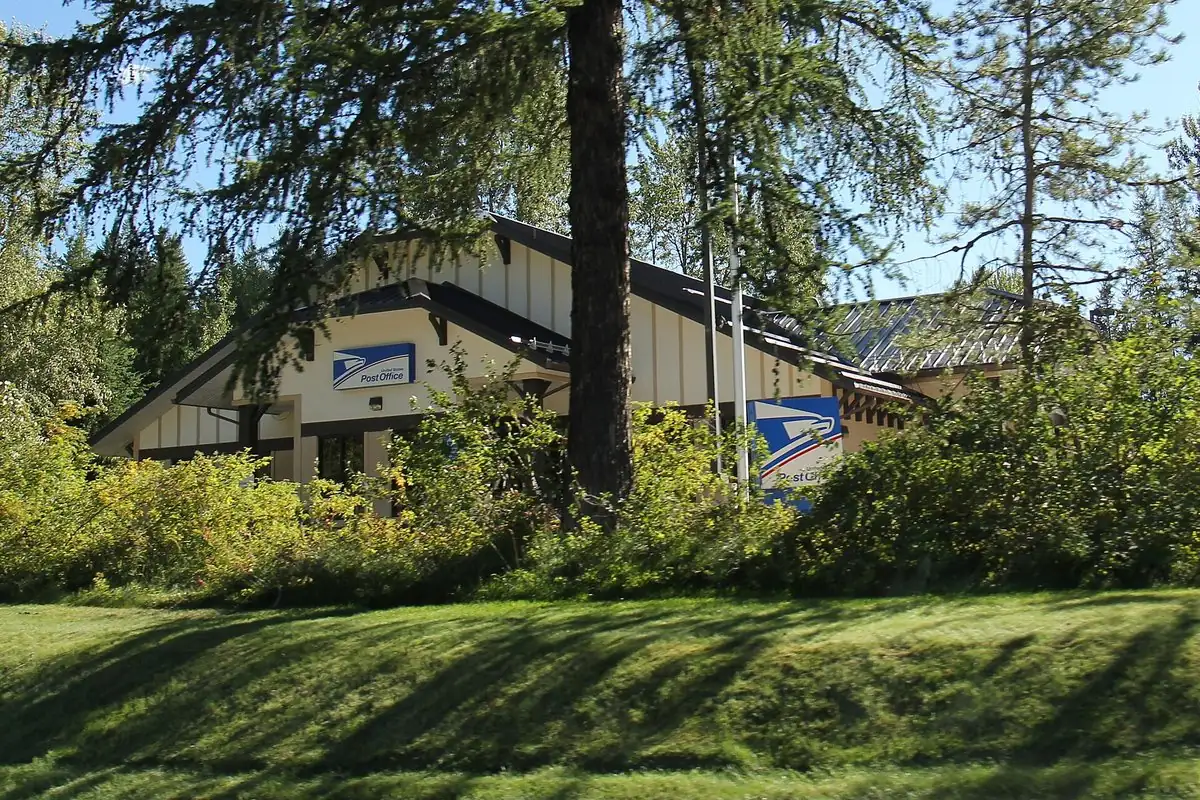
The other reason was the mail. Letters meant for park headquarters kept ending up in Glacier Park, Montana, on the other side of the mountains, about 60 miles (97 km) away. And letters for Belton could land in Belt or Belmont, Montana, or in Belton, Missouri, or Belton, North Dakota. If you were waiting on a package, a name that said “Glacier” would have looked pretty good.
There was one more oddity. The townsite had already been platted as West Glacier, and the telephone exchange used that name too. Only the depot and the post office still said Belton.
October 1, 1949
Residents signed petitions, and by June the paper reported that Congressman Mike Mansfield had heard from the Post Office Department that it would consider them. In September, the Hungry Horse News reported that the Associated Press was giving the paper credit for proposing the change and for contacting Mansfield, “who got the ball rolling.” The change would take effect Saturday, October 1, near the end of the travel season, when it would cause the least confusion.
Stamp collectors noticed. Postmistress Helen Gibb expected as much mail that day as at the height of summer, and the Lions Club prepared special envelopes with a park design. Five days later, more than 4,000 letters were waiting in the West Glacier post office for their “first day” cancellation. The catch: the department hadn’t allowed as much time as usual, and the new “West Glacier” stamp hadn’t arrived. Gibb was told to hold the letters until it did.
The town with two names
The railroad didn’t go along. Robinson says the Great Northern kept its depot name, so the town “ended up with two names.” The post office and the part north of the tracks became West Glacier, while the depot and the old townsite south of the tracks stayed Belton. The paper had reported in September that the railroad would only “consider” changing its depot name.
The renaming also set off a chain reaction on the other side of the park. The next year, Glacier Park Station, once called Midvale, became East Glacier Park. That meant the park’s own development at Roes Creek on St. Mary Lake, which had been officially called East Glacier, needed a new name too. Park officials settled on Rising Sun.
You can watch the switch happen on paper. The 1914 Geological Survey map at the top of this page prints Belton at its top corner. A 1951 reprint of the very same sheet prints West Glacier in that spot. The old name didn’t vanish completely, though. The nearby Belton Hills and the Belton Chalet, the Great Northern’s first chalet for the park, still carry it.
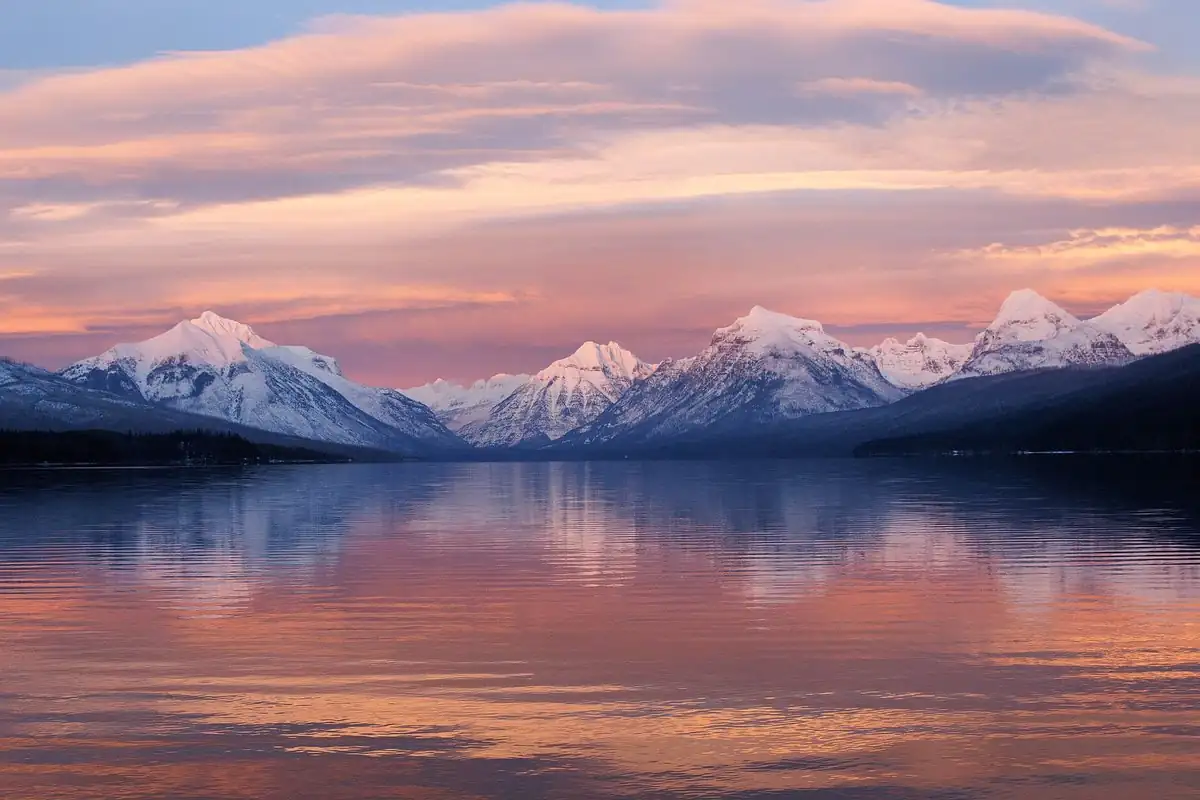
West Glacier is the gateway to Lake McDonald, the park’s biggest lake, which has its own naming story. The park sits “in the Rocky Mountains,” as the 1910 act put it, and you can read how that range got its name on the Rocky Mountains page. Montana has another park gateway on this site with a similar name: West Yellowstone.
Quick answers
What was West Glacier, Montana, called before?
Belton. The Hungry Horse News reported that the town officially changed from Belton to West Glacier on Saturday, October 1, 1949.
Why did Belton change its name to West Glacier?
Residents petitioned for a name that tied the town to the park’s west entrance and headquarters. The local paper also blamed mail mix-ups with Glacier Park, Belt and Belmont, Montana, and with other towns named Belton.
Who was Belton named after?
Probably Daniel Webster Bell, a Civil War veteran and railroad cook, but that’s not certain. The park’s 1960 history says the name is “believed” to come from him, while the Hungry Horse News wrote in 1949 that the origin was “not known.”
Did the railroad switch to the West Glacier name?
Not at first. The park’s 1960 history says the Great Northern kept Belton for its depot, so the post office side of town became West Glacier and the depot side stayed Belton.
Key dates
- 1890Daniel Webster Bell, whom Belton is believed to be named for, cooks for the Great Northern's location parties.
- 1898A visiting botanist leaves the train at Belton, about 3 miles from the foot of Lake McDonald.
- 1910Congress creates Glacier National Park, with its southern line along the Middle Fork of the Flathead River and the railroad.
- 1914The USGS Nyack map prints the name Belton.
- 1934Residents petition in 1934 and 1935 to become West Glacier, but nobody follows through.
- 1949October 1: Belton officially becomes West Glacier. More than 4,000 letters wait for the first-day postmark.
- 1951A reprint of the USGS Nyack map shows West Glacier where Belton used to be.
Getting there
The closest airports, Amtrak stations and intercity bus stops, measured in a straight line from the center of West Glacier.
Airports
- Glacier Park International (GPI) Kalispell 18 mi 29 km
- Missoula Montana (MSO) 110 mi 176 km
Amtrak trains
- West Glacier station (WGL) under 1 mi 0.4 km
- Whitefish station (WFH) 17 mi 28 km
Intercity buses
- Jefferson Lines Whitefish 18 mi 29 km
Distances are as the crow flies, not by road. We don't list schedules or fares because they change; check with the airline, Amtrak or the bus company before you go. Official data (FAA commercial service airports (2025), FAA airport locations, Amtrak stations and Intercity Bus Atlas) from the FAA and the U.S. Bureau of Transportation Statistics, checked Nov 1, 2026.
Historical Sources & References
- “Talk Town Name Change from Belton to West Glacier,” Hungry Horse News, April 15, 1949, p. 1. The case for West Glacier: vacationer appeal, the park’s western entrance, mail sent to Glacier Park “60 miles away” and to Belt, Belmont and other Beltons, and “Origin of naming” Belton “not known.”
- “Change to West Glacier” (editorial), Hungry Horse News, May 6, 1949, p. 2. West Glacier as the name already “carried by the townsite plat and local telephone switchboard,” and a call for a petition “with the name of nearly every Belton resident.”
- “West Glacier Name Change Is Closer,” Hungry Horse News, June 3, 1949, p. 4. The Post Office Department tells Congressman Mike Mansfield it will consider the petitions; the depot and post office are still Belton.
- “Belton Prepares for Renaming Day,” Hungry Horse News, September 9, 1949, p. 1. The change set for Saturday, October 1; Postmistress Helen Gibb, the Lions Club cachet, the Great Northern’s promise to “consider” its depot name, and the AP’s credit to the paper and to Mansfield “who got the ball rolling.”
- “4,000 Letters Await First Day Stamp,” Hungry Horse News, October 7, 1949, p. 4. The town “officially changed from Belton last Saturday,” and the new “West Glacier” cancellation stamp hadn’t arrived.
- Donald H. Robinson, Through the Years in Glacier National Park (1960), chapter 3. The failed 1934-35 petition, the 1949 change “effective October 1, 1949,” the railroad’s refusal, the town’s “two names,” and East Glacier Park and Rising Sun.
- Donald H. Robinson, Through the Years in Glacier National Park (1960), appendix A. Belton “believed to have been named ‘Bell’s Town,’ or ‘Belton’” for Daniel Webster Bell.
- Glacier Park Foundation, A Historical Handbook for the Employees of Belton Chalets, West Glacier Mercantile, Apgar Village and Motel Lake McDonald (2024). The Bell story stated without a hedge, and the Belton Chalet as the first of the Great Northern’s chalets, opened in June 1910.
- Ted Catton, At the Foot of the Belton Hills (NPS, 2012). “The town of Belton changed its name to West Glacier in 1949,” and the Belton Hills behind park headquarters.
- John M. Holzinger, “Lake McDonald and Vicinity” (1900). Belton station on his July 1898 trip: “a number of cottages and a board building,” about 3 miles from the foot of Lake McDonald.
- Act of May 11, 1910, 36 Stat. 354. The park’s boundary along the Middle Fork of the Flathead River and the Great Northern’s right-of-way, “in the Rocky Mountains.”
- U.S. Geological Survey, Nyack sheet (1914). The map at the top of this page, with the name Belton. Also online: the 1951 reprint, which prints West Glacier.
- GNIS feature 793105, West Glacier (U.S. Geological Survey). The official name and coordinates in Flathead County, with a Board decision dated 1950.
Spot something wrong, or know more? Tell us here. You can also email us or use our contact page. Corrections are noted here with their date, never made silently.