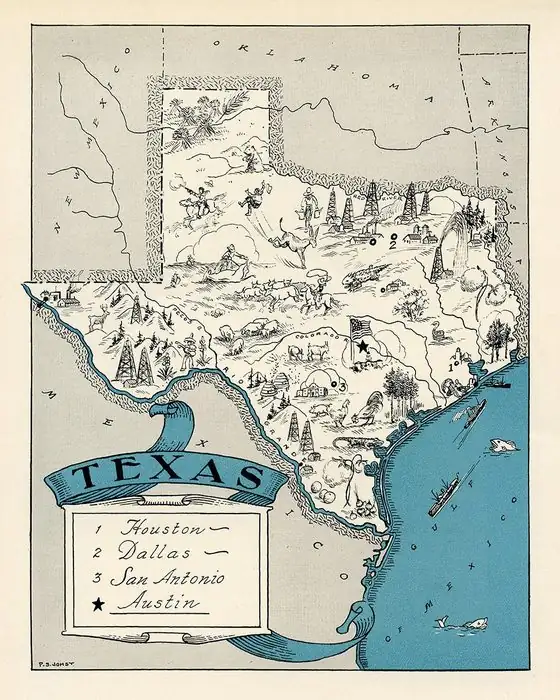
Who Was Fort Worth Named After? Gen. William J. Worth
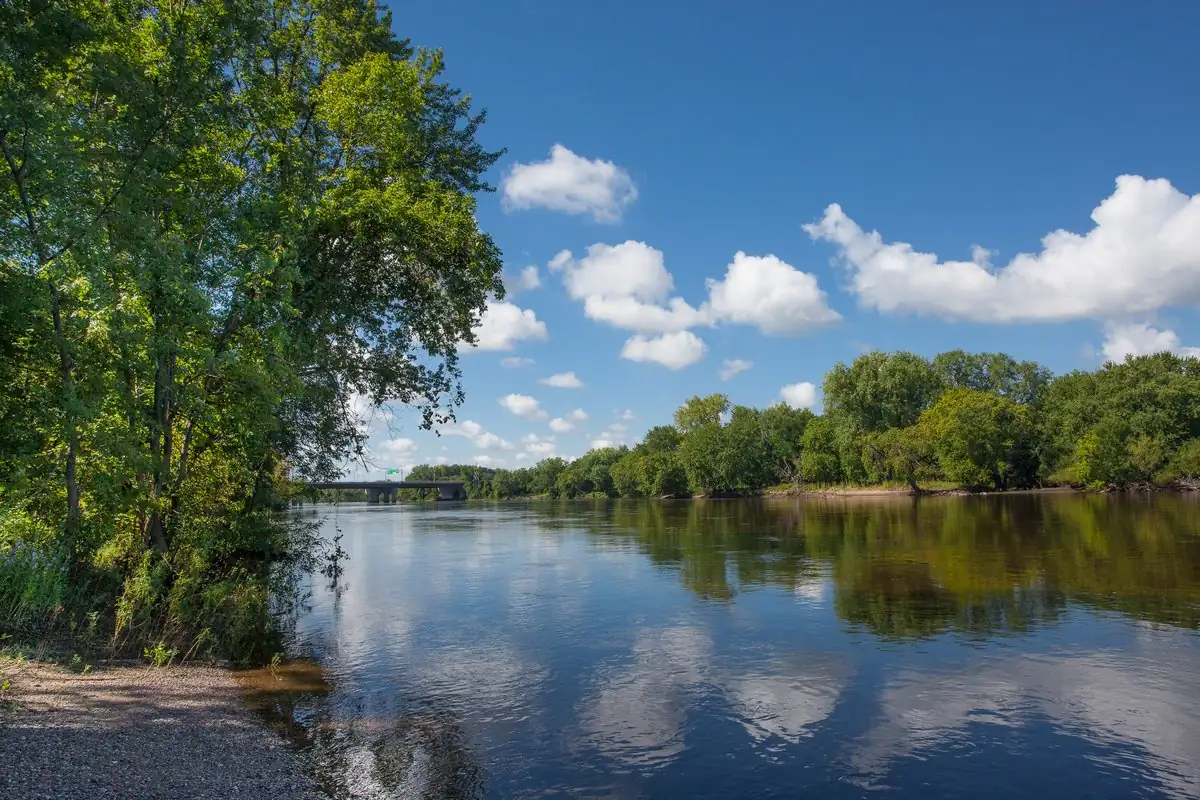
Maj. Ripley Arnold named it. In June 1849 he set up an Army post on a bluff over the Trinity River and called it Fort Worth for Gen. William Jenkins Worth, his department commander, who had died of cholera in San Antonio that May. A town grew up on the post after the Army left in 1853.
Fort Worth began in 1849 as an Army outpost that Maj. Ripley Arnold named for Gen. William Jenkins Worth, who had just died of cholera in San Antonio. The general never saw the place. He’d been dead a month by the time Arnold brought the rest of his men up to the bluff.
A new post for a dead general
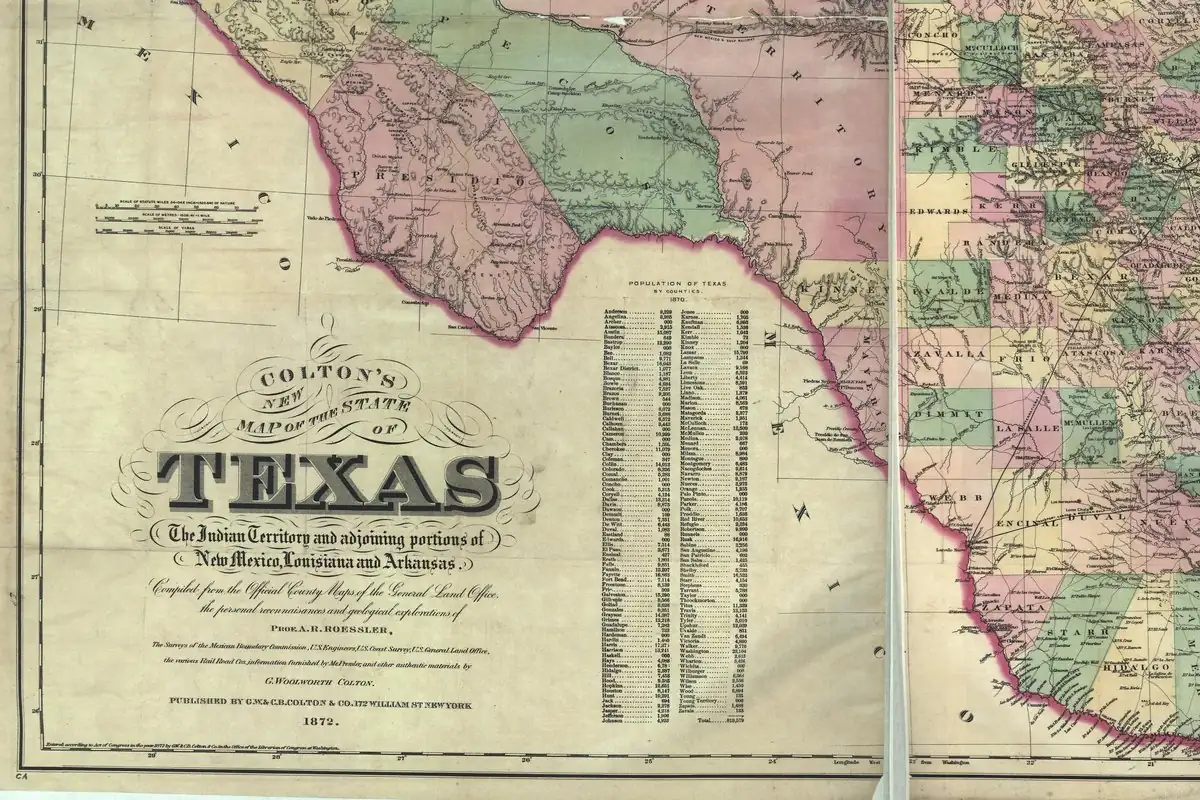
In the spring of 1849 the Army was putting up a line of small posts across Central Texas, and the one on the upper Trinity would end up the northernmost. Richard F. Selcer, writing the Handbook of Texas entry on the fort, lays out how it happened. Worth, who commanded the Army’s department in Texas from San Antonio, died of cholera on May 7. Brig. Gen. William S. Harney took over for the time being and ordered Brevet Maj. Ripley Arnold to ride north from Fort Graham on the Brazos and find a site.
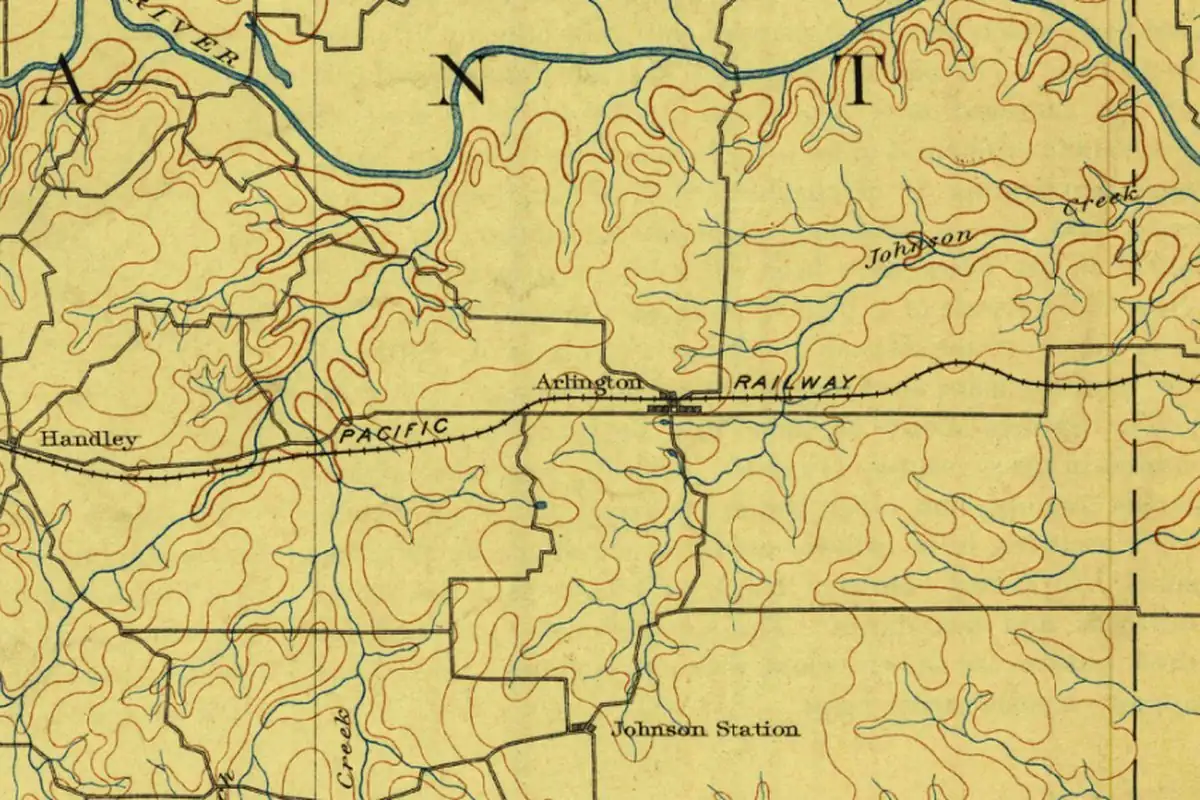
Arnold left on May 15 with about twenty troopers of Company F, Second Dragoons. On the way they stopped at Johnson’s Station, in what’s now Arlington, to pick up Middleton Tate Johnson and a few other men who knew the country. A day later they reached a bluff over the Clear Fork of the Trinity, and on May 18 they raised the flag. Arnold went back for the rest of his command and rejoined the advance party on June 6, 1849.
Then came the name. “Arnold named the post for their recently-deceased department commander William Jenkins Worth,” Selcer writes, “even though his orders had come from Brigadier General Harney.” Henry Gannett’s 1905 list of American place names had already put it in one line:
“Fort Worth; city in Tarrant County, Texas, named for General Worth, prominent in the Mexican war.”
Two years later J. A. Hamilton’s history and directory of Fort Worth, which also recorded the city’s Black businesses, churches and clubs, gave Arnold the credit by name:
“He named the post Fort Worth for General William Worth, who made the first advance against Mexico City in 1847.”
Who was William Jenkins Worth?
He was a career soldier. The Handbook’s biography by Arvin W. Turner says Worth was born in Hudson, New York, on March 1, 1794. A state marker in downtown Fort Worth, put up in 1987, sums up his career: aide to Winfield Scott in the War of 1812, badly wounded at Lundy’s Lane, commandant of cadets at West Point from 1820 to 1828, a campaign against the Seminoles in Florida in 1842. In the Mexican War he fought at Monterrey with Zachary Taylor, got a Sword of Honor from Congress and a promotion to major general, and helped take Mexico City in 1847.
He came to Texas to command the new department there and caught cholera from his own troops, Turner says. The marker adds a line you might not expect: “Although he never visited this area, a frontier post named in his honor, Fort Worth, was established here after his death.” Turner’s entry notes that the city and a large lake in Florida both carry his name.
Camp Worth or Fort Worth?
There’s a competing version, and it’s been in print for a century. In 1922 the second volume of History of Texas: Fort Worth and the Texas Northwest Edition, edited by B. B. Paddock, said this:
“The post was first called Camp Worth in honor of Brig-Gen. William Jennings Worth. It was established on the sixth day of June, 1849. On November 14, 1849, the name was changed to Fort Worth, and it was abandoned on the 17th day of September, 1853…”
If you read it closely, you’ll catch the middle name. It was Jenkins, not Jennings. Paddock’s book also says Winfield Scott sent Arnold north, while Selcer says the orders came from Harney.
Selcer flatly disagrees about the name. “Contrary to popular lore, it was never called ‘Camp Worth,’” he writes; Camp Worth was the Army’s installation at San Antonio. He says that in all of his later official correspondence Arnold called his station “Fort Worth,” never Camp Worth. The 1969 state marker splits the difference without meaning to: it says Arnold “named camp” for Worth, using the word as plain English. On Selcer’s reading of Arnold’s letters, the post was Fort Worth from the start.
From outpost to county seat
It was never much of a fort. Selcer says it had no stockade, just a rope marking the perimeter, and the only town around was Dallas, 30 miles (48 km) away. By 1853 the frontier had moved west, and on September 16 of that year Maj. Merrill led sixty dragoons out for Fort Belknap, leaving nine men to close the post. Paddock’s date is the 17th.
Settlers moved straight into the empty buildings. Janet Schmelzer’s Handbook entry on the city says they first called themselves Fort Town, to tell their village apart from the military post. In 1856 Fort Worth narrowly won a special election to take the county seat away from Birdville, amid charges of illegal voting. The legislature incorporated the town in 1873, the Texas and Pacific Railway arrived in 1876, and the cattle drives gave it the nickname “Cowtown.” The herds, says the 1969 marker, forded the Trinity below Courthouse Bluff, a block from the marker’s spot on Belknap Street. The town outgrew the fort long ago. It kept the general’s name.
Quick answers
Who named Fort Worth?
Maj. Ripley Arnold of the Second Dragoons, who set up the post in 1849. Selcer’s Handbook of Texas entry, a 1907 city history and the 1969 state marker all give him the credit.
Was Fort Worth ever called Camp Worth?
A 1922 history said so, with a name change on November 14, 1849. Selcer says no: Arnold’s official letters always called it Fort Worth, and Camp Worth was in San Antonio.
Did General Worth ever visit Fort Worth?
No. He died in San Antonio on May 7, 1849, before the post was set up, and the 1987 marker says he never visited the area.
When was Fort Worth founded?
On June 6, 1849, according to the 1969 marker. Arnold’s first party raised the flag on the bluff on May 18, and the town grew up after the Army left in 1853.
Key dates
- 1794March 1: William Jenkins Worth is born in Hudson, New York.
- 1849May 7: General Worth, commanding the Army's department in Texas, dies of cholera in San Antonio.
- 1849May 18: Maj. Ripley Arnold's dragoons raise the flag on a bluff over the Clear Fork of the Trinity.
- 1849June 6: Arnold returns with the rest of his men, the founding date on the 1969 state marker; he names the post Fort Worth.
- 1853September 16: sixty dragoons ride out for Fort Belknap, and settlers soon move into the empty post.
- 1856Fort Worth narrowly wins a special election to become the county seat of Tarrant County.
- 1873The state legislature incorporates Fort Worth.
- 1876The Texas and Pacific Railway reaches Fort Worth.
Getting there
Open Fort Worth in Google Maps
Opens in a new tab. The pin is the center of Fort Worth in the USGS place-name record.
The closest airports, Amtrak stations and intercity bus stops, measured in a straight line from the center of Fort Worth.
Airports
- Dallas-Fort Worth International (DFW) 20 mi 33 km
- Dallas Love Field (DAL) 29 mi 46 km
Amtrak trains
- Fort Worth station (FTW) 2 mi 3 km
- Cleburne station (CBR) 26 mi 42 km
Intercity buses
- FlixBus Downtown Fort Worth 2 mi 3 km
- Greyhound Ft Worth Bus Station 2 mi 3 km
Distances are as the crow flies, not by road. We don't list schedules or fares because they change; check with the airline, Amtrak or the bus company before you go. Official data (FAA commercial service airports (2025), FAA airport locations, Amtrak stations and Intercity Bus Atlas) from the FAA and the U.S. Bureau of Transportation Statistics, checked Nov 13, 2026.
Sponsored
Staying in Fort Worth?
Compare hotels in Fort Worth, Texas, on Expedia.
See hotels in Fort WorthWe may earn a commission if you buy through this link. It never changes what we write. Read our affiliate disclosure
Sponsored
Want the spooky side of Fort Worth?
The name has its story above. For the ghost stories, US Ghost Adventures runs walking ghost tours in Fort Worth.
See ghost tours in Fort WorthWe may earn a commission if you book through this link. It never changes what we write. Read our affiliate disclosure
Historical Sources & References
- Henry Gannett, The Origin of Certain Place Names in the United States (USGS, 1905), p. 130. Fort Worth “named for General Worth, prominent in the Mexican war.”
- J. A. Hamilton, History and Directory of Fort Worth (1907), p. 34. Arnold’s post of June 1849 in the river valley and the line “He named the post Fort Worth for General William Worth.”
- B. B. Paddock, ed., History of Texas: Fort Worth and the Texas Northwest Edition, vol. 2 (1922), p. 599. The Camp Worth version, the change of name on November 14, 1849, Scott as the officer who sent Arnold, and the abandonment on September 17, 1853.
- Richard F. Selcer, “Fort Worth,” Handbook of Texas Online. Harney’s orders, Arnold’s ride from Fort Graham, Johnson’s Station, the flag of May 18 and the return of June 6, 1849, the naming for Worth, the denial of Camp Worth, the rope perimeter, Dallas thirty miles off, and Merrill’s departure with sixty dragoons on September 16, 1853, leaving nine men behind.
- Janet Schmelzer, “Fort Worth, TX,” Handbook of Texas Online. Fort Town, the county seat election of 1856, incorporation in 1873, the Texas and Pacific in 1876, and “Cowtown.”
- Arvin W. Turner, “Worth, William Jenkins,” Handbook of Texas Online. Worth’s birth on March 1, 1794, his Texas command, his death from cholera on May 7, 1849, and the places named for him.
- Texas Historical Commission, “Fort Worth ‘Where the West Begins’” marker (1969). The founding on June 6, 1849, and Arnold naming the camp for his former superior officer.
- Texas Historical Commission, “General William Jenkins Worth (1794-1849)” marker (1987). Worth’s career from the War of 1812 to Mexico City, and the line that he never visited the area.
- GNIS feature 1380947 (U.S. Geological Survey). Entry 1380947, listing Fort Worth under Tarrant County.
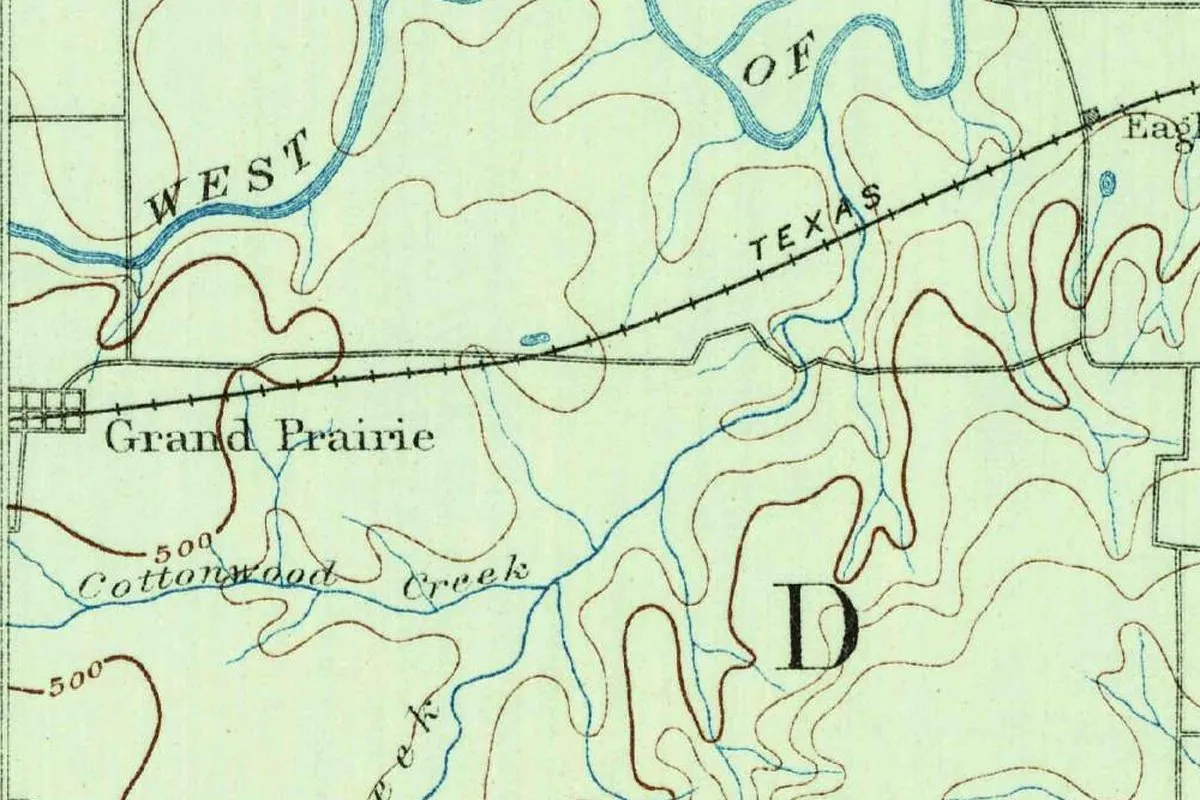
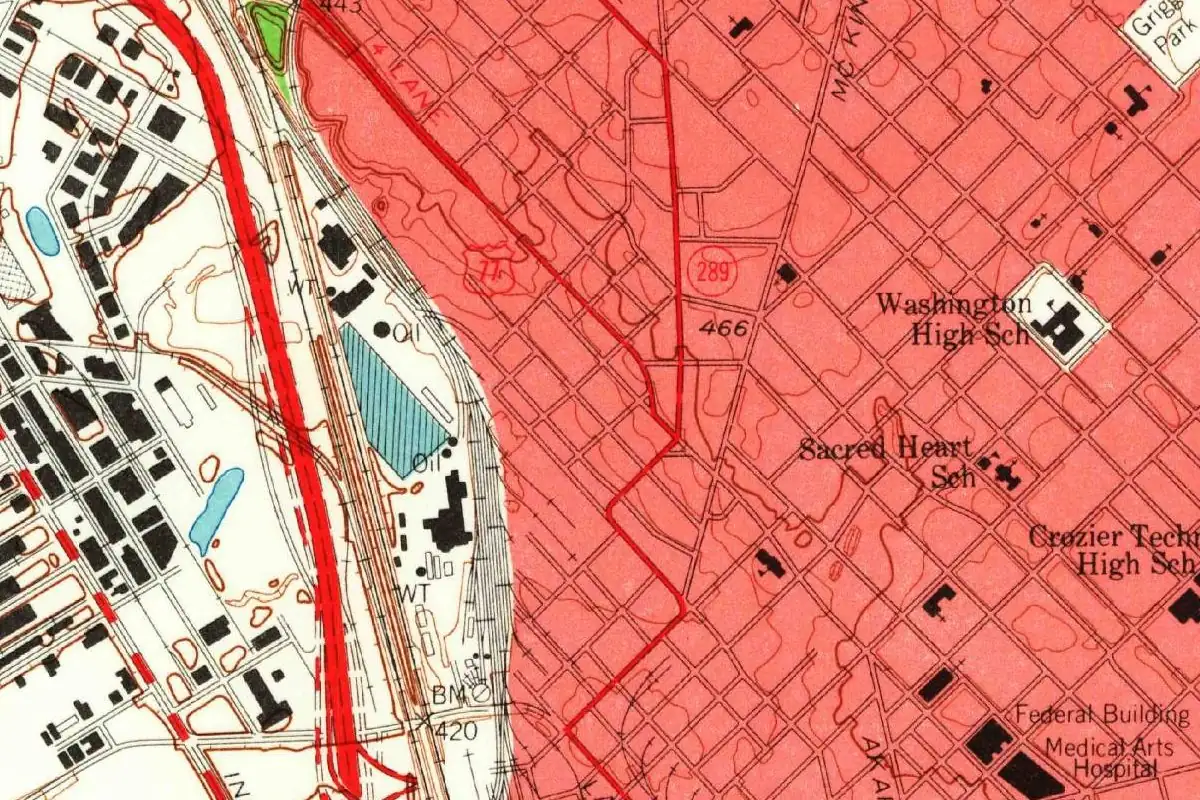
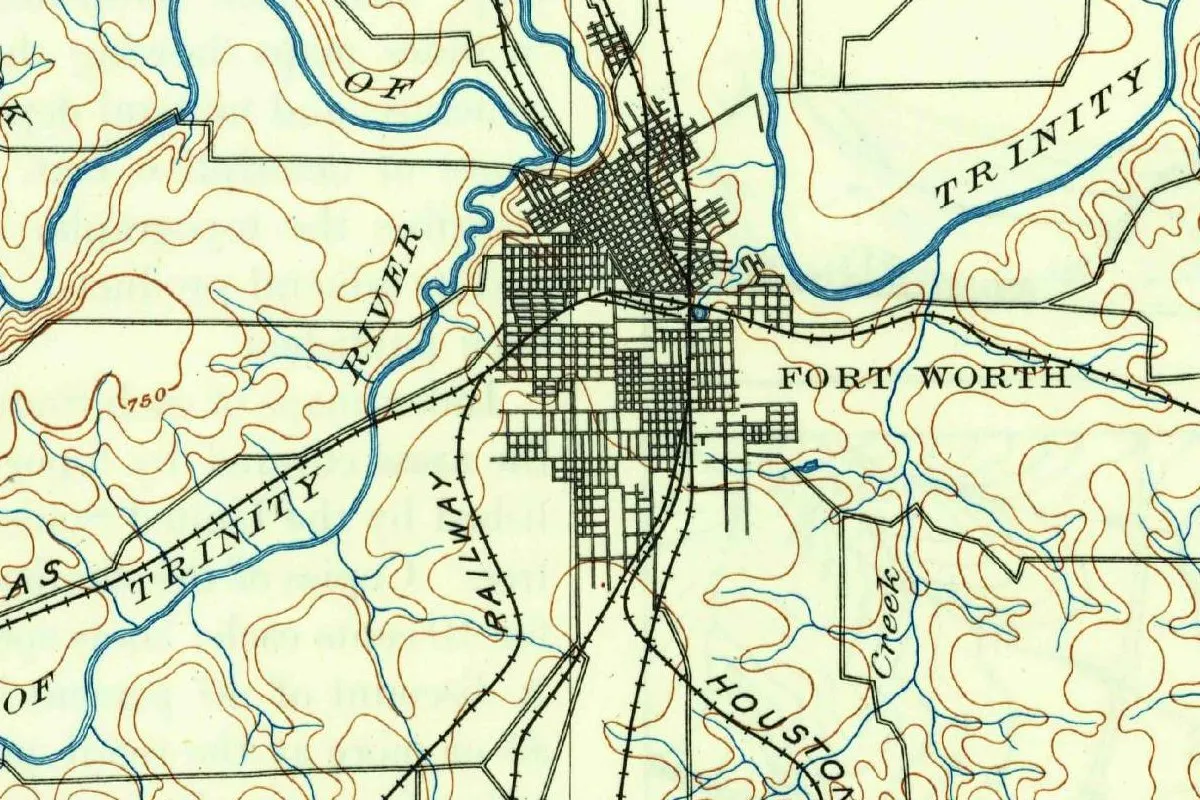
- U.S. Geological Survey, Fort Worth sheet (1:125,000), edition of January 1894, reprinted 1949. A sheet surveyed in 1889 with Henry Gannett as chief topographer, cropped to the city and the Trinity for the image at the top.
Spot something wrong, or know more? Tell us here. You can also email us or use our contact page. Corrections are noted here with their date, never made silently.