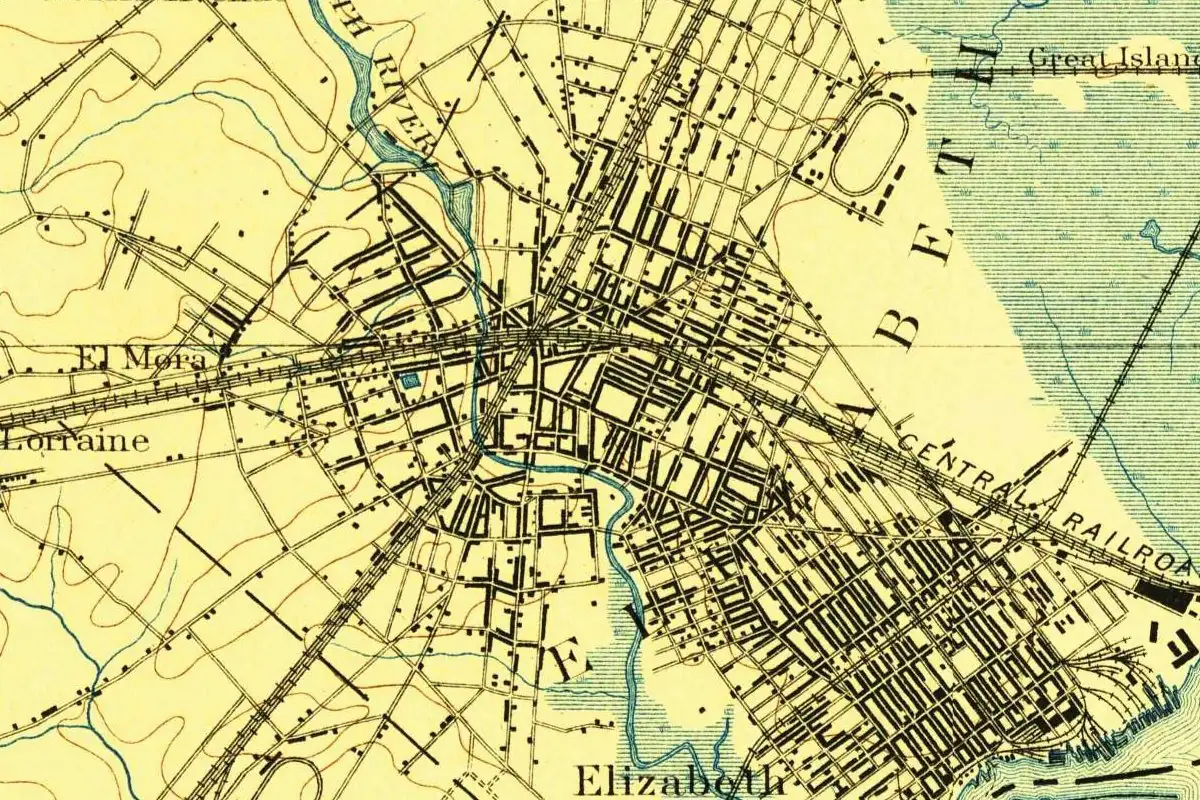
Statue of Liberty: History, Ferry and Visiting
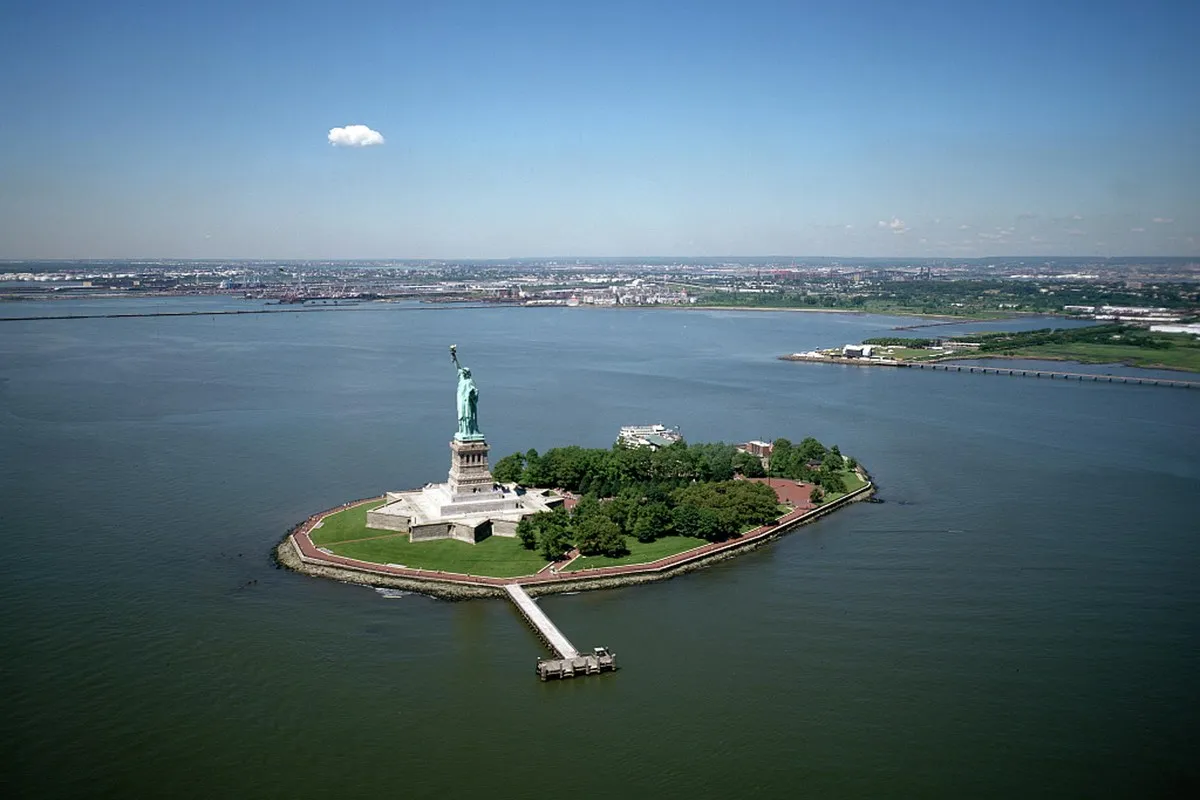
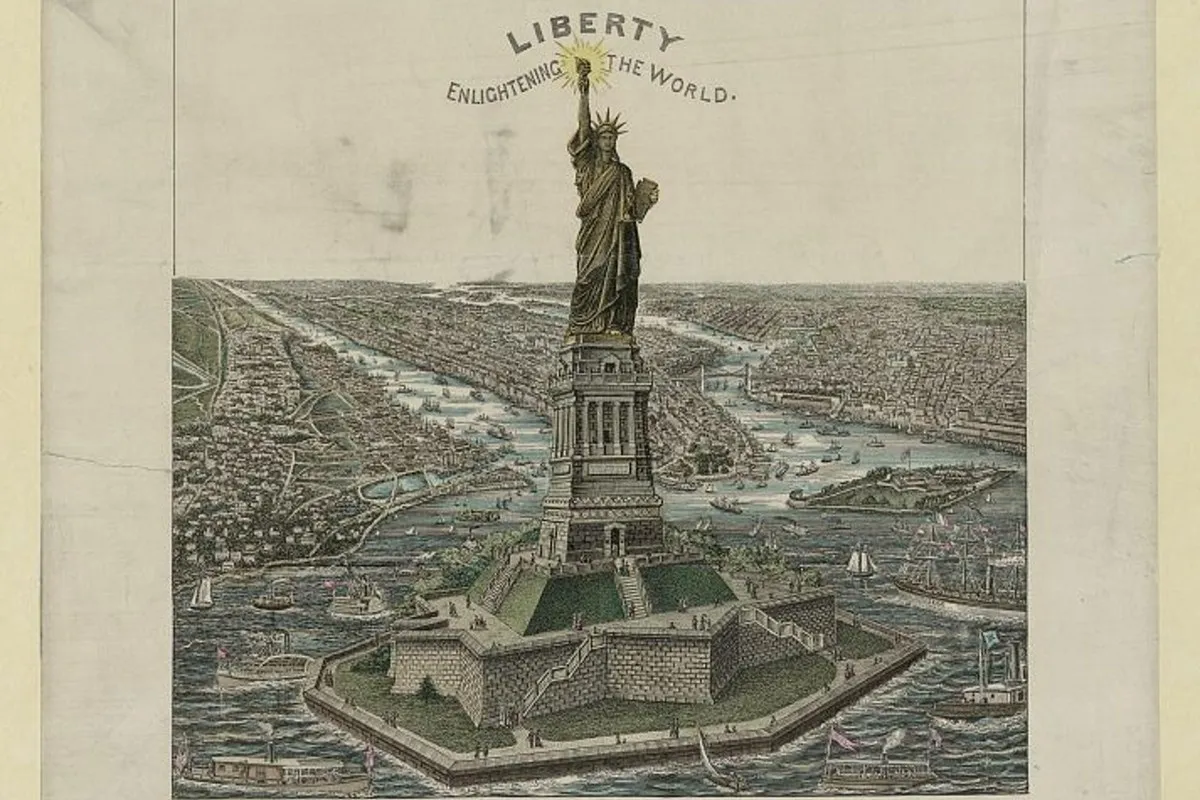
The Statue of Liberty’s sculptor gave it a longer name, Liberty Enlightening the World, and the island it stands on was called Bedloe’s Island until 1956. So when someone asks what the statue used to be called, the answer depends on whether they mean the statue or the ground under it.
The National Park Service puts the formal title plainly: Frédéric-Auguste Bartholdi named his statue La Liberté éclairant le monde, “Liberty Enlightening the World.” Statue of Liberty is the everyday name for the same figure.
Statue of Liberty History
The idea came from France. The Park Service says the French political thinker and anti-slavery activist Édouard de Laboulaye proposed a statue for the United States in 1865, to mark the centennial of American independence and the friendship between the two countries. Bartholdi took up the idea and began designing it in 1870.
The name is spelled out in what she holds. A program on PBS’s Secrets of the Dead says the copper and gold-leaf torch embodied the formal title. The Park Service reads the torch as enlightenment and points to the tablet in her left arm, inscribed “July IV, MDCCLXXVI,” for July 4, 1776. Broken shackles and chains at her feet stand for the abolition of slavery.
On a trip in 1871, Bartholdi picked Bedloe’s Island as the site, because every ship coming into New York Harbor could see it. Americans got a preview in pieces: the arm and torch went on display at the 1876 Centennial Exposition in Philadelphia, and the head and shoulders at the 1878 Paris exposition. Parisians watching the statue go up near the Parc Monceau even had a nickname for her, the Park Service’s chronology says: the “Lady of the Park.”
The pedestal was America’s job, and the money was slow to come. Joseph Pulitzer used his newspaper, The World, to shame the rich and court small donors, printing nearly every contributor’s name. By the fall of 1885, more than 120,000 people had given over $100,000. Emma Lazarus had already written “The New Colossus” on November 2, 1883, for that fundraising campaign; the sonnet is now on a plaque in the pedestal.
On October 28, 1886, in fog and rain, the statue was unveiled under its formal name, “Liberty Enlightening the World.” The pedestal sits inside the walls of Fort Wood, an 11-point star fort the Army finished on the island in 1811. President Calvin Coolidge made Fort Wood and the statue a national monument on October 15, 1924.
The island has been renamed more than once. The Park Service’s chronology says it was one of three “Oyster Islands” in the harbor, named for the shell beds that fed the Native people who lived there. Isaac Bedloe, a Dutch colonist, got ownership in 1667, and a 1670 land grant noted that he wanted to call it “Love Island.” After he died in 1673, Love Island was renamed Bedloe’s Island.
That name lasted nearly three centuries. In 1956, Congress passed a joint resolution that, according to a Park Service administrative history by Barbara Blumberg, backed plans to build an immigration museum at the statue’s base and “authorized changing the name,” turning Bedloe’s Island into Liberty Island. The resolution called the statue “the symbol of the dreams and aspirations which have drawn so many millions of immigrants to America.”
Statue of Liberty Ferry
You can’t walk or drive to the statue. The Park Service says ferries leave from The Battery in Manhattan and from Liberty State Park in New Jersey, and stop at both Liberty Island and Ellis Island. Only one company, Statue City Cruises, is authorized to sell the tickets, and its boats are the only ones that land visitors on the islands.
The Battery, by the way, has a name with its own military past: our New York City name guide traces it to gun batteries set up at the tip of Manhattan as early as the 1680s and 1690s. Everyone boarding at either dock goes through airport-style security first. The time on your ticket is when you join the security line, not a sailing time, and the Park Service warns that the wait can run an hour or more at busy times.
Visiting the Statue of Liberty
Start at the Statue of Liberty Museum on the island. The Park Service says its 26,000 square feet (about 2,400 m²) of galleries hold the statue’s original 1886 torch. An audio tour comes with the ferry ticket and covers a walk around the island, the museum and the statue’s framework atop the pedestal.
From the ground to the crown is 377 steps, the Park Service says. The statue alone is 151 feet, 1 inch (46.05 m) tall, and the pedestal adds another 154 feet (46.93 m). The park’s mailing address, 1 Ellis Island, is in Jersey City, a city whose 1820 incorporation law named it two ways, City of Jersey in the title and Jersey City in the text.
Statue of Liberty Tickets and Tours
The Park Service lists three kinds of tickets, all sold through Statue City Cruises. General admission covers the ferry, both islands and both museums, the Statue of Liberty Museum and the Ellis Island National Museum of Immigration, but not the inside of the pedestal or statue. A pedestal ticket takes you up to the observation balcony on top of the pedestal. A crown ticket includes a climb of 162 steps from the statue’s feet to the crown, with no elevator.
Pedestal and crown tickets are limited and sold online only, so the Park Service tells visitors to buy well ahead. If you want to see both islands in one day, it recommends an early ferry.
Quick answers
What Was the Statue of Liberty Originally Called?
Liberty Enlightening the World, or La Liberté éclairant le monde in French. The National Park Service says that’s the name the sculptor, Frédéric-Auguste Bartholdi, gave it.
Why Is It Called the Statue of Liberty?
Because it’s a statue of Liberty, shown as a woman holding up a torch. Its formal title, Liberty Enlightening the World, ties the name to that torch, which the Park Service says represents enlightenment.
Is the Ferry Ticket Also a Crown Ticket?
No. General admission covers the ferry and both islands’ museums but not the inside of the statue. Crown tickets are a separate, limited reservation sold online through Statue City Cruises.
Was the Island Always Named Liberty Island?
No. It was one of the “Oyster Islands,” then briefly Love Island, then Bedloe’s Island for nearly three centuries. A 1956 joint resolution of Congress authorized the change to Liberty Island.
Key dates
- 1667Isaac Bedloe, a Dutch colonist, gets ownership of one of the harbor's Oyster Islands.
- 1670A land grant notes that Bedloe wants to rename the island Love Island.
- 1865Édouard de Laboulaye proposes a statue of liberty as a gift to the United States.
- 1876The torch-bearing arm is shown at the Centennial Exposition in Philadelphia.
- 1883Emma Lazarus writes "The New Colossus" on November 2 for the pedestal fund.
- 1886On October 28, "Liberty Enlightening the World" is dedicated on Bedloe's Island.
- 1924On October 15, Fort Wood and the statue become a national monument.
- 1956A joint resolution of Congress renames Bedloe's Island as Liberty Island.
Getting there
Open Statue of Liberty in Google Maps
Opens in a new tab. The pin is an approximate point for Statue of Liberty.
The closest airports, Amtrak stations and intercity bus stops, measured in a straight line from the center of Statue of Liberty.
Airports
- Newark Liberty International (EWR) 7 mi 10 km
- Laguardia (LGA) New York 11 mi 17 km
Amtrak trains
- New York station (NYP) 5 mi 8 km
- Newark station (NWK) 7 mi 11 km
Intercity buses
- Suburban Transit Greenwich St north of Morris St 2 mi 3 km
- ShortLine Hudson Trinity Pl & Exchange Alley 2 mi 3 km
- OurBus Jersey City, NJ (Newport, 525 Washington Blvd, across from Newport PATH) 3 mi 4 km
Distances are as the crow flies, not by road. We don't list schedules or fares because they change; check with the airline, Amtrak or the bus company before you go. Official data (FAA commercial service airports (2025), FAA airport locations, Amtrak stations and Intercity Bus Atlas) from the FAA and the U.S. Bureau of Transportation Statistics, checked Nov 20, 2026.
Sponsored
Planning a visit?
Compare hotels near Statue of Liberty on Expedia.
See hotels nearbyWe may earn a commission if you buy through this link. It never changes what we write. Read our affiliate disclosure
Historical Sources & References
- National Park Service, “Statue of Liberty Facts”. The sculptor’s name for the statue, its dedication date, designers, height, steps, the tablet, torch and broken chains, and “The New Colossus.”
- National Park Service, “Liberty Island Chronology”. The Oyster Islands, Isaac Bedloe, Love Island and Bedloe’s Island, Fort Wood, the “Lady of the Park” and the 1956 renaming.
- National Park Service, “Creating the Statue of Liberty”. Laboulaye’s 1865 proposal, Bartholdi’s choice of Bedloe’s Island, the 1876 arm display and the 1886 unveiling.
- National Park Service, “Joseph Pulitzer”. The pedestal fund drive in The World.
- National Park Service, “History of the Statue of Liberty (continued)”. The 1924 national monument proclamation and the 1956 change to Liberty Island.
- Barbara Blumberg, Celebrating the Immigrant (NPS, 1985), chapter 1. The 1956 joint resolution and its wording.
- WNET, Secrets of the Dead, “The Statue of Liberty: Her Origin and Meanings”. An independent account of the formal name and the torch.
- National Park Service, “Plan Your Visit”. Ferry operator, ticket types and security screening.
- National Park Service, “Things To Do”. The museum, the original torch and the audio tour.
- Library of Congress, New York. Bartholdi “Statue of Liberty,” erected on Bedloe’s Island (1885), via Wikimedia Commons. The 1885 print on this page, with “Liberty Enlightening the World” printed above the torch.
- U.S. Geological Survey, Geographic Names Information System, “Statue of Liberty”. Official federal record of the name and location.
Spot something wrong, or know more? Tell us here. You can also email us or use our contact page. Corrections are noted here with their date, never made silently.