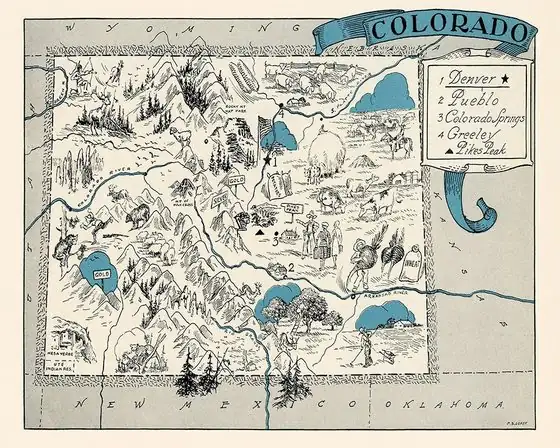
Longmont, Colorado, Took Its Name From Longs Peak
Longmont, Colorado, is named for Longs Peak, the mountain that rises directly west of town. The Chicago-Colorado Colony founded it in 1871, and an 1880 county history says the peak "suggested the name." Historian Frank Hall and Henry Gannett both read it as Long, for the explorer behind the peak's name, plus the French mont.
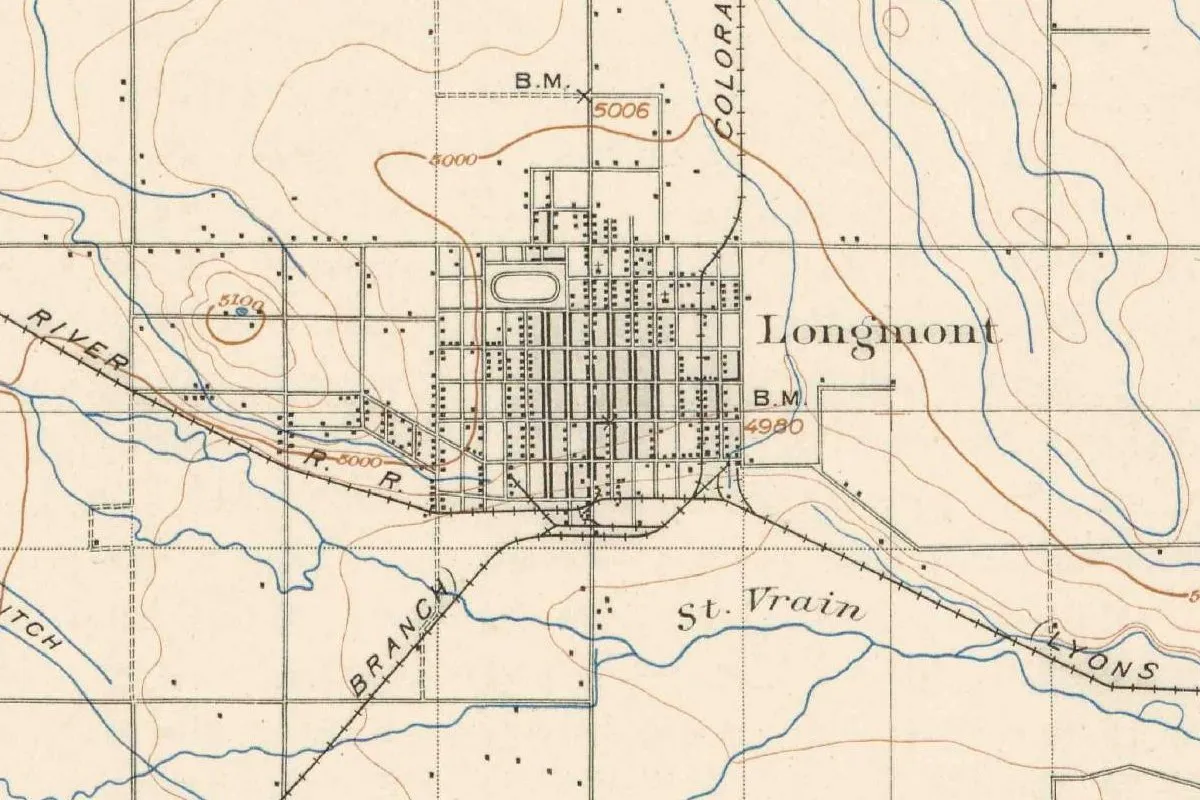
A town with streets but no name
The surveyor who started laying out Longmont, Colorado, in March 1871 was naming its streets and parks before the town itself had a name. The name it finally got came from the mountain on the western skyline: Longs Peak, which carries the name of the explorer Stephen H. Long, with the French word mont, “mountain,” tacked onto it.
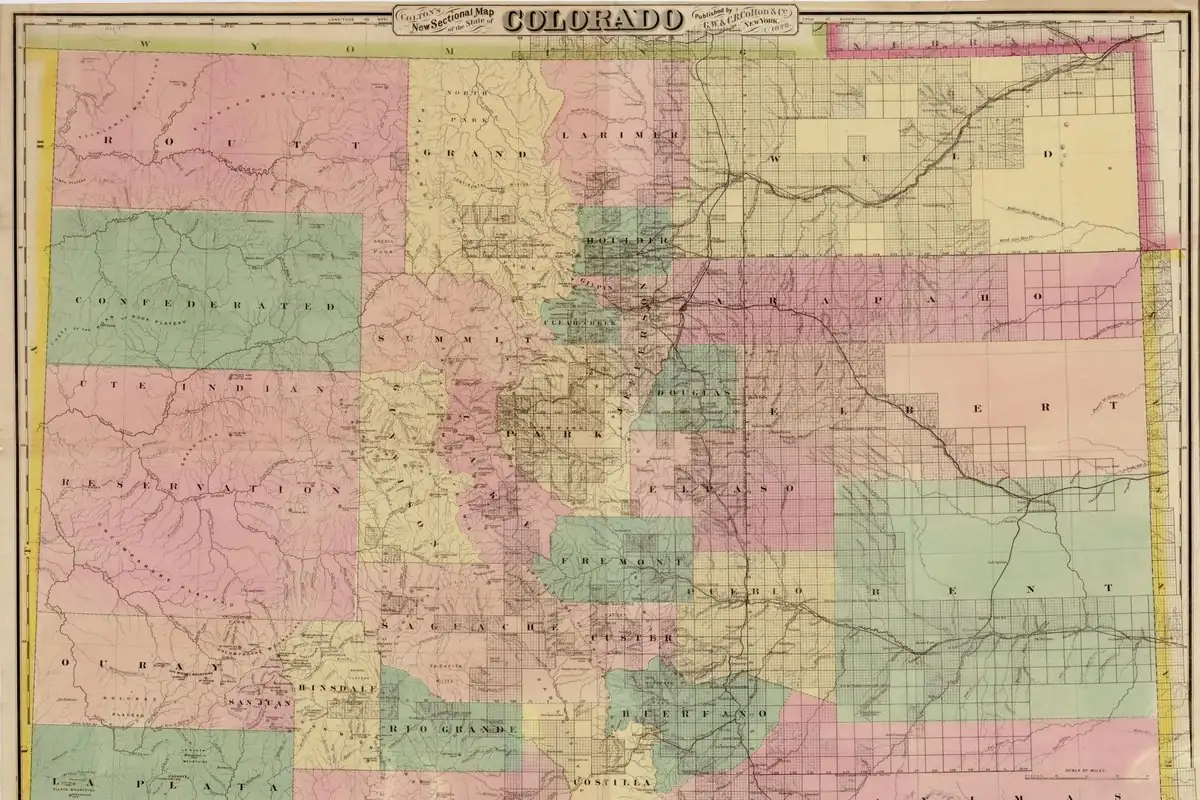
The town was a colony project, and it was planned a long way from Colorado. On February 22, 1870, people in Chicago who wanted to make new homes out West met in Farwell Hall to get a colony started. They called it the Chicago-Colorado Colony, with the Rev. Robert Collyer as president, and they sent Judge Seth Terry and Andrew Kelly to work with William N. Byers of Denver on picking the land. One look at the St. Vrain country settled it. About 30,000 acres were located or bought there for the colonists, according to an 1880 history of Boulder County.
The peak that suggested the name
On March 1, 1871, the colony’s surveyor went to work on the town site, a square mile that sloped south toward the St. Vrain River. The same 1880 history, published in Chicago by O. L. Baskin & Co., says he was “naming streets, avenues and parks” on a town that was “as yet without a name.” Then it explains what happened next:
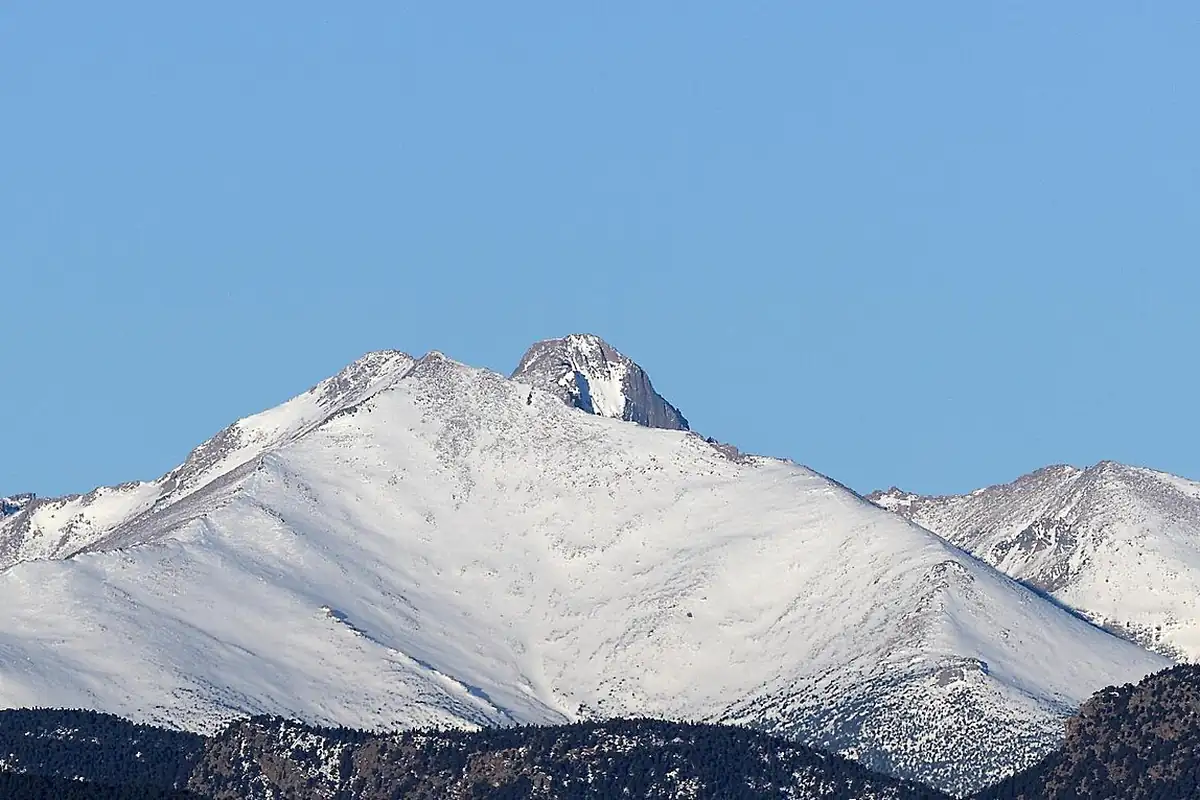
“Long’s Peak, one of the highest of the Sierra Madre Range, altitude 14,271 feet, rises majestically, directly west from the town, and this suggested the name Longmont.”
So nobody had to look far. The biggest thing on the horizon gave the town its name, and the colonists stuck a French ending on it.
The City of Longmont tells it the same way today: by the summer of 1871 the colony had built a small town “and named it ‘Longmont,’ in honor of Longs Peak, the tallest nearby mountain.” The city doesn’t say which colonist came up with the word, and neither do the 19th-century histories. If you’re hoping for a name and a date on a meeting record, you won’t find one in these sources.
Long, mont, and a slightly garbled explorer
Historian Frank Hall broke the word down in 1889, in the first volume of his History of the State of Colorado. “The name Longmont appears to be a composite,” he wrote, from Long, “in honor of the discoverer of the majestic peak under whose shadow the miniature city rests, and the French mont, or mountain.” Henry Gannett’s 1905 national guide to place names says nearly the same thing in one line: a combination of the name of the discoverer of Longs Peak and the French mont.
That leaves you with two small layers. Baskin’s history says the peak suggested the name; Hall and Gannett split it into the man and the mountain. They don’t really disagree, because the man is in the name only through the mountain. The City of Longmont says Longs Peak was named for Major Stephen H. Long, who reached the edge of the St. Vrain valley in 1820, half a century before the colony showed up. Gannett’s entry for the peak itself calls him “Capt. Stephen D. Long,” which gets both his rank and his middle initial wrong. Even the experts slipped now and then.
Burlington, the town that moved
There was already a settlement on the St. Vrain when the colonists arrived. Burlington had grown up in the 1860s around a stop where the Overland Stage crossed the river, the City of Longmont says, on the road that’s now Main Street. One of the men who’d helped start Burlington, Fred C. Beckwith, wrote to the colony’s locating committee and, by the 1880 history’s account, persuaded them to put their town right next door.
It didn’t take long for Burlington to give way. The colonists made a point of winning over the old settlers, and “the old town of Burlington was moved to the new town across the creek,” Baskin’s history says, and Hall’s 1891 volume says the small town “was merged into Longmont.” The city’s timeline adds that Burlington’s residents moved “themselves and most of the buildings” to Longmont. It puts the move at about a quarter mile; Beckwith’s biography says Burlington was half a mile from the new town. Either way, Burlington wasn’t an old name for Longmont. It was a neighbor that got absorbed.
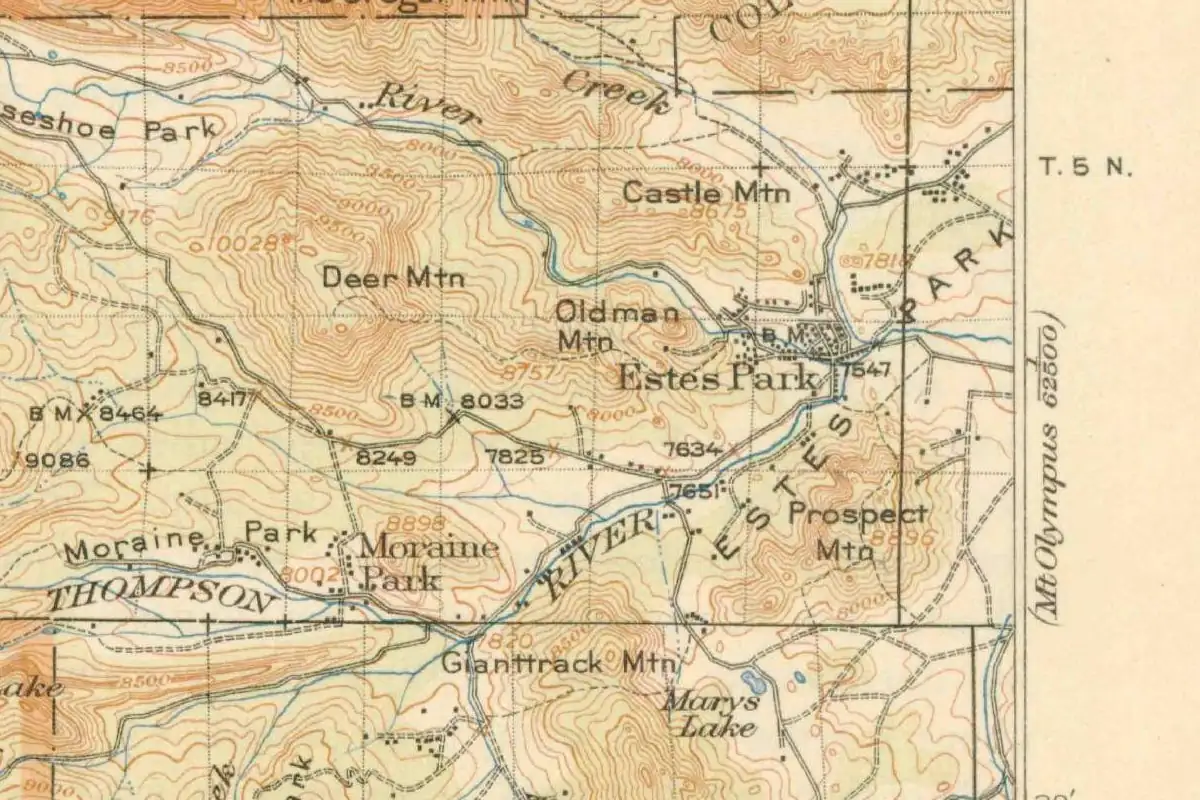
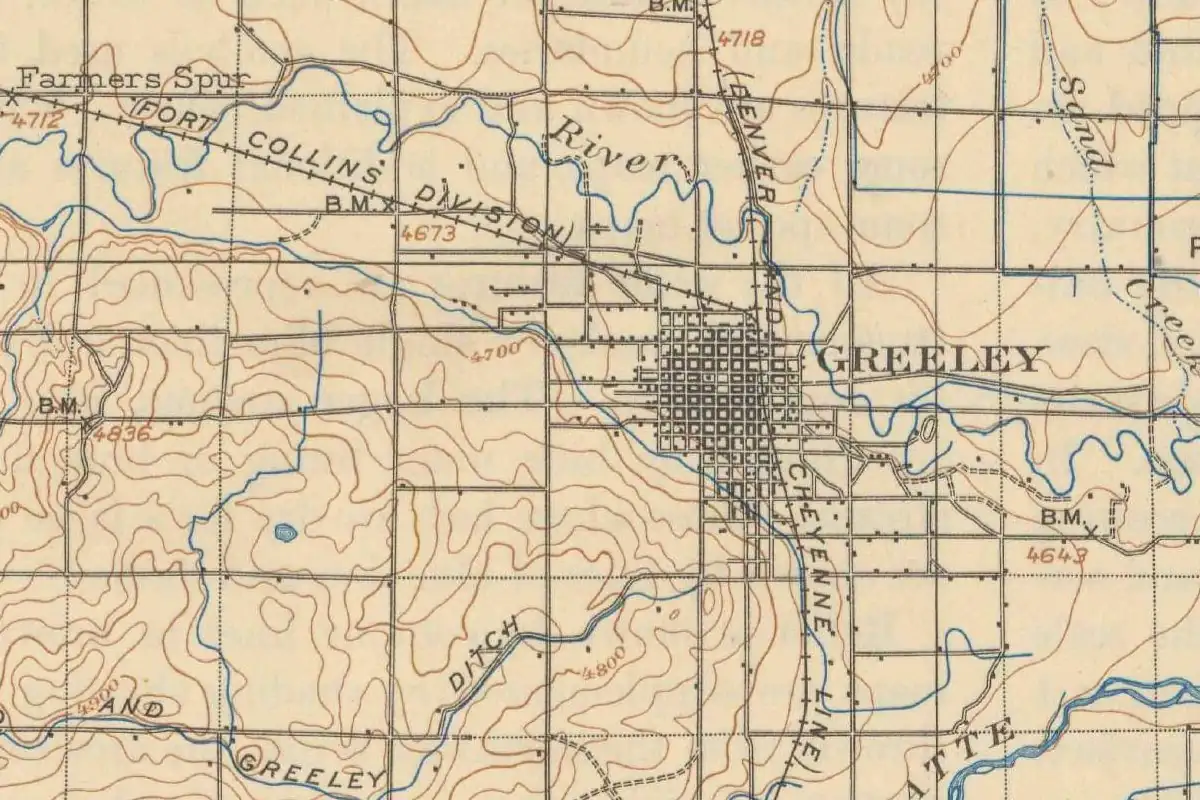
The colony borrowed ideas from another Colorado experiment. Hall says it adopted the better features of the Union Colony’s plan, the colony that founded Greeley, and he calls Greeley its “successful exemplar.” And Byers, the Denver man who helped pick Longmont’s land, turns up in another Colorado name story, up in the mountains at Estes Park.
Paperwork and a railroad
The colony’s board authorized the map of Longmont as the town’s official plat on January 30, 1872, and it was filed with the Boulder County clerk on February 26. The town was incorporated on January 7, 1873, and the Colorado Central railroad reached it that April 17, Hall writes. By 1880, Baskin’s history counted about 1,000 people inside the town limits, with Boulder 14 miles (23 km) away and Denver 55 miles (89 km) away by rail.
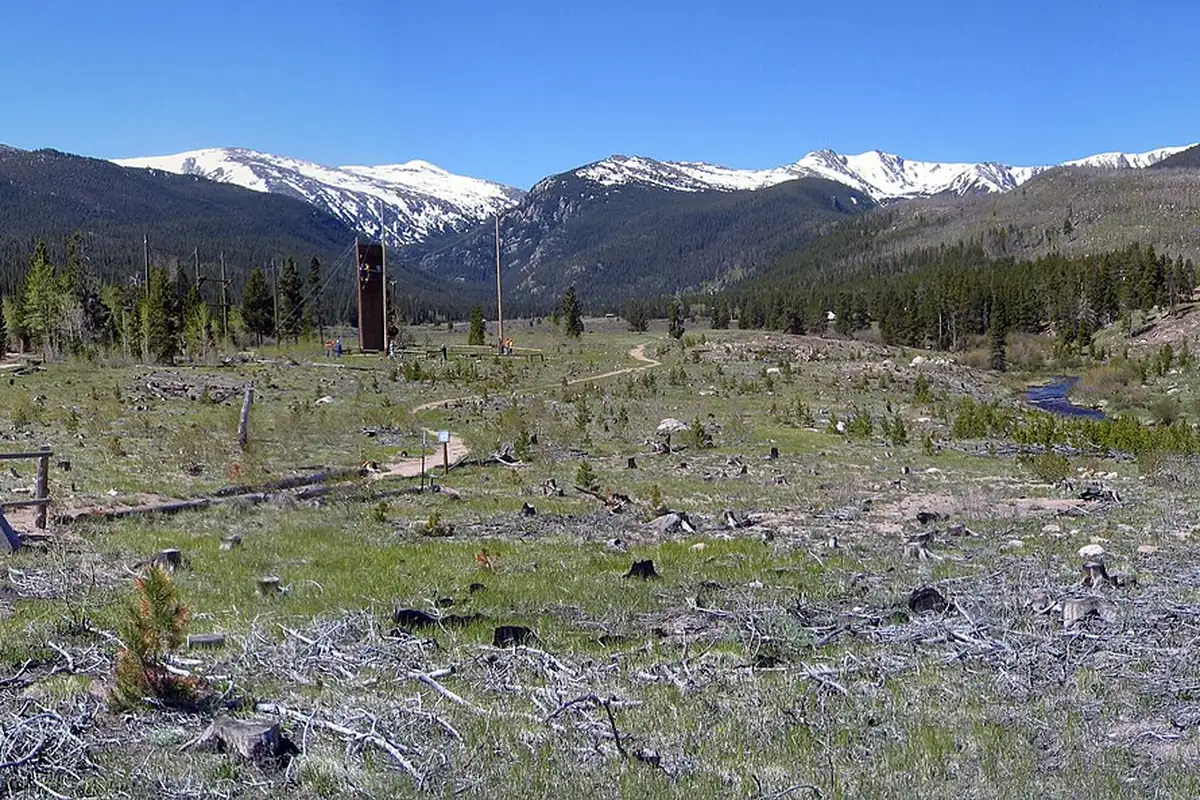
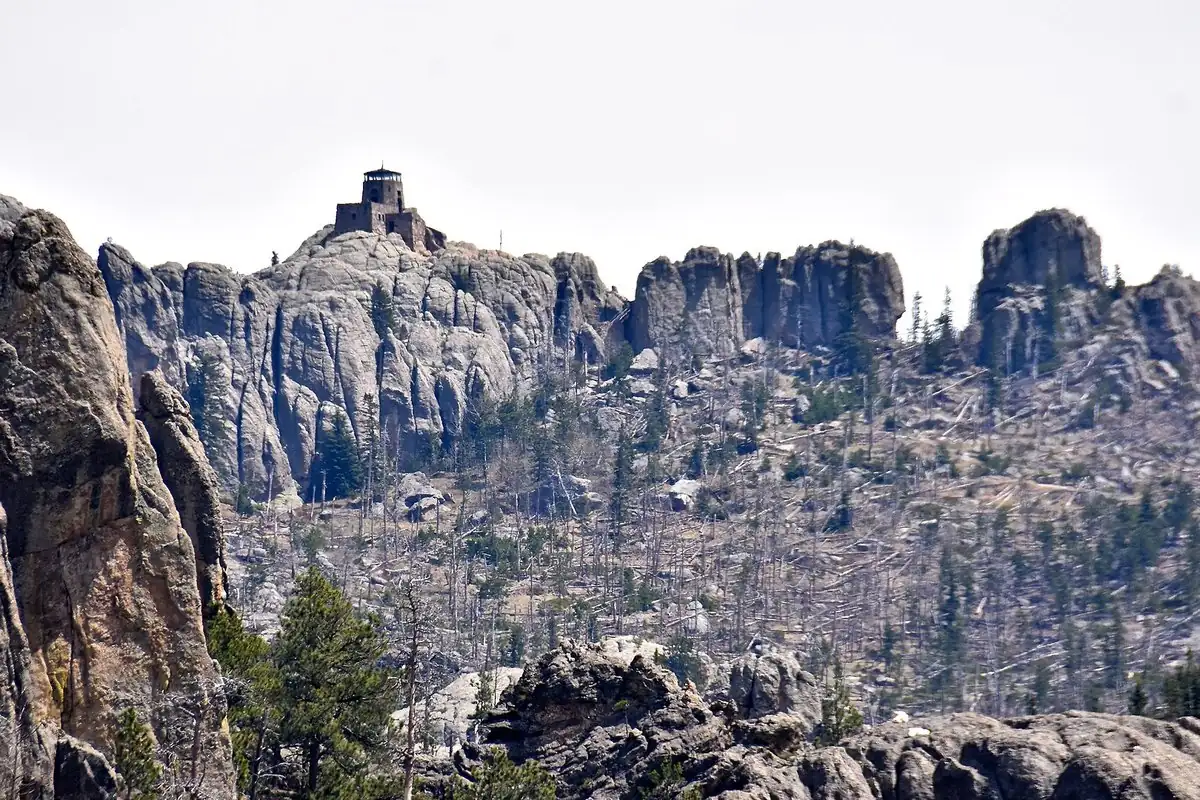
On a clear day you can still check the colonists’ reasoning for yourself. Stand anywhere on the plains around Longmont and look west: the peak that named the town is still the one you’ll notice first, as Baskin described it in 1880, rising “directly west” of the place that took its name. It’s one of the few things on that Colorado horizon that hasn’t changed since 1871.
Quick answers
Is Longmont named after Longs Peak?
Yes. An 1880 Boulder County history says Longs Peak, rising directly west of town, “suggested the name Longmont,” and the City of Longmont says the colony named it in honor of the peak.
What does the “mont” in Longmont mean?
Mountain. Frank Hall in 1889 and Henry Gannett in 1905 both describe the name as Long plus the French mont.
Was Longmont once called Burlington?
No. Burlington was a separate, older settlement on the St. Vrain. The colonists moved it to their new town, and Hall says it was merged into Longmont.
When was Longmont founded?
The colony’s surveyor started laying out the town on March 1, 1871. Longmont was incorporated on January 7, 1873.
Key dates
- 1820Major Stephen H. Long reaches the edge of the St. Vrain valley, according to the City of Longmont.
- 1870February 22: a meeting in Chicago's Farwell Hall starts the organization of the Chicago-Colorado Colony.
- 1871March 1: the colony surveyor begins laying out the town, which doesn't have a name yet.
- 1872January 30: the colony authorizes the map of Longmont to be filed as the official plat.
- 1873January 7: the town of Longmont is incorporated; the Colorado Central railroad reaches it on April 17.
Getting there
Open Longmont in Google Maps
Opens in a new tab. The pin is the center of Longmont in the USGS place-name record.
The closest airports, Amtrak stations and intercity bus stops, measured in a straight line from the center of Longmont.
Airports
- Denver International (DEN) 31 mi 50 km
- Cheyenne Regional/Jerry Olson Field (CYS) 70 mi 113 km
Amtrak trains
- Denver station (DEN) 29 mi 47 km
- Winter Park station (WPR) 40 mi 64 km
Intercity buses
- Colorado Department of Transportation Bustang · Firestone-Longmont Mobility Hub 6 mi 10 km
- Limousine Express Platteville 15 mi 24 km
- Greyhound Harmony Transfer Centre 25 mi 41 km
Distances are as the crow flies, not by road. We don't list schedules or fares because they change; check with the airline, Amtrak or the bus company before you go. Official data (FAA commercial service airports (2025), FAA airport locations, Amtrak stations and Intercity Bus Atlas) from the FAA and the U.S. Bureau of Transportation Statistics, checked Nov 13, 2026.
Sponsored
Staying in Longmont?
Compare hotels in Longmont, Colorado, on Expedia.
See hotels in LongmontWe may earn a commission if you buy through this link. It never changes what we write. Read our affiliate disclosure
Historical Sources & References
- History of Clear Creek and Boulder Valleys, Colorado (O. L. Baskin & Co., 1880), pp. 417-418. The Farwell Hall meeting of February 22, 1870, the colony’s officers and land committee, the survey begun March 1, 1871 on a town “as yet without a name,” the quotation on Longs Peak suggesting the name, the moving of Burlington, the incorporation of January 7, 1873 and the distances to Boulder and Denver. Fred C. Beckwith’s letters to the locating committee and Burlington’s half-mile distance come from his biographical sketch on p. 610 of the same book.
- Frank Hall, History of the State of Colorado, vol. 1 (1889), pp. 546-547. The name as “a composite” of Long and the French mont, and Burlington’s position next to the new town.
- Frank Hall, History of the State of Colorado, vol. 3 (1891), p. 301. The official plat of January 30, 1872 and its filing on February 26, Burlington “merged into Longmont,” the Union Colony plan and Greeley as the “successful exemplar,” the 1873 incorporation and the arrival of the Colorado Central on April 17, 1873.
- Henry Gannett, The Origin of Certain Place Names in the United States (USGS, 1905), p. 190. Longmont as a combination of the name of the discoverer of Longs Peak and the French mont, and the peak’s own entry (“named for Capt. Stephen D. Long”).
- City of Longmont, “History of Longmont”. Major Stephen H. Long at the edge of the St. Vrain valley in 1820, the Chicago-Colorado Colony of 1870 and the original one-square-mile plan, the naming “in honor of Longs Peak” by the summer of 1871, and, in the page’s timeline, Burlington at the Overland Stage crossing and its residents moving “about a quarter mile north” to Longmont.
- GNIS feature 202560 (U.S. Geological Survey). Checked for the Boulder County location; the map is centered on its listed point.
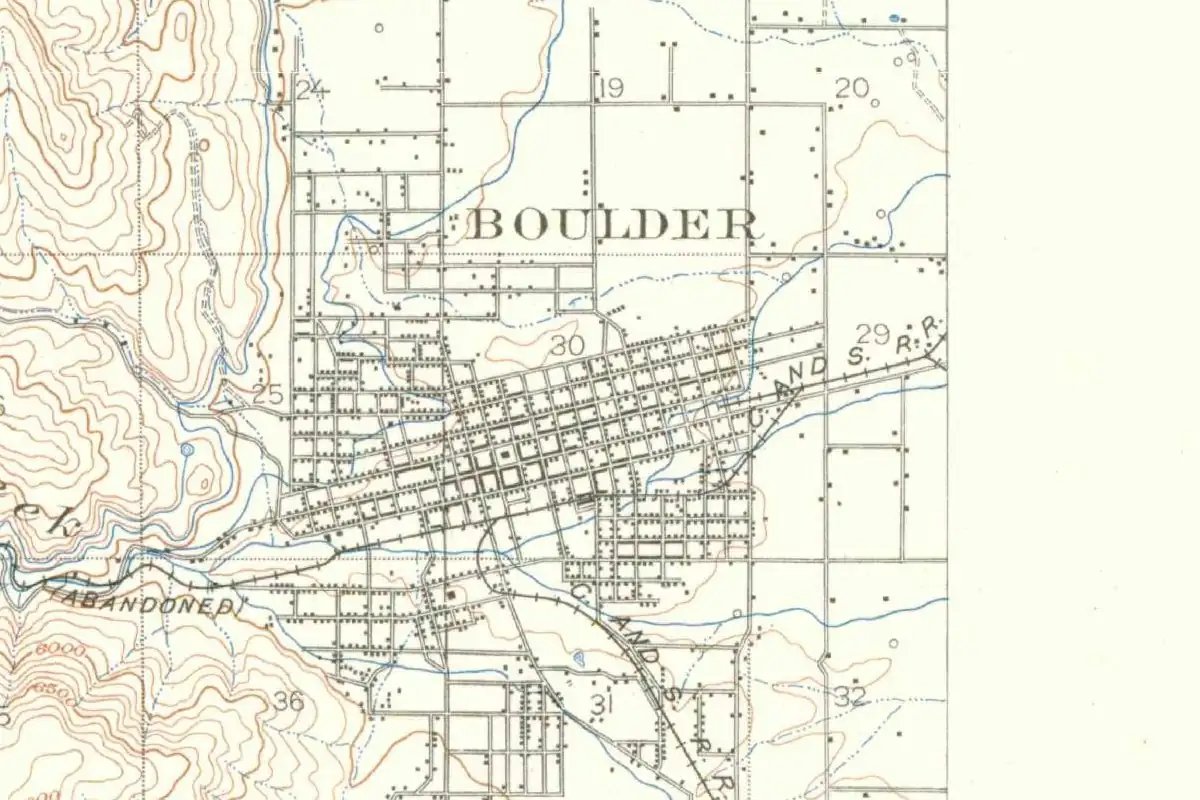
- U.S. Geological Survey, Niwot sheet (1904). The source of the map at the top of this page.
Spot something wrong, or know more? Tell us here. You can also email us or use our contact page. Corrections are noted here with their date, never made silently.