Hoover Dam: History, Boulder Dam and Visiting
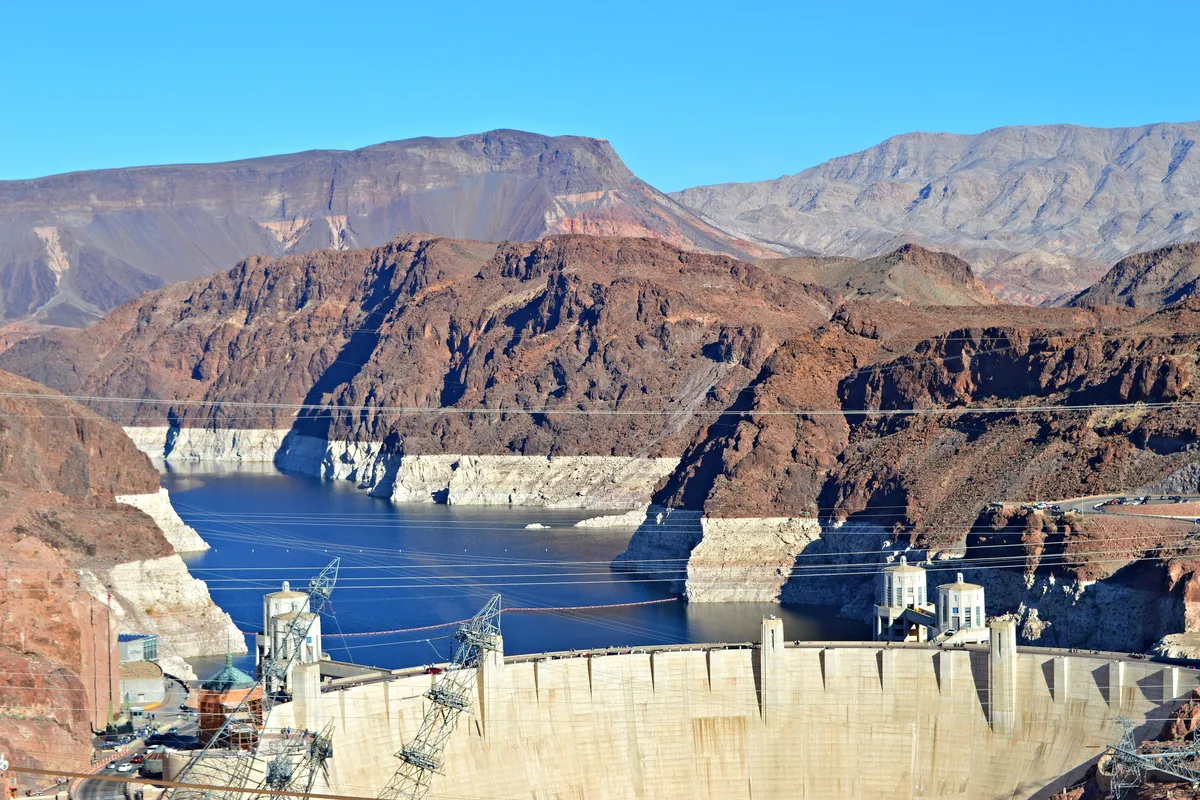
Hoover Dam carries Herbert Hoover’s name, yet from 1933 the Interior Department called it Boulder Dam, until Congress put Hoover’s name back in 1947. Neither name is quite what it seems. Hoover was a sitting president when the dam got his name, and the Boulder in Boulder Dam was a canyon the dam was never built in.
Hoover Dam History: Why the Colorado River Project Was Built
The river came first. Wm. Joe Simonds’s project history for the Bureau of Reclamation tells how the lower Colorado broke through a canal channel into California’s Imperial Valley after 1904 and ran into a low basin until early 1907, creating the Salton Sea. More floods in 1908 and 1909 made the case for a big dam that could hold the river back.
Seven states had to agree on how to split the water before anything could be built. A 1947 House resolution, which Reclamation reprints on its naming page, says Hoover, then Secretary of Commerce, sat in for the federal government at “two score meetings” of Arizona, California, Colorado, Nevada, New Mexico, Utah and Wyoming in 1922. The Colorado River Compact they signed on November 24 of that year divided the water between the upper and lower basins. In the resolution’s words, Hoover “had a major part in bringing the States into agreement.”
Then came the canyon question. Reclamation picked Black Canyon in 1924, Simonds writes, because it was easier to reach, had better rock for a foundation and less depth to bedrock, and would hold a bigger reservoir. The Boulder Canyon label stayed on the project anyway, since earlier bills had already used it. So the Boulder Canyon Project Act, which became law with Calvin Coolidge’s signature on December 21, 1928, still let the Interior Secretary pick either canyon.
When Was Hoover Dam Built?
The short answer is 1931 to 1936, though the dates depend on what you count. Bids were opened on March 4, 1931, and Six Companies, Inc., a San Francisco joint venture, won the job with a bid of $48,890,995, according to Simonds. Reclamation’s FAQ page says the builders had a seven-year deadline, counted from April 20, 1931. They didn’t need them.
Crews first had to move the river. Four diversion tunnels, each 50 feet (15 m) across once lined, carried the Colorado around the site, and water started flowing through the Arizona tunnels on November 13, 1932. Concrete pouring began on June 6, 1933, and ended on May 29, 1935. President Franklin Roosevelt dedicated the dam on September 30, 1935, and all the work was done by March 1, 1936. The first generator went on line that October 26.
The cost in people was high. Reclamation’s FAQ puts the total workforce at 21,000 men, with 3,500 on an average day and a peak of 5,218 in June 1934. Reclamation’s official count is 96 men killed at the dam site. The 112 deaths often quoted, the bureau explains, also take in deaths from before construction began and deaths away from the job, starting with two survey workers who drowned in the river in 1922. Simonds describes summer heat that reached 140 degrees (60 °C) inside the tunnels.
What they built stands 726.4 feet (221 m) from the foundation rock to the road on top, the FAQ says, and Simonds gives its length as 1,244 feet (379 m). The lake behind it got its own name in February 1936, after Elwood Mead, who had headed Reclamation as its commissioner until a heart attack killed him that January.
Boulder Dam History: Why the Same Structure Had Two Names
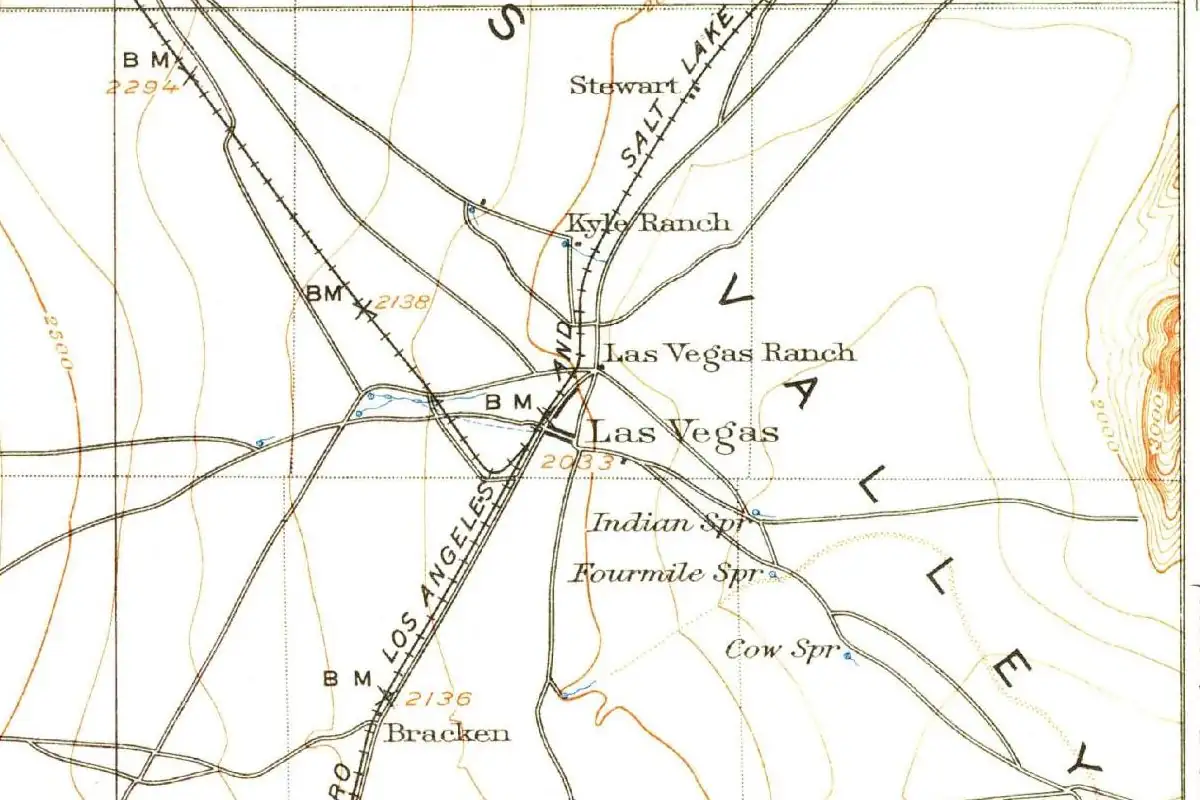
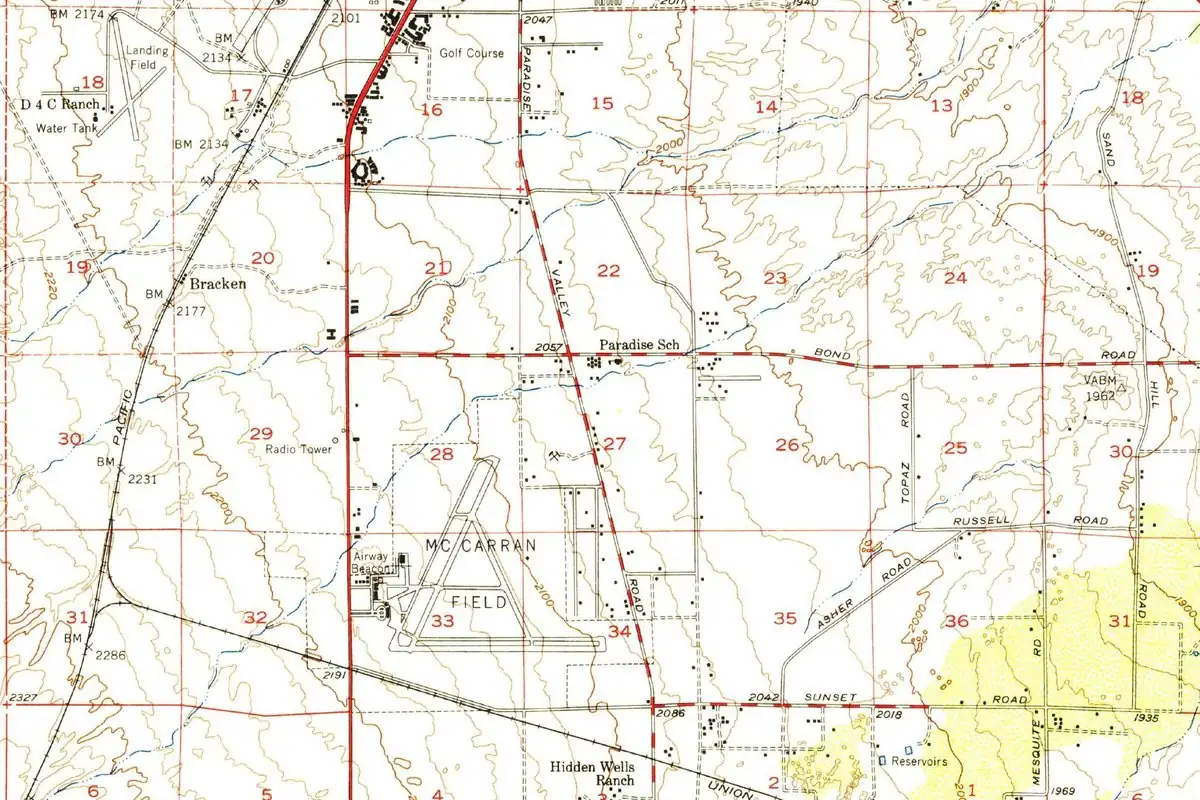
Hoover’s name went on the dam while he was still in the White House. Ray Lyman Wilbur, the Interior Secretary, gave the order in September 1930, as construction got going, Reclamation’s “What’s In A Name?” page says. Even the day is muddled: that page says September 30, while the bureau’s own magazine, as quoted in our Las Vegas names guide, reported that Wilbur named the dam at a silver-spike ceremony near Bracken on September 17. An act of Congress on February 14, 1931, made it official. The 1947 House resolution counts five acts of Congress, from 1931 to 1933, that named the dam for him.
Then the Depression turned the country against Hoover, and the administration changed. Simonds writes that in May 1933, after Roosevelt took office, the new Interior Secretary, Harold Ickes, ordered that it be called Boulder Dam from then on. Ickes argued that Wilbur had overstepped by naming the dam for a sitting president, and that people already called it Boulder Dam anyway. Reclamation’s naming page is blunter about the motive, saying the switch happened “allegedly because the new Secretary of the Interior did not like Mr. Hoover.” The 1947 House resolution put it more politely: the department avoided Hoover’s name “for reasons that need not be referred to in detail here.”
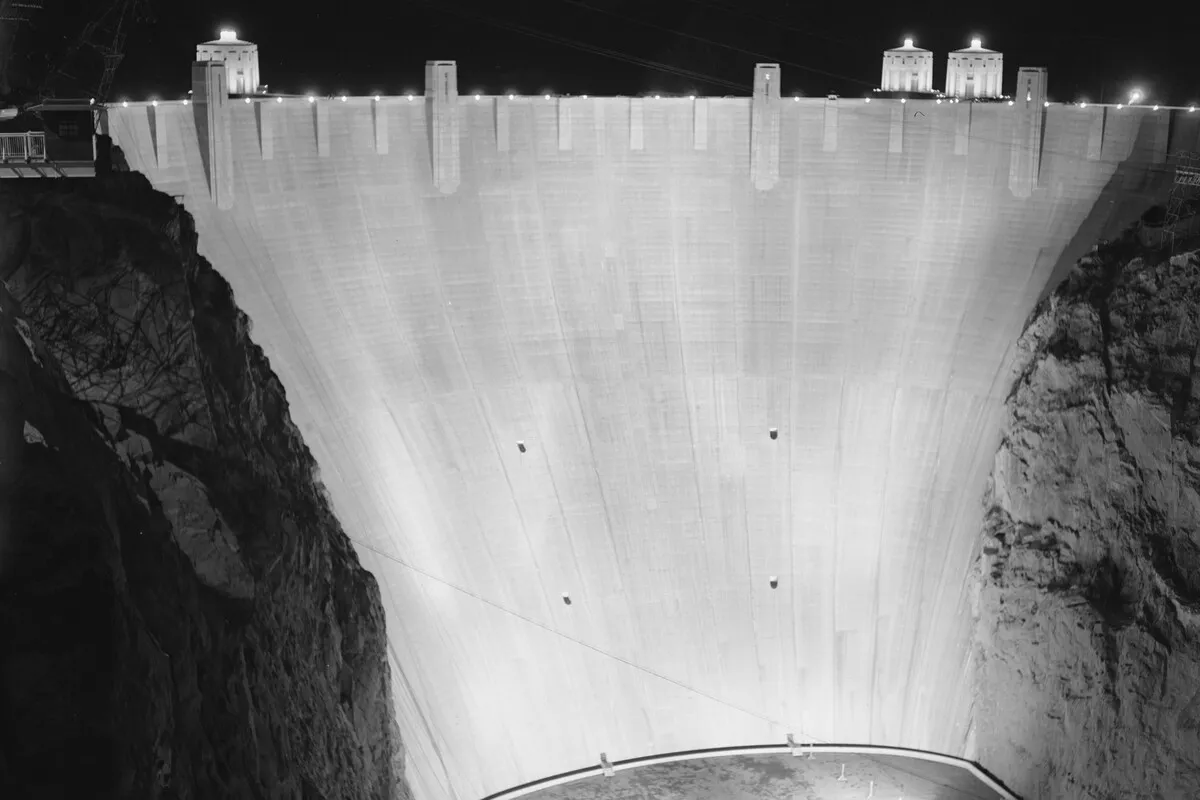
The new name stuck in everyday use. Simonds’s history calls the structure Boulder Dam all the way through the dedication. When rumors of a sabotage plot spread in January 1940, Reclamation Commissioner John Page answered them with a press release that began, “Boulder Dam is perfectly safe,” the National Archives’ journal Prologue reports. And when a supposed plot to blow up the dam turned out to be made up, the Boulder City Evening Journal of April 17, 1944, had already run the headline “Scheme to Dynamite Boulder Dam Nipped by San Diego Federals Today.” The night photo at the bottom of this page carries the same name in its Library of Congress title.
But Reclamation’s page insists the name “was never officially changed from ‘Hoover.’” Nobody had repealed the 1931 act. In 1947, the 80th Congress settled it. House Resolution 140 was introduced on March 4 and passed on March 6, the Senate passed a matching resolution on April 23, and President Harry Truman’s signature followed on April 30. The text says “the name of Hoover Dam is hereby restored,” and it tells every federal law, document or record that says Boulder Dam to be read as meaning Hoover Dam.
Visiting Hoover Dam: What You Can See
The dam sits about 35 miles (56 km) southeast of Las Vegas, on the Arizona-Nevada line, Simonds writes. You can drive across it, but not on your own terms. Reclamation’s visitor page, as it read in November 2026, says any vehicle can be searched at a checkpoint on the Nevada side, and you can’t stop on top of the dam, even to let someone out.
For a look inside, there are two guided tours. The power plant tour takes you through original construction tunnels to see generators in the Nevada powerhouse. The longer dam tour, which goes into the tunnels used to inspect the middle of the dam, is sold only on site, first come, first served. The same page says the federal recreation passes many park visitors carry aren’t accepted for the visitor center or tours, because the dam pays its own way.
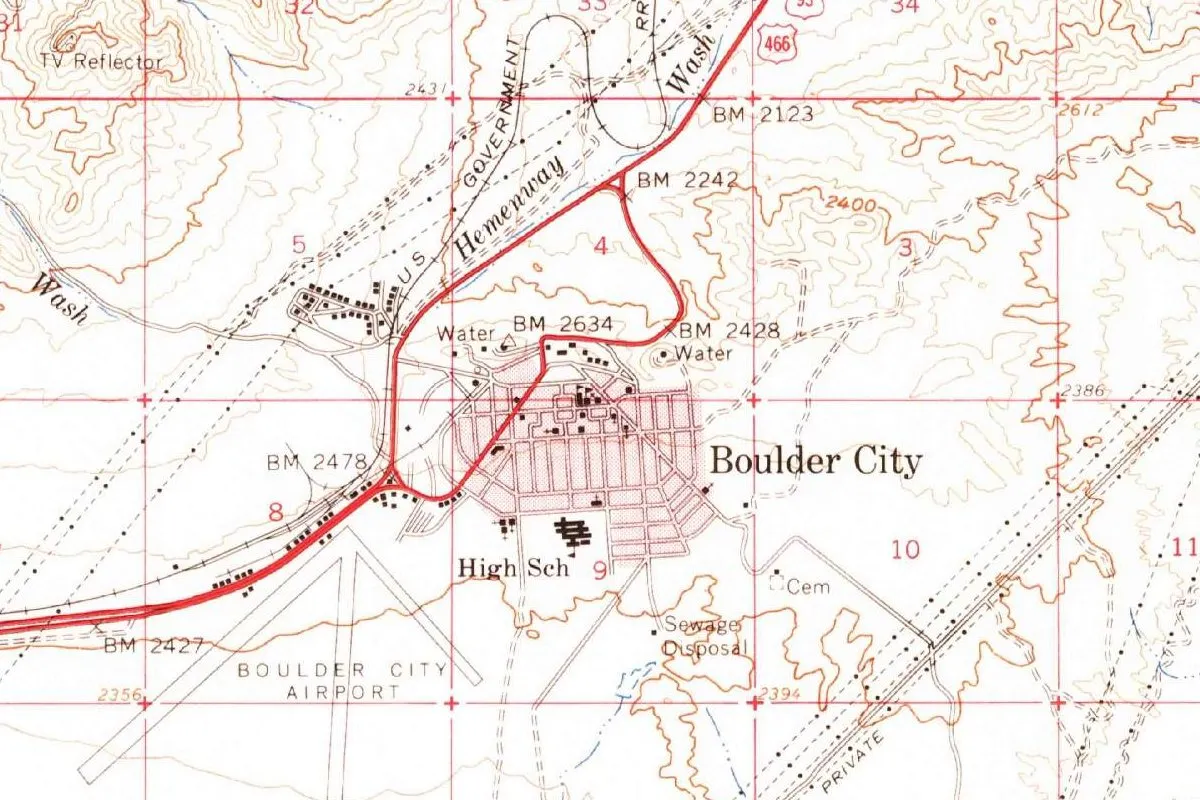
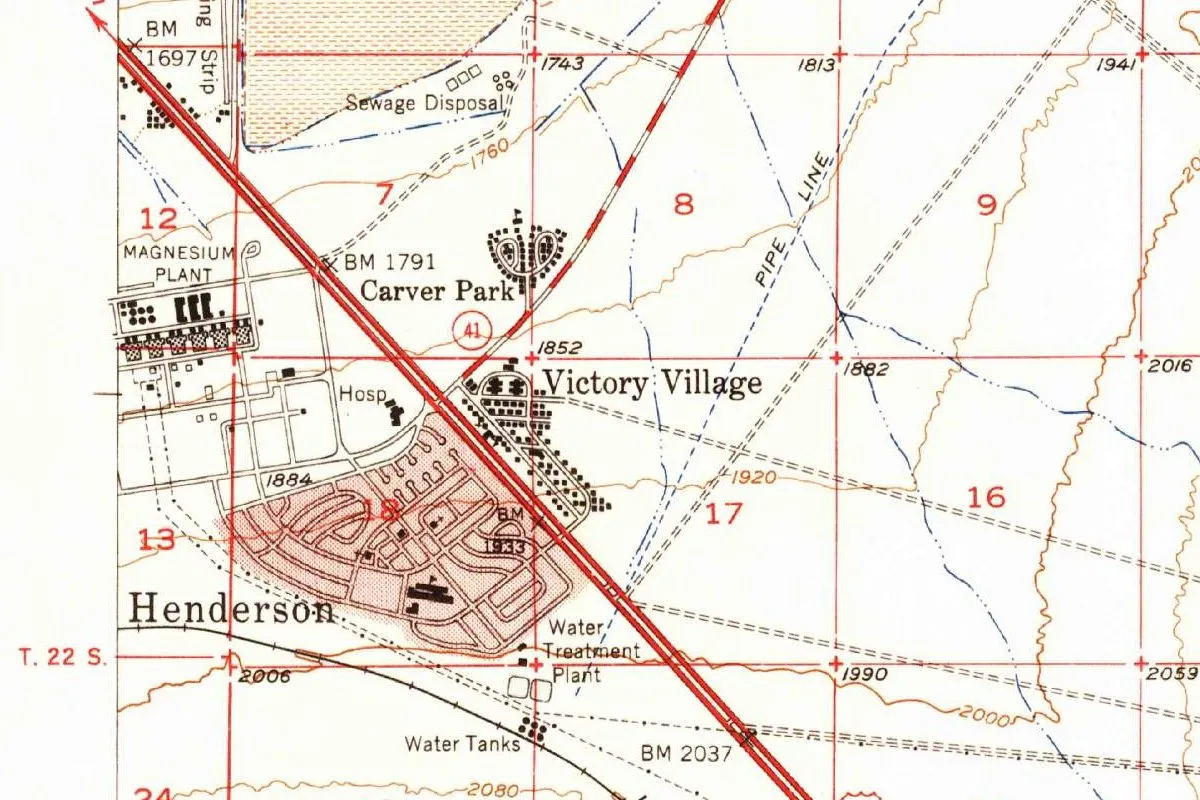
The name story is easier to see from the road into town. Boulder City, built by the government to house the dam’s workers, still carries the Boulder name, because, as its own page explains, a 1941 WPA list of Nevada place-name origins said the town was “named from Boulder Canyon north of Black Canyon.” And Simonds credits World War II with reviving the town after the crews left: a big magnesium plant opened at Henderson, which began as housing for that plant and took a former senator’s name in 1944, and many of its workers found housing in Boulder City.
Quick answers
Who is Hoover Dam named for?
Herbert Hoover. Wilbur, the Interior Secretary, gave the dam his name in 1930, when Hoover was president, and the 1947 House resolution credits Hoover with a major part in the 1922 Colorado River Compact.
When was Hoover Dam built?
From 1931 to 1936. The contract started in April 1931, concrete went in from June 1933 to May 1935, Roosevelt dedicated it in September 1935, and the work was finished in March 1936.
Was Hoover Dam called Boulder Dam?
Yes. Interior Secretary Harold Ickes ordered the name Boulder Dam in 1933, and that name was used often until 1947. Reclamation says the official name never actually changed, and a joint resolution signed by President Truman that year restored Hoover Dam.
Can visitors tour Hoover Dam?
Yes. Reclamation offers a power plant tour and a longer dam tour, and you can only buy dam tour tickets in person, at the dam.
Key dates
- 1922Commerce Secretary Herbert Hoover chairs the talks that produce the Colorado River Compact, signed November 24.
- 1928December 21: the Boulder Canyon Project Act becomes law with Calvin Coolidge's signature.
- 1930Interior Secretary Ray Lyman Wilbur orders that the dam be called Hoover Dam.
- 1931February 14: an act of Congress makes the Hoover Dam name official. Six Companies wins the construction contract.
- 1933In May, Interior Secretary Harold Ickes orders that the dam be known as Boulder Dam. The first concrete goes in on June 6.
- 1935The last concrete is placed on May 29, and President Franklin Roosevelt dedicates the dam on September 30.
- 1936The reservoir is named Lake Mead in February, and the first generating unit goes on line on October 26.
- 1947April 30: Harry Truman signs the joint resolution that gives the dam back the Hoover name.
Getting there
Open Hoover Dam in Google Maps
Opens in a new tab. The pin is an approximate point for Hoover Dam.
The closest airports, Amtrak stations and intercity bus stops, measured in a straight line from the center of Hoover Dam.
Airports
- Boulder City Municipal (BVU) 8 mi 13 km
- Harry Reid International (LAS) Las Vegas 24 mi 38 km
Amtrak trains
- Kingman station (KNG) 69 mi 111 km
- Needles station (NDL) 82 mi 131 km
Intercity buses
- FlixBus Henderson Galleria At Sunset 17 mi 28 km
- Salt Lake Express Las Vegas (Airport) 23 mi 38 km
- Vegas Airporter Amtrak Connecting Service · Harry Reid International Airport (Amtrak bus stop) 23 mi 38 km
Distances are as the crow flies, not by road. We don't list schedules or fares because they change; check with the airline, Amtrak or the bus company before you go. Official data (FAA commercial service airports (2025), FAA airport locations, Amtrak stations and Intercity Bus Atlas) from the FAA and the U.S. Bureau of Transportation Statistics, checked Nov 21, 2026.
Sponsored
Planning a visit?
Compare hotels near Hoover Dam on Expedia.
See hotels nearbyWe may earn a commission if you buy through this link. It never changes what we write. Read our affiliate disclosure
Historical Sources & References
- Bureau of Reclamation, “What’s In A Name?”: Wilbur’s order, dated September 30, 1930; the February 14, 1931, act; “allegedly because the new Secretary of the Interior did not like Mr. Hoover”; “never officially changed”; the full text of House Resolution 140 of 1947 (the Colorado River Compact talks, the 1928 act, the five acts naming the dam) and of the resolution Truman signed on April 30, 1947.
- Wm. Joe Simonds, “The Boulder Canyon Project: Hoover Dam”: the floods that ran into the Imperial Valley until 1907 and the Salton Sea; why Black Canyon won in 1924 and why the Boulder Canyon name stayed; the 1928 act; Six Companies’ bid; the diversion of November 13, 1932; the first concrete of June 6, 1933; the heat in the tunnels; the dedication of September 30, 1935; Lake Mead named for Elwood Mead; Ickes’s order of May 1933; the wartime magnesium plant at Henderson and the workers who lived in Boulder City.
- Bureau of Reclamation, “Hoover Dam: Frequently Asked Questions and Answers”: the height of 726.4 feet; concrete placed from June 6, 1933, to May 29, 1935; the seven-year contract from April 20, 1931, and completion by March 1, 1936; 21,000 workers, 3,500 a day on average and 5,218 at the peak.
- Christine Pfaff, “Safeguarding Hoover Dam during World War II,” Prologue: John Page’s statement of January 9, 1940, “Boulder Dam is perfectly safe”; the Boulder City Evening Journal headline of April 17, 1944; why documents of the period say Boulder Dam.
- Bureau of Reclamation, “Hoover Dam” visitor page: the two guided tours, dam tour tickets sold only on site, the Nevada security checkpoint, no stopping on the dam, and interagency passes not accepted (as of November 2026).
- Bureau of Reclamation, “Fatalities at Hoover Dam”: the official count of 96 deaths at the dam site, and why the figure of 112 is higher (the 1922 drownings and deaths away from the job).
- Arthur Rothstein, “Boulder Dam. Nevada” (1940), Library of Congress: the Farm Security Administration photo at the bottom of this page.
- GNIS feature 5928, Hoover Dam: the federal identifier for the dam.
Spot something wrong, or know more? Tell us here. You can also email us or use our contact page. Corrections are noted here with their date, never made silently.