Bryce Canyon: Named for a Settler Who Left in 1880
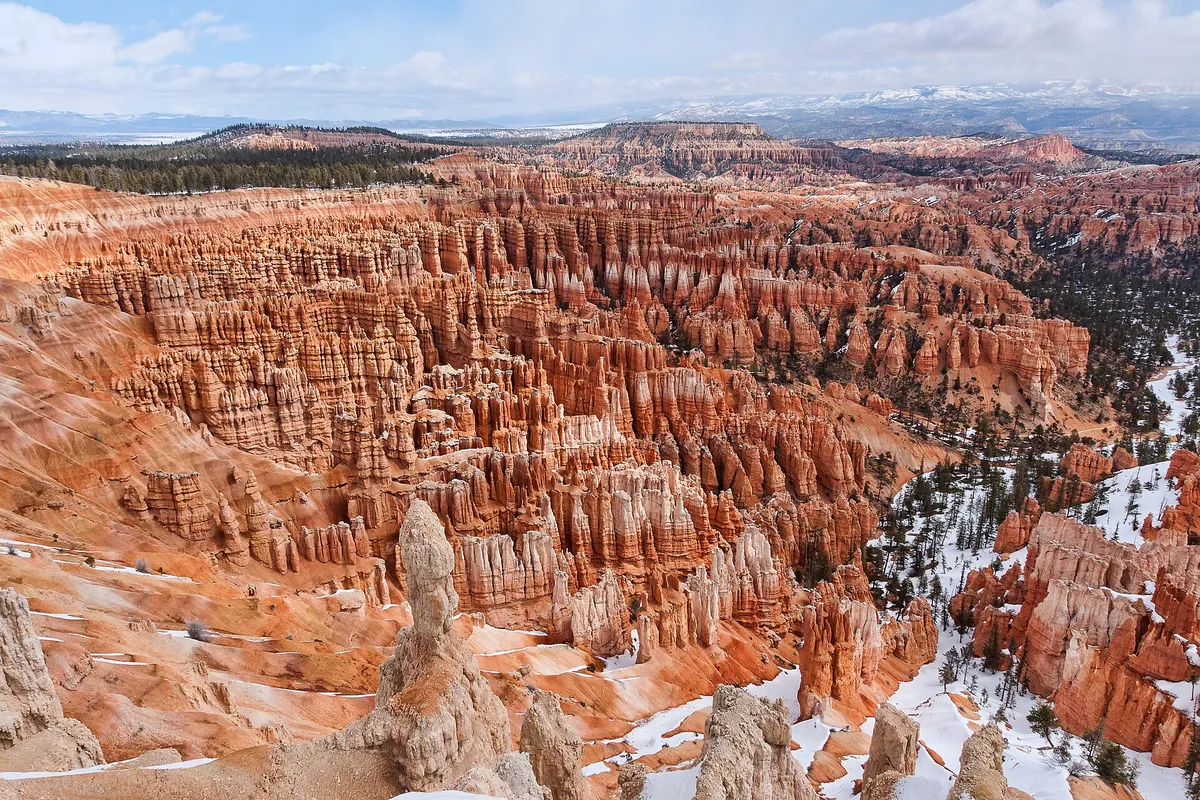
Bryce Canyon is named for Ebenezer Bryce, a Mormon settler who built a timber road into its cliffs and then moved to Arizona in 1880. His name stayed behind. Twice it nearly didn’t: Utah lawmakers once asked for a “Temple of the Gods,” and Congress actually passed a law calling the place “Utah National Park.”
Ebenezer Bryce, the Settler Behind the Name
Bryce came to the upper Paria Valley, below the Pink Cliffs, in the 1870s. The Park Service’s history page puts his family’s arrival at Clifton in 1875, and Nicholas Scrattish’s 1985 historic resource study for the park says 1875 or 1876. They soon moved a little way upstream, to Henderson Valley, also called New Clifton. According to Scrattish, Bryce had come to the valley in the first place for the sake of his wife, whose health was poor.
He worked like any homesteader there. Scrattish says that between 1878 and 1880, with Daniel Goulding and others, he dug an irrigation ditch 7 miles (11 km) long from Paria Creek. He also built a road up into the cliffs so people could get at the timber and firewood. Neighbors used that road, and the bowl of rock where it ended became, in local talk, “Bryce’s Canyon.”
Then he left. The Bryces moved to Arizona in 1880, and as the Park Service points out, the name stuck anyway. As for Bryce’s own verdict on the place, the park’s “A Pioneer Story” page says he “reportedly” called it “a hell of a place to lose a cow.” That word “reportedly” matters: it’s a family-and-local tradition, and the page doesn’t name anyone who wrote it down at the time. Once you’ve looked down into the hoodoos, though, you’ll see why the line has lasted.
Bryce Canyon History
The name went official by a roundabout route. Linda King Newell’s history of Piute County, published online by the Utah Division of State History, describes how a Forest Service supervisor, J. W. Humphrey, saw the canyon in 1915 and set about getting photographs of it in front of officials. On March 13, 1919, the Utah Legislature sent Congress a joint memorial asking it to protect an area “embracing ‘Bryce’s Canyon’” as the “Temple of the Gods National Monument.” Congress didn’t go for that name.
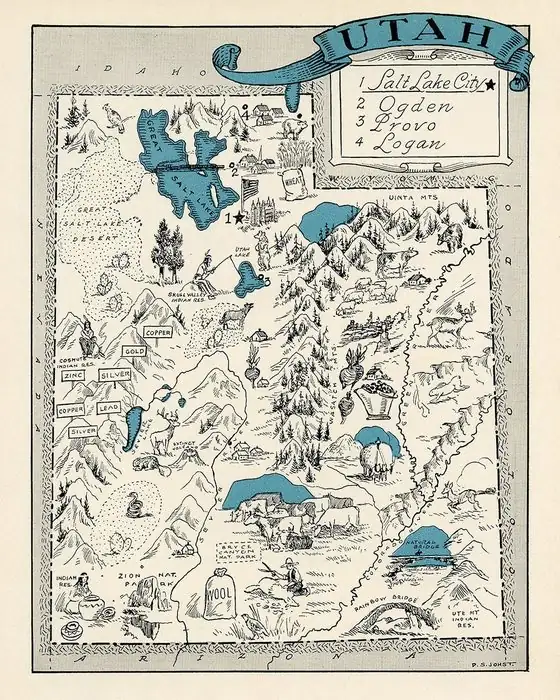
The first federal status came on June 8, 1923, when President Warren G. Harding made it a national monument. Then came the odd turn. According to Scrattish, a law of June 7, 1924, set up a “Utah National Park” on the same land, but it wouldn’t take effect until all of the land inside belonged to the United States. Utah’s governor, George H. Dern, pushed back, and Scrattish lists his reasons: the Union Pacific Railroad had already spent money advertising Bryce Canyon, “Utah National Park” meant nothing locally, and it made it sound as if Utah had only one park. Senator Reed Smoot’s bill to change the name became law on February 25, 1928, and made Bryce Canyon National Park official.
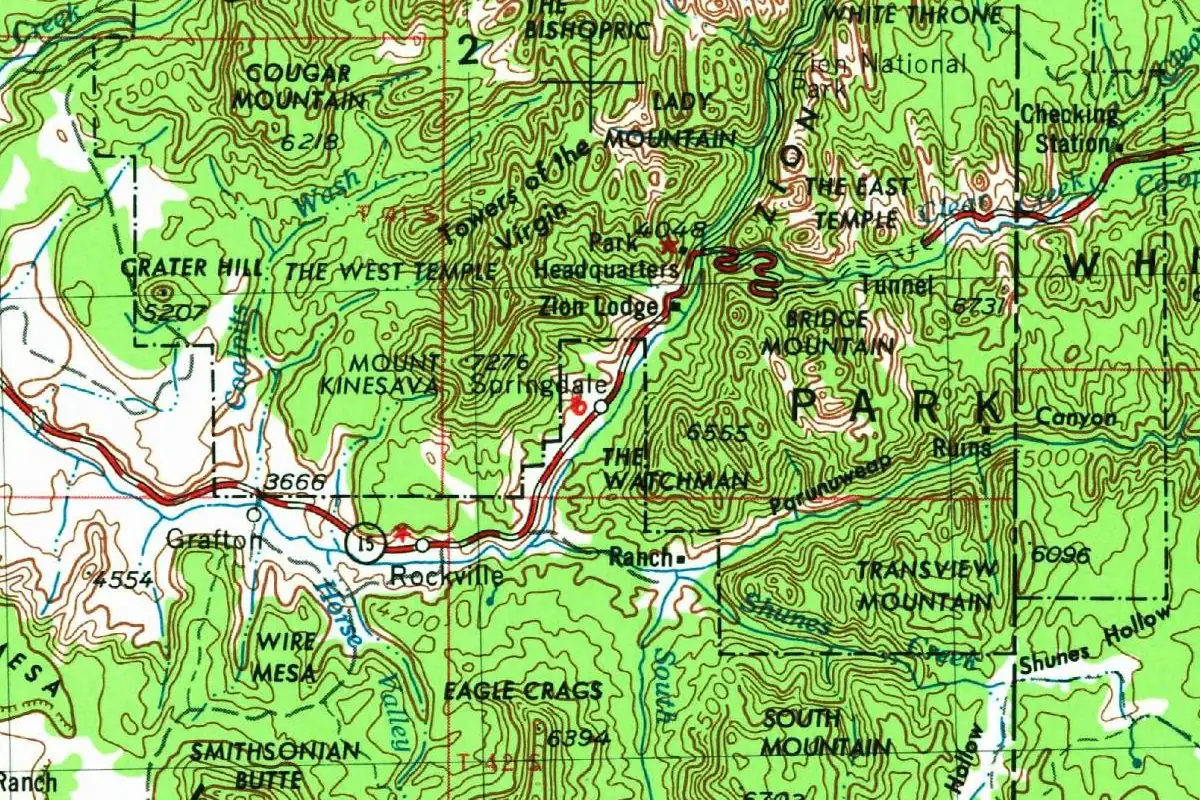
Zion Canyon went through a similar fight: the government’s Paiute name, Mukuntuweap, lasted on a national monument from 1909 until 1918, when the settlers’ “Zion” won out. In both places, the name locals already used beat the one on paper.
Names older than Bryce’s exist too, and they need care. Scrattish records that in 1936 a Paiute elder known as Indian Dick told a park naturalist the legend of the Legend People turned to stone by Coyote, and called the place Angka-ku-wass-a-wits, which his nephew translated as “red painted faces.” A longer name, “Unka-timpe-wa-wince-pock-ich,” often turns up in print as what the Paiutes called the place. But according to Scrattish, Indian Dick said the Paiutes never called it that, and another Paiute, Toney Tillohash, said the phrase could serve as a description, though word for word it meant “red-rocks-many-standing-holes.”
The first thing to know is that it isn’t really a canyon. The Park Service’s history page quotes the park’s study: “The park is not a canyon.” It’s a row of a dozen-plus amphitheaters cut into the Paunsaugunt Plateau’s eastern rim. The park covers 35,835 acres (14,502 ha), the size it reached with two proclamations by President Herbert Hoover in 1931.
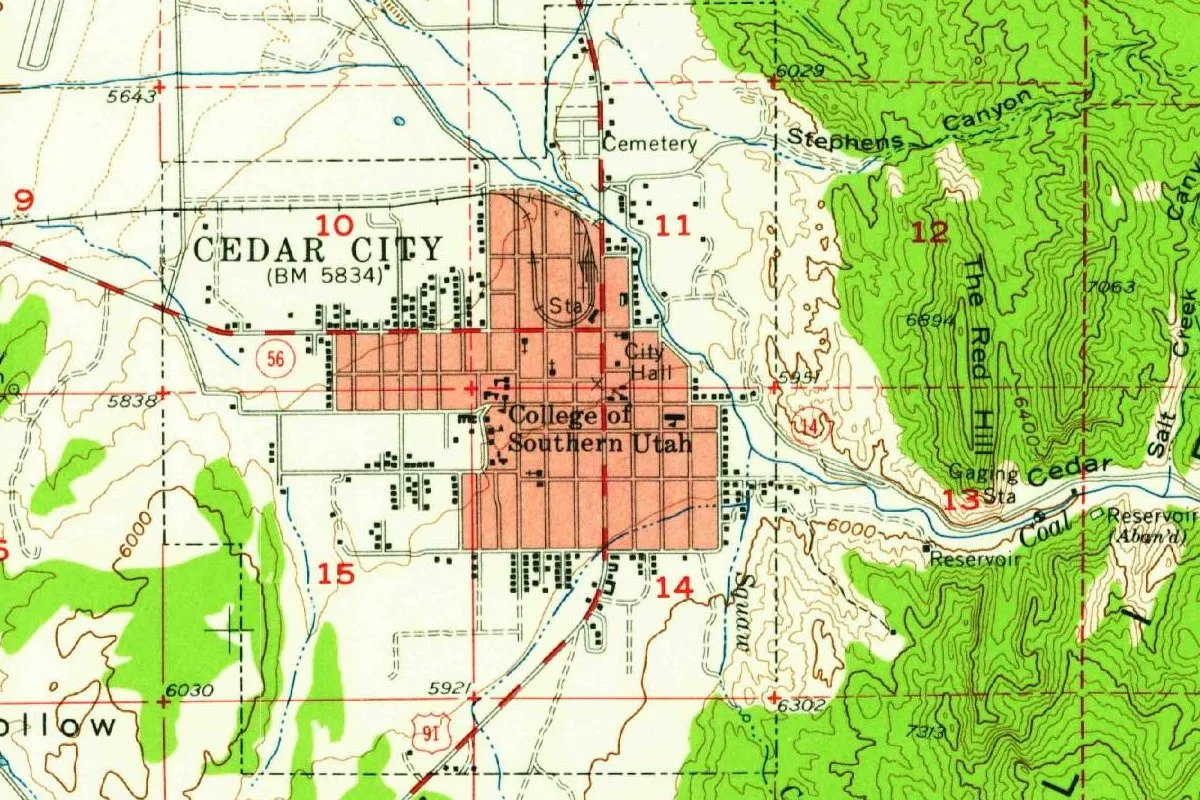
Getting tourists there took railroads and roads. The Park Service says the Union Pacific had its lodge near Sunset Point built by 1925, and after the Zion-Mount Carmel tunnel opened in 1930, trains brought visitors to Cedar City, where buses took them on to the parks. Cedar City’s own name has a twist: its cedars, the city’s history says, were really junipers.
The family that fed the first visitors left a mark too. Ruby and Minnie Syrett put up tents near Sunset Point in 1919, and the inn they later opened at the park’s edge, Ruby’s Inn, grew into a town. Utah History to Go says it was incorporated as Bryce Canyon City only in 2007, over Garfield County’s objections.
Quick answers
Who was Ebenezer Bryce?
The Mormon pioneer behind Bryce Canyon’s name, who settled near the Pink Cliffs in the 1870s. Locals called the amphitheater at the end of his timber road “Bryce’s Canyon,” and the name outlasted his stay.
Did Ebenezer Bryce really say it was “a hell of a place to lose a cow”?
Nobody can prove it. The Park Service repeats it with the word “reportedly,” and it doesn’t cite anyone who heard him say it. Treat it as a well-loved tradition.
Was Bryce Canyon ever called something else?
Yes, on paper. A 1924 law named it “Utah National Park,” and in 1919 Utah lawmakers had asked for a “Temple of the Gods National Monument.” Bryce Canyon National Park became official in 1928.
Is Bryce Canyon actually a canyon?
No. The Park Service says it’s more than a dozen natural amphitheaters along the rim of the Paunsaugunt Plateau.
Key dates
- 1875Ebenezer Bryce and his family come to Clifton in the upper Paria Valley (1875 or 1876, the Park Service's study says).
- 1880The Bryce family leaves for Arizona; the name "Bryce's Canyon" stays in local use.
- 1919March 13: the Utah Legislature asks Congress for a "Temple of the Gods National Monument" around "Bryce's Canyon."
- 1923June 8: President Warren G. Harding proclaims Bryce Canyon National Monument.
- 1924June 7: Congress passes a law for a "Utah National Park" on the same land, once all of it is federal.
- 1928February 25: an act of Congress makes the name Bryce Canyon National Park official.
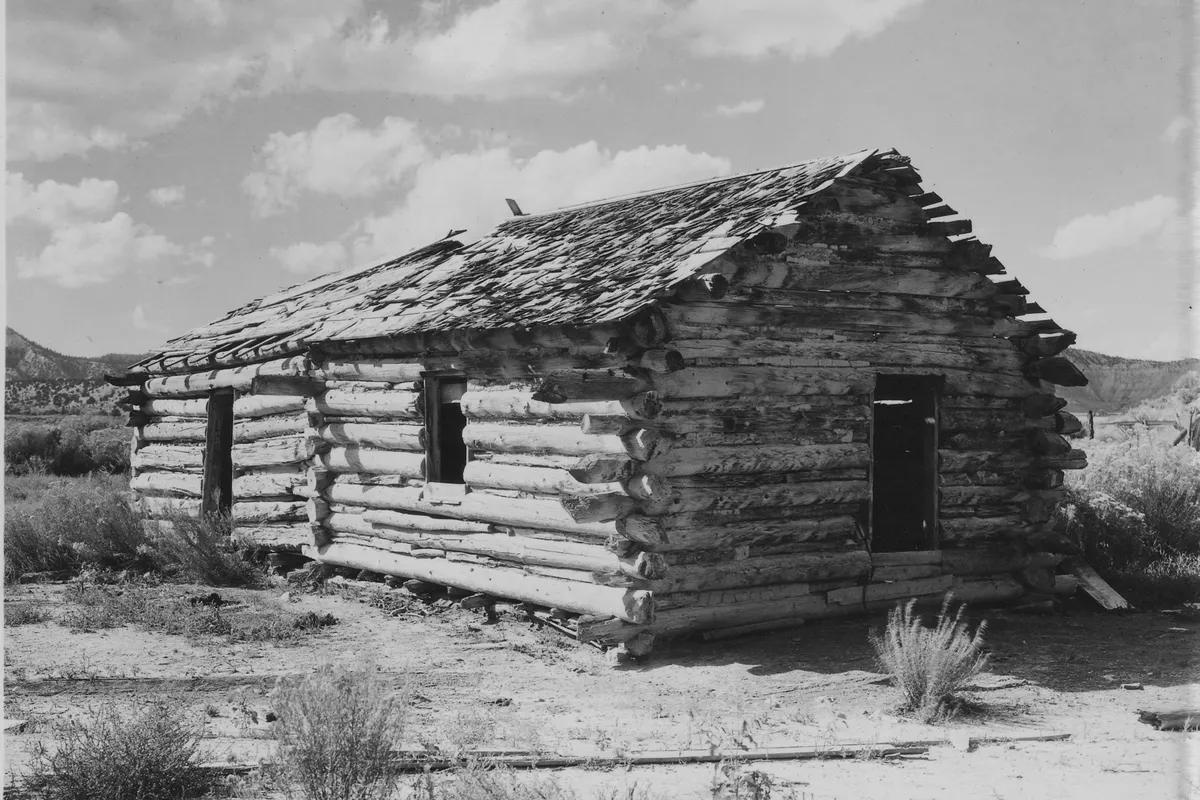
- 1929September 25: George A. Grant photographs Bryce's old home near Tropic for the Park Service.
Find it in Google Maps
Opens in a new tab. The pin is a point from the USGS place-name record, so it may not be the middle of the area.
Sponsored
Planning a visit?
Compare hotels in the area on Expedia.
See hotels nearbyWe may earn a commission if you buy through this link. It never changes what we write. Read our affiliate disclosure
Historical Sources & References
- National Park Service, Bryce Canyon, “Pioneer History”. The Bryce family at Clifton in 1875 and New Clifton, the 7-mile ditch, the timber road, “Bryce’s Canyon,” and the move to Arizona in 1880.
- National Park Service, Bryce Canyon, “A Pioneer Story”. “Ebenezer Bryce reportedly described his canyon as a ‘hell of a place to lose a cow.’”
- Nicholas Scrattish, Historic Resource Study: Bryce Canyon National Park (1985). Bryce’s arrival “in 1875 or 1876,” his wife’s health, the 7-mile ditch of 1878-80 with Daniel Goulding, and the amphitheater “customarily called” Bryce’s Canyon; the Paiute names and the 1936 legend told by Indian Dick; the 1919 memorial; the “Utah National Park” law of June 7, 1924, Governor Dern’s objections and the act of February 25, 1928.
- National Park Service, Bryce Canyon, “Park History”. Humphrey in 1915, the Syretts in 1919-1920, the lodge near Sunset Point by 1925, Harding’s proclamation of June 8, 1923, the 1930 tunnel and the trains to Cedar City, and the 1931 enlargement to 35,835 acres.
- National Park Service, Bryce Canyon, “History & Culture”. The park’s dates of 1923, 1924 and 1928, and the line from its historic resource study: “The park is not a canyon.”
- Linda King Newell, “Publicizing Bryce Canyon” (Utah History to Go). Humphrey’s first view in 1915 and the Legislature’s joint memorial of March 13, 1919, asking for a “Temple of the Gods National Monument.”
- “Bryce Canyon City” (Utah History to Go). Adapted from A History of Garfield County: the Syretts, Ruby’s Inn and the town’s incorporation in 2007.
- George A. Grant, “Early home of Ebenezer Bryce” (1929), National Archives. The photo at the bottom of this page, taken for the Park Service on September 25, 1929. A federal work in the public domain.
- GNIS feature 1450197, Bryce Canyon National Park (U.S. Geological Survey). The park’s entry in the federal place-names database.
Spot something wrong, or know more? Tell us here. You can also email us or use our contact page. Corrections are noted here with their date, never made silently.