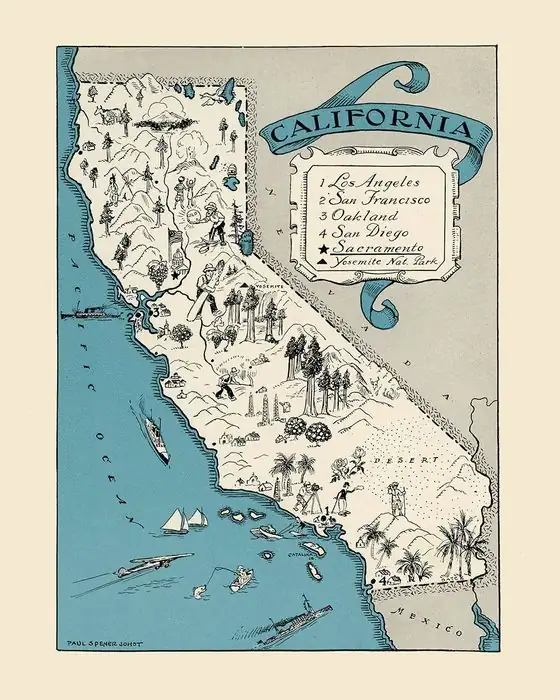
What Santa Clarita, California, Means: Little Santa Clara
Santa Clarita means "little Santa Clara." In August 1769 the Portolá expedition named the valley, and with it its river, Santa Clara. After Mission Santa Clara opened near San Francisco Bay in 1777, local histories say, the southern river became the "little" Santa Clara, and the Spanish form Santa Clarita went on the valley and then the 1987 city.
Santa Clarita, California, got its name from its river: Santa Clarita means “little Santa Clara,” and the Santa Clara part goes back to August 1769. The city itself is much younger. It was voted into being in 1987 and borrowed the name of the valley it sits in, which had borrowed it from the river.
“This charming valley… I named Santa Clara”
The first Spanish travelers came into the valley from the south, over the mountains from the San Fernando Valley. They were Gaspar de Portolá’s expedition, on its way from San Diego to look for Monterey Bay, and on August 8, 1769, they climbed a steep pass and came down the other side on foot. Herbert Bolton, who edited the diary of the expedition’s Franciscan chronicler, Fray Juan Crespí, traced the route “Over Fernando Pass to Newhall.” That night they camped beside an arroyo full of water that Bolton identified as the Santa Clara River, near Castaic. Crespí called the camp Santa Rosa de Viterbo. The soldiers called it the Rancheria del Corral.
They rested there on August 9 while scouts rode ahead. When the scouts came back, Crespí wrote the line that matters for this story:
“This charming valley, which begins after descending from the pass, I named Santa Clara.”
The next day the party followed the valley west-southwest. The expedition’s engineer, Miguel Costansó, noticed the soil was so boggy and whitish that the animals sank in at every step, and the stream they camped by ran full when they arrived and soon dried up in the heat of the sun. “This canyon was given the name of Santa Clara,” he wrote. Crespí used the same name for the camp, Cañada de Santa Clara, and on August 12 the party set out again “on this day of Santa Clara,” the saint’s feast in Crespí’s calendar.
The saint was Clare of Assisi. Nellie Van de Grift Sanchez’s 1914 book on California’s Spanish place names describes her as the founder of the Franciscan nuns known as the Poor Clares.
How the river got “little”
The Santa Clara name didn’t stay put in Southern California. On January 12, 1777, Padres Peña and Murguía founded Mission Santa Clara, about forty-six miles (74 km) south-southeast of San Francisco, Sanchez writes, and that mission, in Henry Gannett’s 1905 telling, gave its name to Santa Clara County and the town of Santa Clara. A much bigger, much better-known Santa Clara now sat up north.
According to Ruth Waldo Newhall, writing in the Old Town Newhall Gazette in 1997, that’s when the southern stream “began to be referred to as the ‘little Santa Clara River.’” The city’s own history, printed in its 2018-19 budget, puts it the same way: people took to “calling the local river ‘little’ Santa Clara,” and “the valley was then named accordingly, and took the name of Santa Clarita.” In Spanish, “little Santa Clara” comes out as Santa Clarita.
That same city history tells a stranger version of the first naming, crediting “Spanish soldiers” who fled to the region “in conflict leading to revolution in Mexico.” The diaries of 1769 don’t support that. The name was given by an expedition and written down by its chronicler, not left by runaways.
A valley without a name
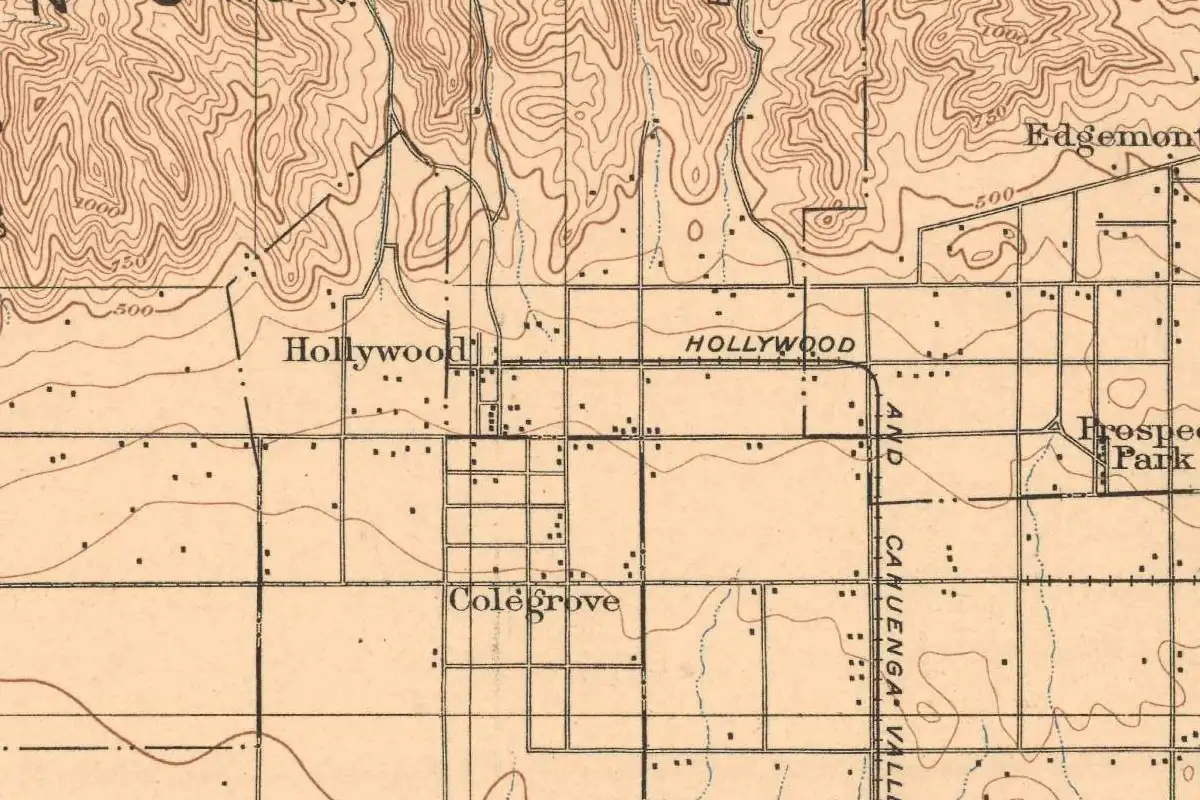
For a long time the valley didn’t really need one. Ruth Newhall says people just called it the “Newhall-Saugus area.” On the Geological Survey’s Santa Susana sheet of 1903, Newhall and Saugus are the towns, and the river is simply the Santa Clara.
The diminutive came up in the 1940s. A. B. Perkins, a New Englander who had come to town to run the local water company and became its historian, suggested translating “Little Santa Clara” into Spanish for the valley’s first high school. It didn’t take. The cowboy actor William S. Hart had just died, and the school was named for him. A Signal article in 2019 credits Perkins with the same suggestion.
The name hung on anyway. The Bonelli family named the water company for their Saugus subdivision the Santa Clarita Water Company. Scott Newhall bought the weekly Newhall Signal in the mid-1950s, and a few years later he decided the valley needed a name and pushed “Valencia Valley.” People in Canyon Country didn’t like it. Their Chamber of Commerce voted for “Santa Clarita Valley,” and its president, attorney Dan Hon, went to the Signal office to talk Newhall around. As Ruth Newhall tells it, he succeeded.
Cityhood, 1987
By the 1980s the name was ready for a city. On November 3, 1987, Proposition U, the “Incorporation of City of Santa Clarita,” passed 14,723 to 6,597. The new city brought together Saugus, Newhall, Valencia and Canyon Country, and it now marks its birthday every December 15.
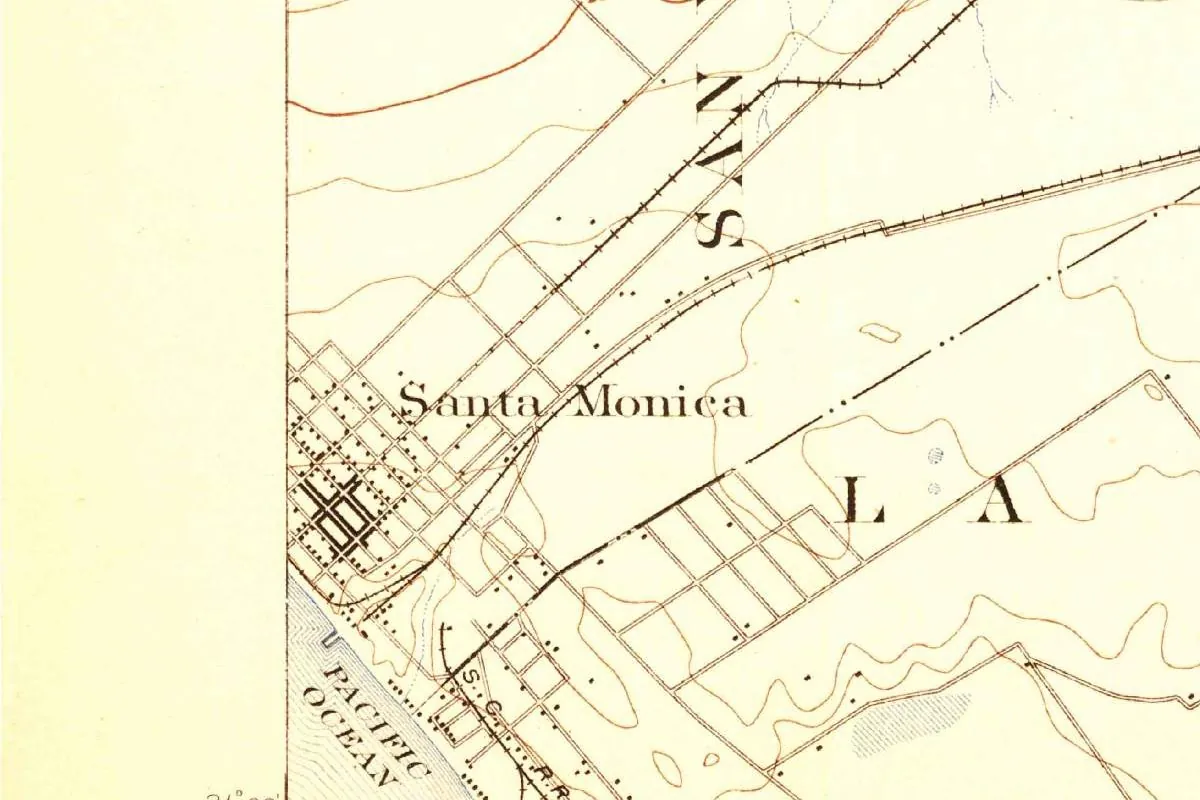
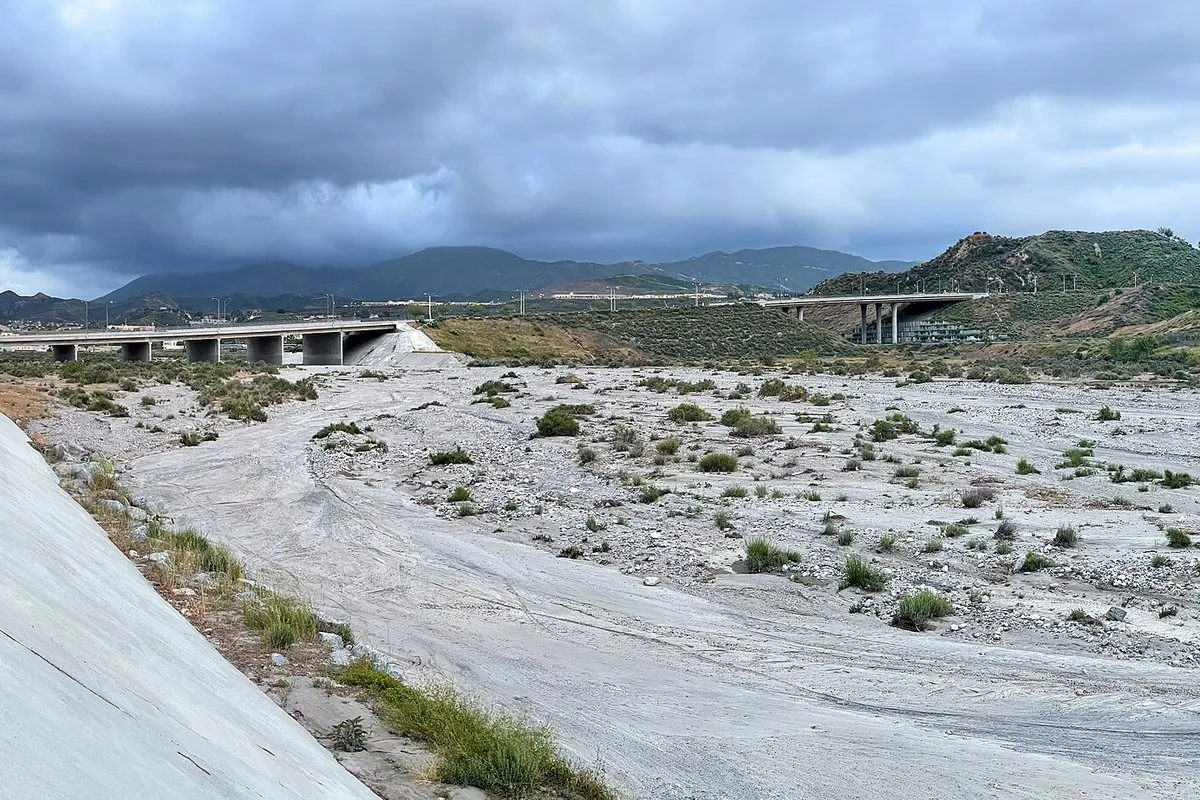
So if you drive along the mostly dry bed of the Santa Clara River in Canyon Country today, you’re following the thread the whole way back. The city is named for the valley, the valley for the “little” river, and the river for a saint whose name a Franciscan wrote into his diary in August 1769, a week after the same expedition named the river at Los Angeles, and five days after it camped at springs near the future Santa Monica. Up north, California kept the bigger Santa Clara.
Quick answers
What does Santa Clarita mean?
“Little Santa Clara.” Ruth Waldo Newhall’s 1997 history of the name and the City of Santa Clarita both trace it to the “little” Santa Clara River, the southern one, as opposed to the Santa Clara of the northern mission.
Who named the Santa Clara River?
The Portolá expedition, in August 1769. Fray Juan Crespí wrote that he named the valley Santa Clara on August 9, and Costansó wrote that the canyon was given that name on August 10.
Is Santa Clarita named after the city of Santa Clara?
No. Both names go back to Saint Clare, but the southern valley was named in 1769, before Mission Santa Clara was founded in 1777. The “little” came later, to tell the two apart.
When did Santa Clarita become a city?
In 1987. Voters approved incorporation on November 3, and the city counts December 15 as its birthday.
Key dates
- 1769August 9: Crespí names the valley below the pass Santa Clara. August 10: Costansó writes that the canyon "was given the name of Santa Clara."
- 1777January 12: Padres Peña and Murguía found Mission Santa Clara, about 46 miles (74 km) south-southeast of San Francisco.
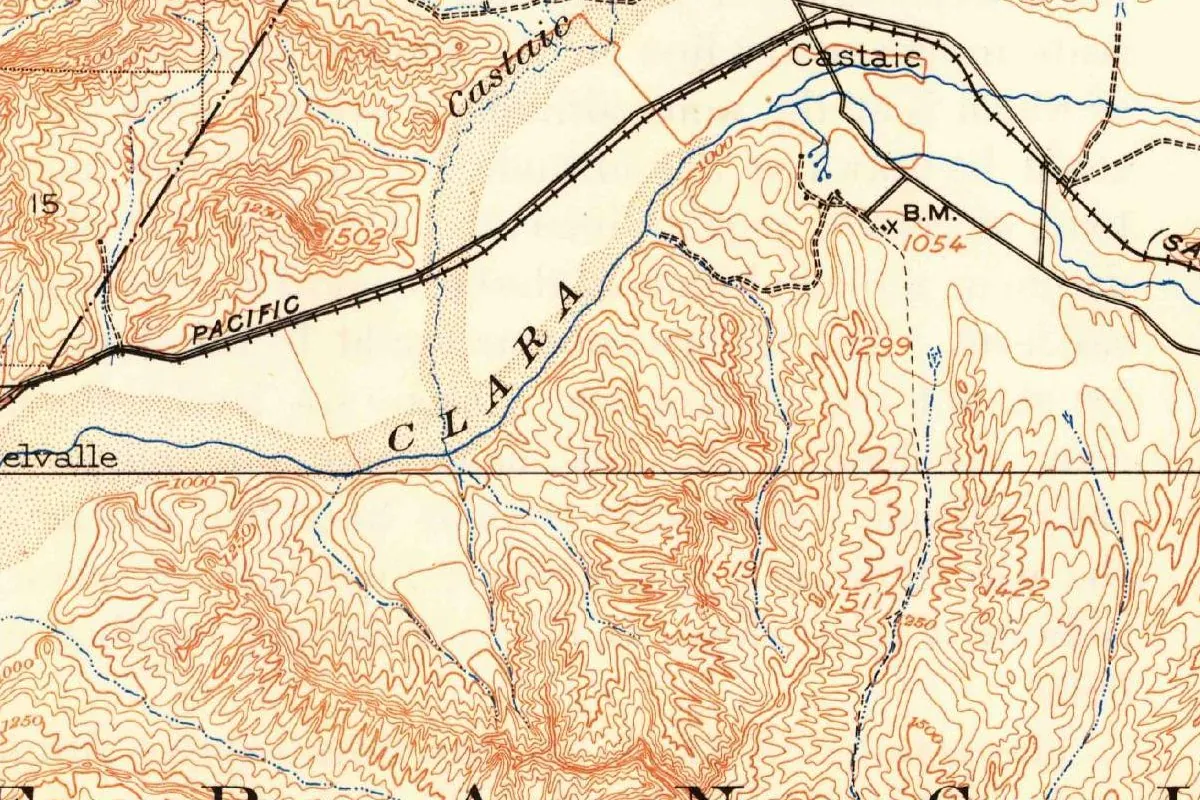
- 1903A federal survey map prints the river's name in big letters along its course past Castaic, with Newhall and Saugus upstream.
- 1987November 3: voters approve Proposition U, the incorporation of the City of Santa Clarita, 14,723 to 6,597.
Getting there
Open Santa Clarita in Google Maps
Opens in a new tab. The pin is the center of Santa Clarita in the USGS place-name record.
The closest airports, Amtrak stations and intercity bus stops, measured in a straight line from the center of Santa Clarita.
Airports
- Hollywood Burbank (BUR) 17 mi 27 km
- Los Angeles International (LAX) 32 mi 51 km
Amtrak trains
- Chatsworth station (CWT) 10 mi 16 km
- Northridge station (NRG) 11 mi 18 km
Intercity buses
- Amtrak Chartered Vehicle Amtrak Connecting Service · Santa Clarita-Newhall Amtrak Station 1 mi 2 km
- Gold Runner Santa Clarita/Newhall CA Metrolink Station 1 mi 2 km
- FlixBus Los Angeles Laurel Canyon/Rinaldi - San Fernando 9 mi 15 km
Distances are as the crow flies, not by road. We don't list schedules or fares because they change; check with the airline, Amtrak or the bus company before you go. Official data (FAA commercial service airports (2025), FAA airport locations, Amtrak stations and Intercity Bus Atlas) from the FAA and the U.S. Bureau of Transportation Statistics, checked Nov 13, 2026.
Sponsored
Staying in Santa Clarita?
Compare hotels in Santa Clarita, California, on Expedia.
See hotels in Santa ClaritaWe may earn a commission if you buy through this link. It never changes what we write. Read our affiliate disclosure
Historical Sources & References
- Francisco Palóu, Historical Memoirs of New California, ed. Herbert E. Bolton, vol. 2 (1926), pp. 139-144. Crespí’s diary for August 8-12, 1769: the pass, Bolton’s notes “Over Fernando Pass to Newhall” and “Santa Clara River, near Castac,” the camp of Santa Rosa de Viterbo, “This charming valley… I named Santa Clara” (p. 141), the Cañada de Santa Clara and “this day of Santa Clara.” Also p. 134, the river named Porciúncula on August 2, and p. 137, the springs of August 4.
- The Portolá Expedition of 1769-1770: Diary of Miguel Costansó (1911), p. 29. The entry for August 10, 1769: the boggy whitish soil, the stream that dried up by day, and “This canyon was given the name of Santa Clara.”
- Nellie Van de Grift Sanchez, Spanish and Indian Place Names of California (1914), pp. 167-168. Mission Santa Clara founded by Padres Peña and Murguía on January 12, 1777, about forty-six miles (74 km) from San Francisco (p. 167), and Clare of Assisi as founder of the Poor Clares (p. 168).
- Henry Gannett, The Origin of Certain Place Names in the United States (USGS, 1905), p. 275. Santa Clara County and town “named for an old Spanish mission.”
- Ruth Waldo Newhall, “Why ‘Santa Clarita’?,” Old Town Newhall Gazette, February-March 1997, reprinted by SCVHistory.com. The “little Santa Clara River,” the “Newhall-Saugus area,” A. B. Perkins and the high school named for William S. Hart, the Santa Clarita Water Company, Scott Newhall’s “Valencia Valley” and the Canyon Country Chamber of Commerce vote carried to the Signal by Dan Hon.
- Emily Alvarenga, “The history behind the names: SCV edition,” The Signal (2019). A. B. Perkins, manager of the Newhall Water Company and local historian, suggesting the Spanish translation.
- City of Santa Clarita, Annual Operating Budget FY 2018-19, p. 17. The city’s history page: the river called “little” Santa Clara and the valley taking the name Santa Clarita, along with its account of “Spanish soldiers” and the revolution in Mexico.
- City of Santa Clarita, Historical Election Results. Proposition U, “Incorporation of City of Santa Clarita,” November 3, 1987: 14,723 yes, 6,597 no.
- City of Santa Clarita, “Happy 37th Birthday Santa Clarita” (2024). The December 15 birthday and the four communities of 1987: Saugus, Newhall, Valencia and Canyon Country.
- GNIS feature 1662338 (U.S. Geological Survey). Lists Santa Clarita under Los Angeles County, with feature number 1662338.
- U.S. Geological Survey, Santa Susana sheet (1:62,500), 1903. A 1903 quadrangle that letters Newhall, Saugus and the river; the crop shown here is the stretch near Castaic, about 4 to 5 miles (7 to 8 km) west of the city.
Spot something wrong, or know more? Tell us here. You can also email us or use our contact page. Corrections are noted here with their date, never made silently.