Hawaiʻi Volcanoes National Park: History, Name and Visiting
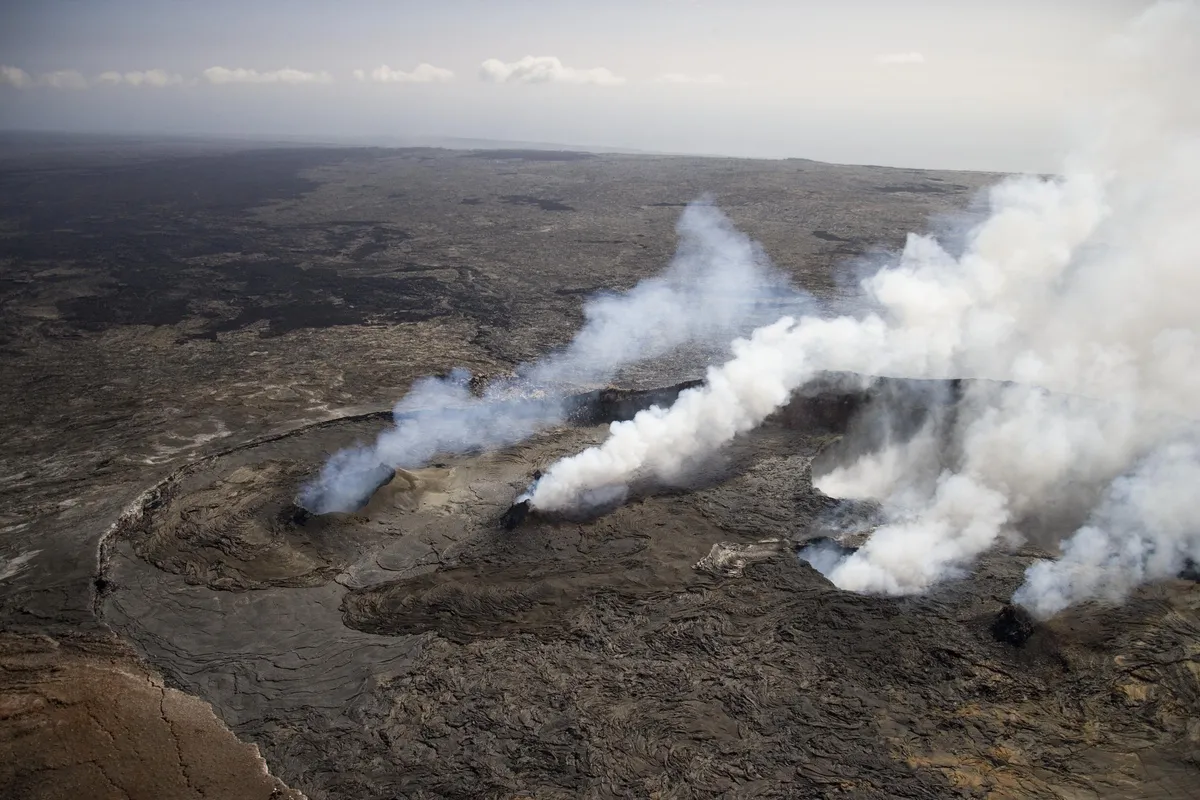
Hawaiʻi Volcanoes National Park opened in 1916 as Hawaii National Park, with land on two islands, and Congress gave it its present name in 1961. The old name never quite went away, either. You’ll still find it on the park’s own mailing address: P.O. Box 52, Hawaii National Park, HI 96718.
Hawaiʻi Volcanoes National Park History
The park’s story starts long before the park. By the National Park Service’s count, Native Hawaiians “lived, worked and worshipped” here for more than five hundred years before any park existed. Among the places it lists are Puʻuloa, a sacred site with one of the biggest collections of petroglyphs in the islands, and an ancient travel route where Native Hawaiians left footprints long ago. On the rim of Kīlauea, the Volcano House hotel has stood in one form or another for more than 150 years.
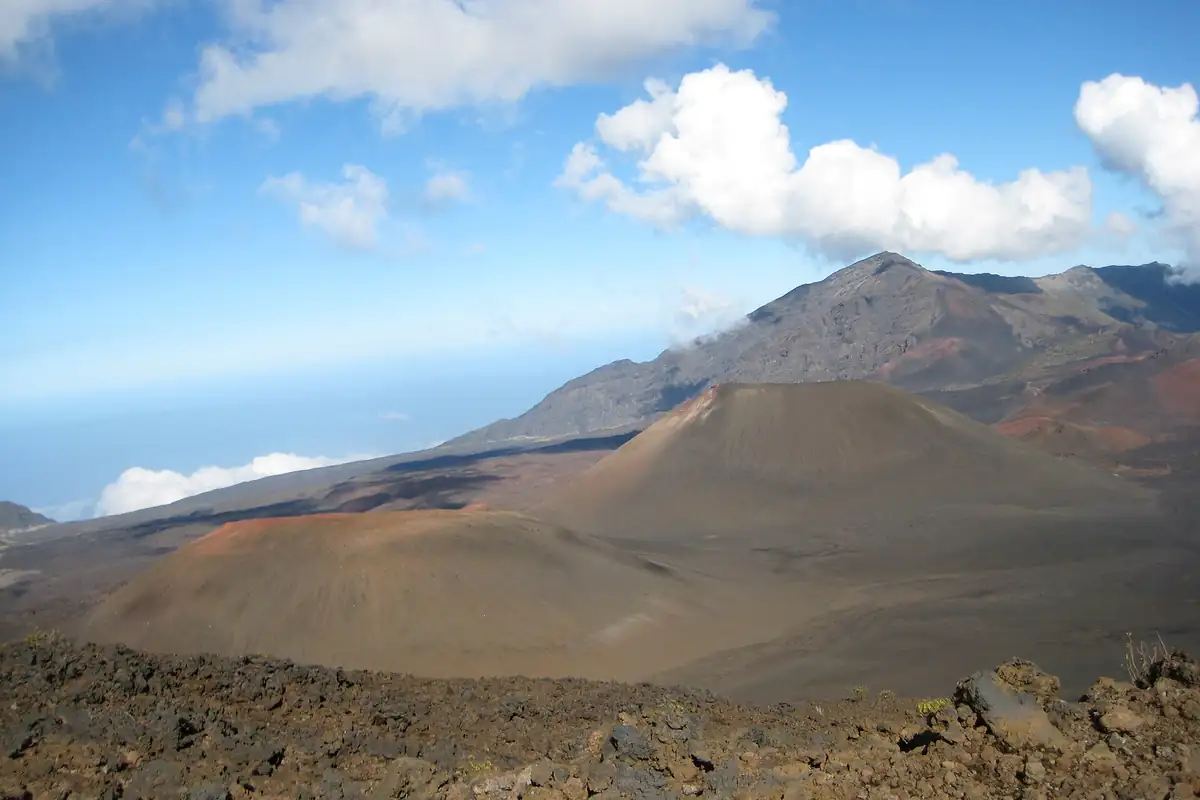
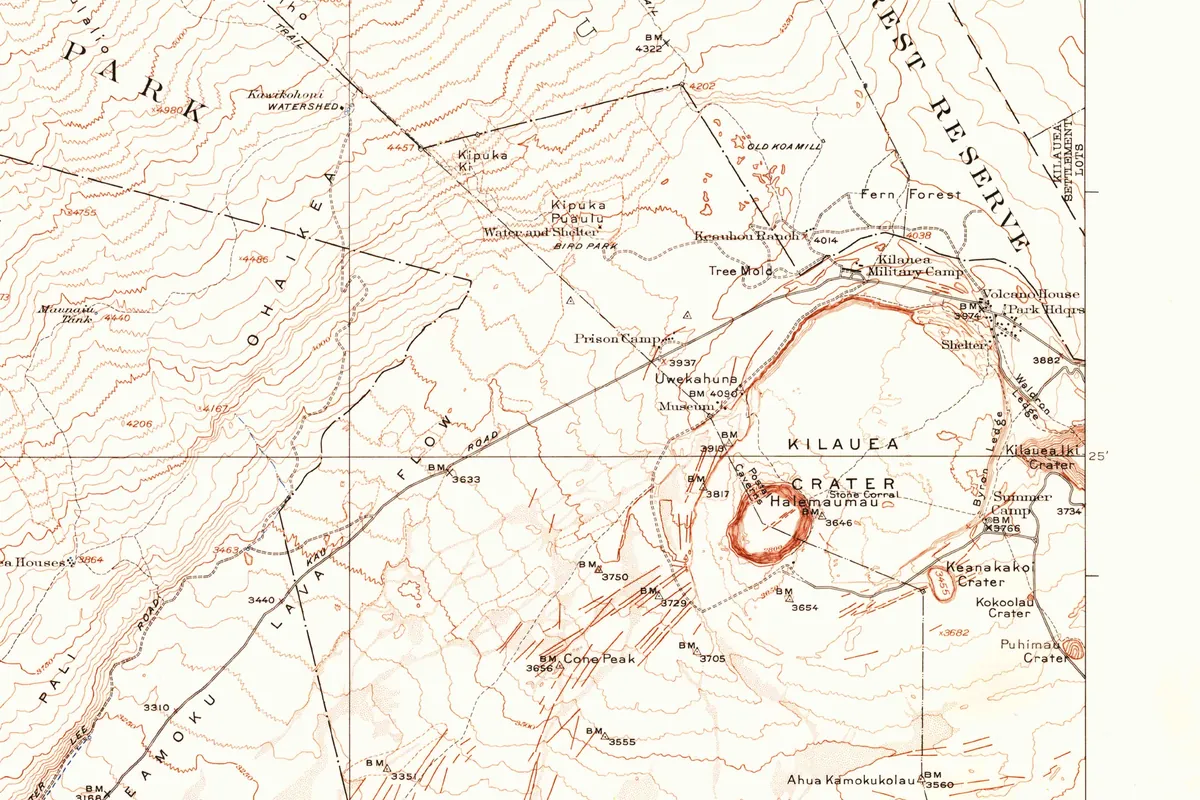
Congress created the park with a law signed August 1, 1916, which took tracts “on the island of Hawaii and on the island of Maui” and dedicated them as a public park “to be known as Hawaii National Park.” The Maui tract ran around the crater of Haleakalā, so a single park held volcanoes on two islands. The U.S. Geological Survey’s Kilauea map, surveyed in 1920-1921 and shown at the bottom of this page in a later reprint, still prints “PARK” across the slopes above the crater, with Volcano House on the rim.
The volcanoes kept their Hawaiian names inside the park. In the list of place names that Thomas G. Thrum compiled for the 1922 Hawaiian dictionary, Kilauea is “rising smoke cloud,” Mauna Loa is “long mountain,” and Halemaumau, the “fire pit” in Kīlauea’s summit, is “fern house.” The same list gives Uwekahuna as “wailing priests.”
Then the park came apart. A law of September 13, 1960, made the Maui section its own park from July 1, 1961, under the name Haleakalā, a volcano whose name means “house of the sun.” On September 22, 1961, Congress declared that it “shall be known as the Hawaii Volcanoes National Park.” The Park Service’s geodiversity atlas adds that it became a Biosphere Reserve in 1980 and a World Heritage Site in 1987. It now covers about 323,431 acres (130,887 ha) and protects Kīlauea and Mauna Loa, which the atlas calls two of the world’s most active volcanoes.
Visiting Hawaiʻi Volcanoes National Park
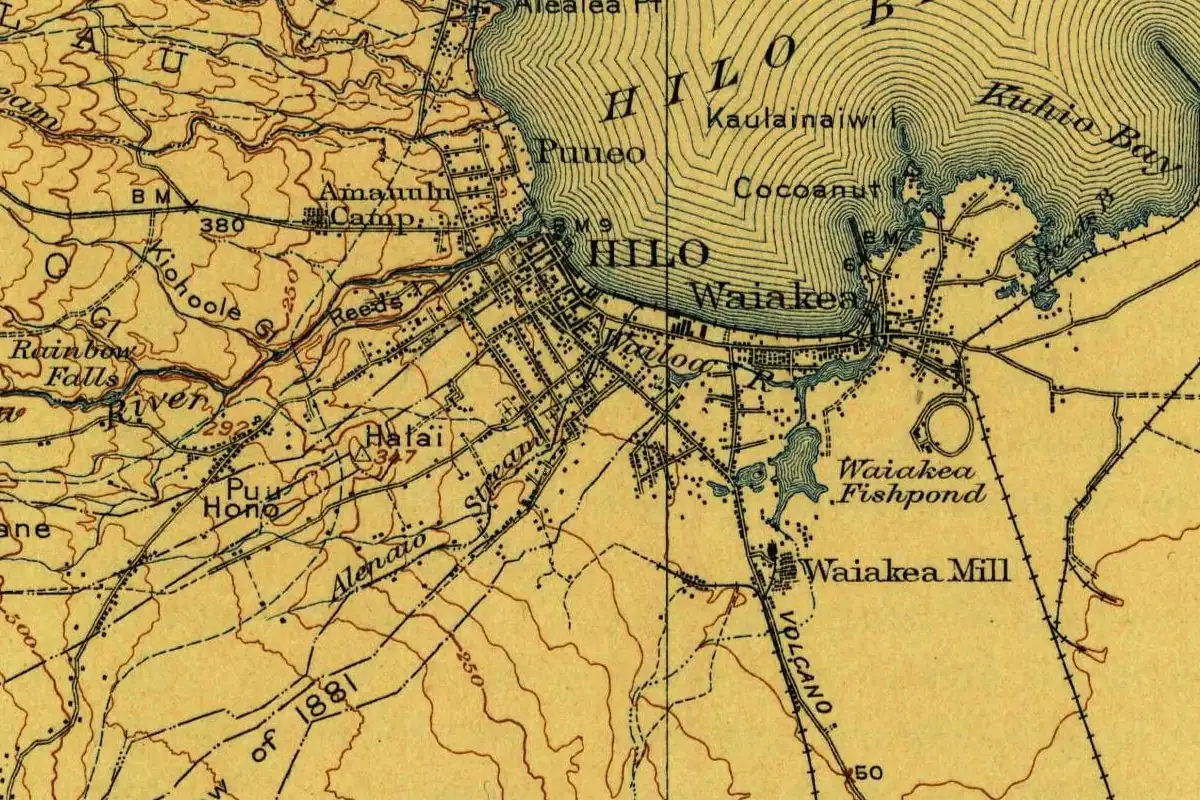
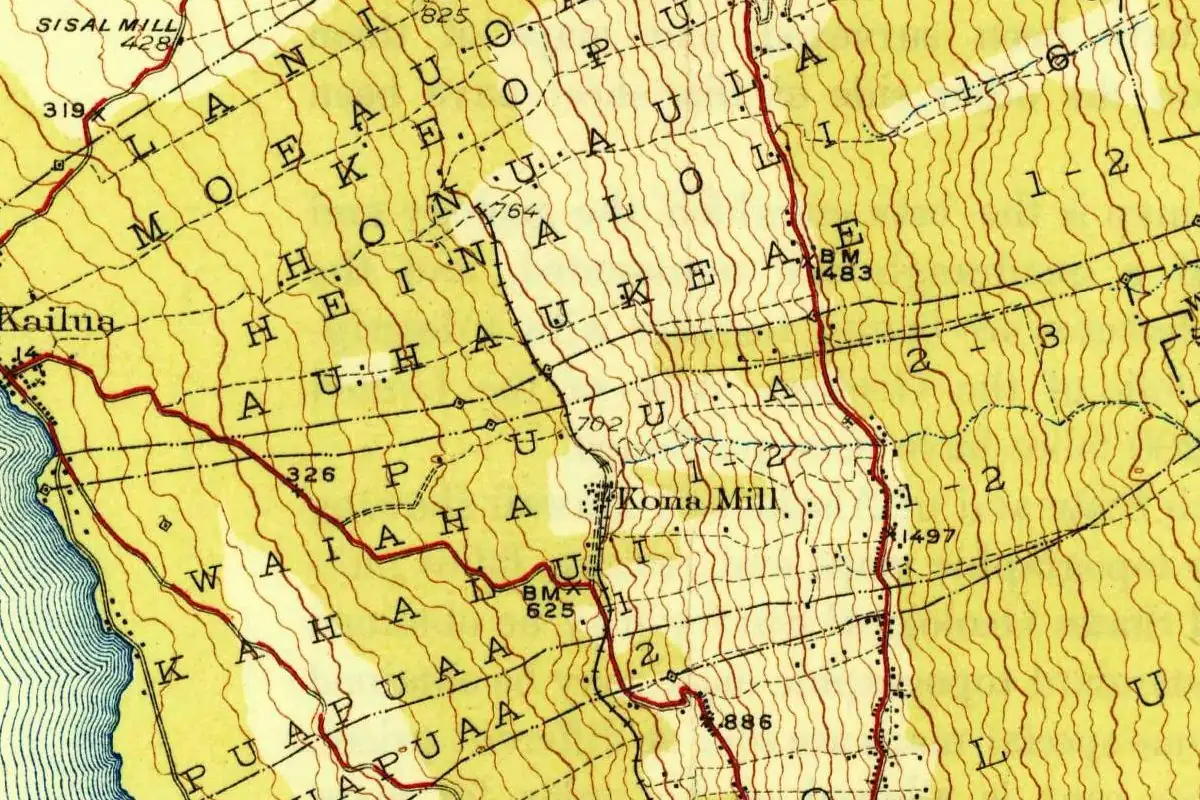
The gates never close: the park stays open around the clock, holidays included. The nearest town is Hilo, about 30 miles away by Highway 11, or roughly 45 minutes in the car, and Thrum’s 1922 list explains that name too, as “twisted” and the name of a Polynesian navigator. From Kailua-Kona, on the other side of the island, it’s 95 miles on Highway 11, or two to two and a half hours.
The fee page currently lists $30 for a private vehicle, $25 for a motorcycle (good for 7 days) and $15 for a hiker or cyclist. A $55 annual pass also covers Haleakalā and Puʻuhonua o Hōnaunau. Parking lots can fill by 10 a.m., and the park warns that space is tight at Nāhuku and the Kīlauea summit from 10 a.m. to 3 p.m. During an eruption, the park suggests you come before sunrise or after sunset. The Kahuku Unit, near mile marker 70.5 on Highway 11, is never crowded, it says, and opens Thursday through Sunday, 8 a.m. to 4 p.m.
Quick answers
What was Hawaiʻi Volcanoes National Park called before?
Hawaii National Park. That was its name from August 1, 1916, until September 22, 1961, and until July 1, 1961, it also took in Haleakalā on Maui.
When did it get the name Hawaii Volcanoes National Park?
On September 22, 1961, by an act of Congress. The law names it “Hawaii Volcanoes National Park,” without the ʻokina; the Park Service writes Hawaiʻi with it.
What does Kīlauea mean?
Thrum’s 1922 list of Hawaiian place names translates Kilauea as “rising smoke cloud.”
Is the park open at night?
Yes. The Park Service says it never closes, day or night, all week long. The Kahuku Unit keeps shorter hours.
Key dates
- 1916August 1: Congress sets aside land on the islands of Hawaii and Maui as Hawaii National Park.
- 1921The U.S. Geological Survey issues its Kilauea map, surveyed in 1912 and 1920-1921.
- 1922Thomas Thrum's list of place names translates Kilauea as "rising smoke cloud."
- 1960September 13: Congress makes the Maui section a separate park, Haleakala National Park, from July 1, 1961.
- 1961September 22: the island of Hawaii section becomes Hawaii Volcanoes National Park.
- 1980The park is named a Biosphere Reserve.
- 1987The park becomes a World Heritage Site.
Find it in Google Maps
Opens in a new tab. The pin is a point from the USGS place-name record, so it may not be the middle of the area.
Sponsored
Planning a visit?
Compare hotels in the area on Expedia.
See hotels nearbyWe may earn a commission if you buy through this link. It never changes what we write. Read our affiliate disclosure
Historical Sources & References
- Act of August 1, 1916 (39 Stat. 432). Tracts on the islands of Hawaii and Maui set apart “to be known as Hawaii National Park,” including the land around the crater of Haleakala.
- Acts of September 13, 1960, and September 22, 1961. The Maui section becomes Haleakala National Park from July 1, 1961 (74 Stat. 881); the island of Hawaii section “shall be known as the Hawaii Volcanoes National Park” (75 Stat. 577; 16 U.S.C. § 391d).
- NPS Geodiversity Atlas, Hawaiʻi Volcanoes National Park. Established as part of Hawaiʻi National Park on August 1, 1916, renamed September 22, 1961; Biosphere Reserve 1980, World Heritage Site 1987; 323,431 acres; Kīlauea and Mauna Loa.
- National Park Service, “Places”. “Established as Hawaii National Park in 1916”; more than five centuries of Native Hawaiian life before the park; Puʻuloa, the Footprints Area and Volcano House.
- Andrews and Parker, A Dictionary of the Hawaiian Language (1922). Thomas G. Thrum’s “Hawaiian Place Names”: Kilauea, “rising smoke cloud”; Mauna Loa, “long mountain”; Halemaumau, “fern house (Sadleria sp.). Fire pit, volcano of Kilauea”; Uwekahuna, “wailing priests”; Hilo, “twisted. Name of Polynesian navigator.”
- National Park Service, “Fees & Passes”. $30 private vehicle, $25 motorcycle (7 days), $15 per person on foot or bicycle, $55 annual pass for three Hawaiʻi parks.
- National Park Service, “Operating Hours & Seasons” and “Directions”. Open 24 hours a day, 7 days a week; the Kahuku Unit’s hours; 30 miles from Hilo and 95 miles from Kailua-Kona on Highway 11.
- National Park Service, “Plan Your Visit”. Crowds and parking at Nāhuku and the Kīlauea summit, eruption viewing, and the park’s mailing address in Hawaii National Park, HI.
- U.S. Geological Survey, Kilauea sheet (1921). The map at the bottom of this page, surveyed in 1912 and 1920-1921; the scan is of a reprint made between 1963 and 1966 (imprint dated 1954, ZIP codes in the sales note, USGS file stamp of March 3, 1966).
- GNIS feature 365210 (U.S. Geological Survey). Hawaii Volcanoes National Park, the identifier given by Wikidata.
Spot something wrong, or know more? Tell us here. You can also email us or use our contact page. Corrections are noted here with their date, never made silently.