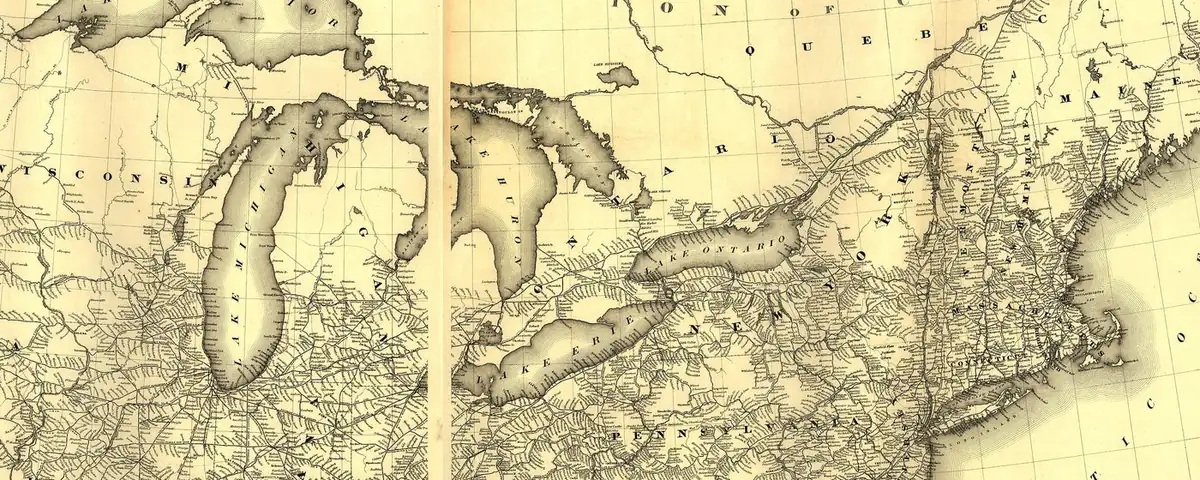
Beach and Island Towns: Where Their Names Come From
The town of Nantucket was officially Sherburne until 1795, and Saco, Maine, spent 43 years as Pepperrellborough. Both went back to older Native names, and Saco’s, as its 1830 historian put it, had “never been out of popular use.”
On these coasts, the beach is the easy part. The names take more digging. Biloxi and Pensacola carry the names of the people who lived there first, or at least what someone else called them, and Sitka keeps a Tlingit place name. Honolulu and Hilo come from Hawaiian. Key West may be English speakers’ take on the Spanish Cayo Hueso. Hilton Head Island is a sea captain’s name stuck to a bluff, and Rehoboth Beach is named for a well in the Book of Genesis.
What ties these places together is the water. Each one sits on the Atlantic, the Gulf or the Pacific, or on an island, and each is known for its beaches or its island setting. Nantucket, for one, is 30 mi (48 km) off Cape Cod, the town says. The list runs down the Atlantic from Maine to Key West, then west along the Gulf, then out to Alaska and Hawaii.
A lot of these meanings are still argued over. Where the old books disagree, the articles tell you so, and you’ll see more than one “maybe” below.
How we picked these. The place sits on the Atlantic, Pacific or Gulf coast, or on an island, and is known for its beaches or its island setting, checked against an official or federal source. Each story below lists the source that confirms it.
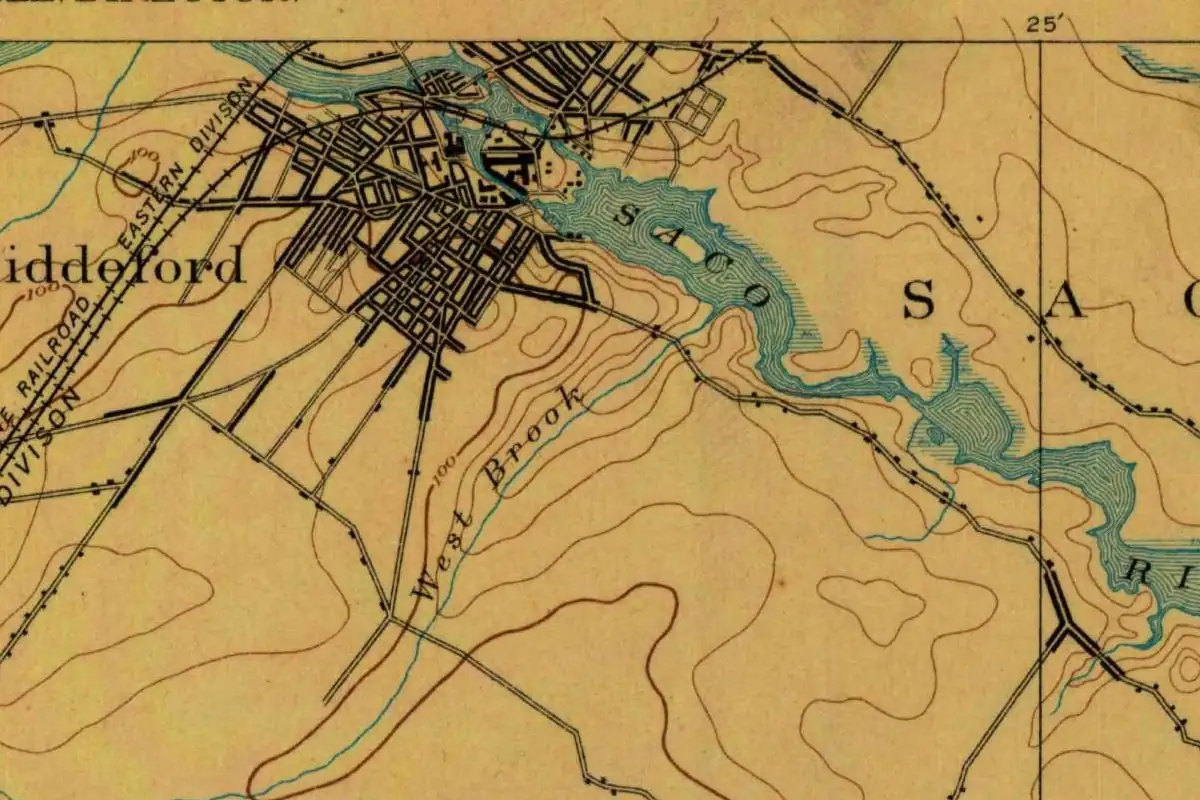 York County, ME
For 43 years, Saco, Maine, was officially Pepperrellborough. In 1805 it went back to Saco, the old river name people had never stopped using.
DocumentedOfficially Pepperrellborough until 1805. Today the city calls its Bayview Beach a popular beach destination. Source: Saco's Beaches (City of Saco)
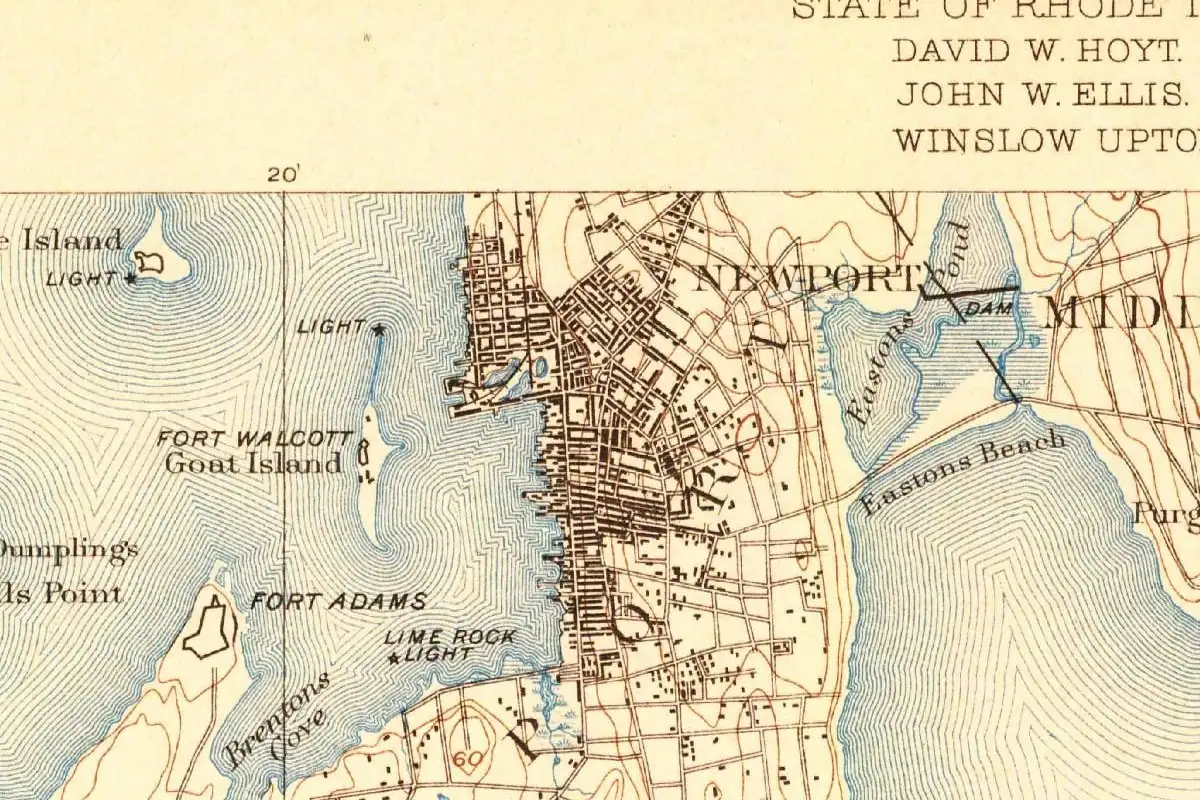 Newport County, RI
When a group of settlers moved out of Aquidneck Island's first town in 1639 and took its whole government with them, they started Newport, Rhode Island.
DocumentedA 1639 "new port" on Aquidneck Island. Easton's Beach has 3/4 mi (1.2 km) of sand with Atlantic-facing surf. Source: City of Newport | Easton's Beach
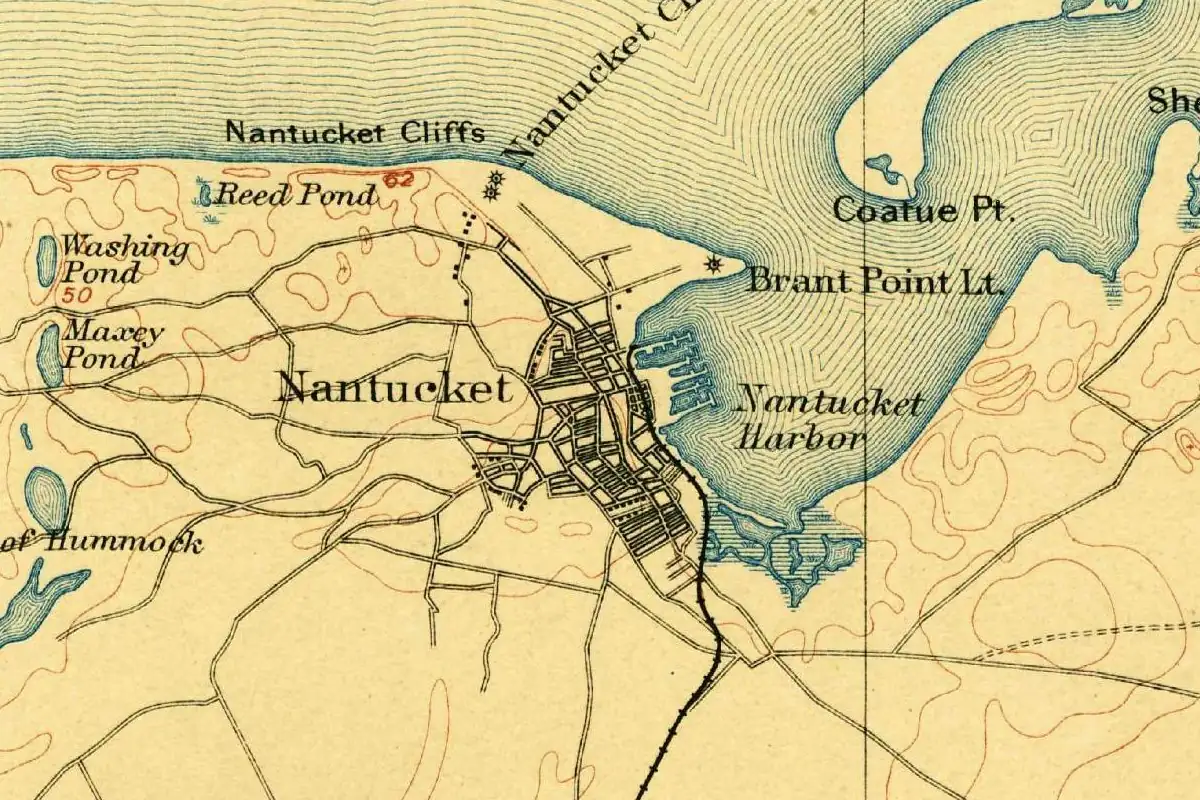 Nantucket County, MA
For more than a century, the town of Nantucket, Massachusetts, was officially Sherburne. It took the island's Native name in 1795.
DocumentedThe town was Sherburne until 1795. The island sits 30 mi (48 km) off Cape Cod and has 82 mi (132 km) of beaches. Source: About Nantucket (Town of Nantucket)
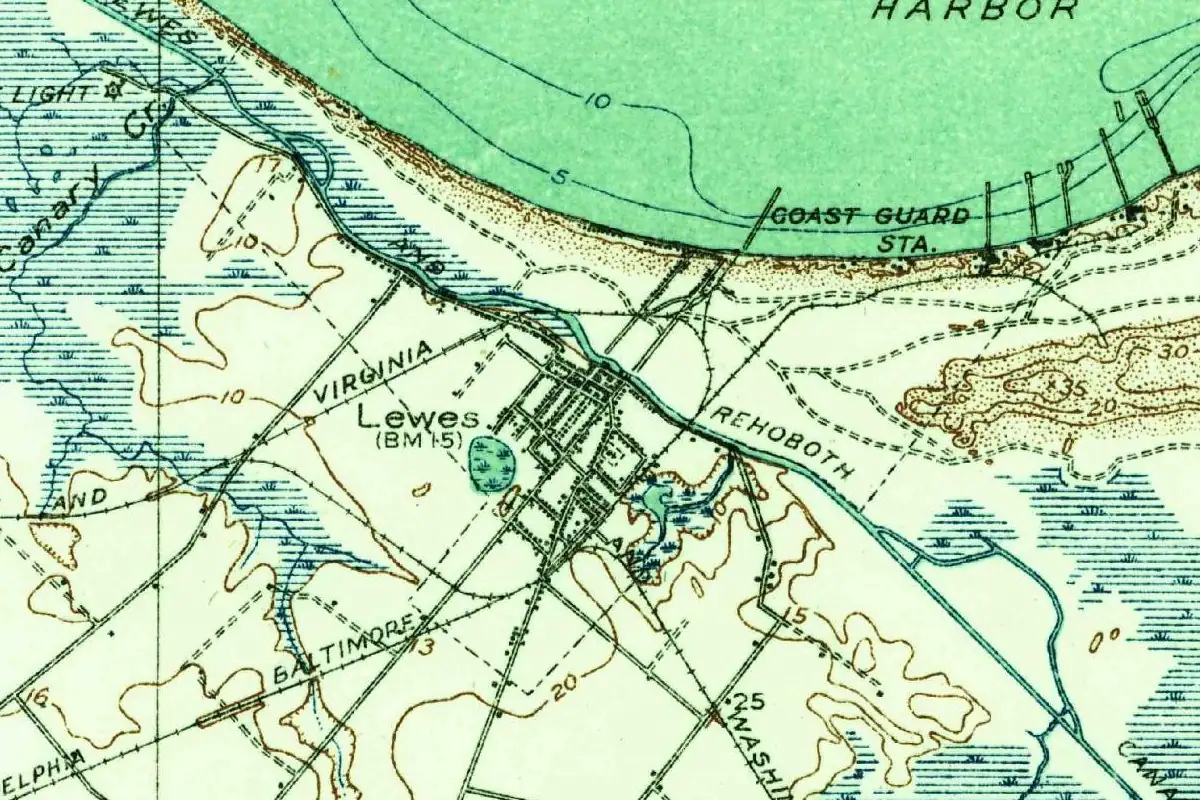 Sussex County, DE
Lewes, Delaware, got William Penn's official sanction as the town's name in 1682, but the name already shows up on a 1672 land grant at the Horekill.
DisputedThe name shows up on a 1672 deed, before Penn. The state lists Lewes among Delaware's Atlantic Ocean resorts. Source: History abounds near Delaware's beaches (Delaware Division of Historical and Cultural Affairs)
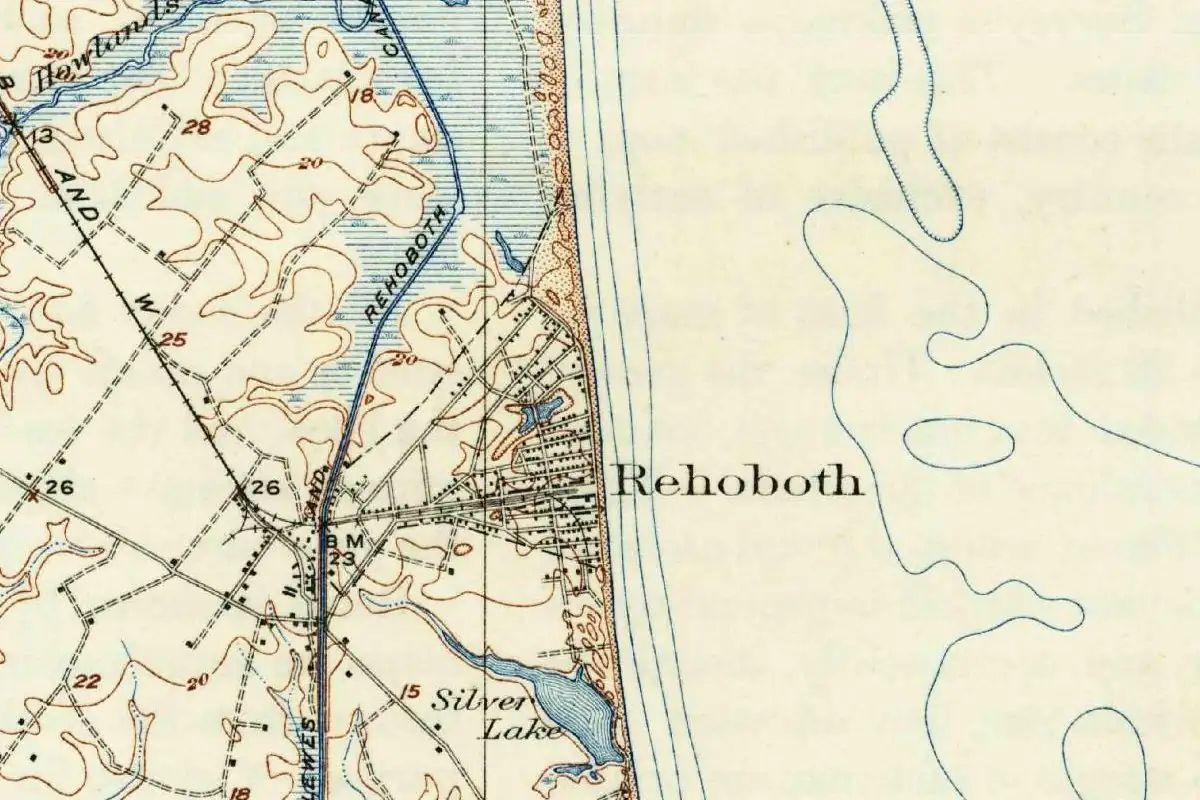 Sussex County, DE
Rehoboth Beach, Delaware, has a Bible name usually tied to an 1870s Methodist camp meeting, but Rehoboth shows up in local records as early as 1677.
DisputedNamed for a well in Genesis. The city says it came to be known as the "Nation's Summer Capital." Source: History (City of Rehoboth Beach)
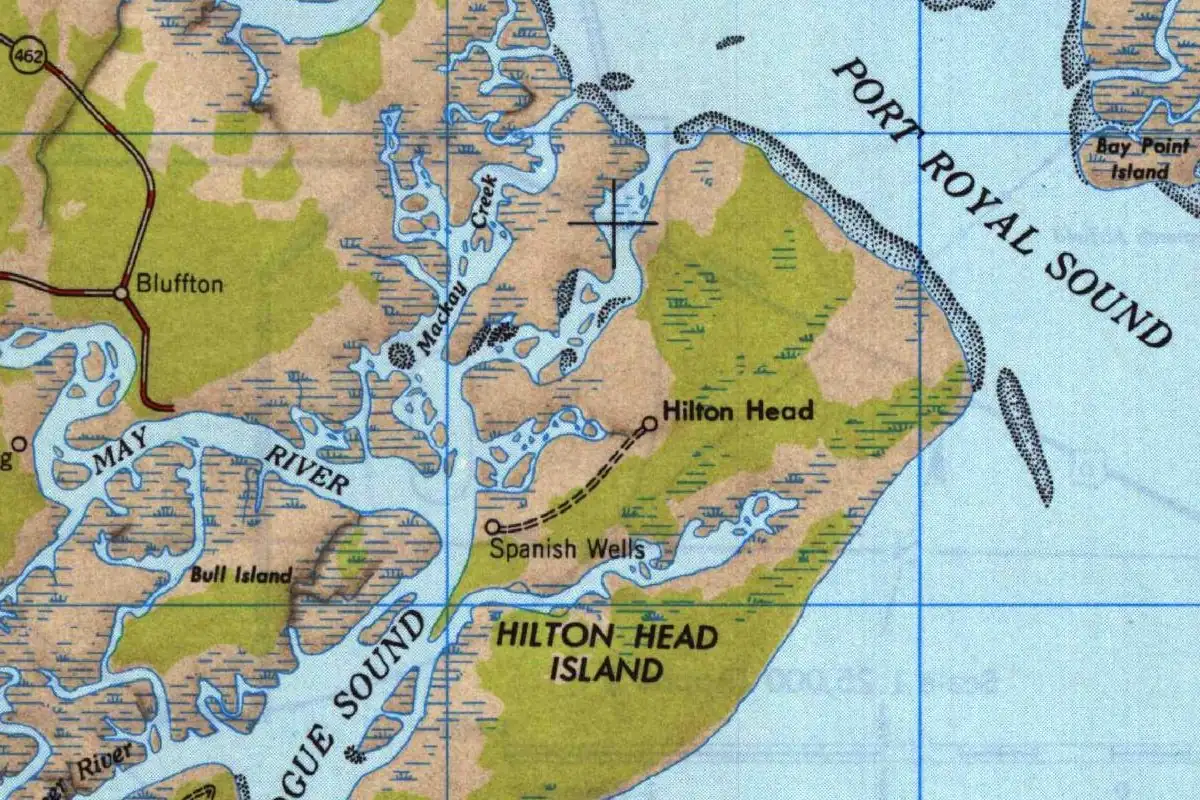 Beaufort County, SC
The "Head" in Hilton Head Island, South Carolina, is a headland: a wooded bluff that by 1666 was called Hilton Head, after Captain William Hilton.
DocumentedThe "Head" is a bluff named for Capt. William Hilton. The town calls it the East Coast's second largest barrier island. Source: 2025-2026 Beach Renourishment Project Frequently Asked Questions (Town of Hilton Head Island)
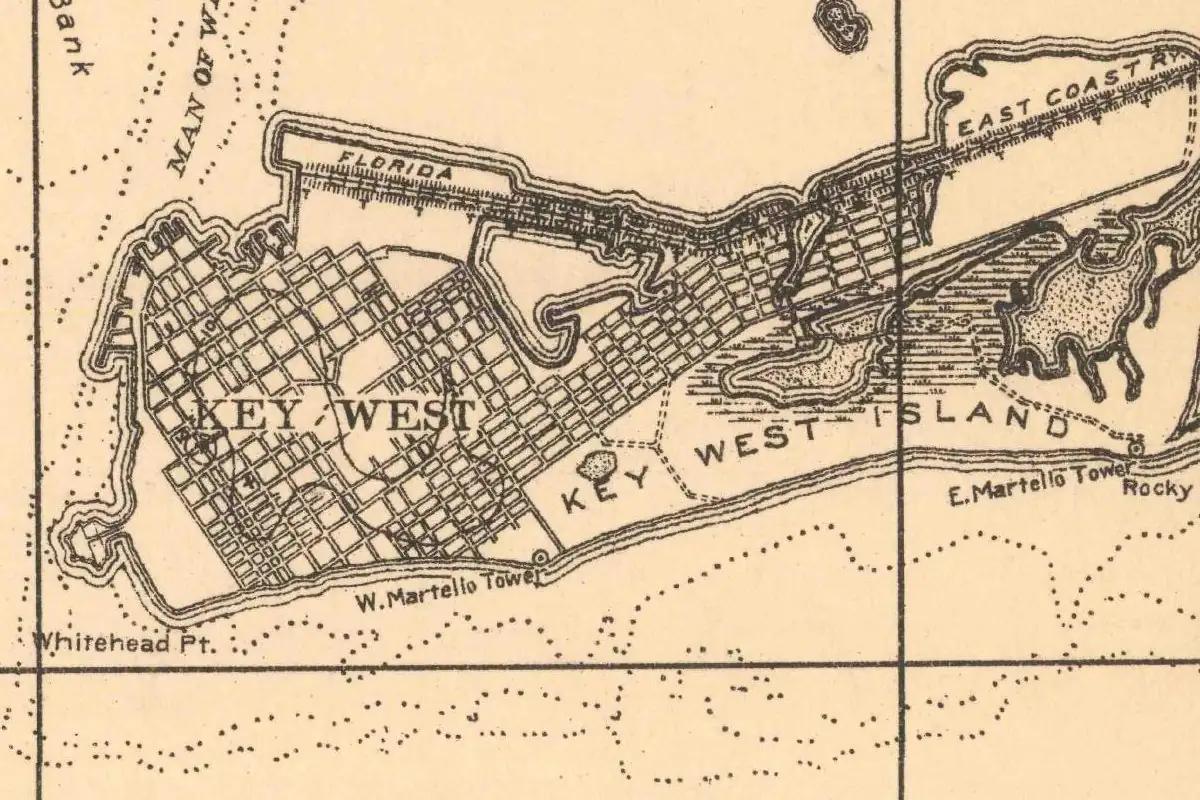 Monroe County, FL
Key West, Florida, may owe its name to a Spanish word for bones, or just to its spot at the west end of the keys. A 1912 history says no record settles it.
DisputedMaybe an English take on Cayo Hueso, "bone island," maybe just the west end of the keys. City police count 2 million-plus visitors a year. Source: About Us (Key West Police Department, City of Key West)
 Escambia County, FL
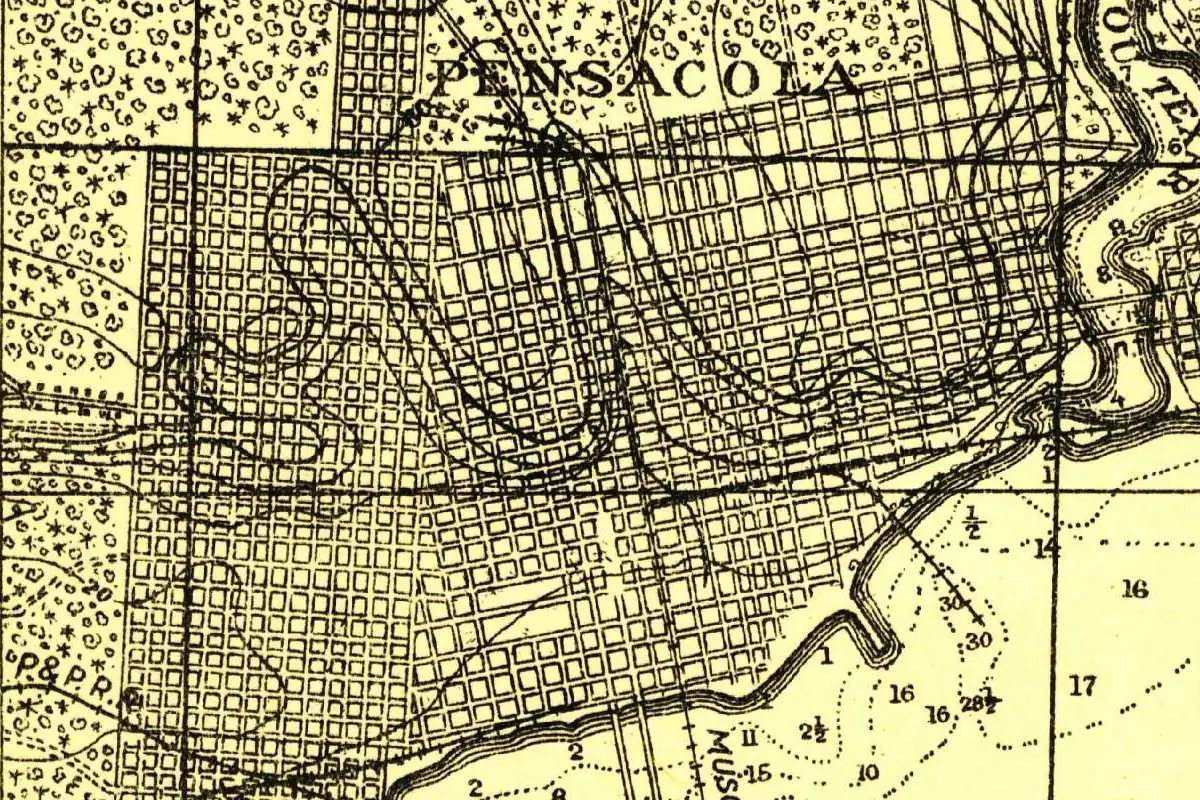
The people who gave Pensacola, Florida, its name were gone when Spain built a town on their bay in the 1690s. The name is Choctaw for "hair people."
DocumentedNamed for a people who left little but the name, "hair people" in Choctaw. Pensacola Beach is on one of the world's longest barrier islands. Source: About Our City (City of Pensacola)
 Harrison County, MS
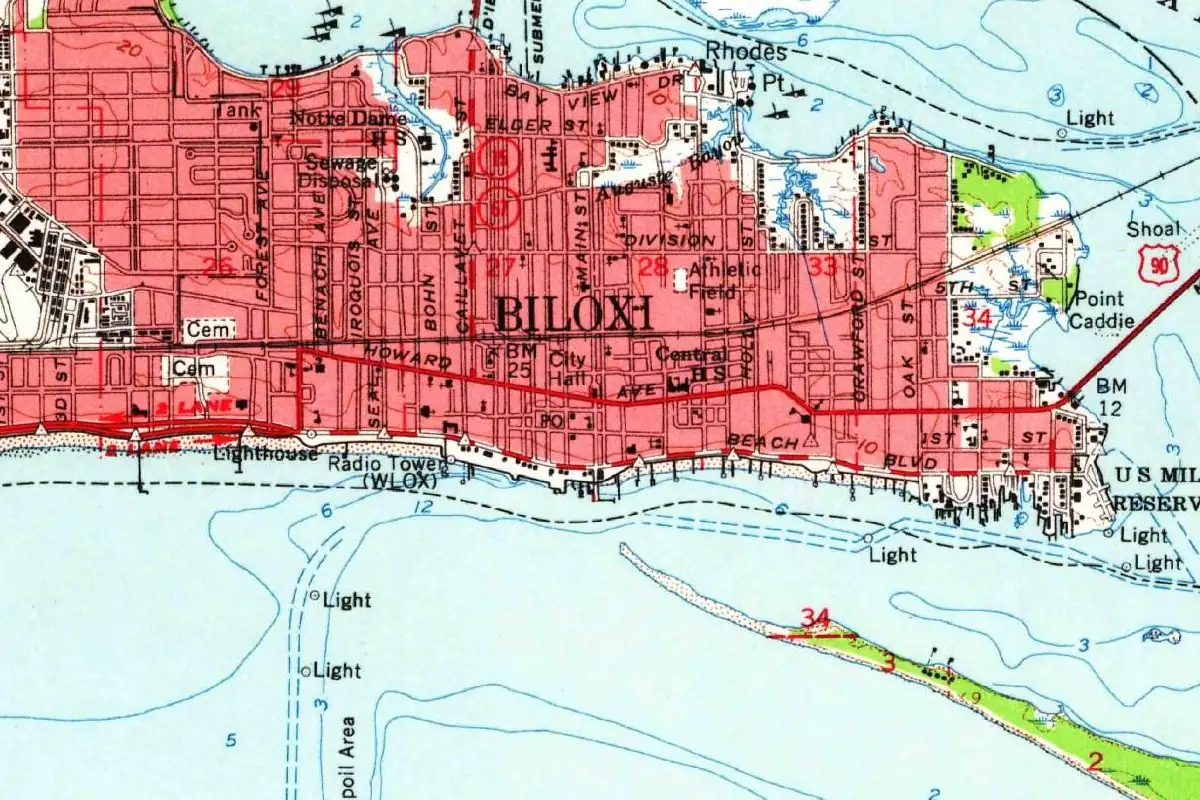
Biloxi, Mississippi, carries the name of a tribe whose people, a Mississippi historian reported, called themselves Taneks and refused to be called Biloxis.
DocumentedIts namesakes called themselves Taneks. The city says Biloxi grew into a favorite summer resort between 1817 and 1860. Source: History (City of Biloxi)
 Sitka City and Borough, AK
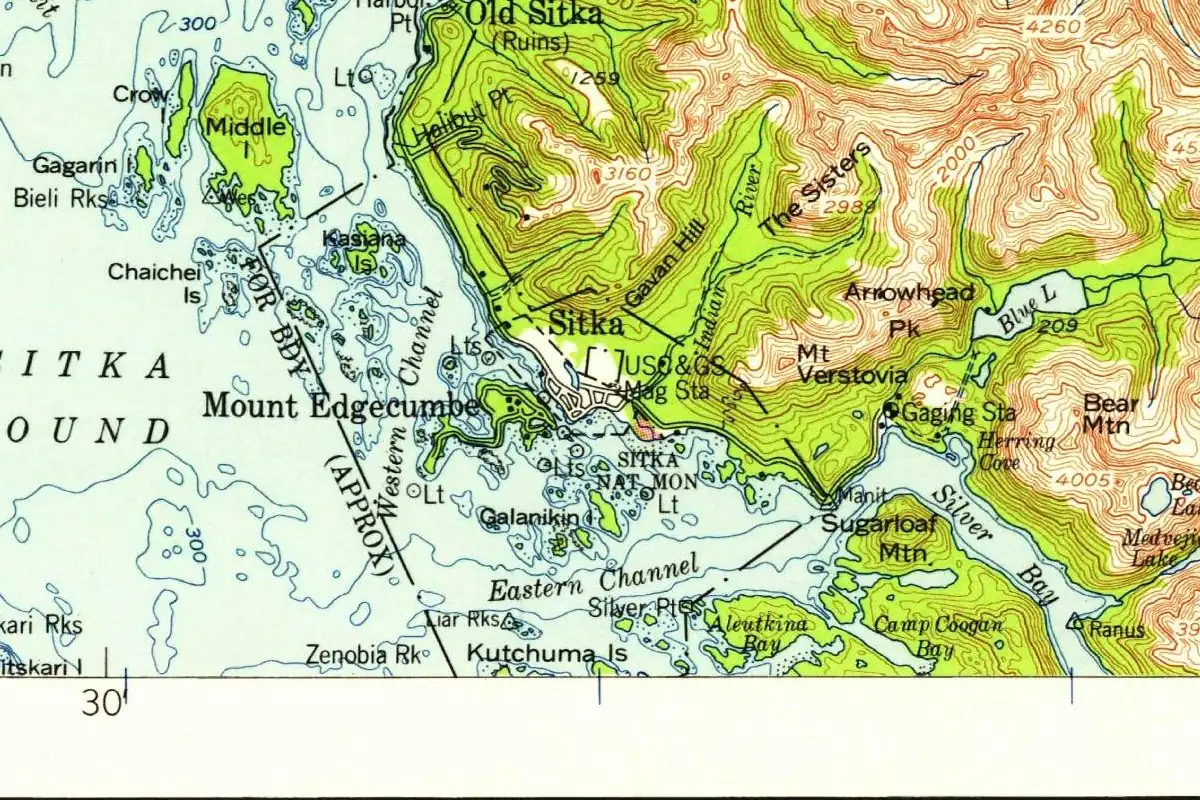
The Russians officially called their Alaska capital New Archangel, but the name that stuck was Sitka, taken from the Tlingit name for the place.
DocumentedIts Tlingit name may tie to Shi, the island's Native name. No roads reach Sitka, so you come by air or sea. Source: Directions - Sitka National Historical Park (National Park Service)
 Honolulu County, HI
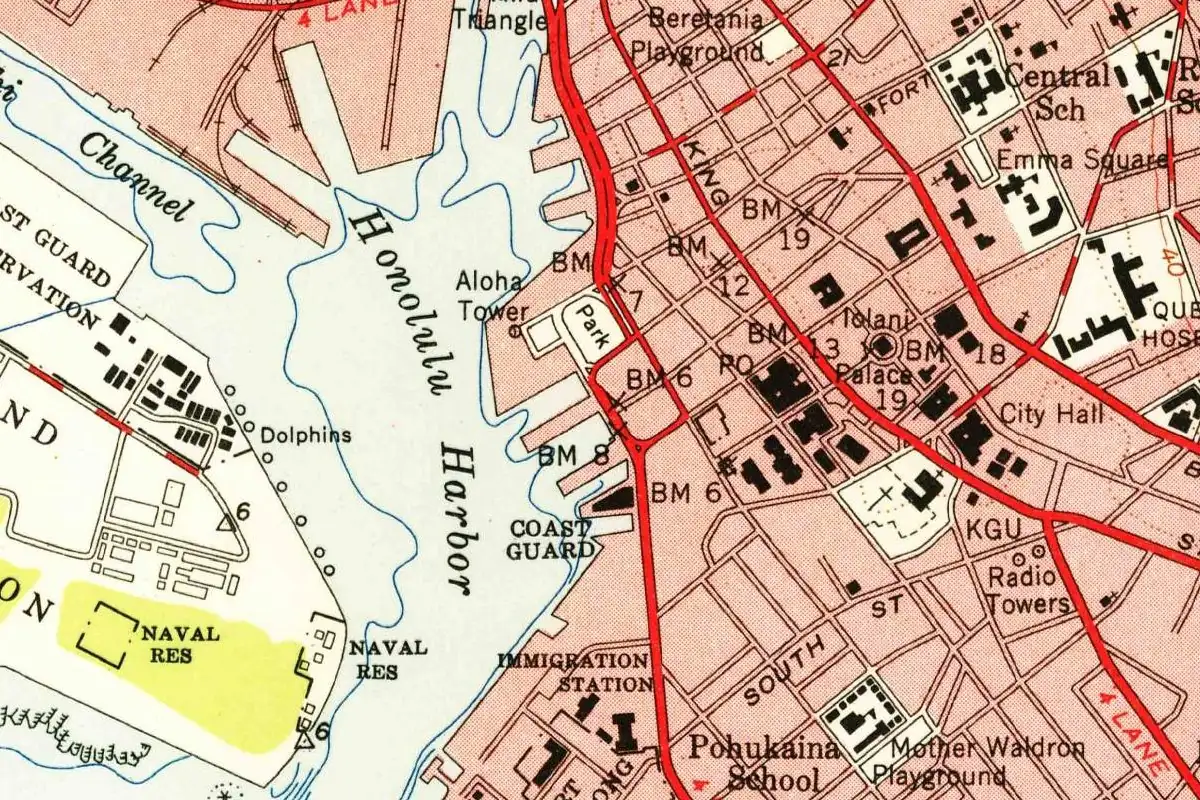
A captain who sailed into Honolulu's harbor in 1794 called it Fair Haven, and that's just how early scholars translated the Hawaiian name Honolulu.
DocumentedRead as "fair haven" or "quiet harbor" in Hawaiian. The state's tourism site places Waikiki Beach in Honolulu. Source: Honolulu Hawaii Travel Guide & Vacation Information (Hawai'i Tourism Authority)
 Hawaii County, HI
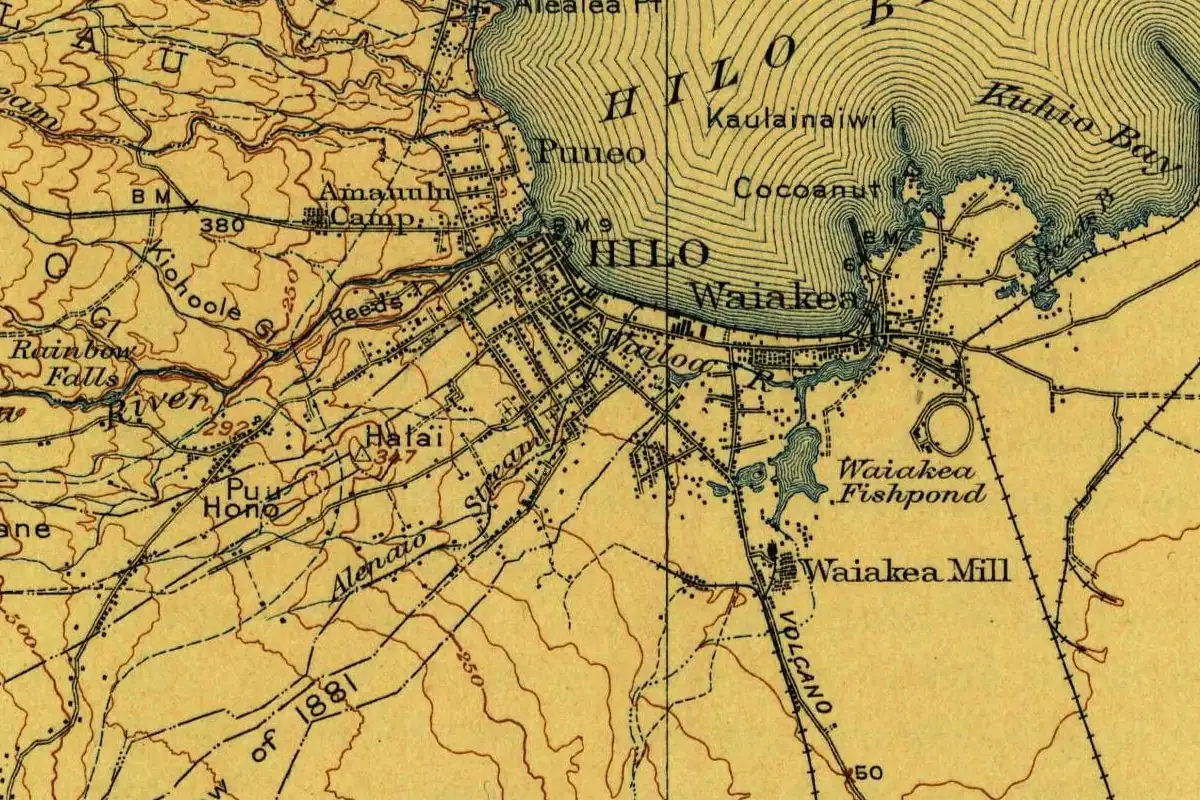
Hilo, Hawaii, carries the name of an ancient Polynesian navigator, according to the place-name lists of 1903 and 1922, and neither list says who he was.
DocumentedNamed, the early lists say, for an ancient navigator they never identify. Downtown Hilo was built around a crescent-shaped bay. Source: Hilo - Island of Hawaii (Hawai'i Tourism Authority)
Sources for this page
- About Nantucket (Town of Nantucket) (accessed Oct 31, 2026)