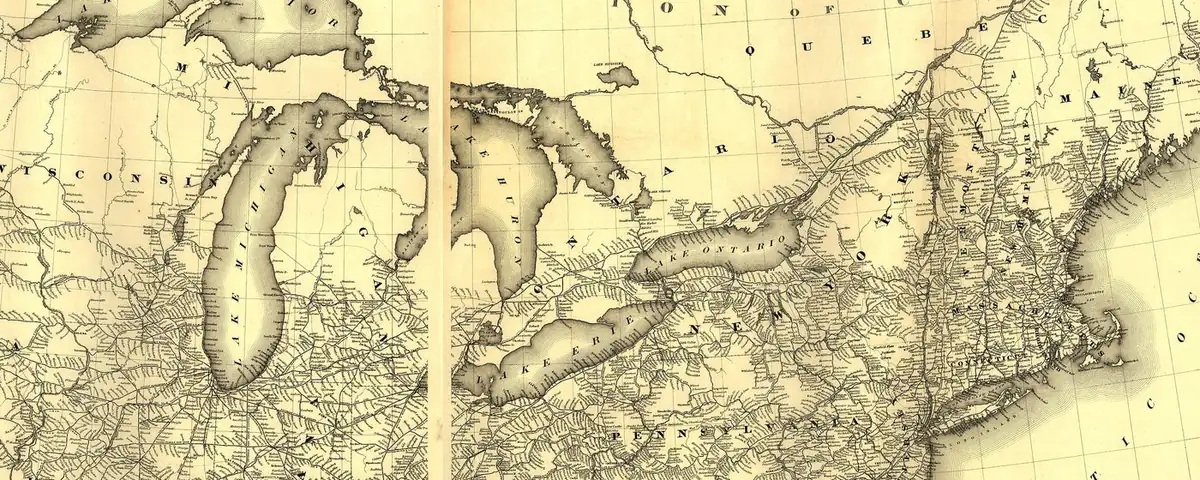
Motor Towns: The Name Stories Behind Cars, Tires and Racing
The first Indianapolis 500 ran on May 30, 1911, and the city in its name got that name back in 1821, from a motion that made the Indiana House laugh. That’s the catch with car country. You might come for a speedway, an old plant or a car museum, but every name on this page is older than the automobile.
And none of the names says “car.” Some come from water: a French word for a strait, a river, a creek. Some honor people, from a Greek general and a queen to a surveyor who spelled his name with an extra a and a Miami man whose name still starts arguments. A couple reach for Greek, one borrowed a city in Spain, and one came west with settlers from their hometown in New York. Akron got a Greek word for high, picked for the top of a canal, decades before Goodyear helped make it the “Rubber Capital of the World,” as an Ohio marker puts it.
This page is for you if you’re planning a trip around cars, tires or racing and want the story behind the place on the sign. Each stop has a short note on its motor history, with a source, and links to the full story of its name, so you can check every detail yourself.
How we picked these. The city has a documented part in the history of the automobile, tires or auto racing, shown by an official source (the National Park Service, a state historical marker, a city or state agency) or a serious encyclopedia or archive. Each story below lists the source that confirms it.
 Wayne County, MI
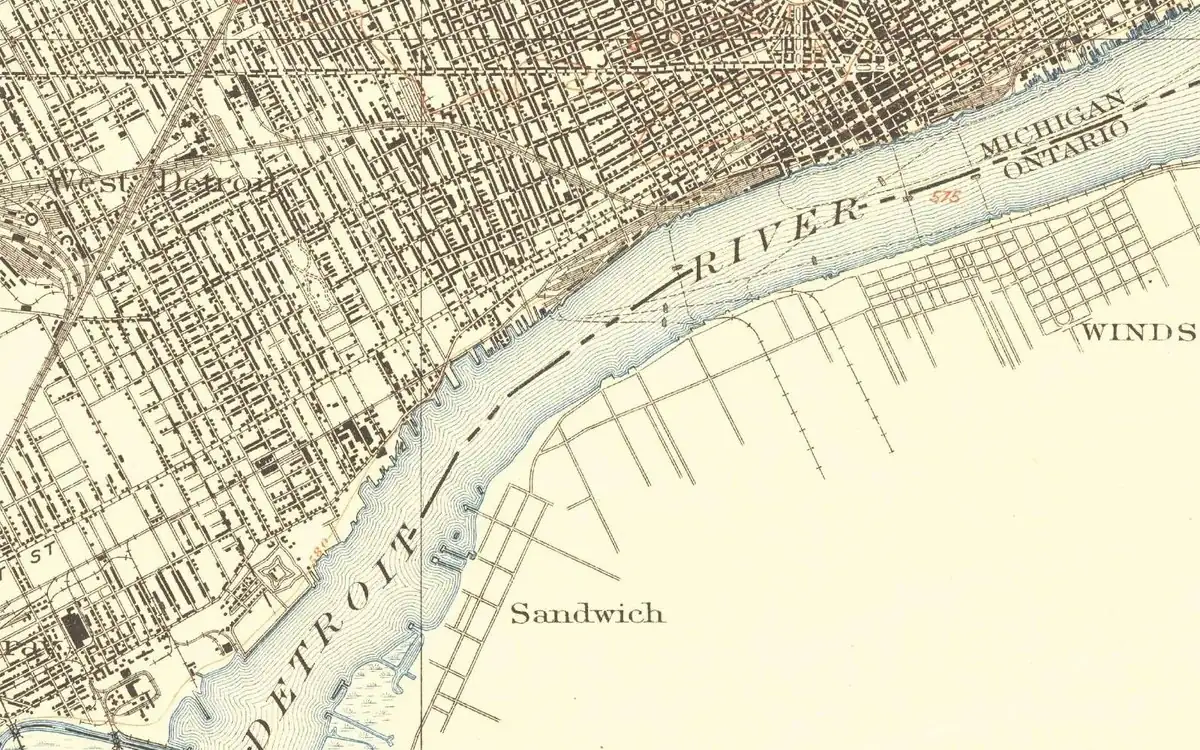
Detroit, Michigan, took its name from the river, and the river got it from French explorers who called it a détroit, a strait.
DocumentedThe Park Service's MotorCities heritage area says metro Detroit switched from building cars to war materials in World War II. Source: MotorCities National Heritage Area (U.S. National Park Service)
 Washtenaw County, MI
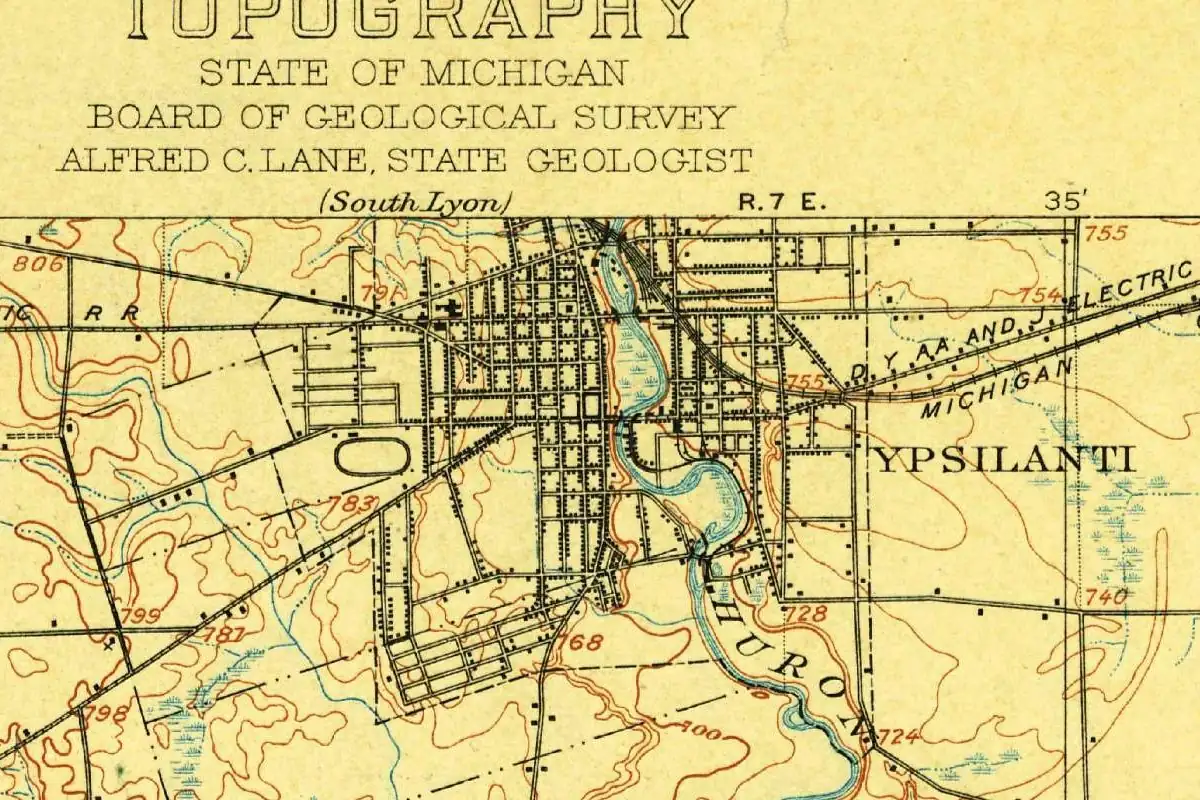
Ypsilanti, Michigan, came close to being called Waterville. A territorial judge wanted to honor a Greek general instead, and in 1825 his choice won.
DocumentedThe Park Service lists the Ypsilanti Automotive Heritage Museum among the historic sites of the MotorCities heritage area. Source: MotorCities National Heritage Area (U.S. National Park Service)
 Ingham County, MI
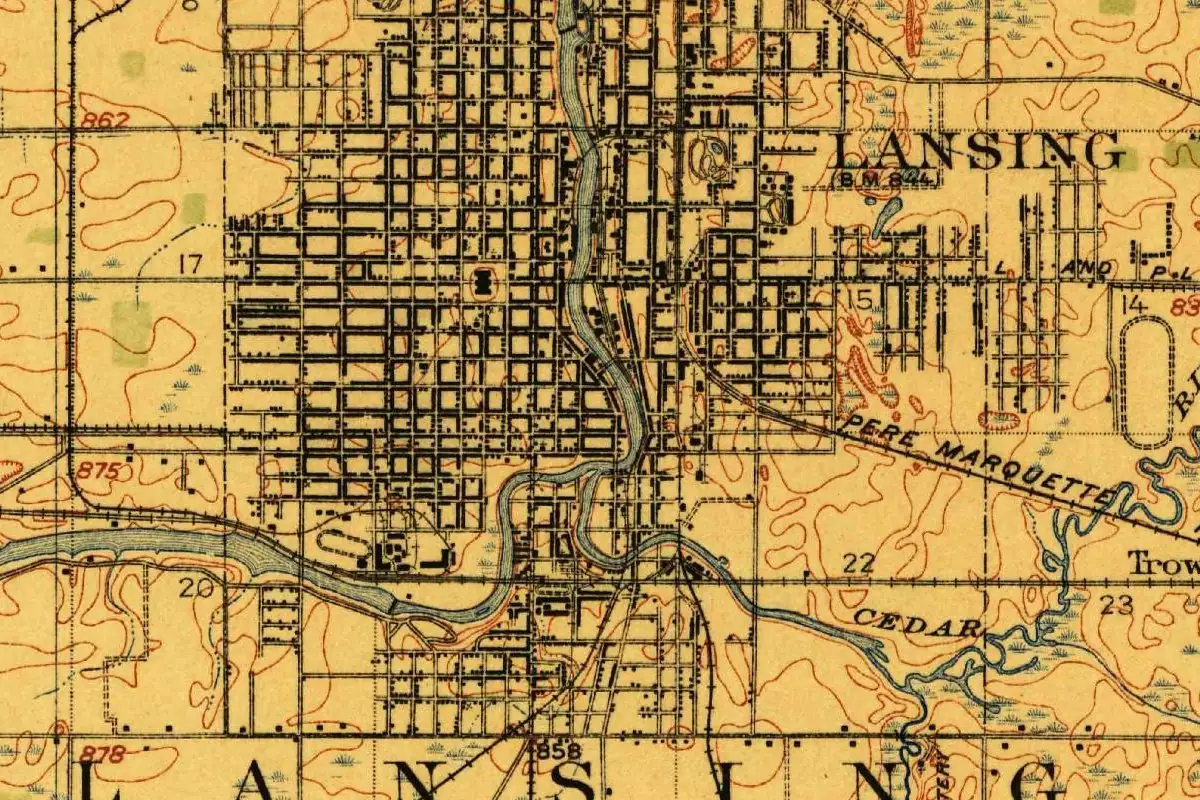
For its first months as the capital, Lansing, Michigan, was officially the Town of Michigan. Its real name came from New York, by way of a paper town.
DocumentedRansom E. Olds set up his Reo car plant in Lansing in 1904. It became a National Historic Landmark in 1978 and was torn down by 1980. Source: Reo Motor Car Company Plant (U.S. National Park Service)
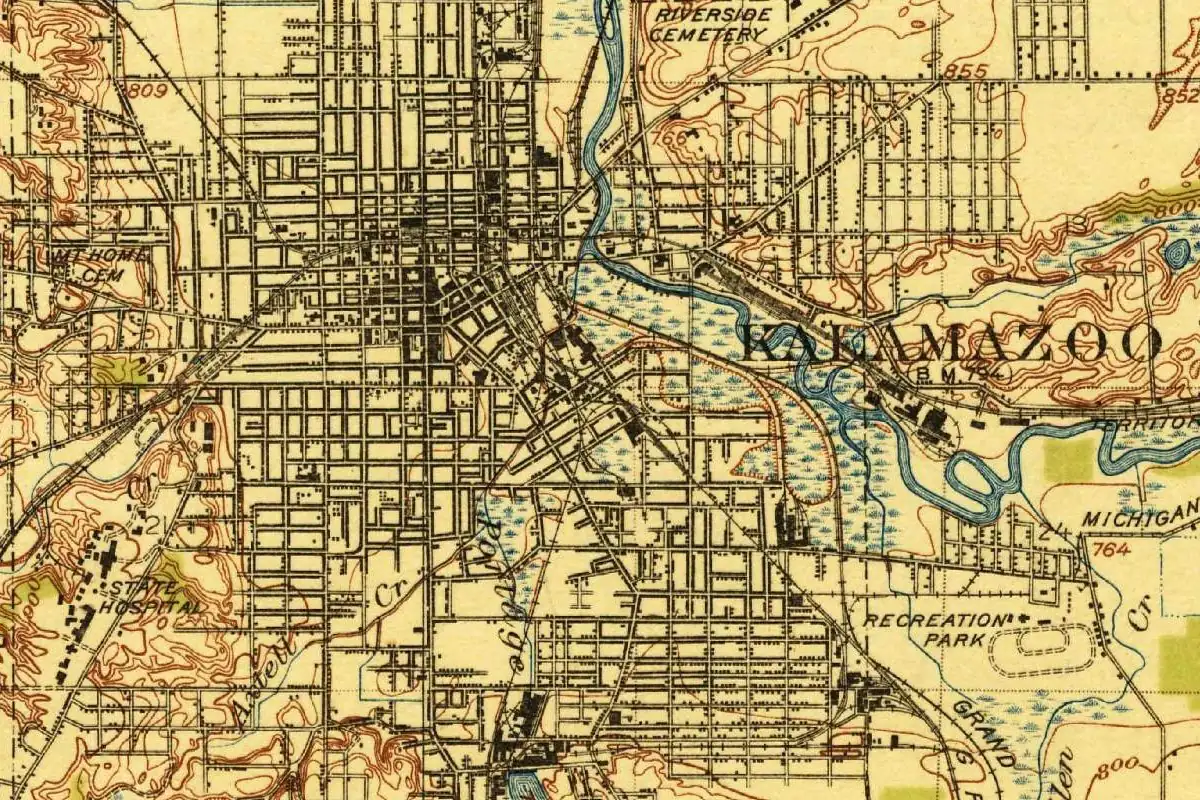 Kalamazoo County, MI
Kalamazoo, Michigan, was called Bronson, after its first settler, until the Legislature swapped his name for the river's in 1836.
DocumentedThe Checker cab company moved to Kalamazoo in 1923 and built its last Checker cab there on July 12, 1982. Source: Checker Motors Corporation (Western Michigan University Archives)
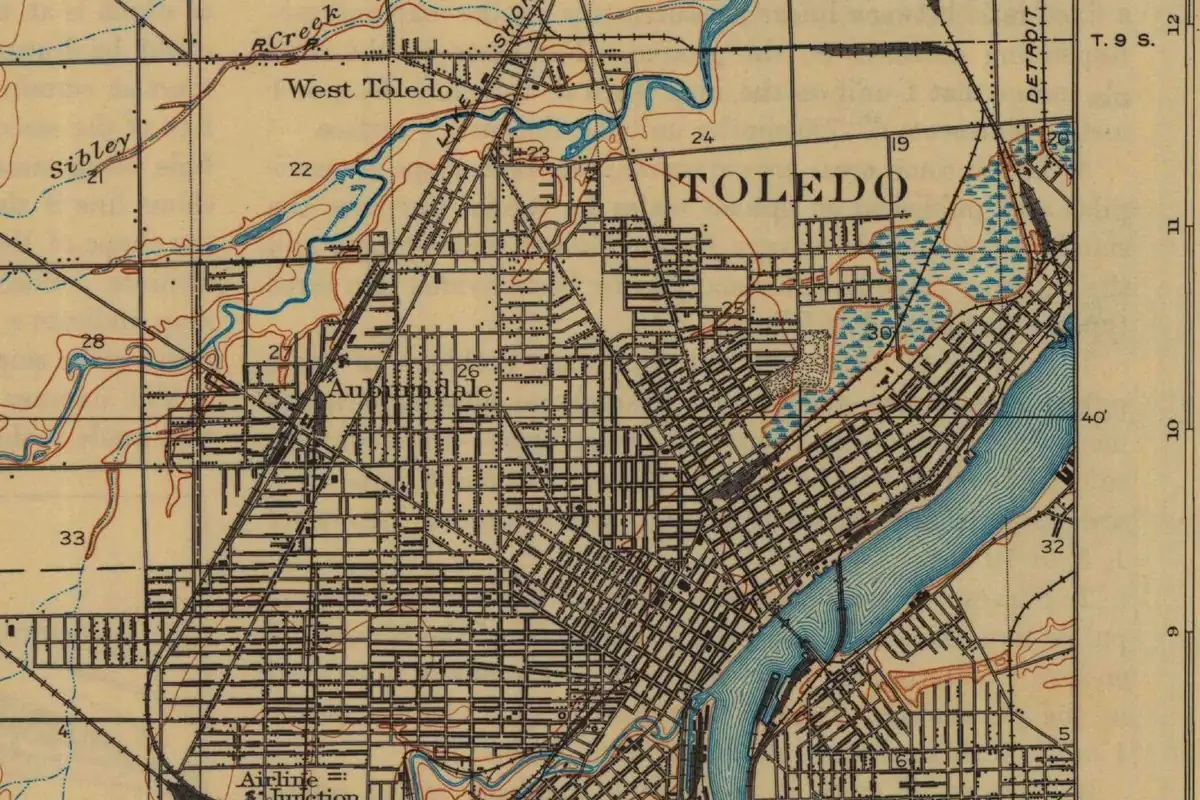 Lucas County, OH
Toledo, Ohio, is named for the old city in Spain, but at least four people have been credited with suggesting it, and the books don't agree on who.
DisputedAn Ohio marker says John North Willys consolidated his car production in Toledo in 1908, and the company's best-known product is the Jeep. Source: Willys-Overland Finishing Plant (Ohio History Connection marker 67-48)
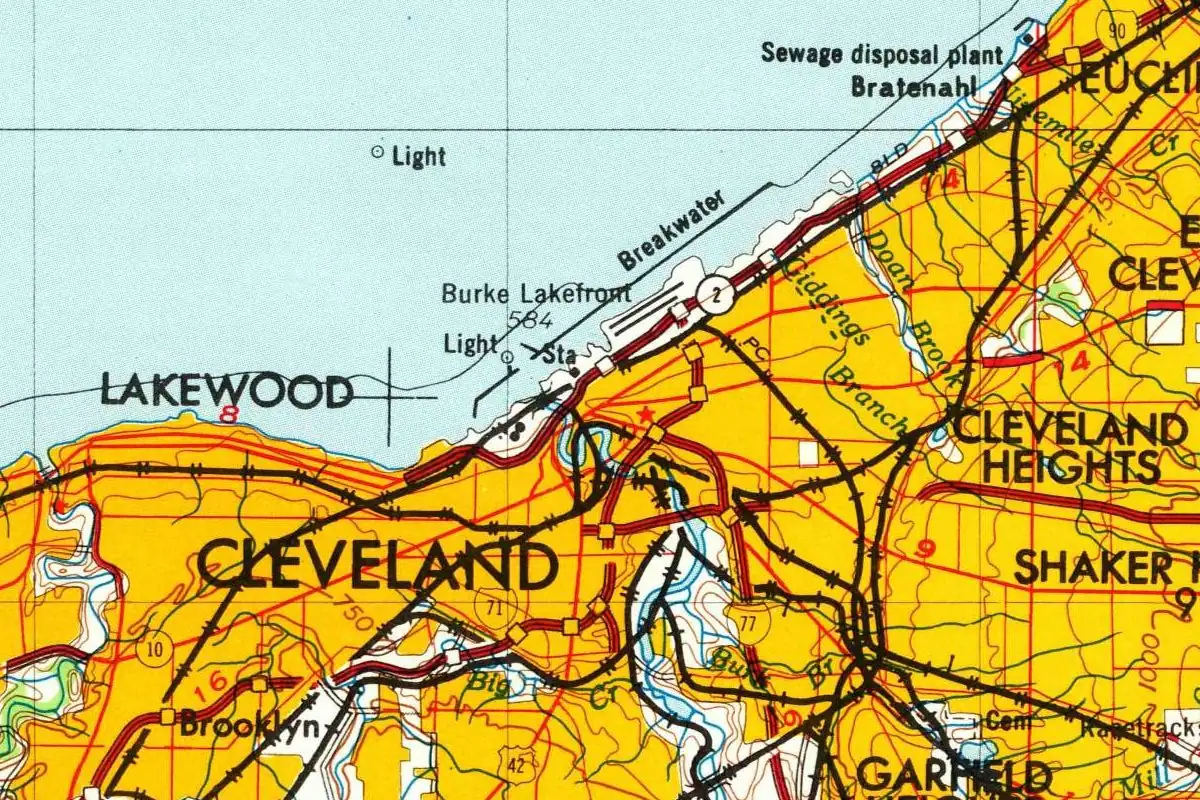 Cuyahoga County, OH
Cleveland, Ohio, is missing a letter: the surveyor it's named for, Moses Cleaveland, spelled his name with an a.
DocumentedWinton, Baker and White led Cleveland's early rise in the auto industry, the Encyclopedia of Cleveland History says. Source: Automotive Industry (Encyclopedia of Cleveland History, Case Western Reserve University)
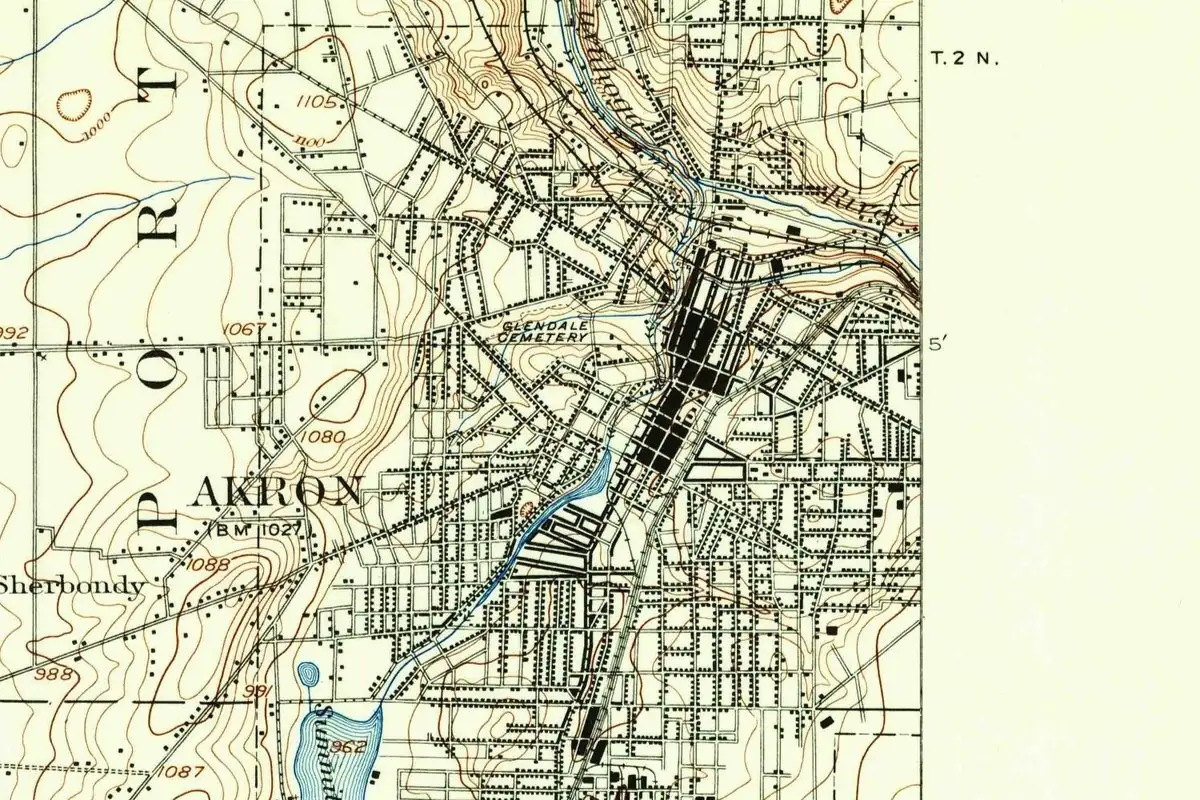 Summit County, OH
General Simon Perkins wanted a name for his new canal town that a punning neighbor couldn't joke about, and Akron, Ohio, got a Greek word for high.
DocumentedAn Ohio marker says Goodyear grew with the young auto industry and helped make Akron the 'Rubber Capital of the World.' Source: Franklin Augustus "F.A." Seiberling and the Goodyear Tire and Rubber Company (Ohio History Connection marker 23-77)
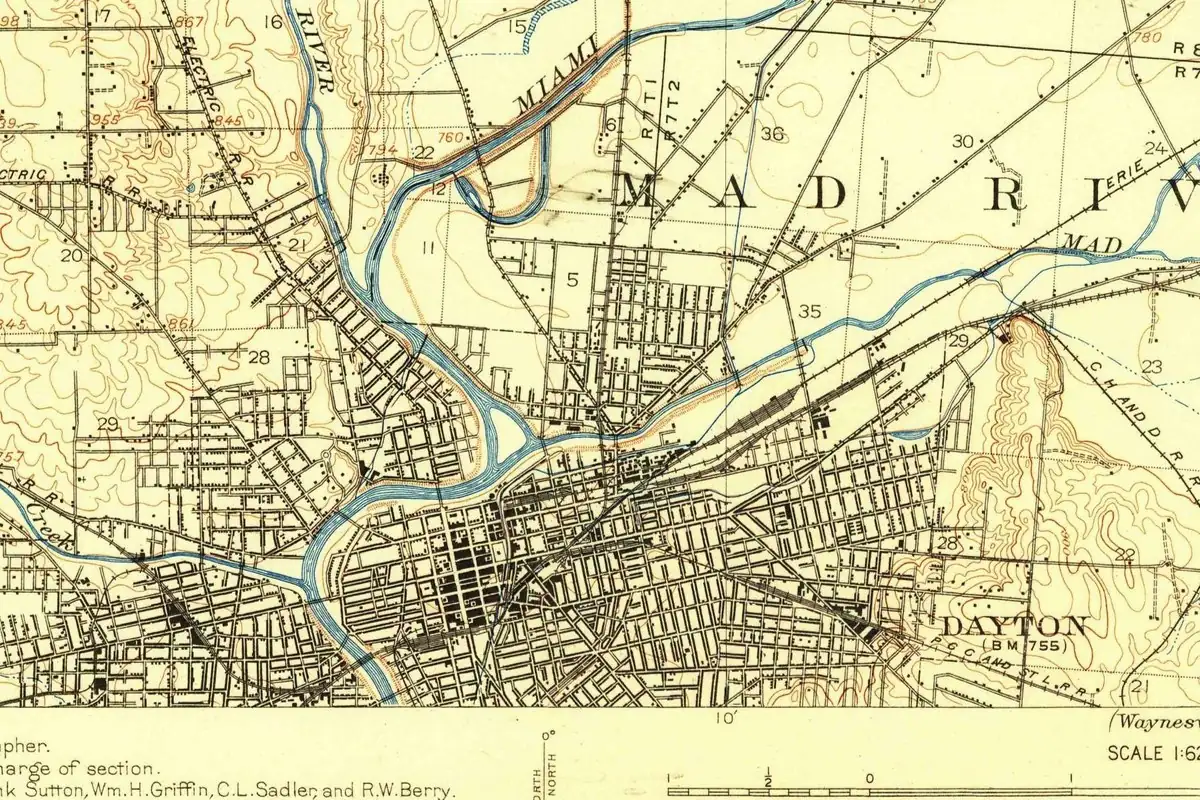 Montgomery County, OH
Before Dayton, Ohio, existed, land buyers planned a town called Venice on the same spot, and they meant to rename Mad River the Tiber.
DocumentedCharles Kettering founded Delco in 1909 and developed the electric self-starter, first used in 1912 Cadillacs, a Dayton marker says. Source: Charles F. Kettering (Ohio History Connection marker 4-57)
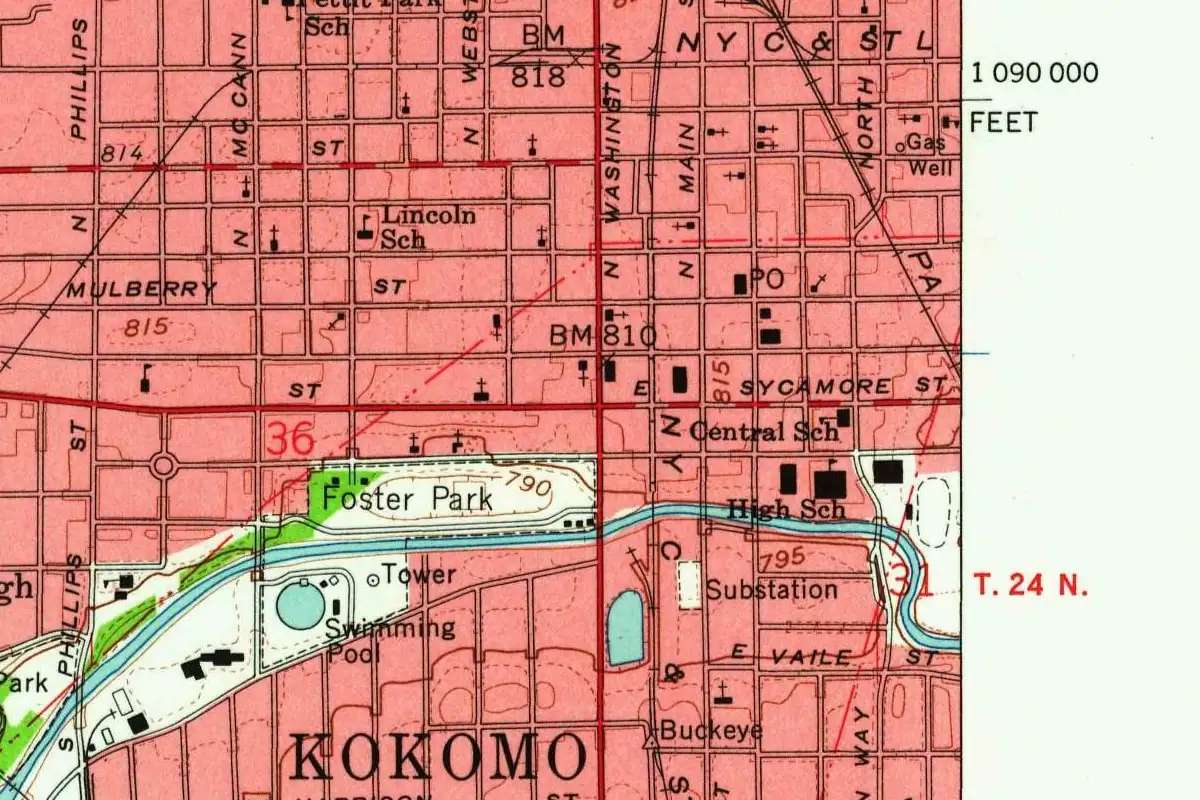 Howard County, IN
Kokomo, Indiana, carries the name of a Miami man, but the old books give at least three meanings for it and agree on none.
DisputedA state marker in Kokomo says Elwood Haynes made the first test run of a car he designed and built here on July 4, 1894. Source: Haynes' Horseless Carriage (Indiana Historical Bureau marker)
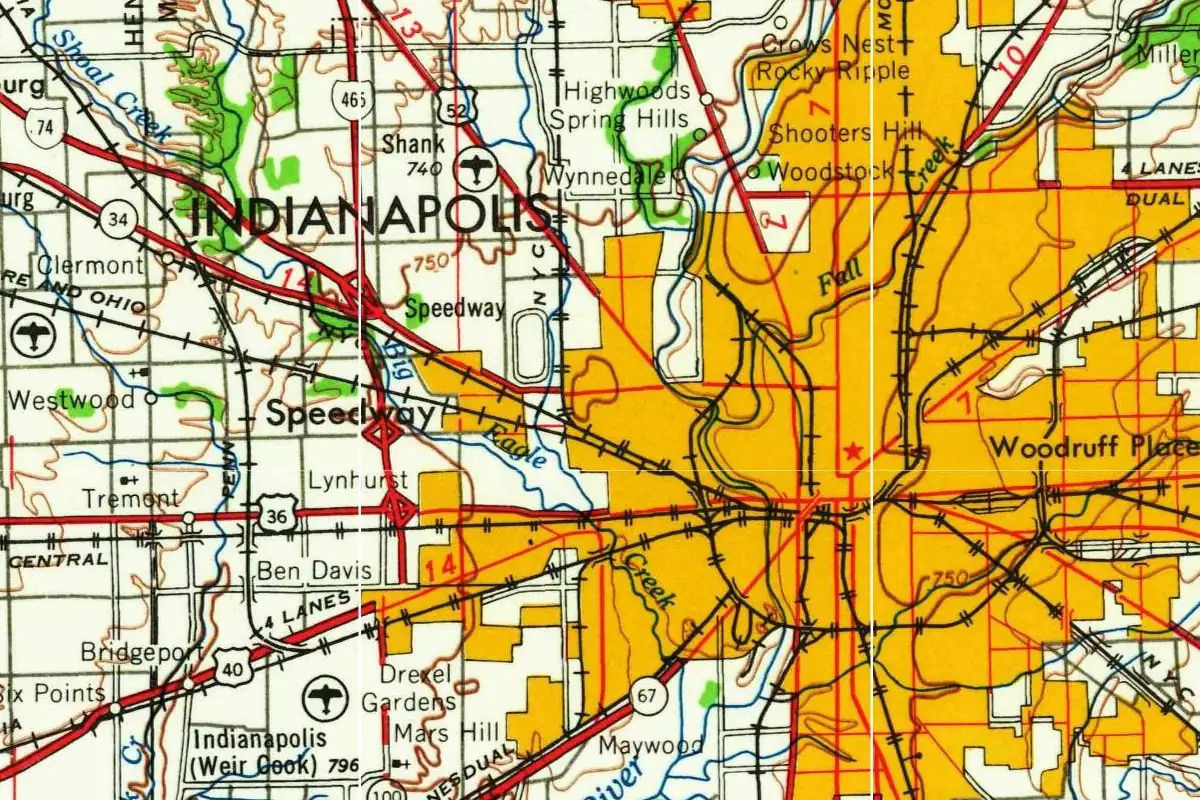 Marion County, IN
When Jeremiah Sullivan proposed the name Indianapolis for Indiana's new capital in 1821, the House laughed. Then it voted yes.
DocumentedThe Indianapolis Motor Speedway was built in 1909, and the first Indianapolis 500 ran there on May 30, 1911. Source: The First 500 (Indianapolis Motor Speedway)
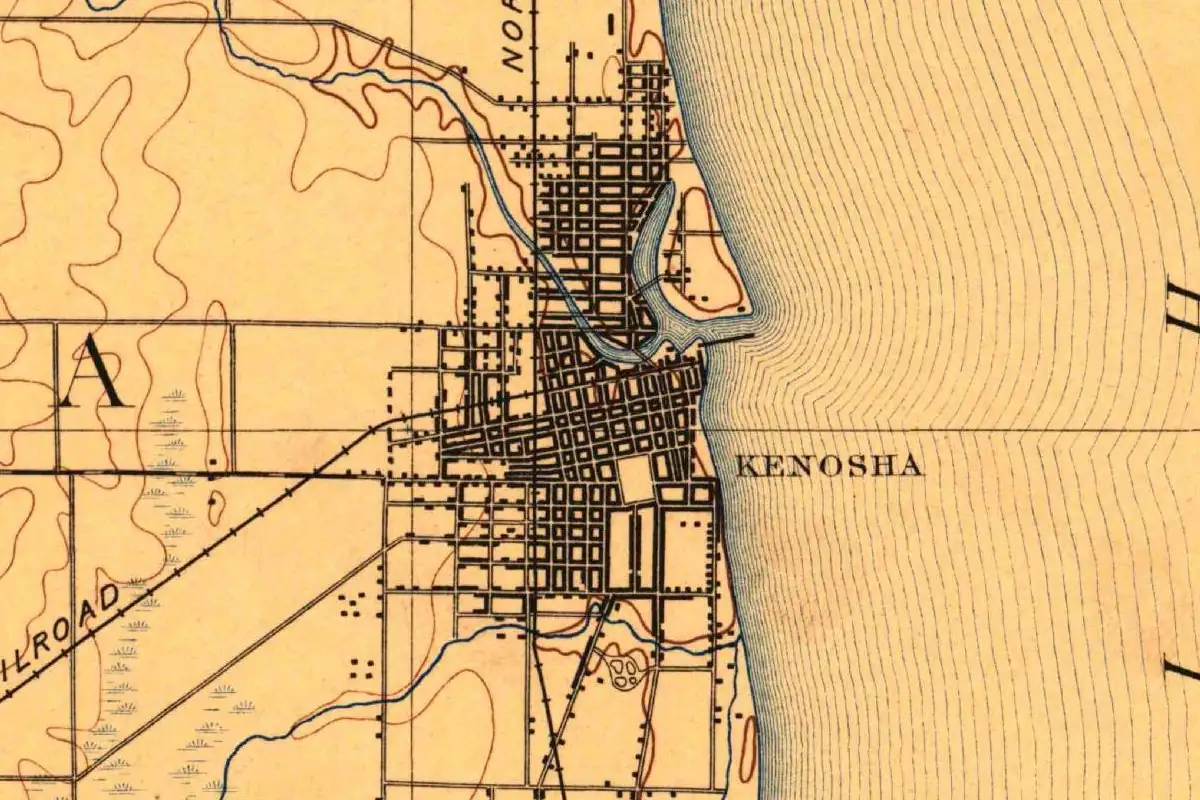 Kenosha County, WI
Kenosha, Wisconsin, went by Pike and then Southport for 15 years before it took the Indian name of its creek, a word said to mean pike.
DocumentedThomas Jeffery started building the Rambler in Kenosha in 1902, and car assembly in the city ended in 1988, Visit Kenosha says. Source: Kenosha Homecoming Car Show (Visit Kenosha)
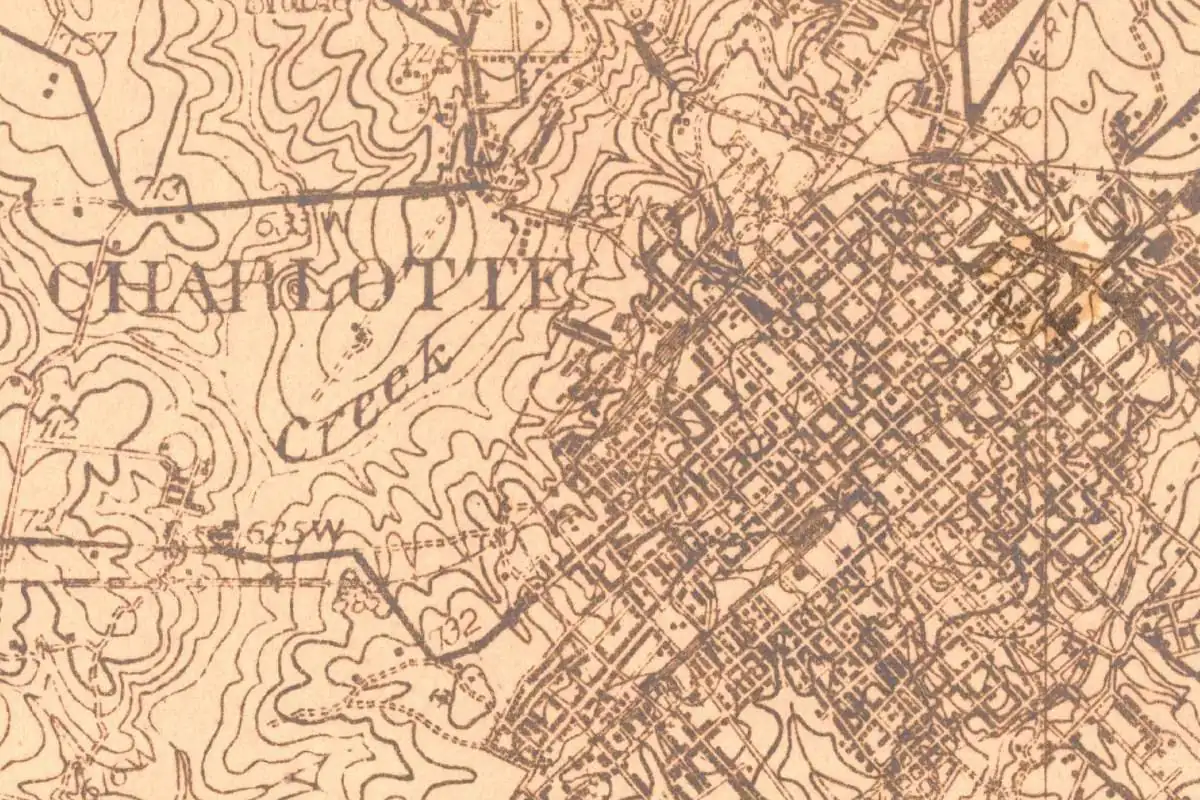 Mecklenburg County, NC
Charlotte, North Carolina, is named for a queen, and so is the county it sits in: Charlotte of Mecklenburg-Strelitz, who married King George III in 1761.
DocumentedThe NASCAR Hall of Fame, which honors the history and heritage of NASCAR, stands in Uptown Charlotte. Source: NASCAR Hall of Fame (Charlotte Regional Visitors Authority)
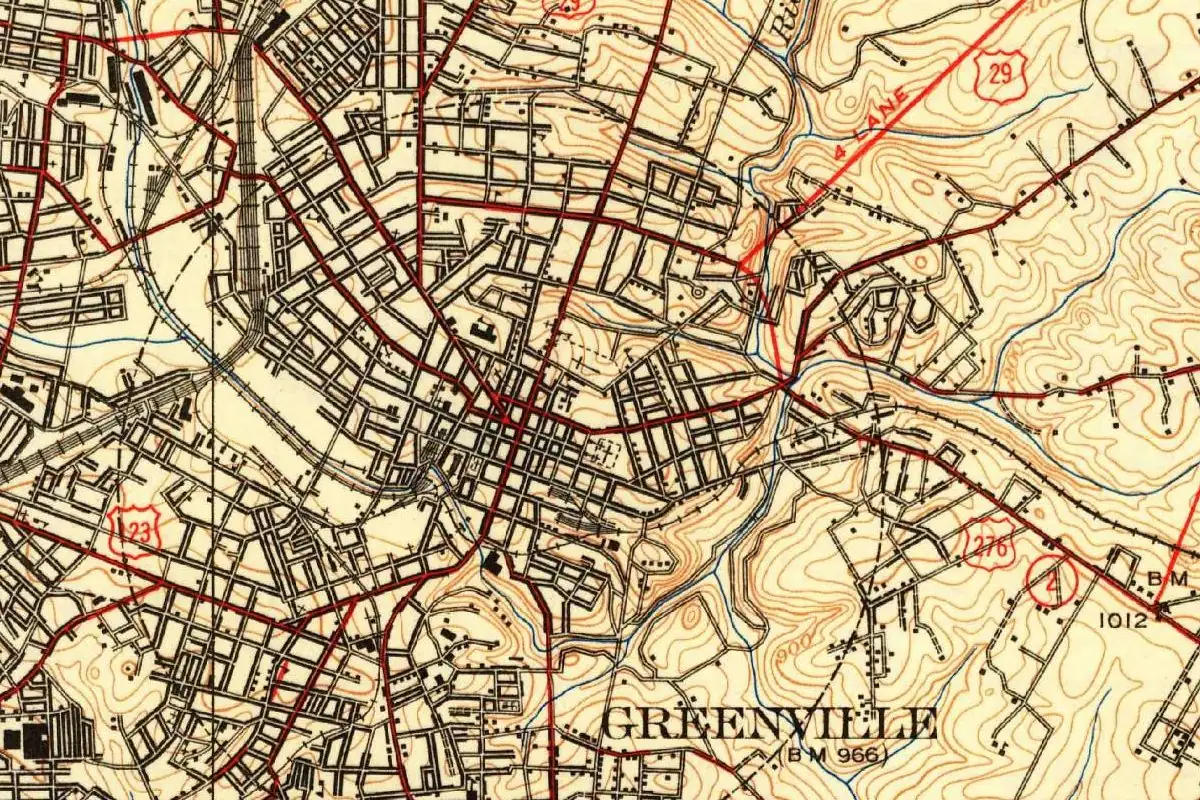 Greenville County, SC
Nobody has settled where the name Greenville, South Carolina, came from, and the old books don't even agree on whether it honors a person.
DisputedMichelin opened its Greenville tire factory in March 1975 and moved its U.S. headquarters to Greenville in 1985. Source: Michelin (South Carolina Encyclopedia)
Sources for this page
- The First 500 (Indianapolis Motor Speedway) (accessed Oct 31, 2026)
- About the Track (Indianapolis Motor Speedway) (accessed Oct 31, 2026)
- MotorCities National Heritage Area (U.S. National Park Service) (accessed Oct 31, 2026)
- Franklin Augustus "F.A." Seiberling and the Goodyear Tire and Rubber Company (Ohio History Connection marker 23-77) (accessed Oct 31, 2026)