Civil Rights Trail Towns and the Stories Behind Their Names
Selma, Alabama, where the 1965 marches for voting rights set out for Montgomery, got its name from a book of poetry. The U.S. Civil Rights Trail links churches, courthouses, schools, museums and other landmarks in 15 states that played a big part in the fight for civil rights in the 1950s and 1960s. If you’re planning a trip along it, the places you’ll stop at have a second story too, and it’s in their names.
Those names are a lot older than the events that made these cities famous. Plenty honor people: Andrew Jackson twice, Sir Walter Raleigh, the Marquis de Lafayette, a regent of France and two kings, one French and one English. Others come from Native peoples and languages, like an old Muscogee (Creek) town, a Caddo tribe and two Choctaw words for black warrior. Some describe the land, like a small rock on the Arkansas River, and some were borrowed from far away, like ancient Egypt’s Memphis. In places like Montgomery, Atlanta and Greenville, the old sources still don’t agree, and the articles show you where they split.
This page is for you if you’re planning a trip around civil rights history and want the story behind each stop’s name. Every city here has a site on the trail or in the National Park Service’s African American Civil Rights Network, with a link to the page that says so. The list isn’t complete yet: Birmingham, Greensboro and Washington, D.C., are on the trail but don’t have their name stories on the site so far.
How we picked these. The city has at least one place listed on the official U.S. Civil Rights Trail or in the National Park Service's African American Civil Rights Network, and Town Name Stories has published the story of its name. Each story below lists the source that confirms it.
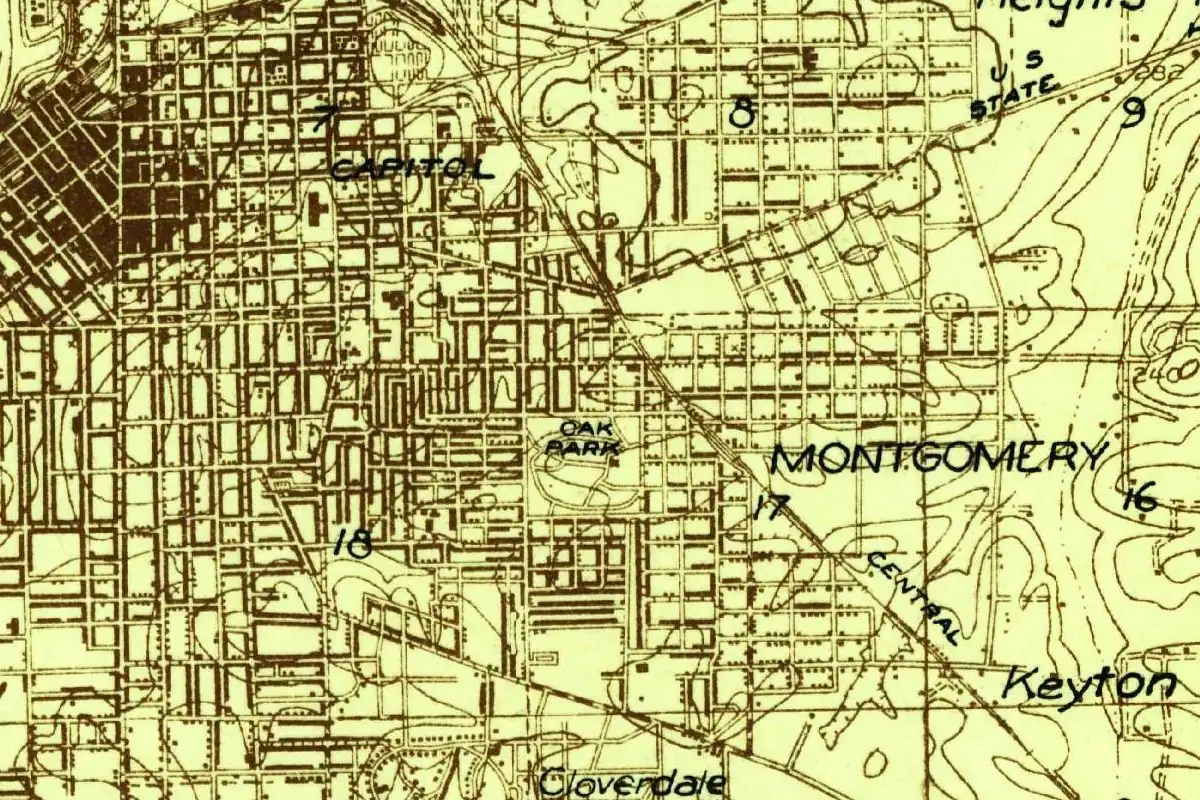 Montgomery County, AL
Everybody agrees Montgomery, Alabama, is named for a man called Montgomery, but the old books don't agree on which one.
DisputedThe third Selma march for voting rights ended at Alabama's Capitol here, and the trail marks the site of Rosa Parks' arrest. Source: Explore Montgomery's Civil Rights History (U.S. Civil Rights Trail)
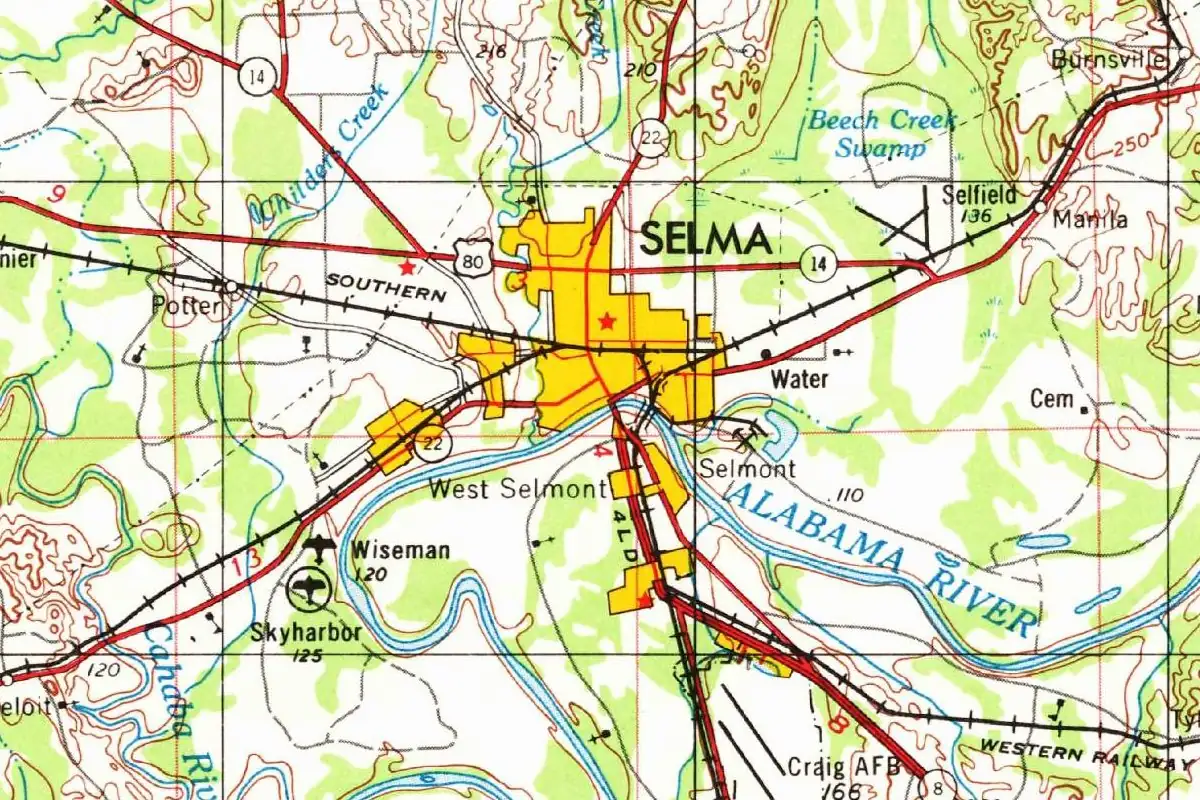 Dallas County, AL
William Rufus King, who later became vice president of the United States, gave Selma, Alabama, its name, and he took it from a book of poetry.
DocumentedSelma was the starting point for three marches for voting rights. The trail lists the Edmund Pettus Bridge and Brown Chapel AME Church. Source: Explore Selma's Civil Rights History (U.S. Civil Rights Trail)
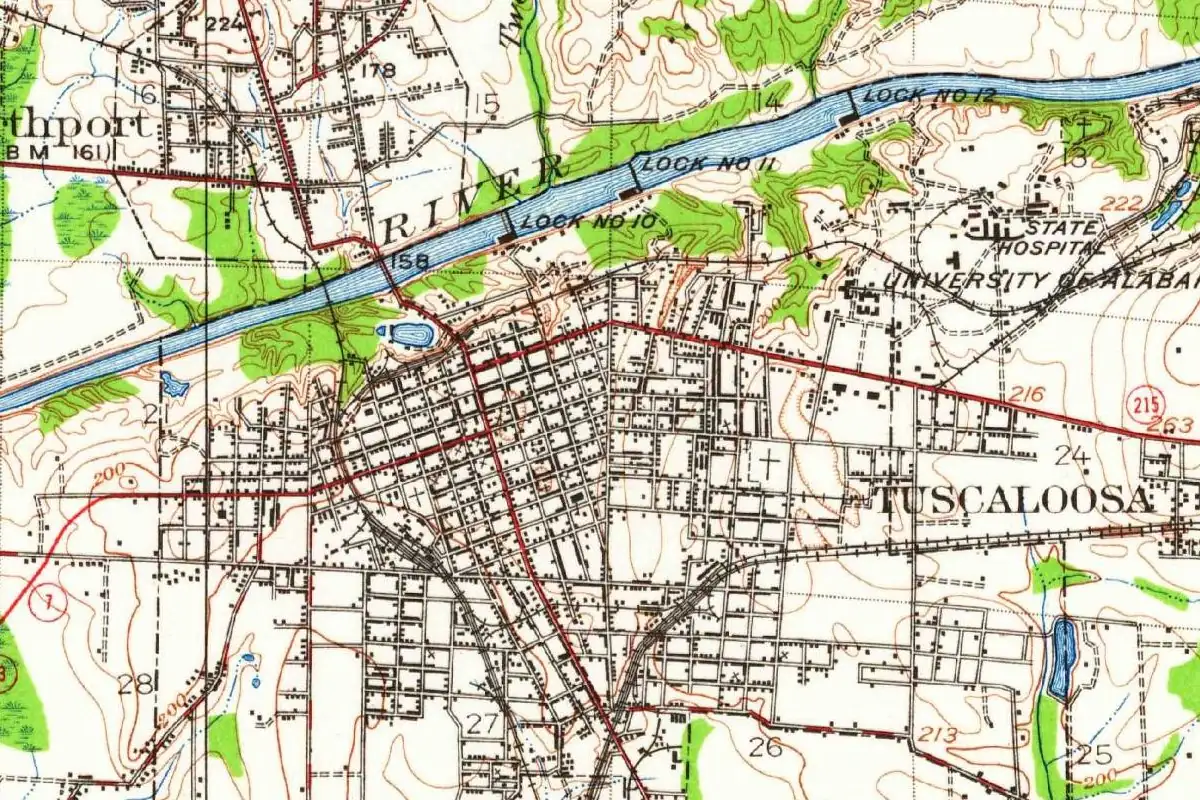 Tuscaloosa County, AL
Tuscaloosa, Alabama, comes from two Choctaw words that mean black warrior, the same name the river beside it carries in English.
DisputedOn June 11, 1963, Gov. George Wallace stood in the door of Foster Auditorium to block two Black students from enrolling. Source: Explore Tuscaloosa's Civil Rights History (U.S. Civil Rights Trail)
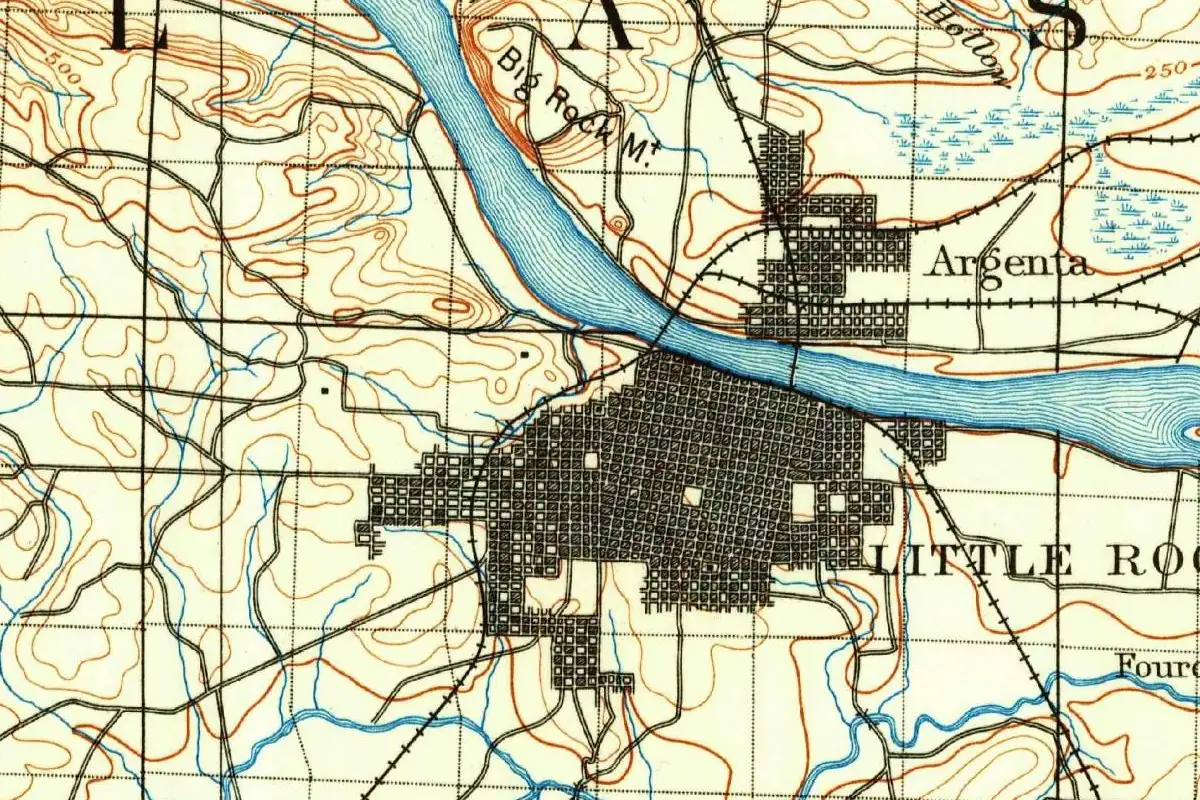 Pulaski County, AR
By 1911, the rock that gave Little Rock, Arkansas, its name was holding up the end of a railroad bridge.
DocumentedThe Little Rock Nine entered Central High School in 1957 under federal protection. The school is now a national historic site. Source: Explore Little Rock's Civil Rights History (U.S. Civil Rights Trail)
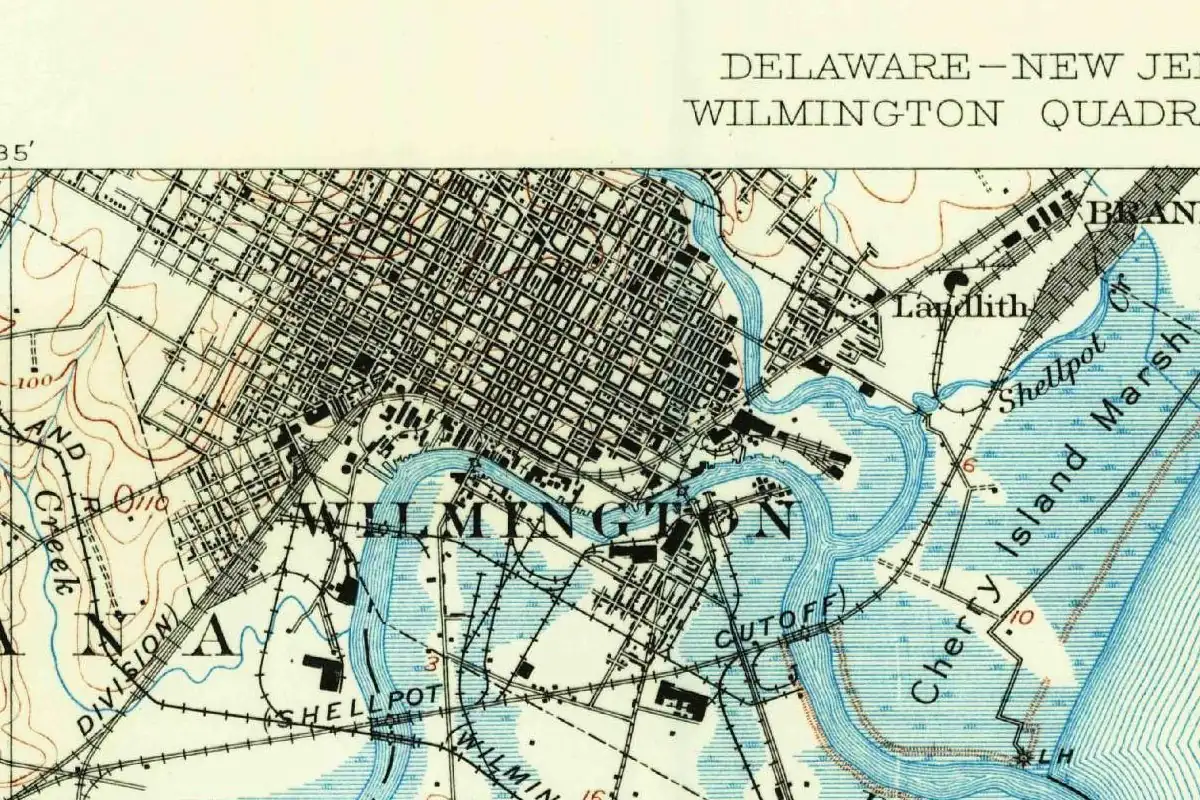 New Castle County, DE
Wilmington, Delaware, started out as Willingtown, and two old reference books disagree on whether its 1739 name honors Thomas Willing or an English earl.
DisputedParents of Howard High School students filed Gebhart v. Belton in 1951, one of the five cases combined in Brown v. Board. Source: Explore Wilmington's Civil Rights History (U.S. Civil Rights Trail)
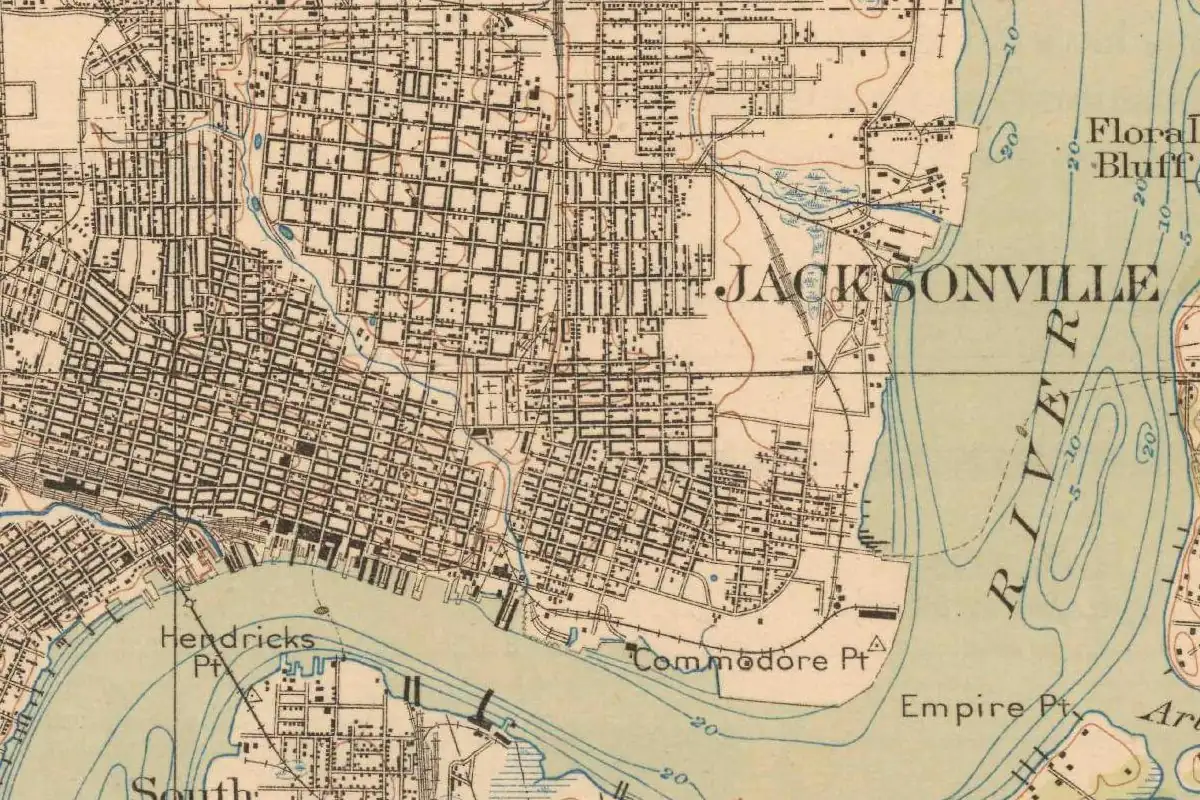 Duval County, FL
Before Jacksonville, Florida, had a name, the spot on the St. Johns River was the Cow Ford, where cattle crossed. In 1822 it was named for Andrew Jackson.
DocumentedThe city's civil rights trail tells of Ax Handle Saturday in 1960, when peaceful demonstrators downtown were met with organized violence. Source: Jacksonville Civil Rights Trail: The Legacy Project (U.S. Civil Rights Trail)
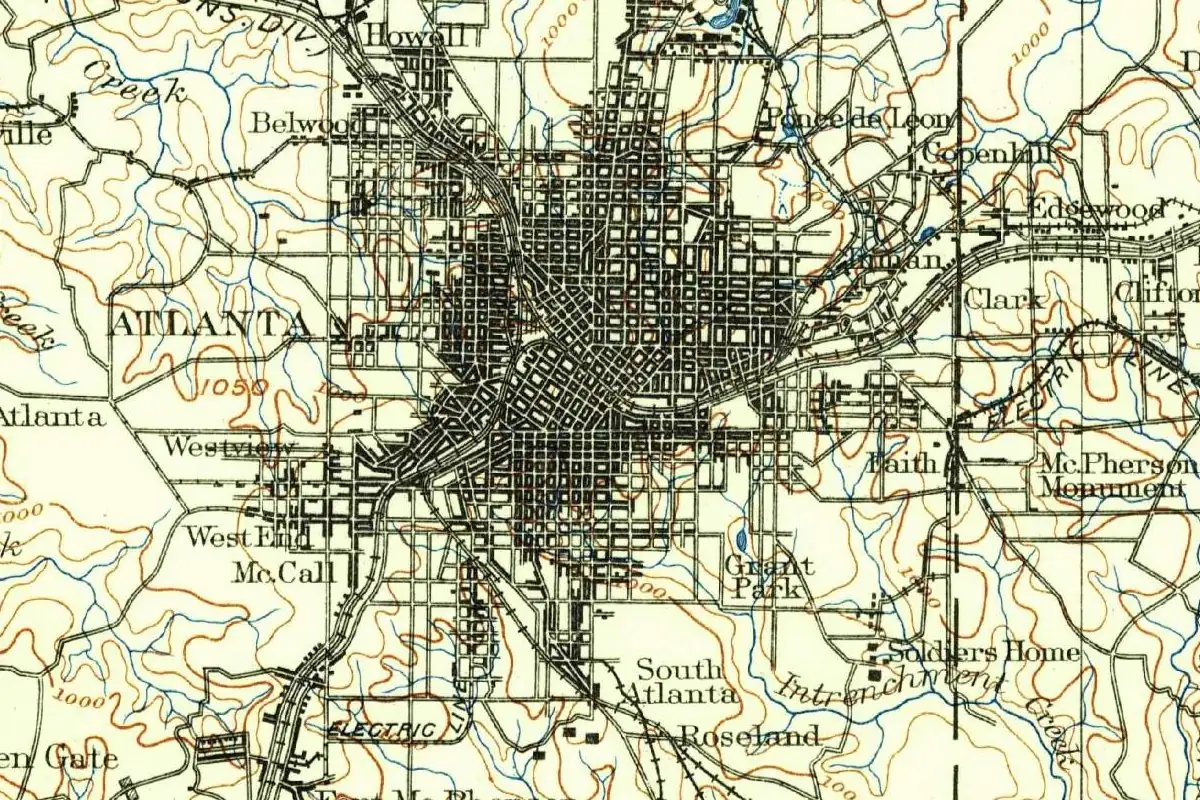 Fulton County, GA
Atlanta, Georgia, was called Terminus and then Marthasville before a railroad engineer coined its name from the word Atlantic.
DisputedMartin Luther King Jr. was born in Atlanta and preached at Ebenezer Baptist Church. His birth home is on the trail. Source: Explore Atlanta's Civil Rights History (U.S. Civil Rights Trail)
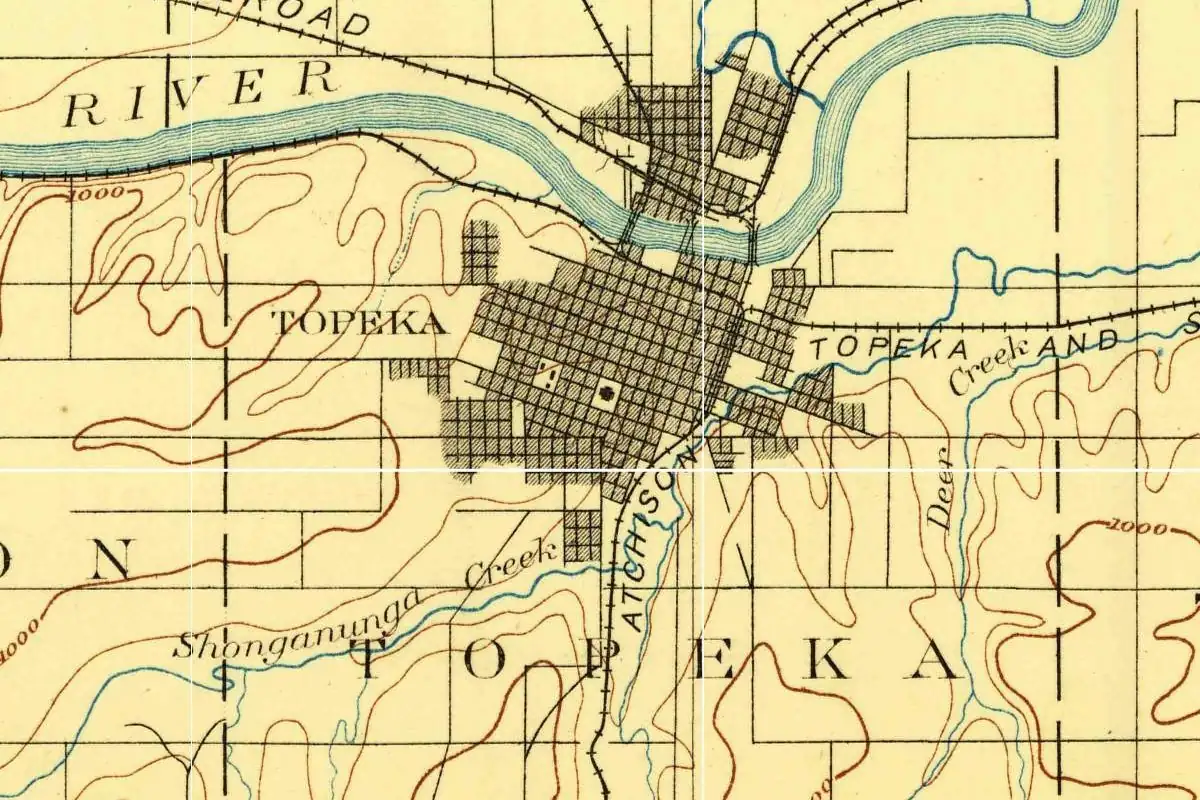 Shawnee County, KS
When F. W. Giles proposed the name Topeka, Kansas, in January 1855, he couldn't say what the word meant. Later explanations all point to wild potatoes.
DocumentedIn 1950, 13 Topeka parents tried to enroll their children in neighborhood schools, and their lawsuit reached the Supreme Court. Source: Explore Topeka's Civil Rights History (U.S. Civil Rights Trail)
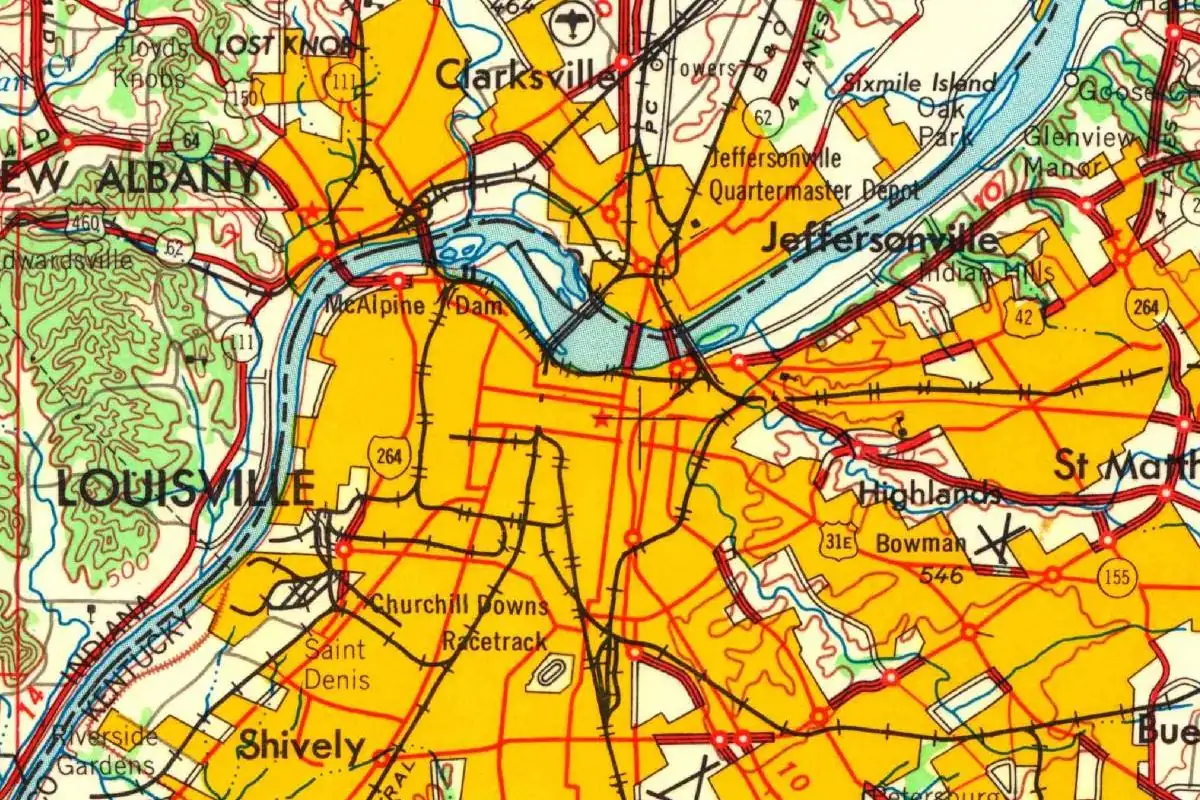 Jefferson County, KY
Louisville, Kentucky, carries the name of French king Louis XVI. It became official in 1780, when Virginia made the Falls of the Ohio settlement a town.
DocumentedAfter years of protests, Louisville passed its public accommodations ordinance on May 1, 1963. The Muhammad Ali Center is on the trail. Source: Explore Louisville's Civil Rights History (U.S. Civil Rights Trail)
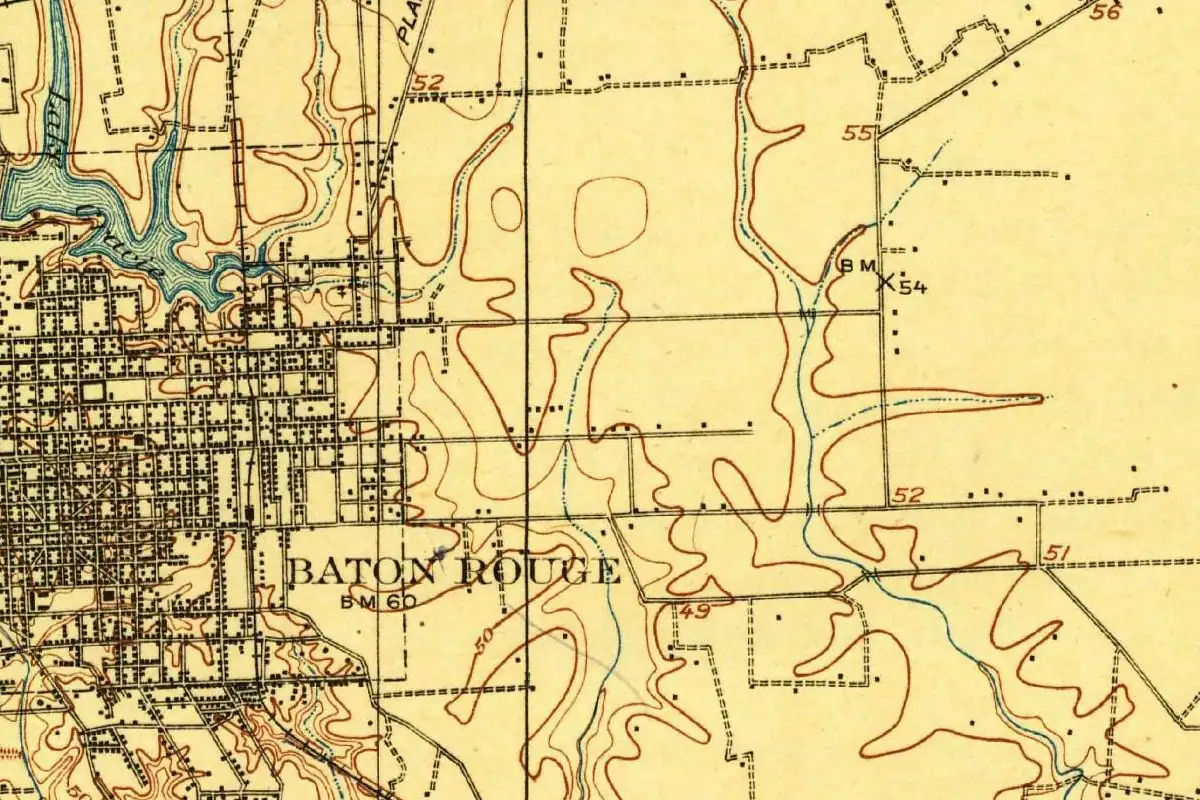 East Baton Rouge Parish, LA
Baton Rouge, Louisiana, means "red stick," and in March 1699 a French expedition passed a pole painted red with fish and bear heads tied to it.
DisputedA 1967 march that set out from Bogalusa ended at the Louisiana State Capitol, with the marchers grown from 25 to over 600. Source: Explore Baton Rouge's Civil Rights History (U.S. Civil Rights Trail)
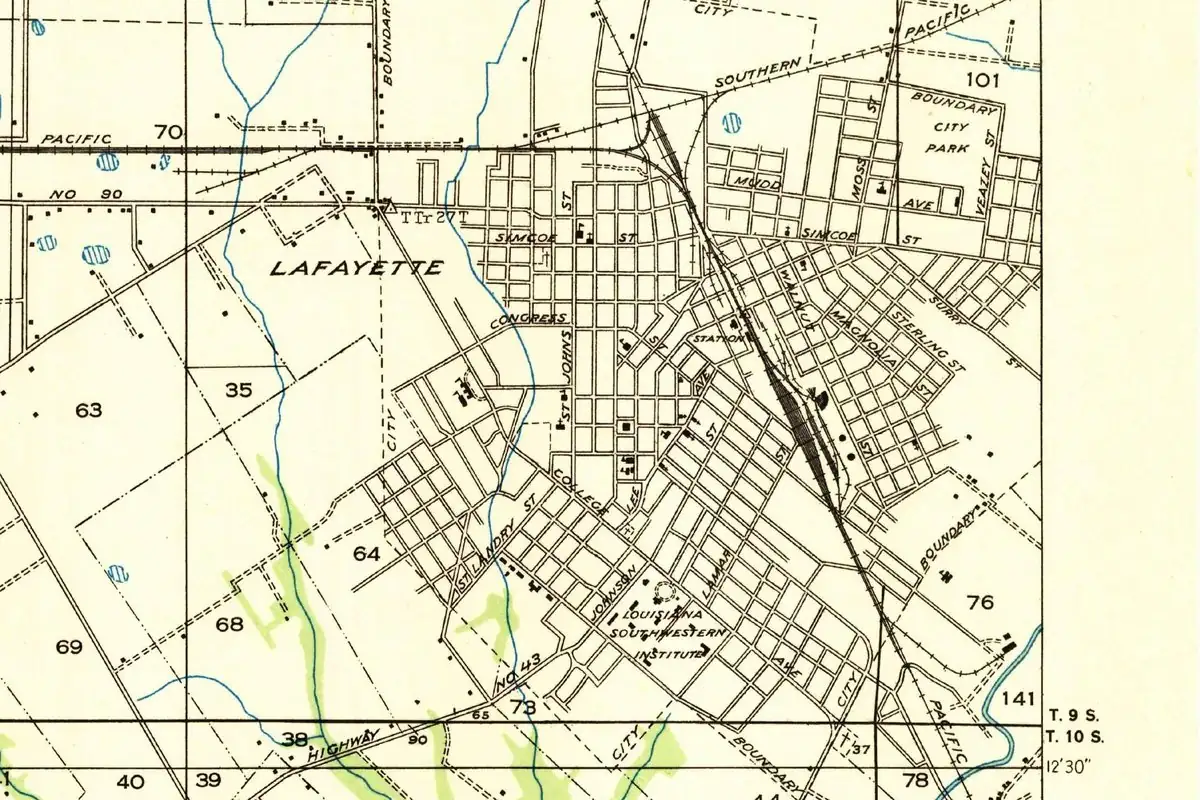 Lafayette Parish, LA
For its first 60 years on paper, Lafayette, Louisiana, was Vermilionville. It took its parish's name, which honors the Marquis de Lafayette, only in 1884.
DocumentedIn 1954 a federal court barred Southwestern Louisiana Institute, now UL Lafayette, from refusing students because of race. Source: Pillars of Progress Memorial at the University of Louisiana at Lafayette (U.S. Civil Rights Trail)
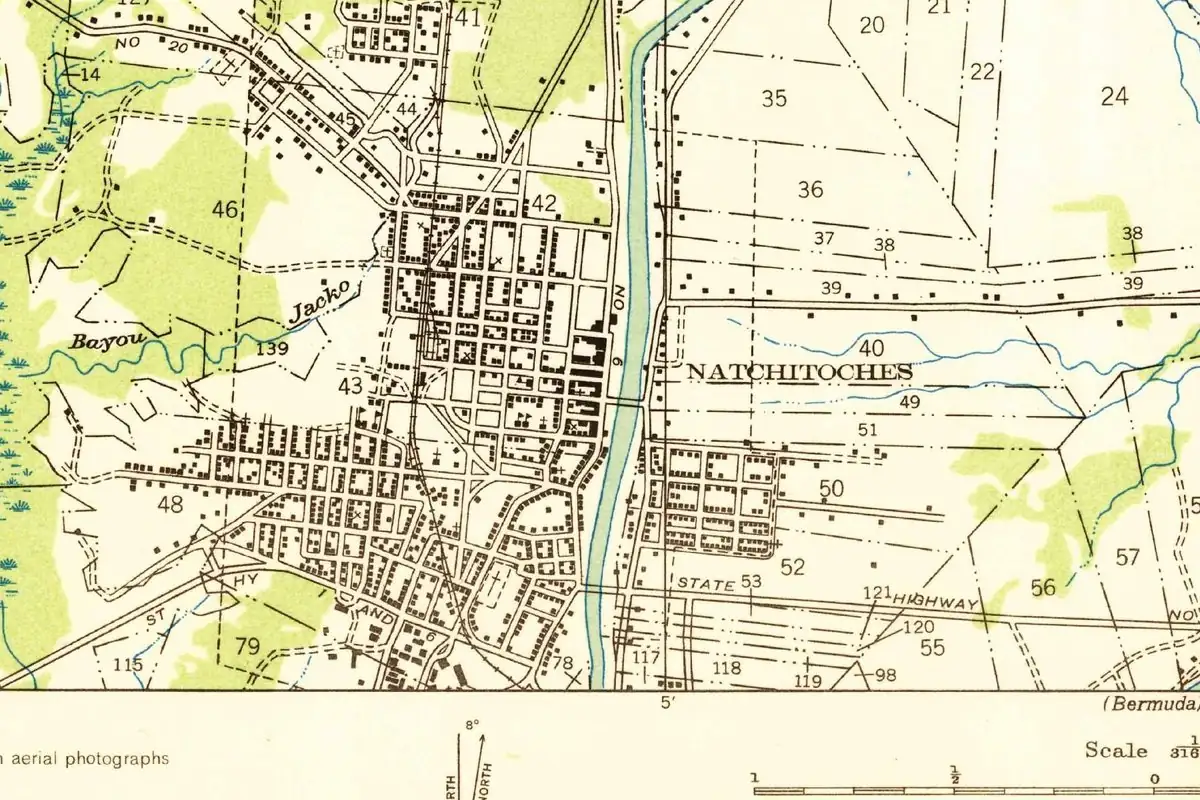 Natchitoches Parish, LA
Natchitoches, Louisiana, takes its name from a Caddo tribe, and the way locals say it goes back to an old French spelling, not the one on the map.
DocumentedThe 1927 Texas and Pacific Railway Depot, with separate entrances and waiting rooms by race, is on the trail. Source: Texas and Pacific Railway Depot (U.S. Civil Rights Trail)
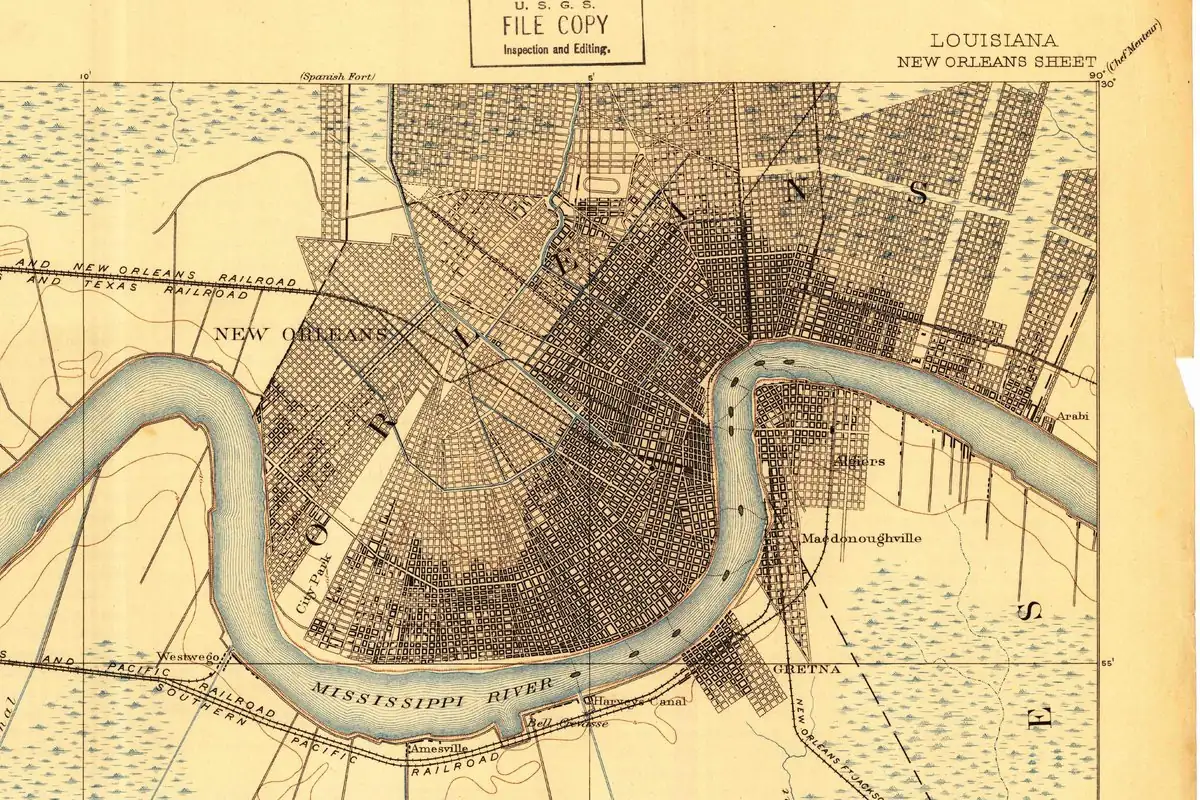 Orleans Parish, LA
New Orleans had a storekeeper before it had a store: in October 1717, France appointed one for a post still to be built at a place called New Orleans.
DocumentedThe group that became the Southern Christian Leadership Conference was formed at New Zion Baptist Church here in February 1957. Source: New Zion Baptist Church (U.S. Civil Rights Trail)
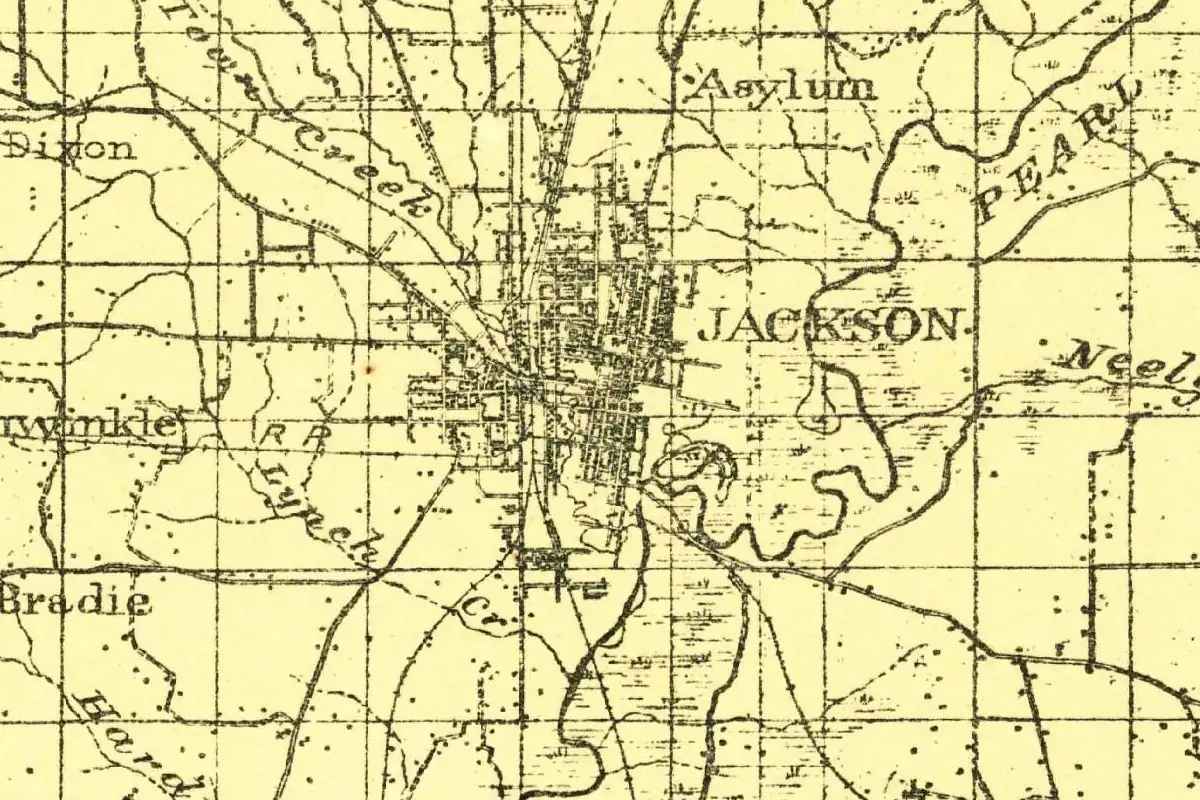 Hinds County, MS
The men sent to find a capital near Mississippi's center in 1821 picked a bluff about 35 miles (56 km) south of it, and the town there became Jackson.
DocumentedMedgar Evers, Mississippi's first NAACP field secretary, lived here. His home is a National Historic Landmark on the trail. Source: Explore Jackson's Civil Rights History (U.S. Civil Rights Trail)
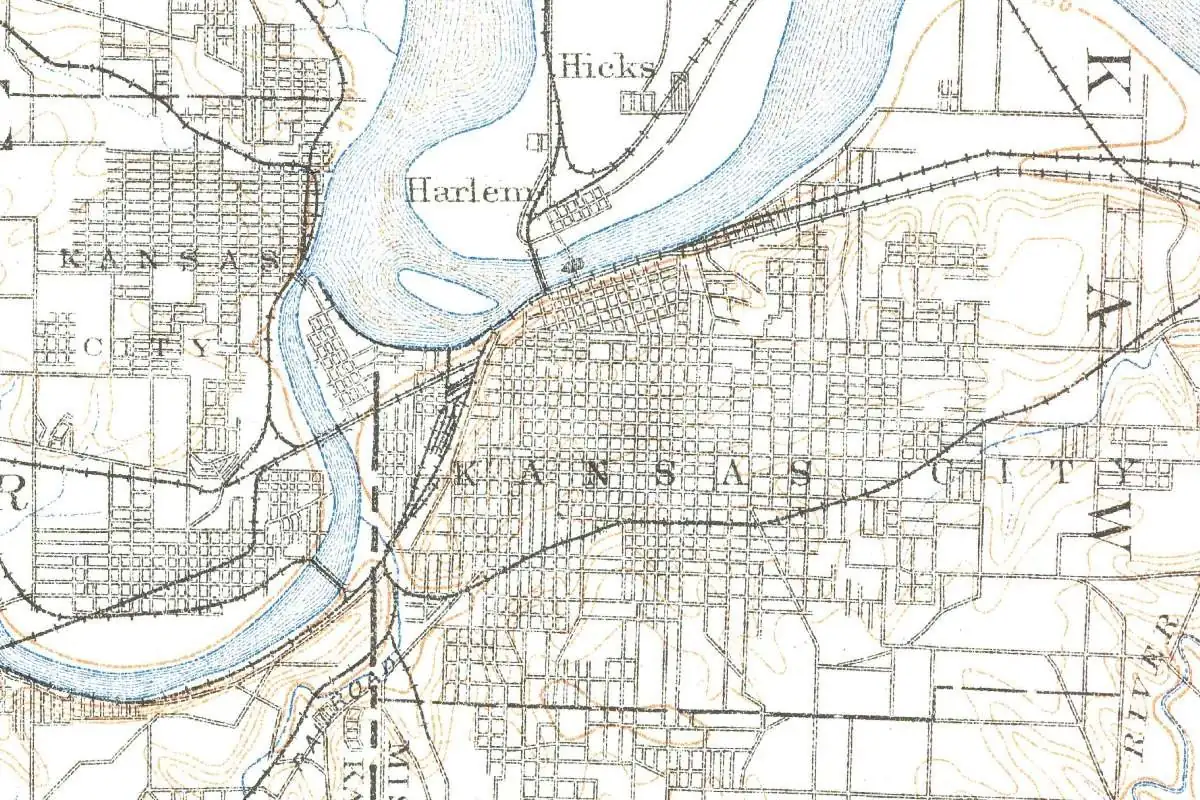 Jackson County, MO
Kansas City, Missouri, almost became Port Fonda. Its founders called it Kansas in 1838, years before there was a Kansas Territory to borrow the name from.
DocumentedThe Negro National League was born at a 1920 meeting at the Paseo YMCA here. The Negro Leagues Baseball Museum is on the trail. Source: Kansas City (U.S. Civil Rights Trail)
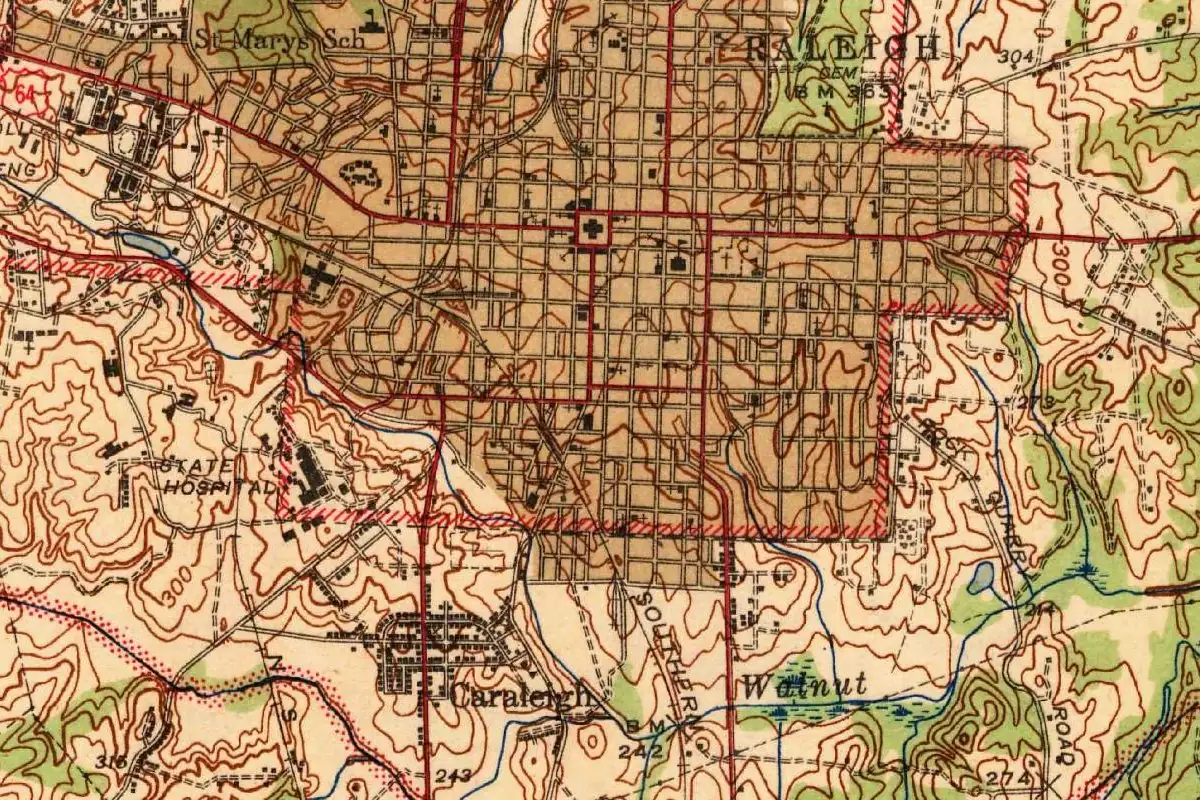 Wake County, NC
Sir Walter Raleigh never set foot in North Carolina, and the City of Raleigh he planned in America was never built.
DocumentedElla Baker is credited with creating the Student Nonviolent Coordinating Committee at Shaw University here in April 1960. Source: Explore Raleigh's Civil Rights History (U.S. Civil Rights Trail)
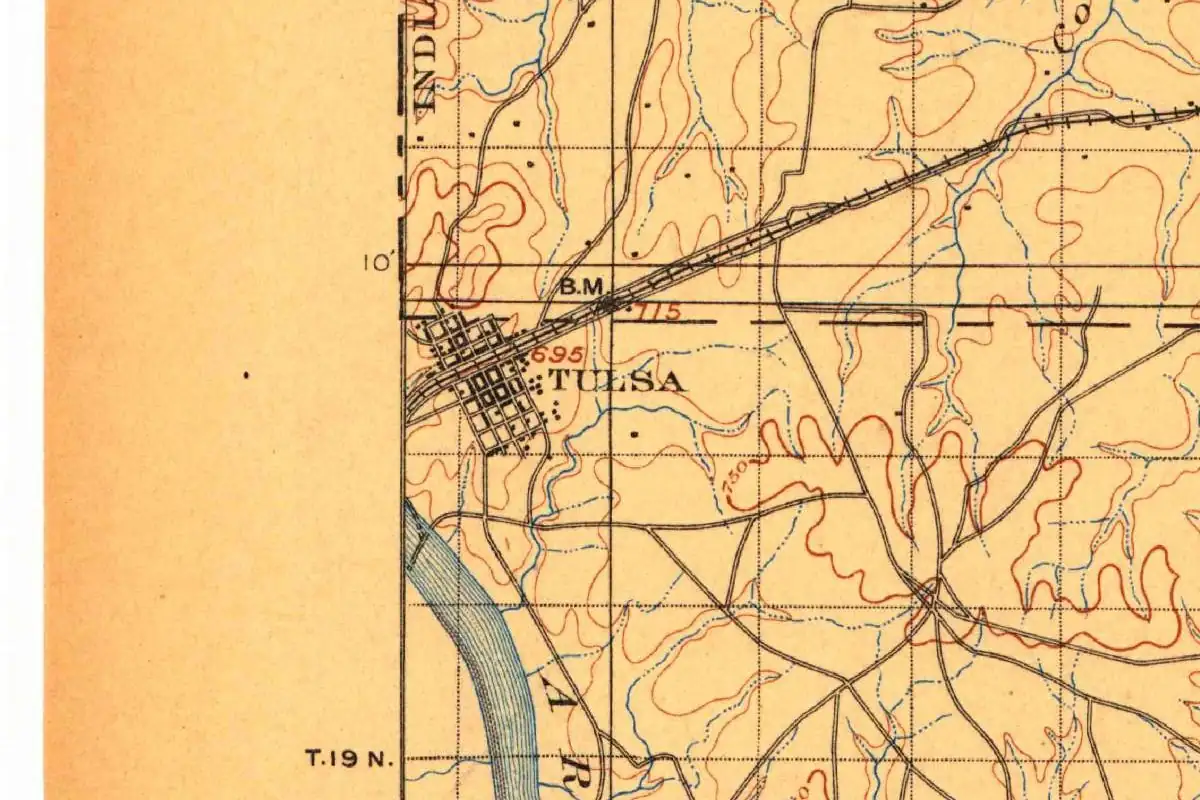 Tulsa County, OK
In 1903, a booklet history of Tulsa, Oklahoma, admitted it didn't know where the name came from. Tulsa is the name of an old Muscogee (Creek) town.
DocumentedJohn Hope Franklin Reconciliation Park joined the park service's civil rights network in 2020. It memorializes the 1921 Tulsa Race Massacre. Source: Oklahoma: John Hope Franklin Reconciliation Park (U.S. National Park Service)
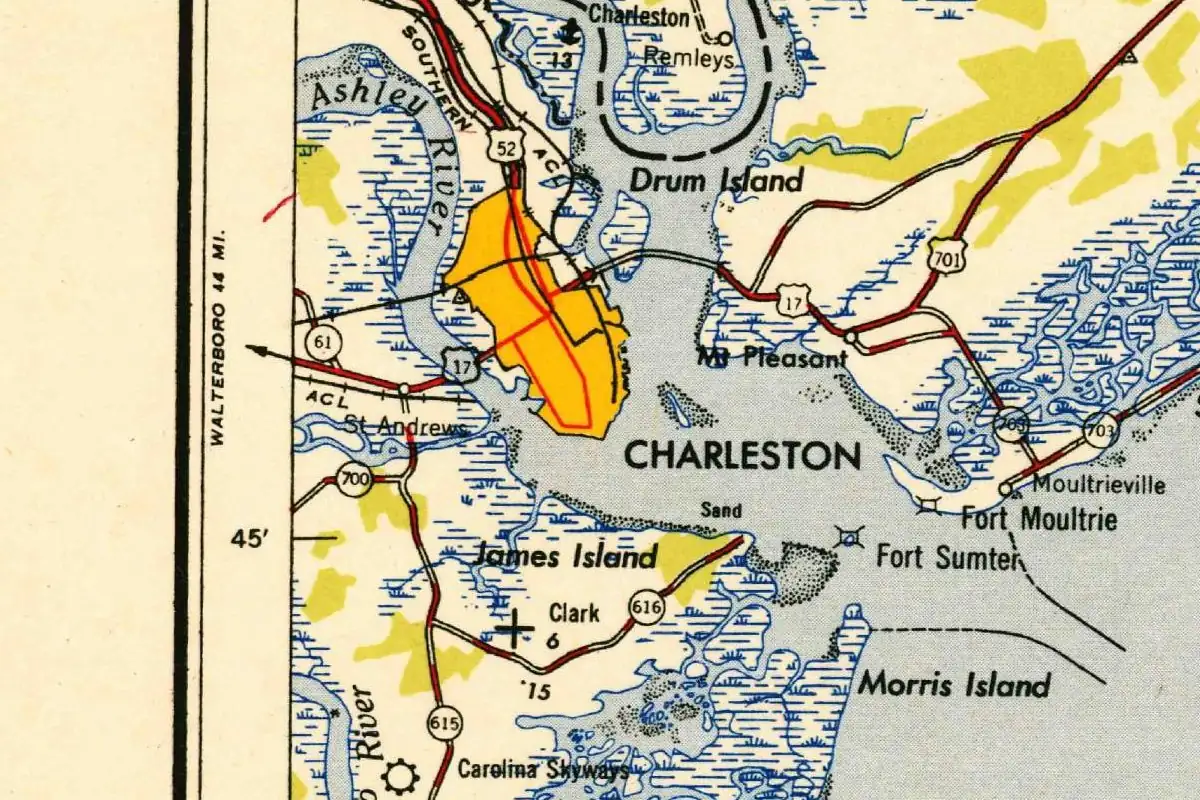 Charleston County, SC
For more than a century, Charleston, South Carolina, was called Charles Town, after King Charles II of England.
DocumentedMother Emanuel AME Church, founded in 1816, is on the trail. Nine of its members were killed inside the church on June 17, 2015. Source: Emanuel African Methodist Episcopal Church (U.S. Civil Rights Trail)
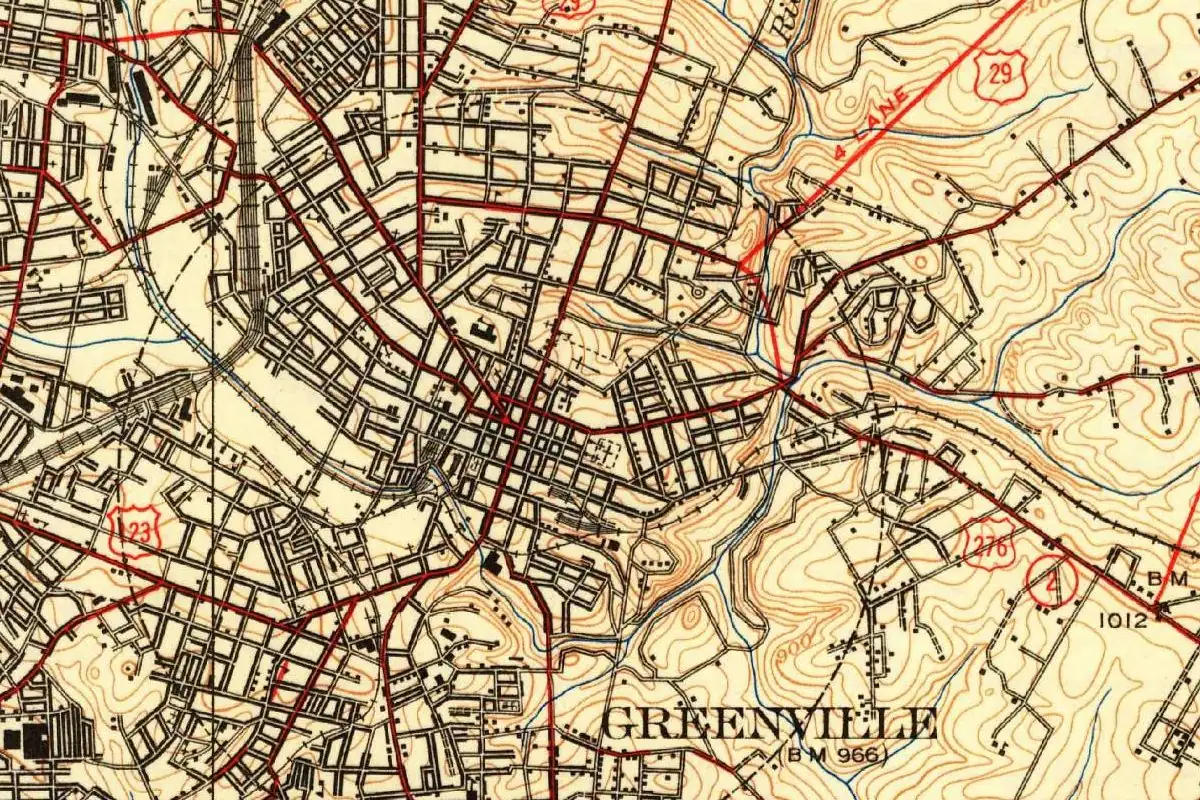 Greenville County, SC
Nobody has settled where the name Greenville, South Carolina, came from, and the old books don't even agree on whether it honors a person.
DisputedSpringfield Baptist Church led a peaceful march to the airport on January 1, 1960, after Jackie Robinson was denied its waiting room. Source: Springfield Baptist Church (U.S. Civil Rights Trail)
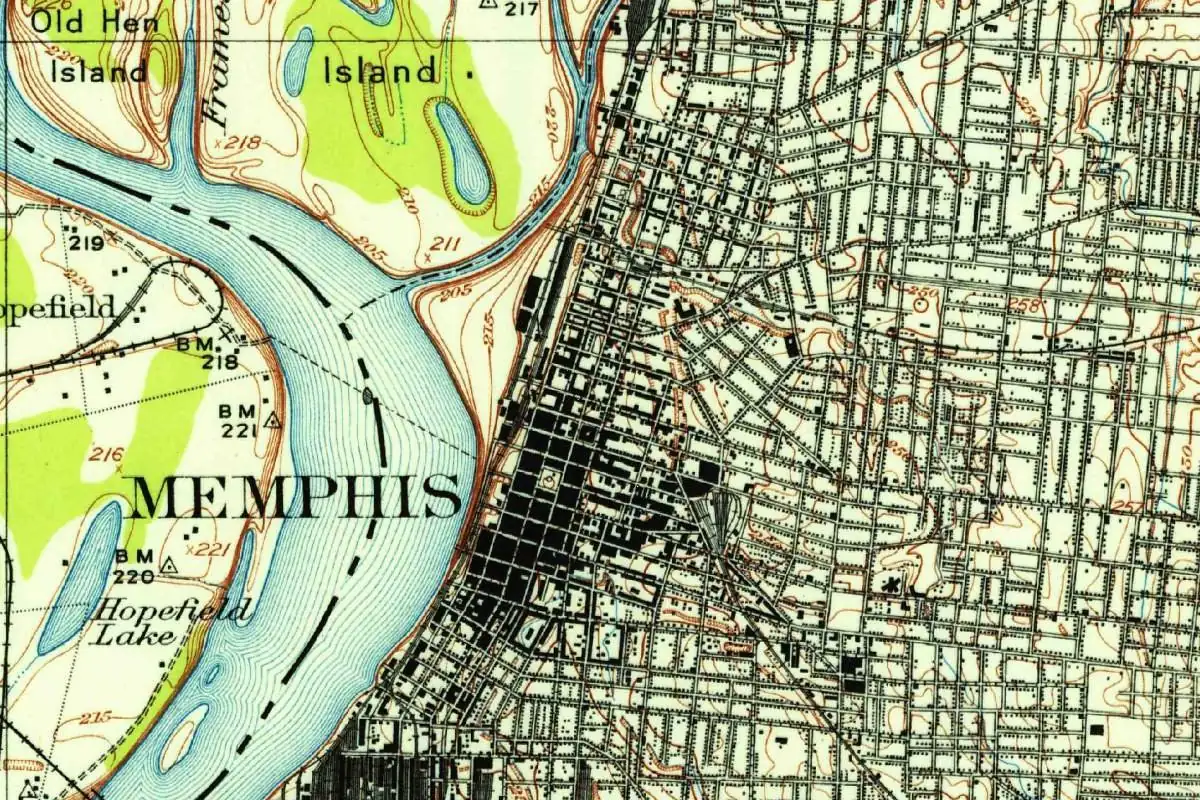 Shelby County, TN
Memphis, Tennessee, borrowed its name from the ancient city on the Nile, and an 1820 notice about the new town called the Mississippi "the American Nile."
DisputedMartin Luther King Jr. gave his last speech at Mason Temple and was killed in Memphis. The National Civil Rights Museum is here. Source: Explore the Civil Rights History of Memphis (U.S. Civil Rights Trail)
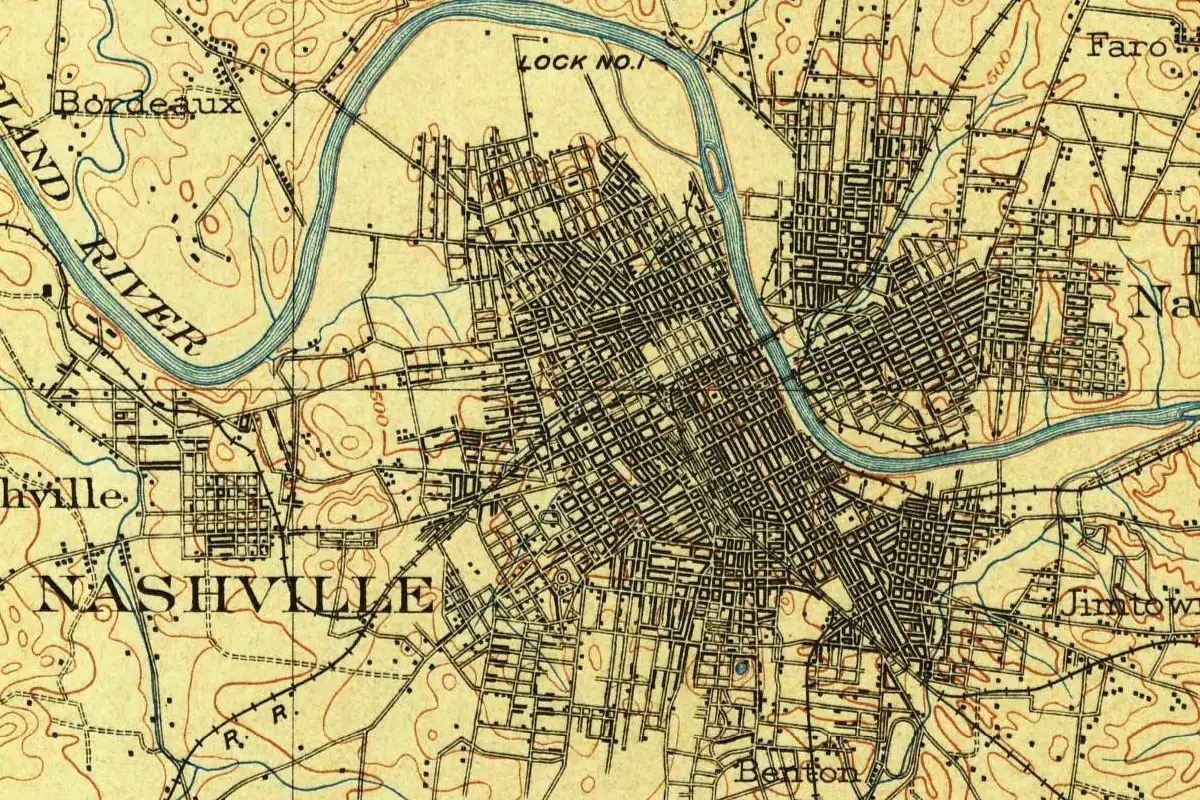 Davidson County, TN
Henry Gannett's 1905 place-name book said Nashville, Tennessee, honored Abner Nash, a governor, and only then mentioned General Francis Nash.
DocumentedStudents and ministers held lunch counter sit-ins here that set off a wave of protests across the Southeast. Source: Explore Nashville's Civil Rights History (U.S. Civil Rights Trail)
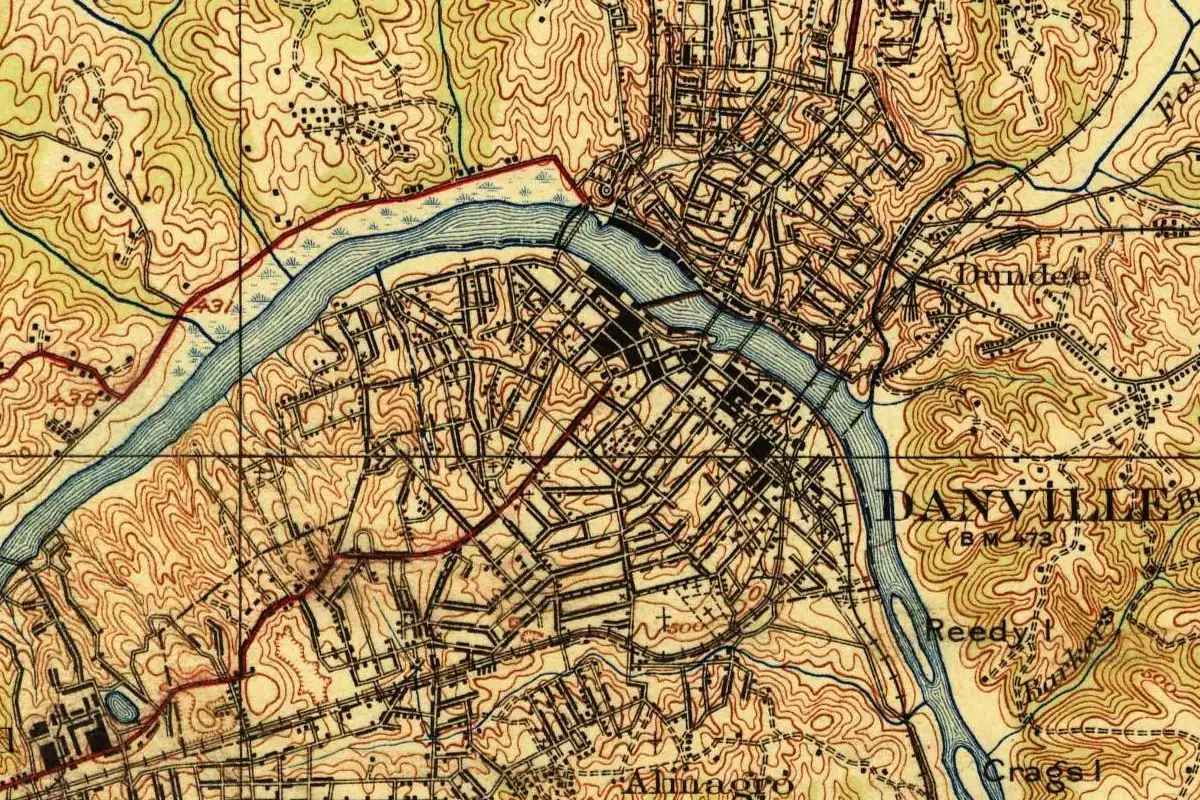 Independent city, VA
Danville, Virginia, is named for the Dan River, a name William Byrd's surveying party gave it in October 1728 without ever writing down why.
DocumentedOn April 2, 1960, 16 Black students sat in at the whites-only public library, which now houses the Danville Museum. Source: Danville Museum of Fine Arts and History (U.S. Civil Rights Trail)
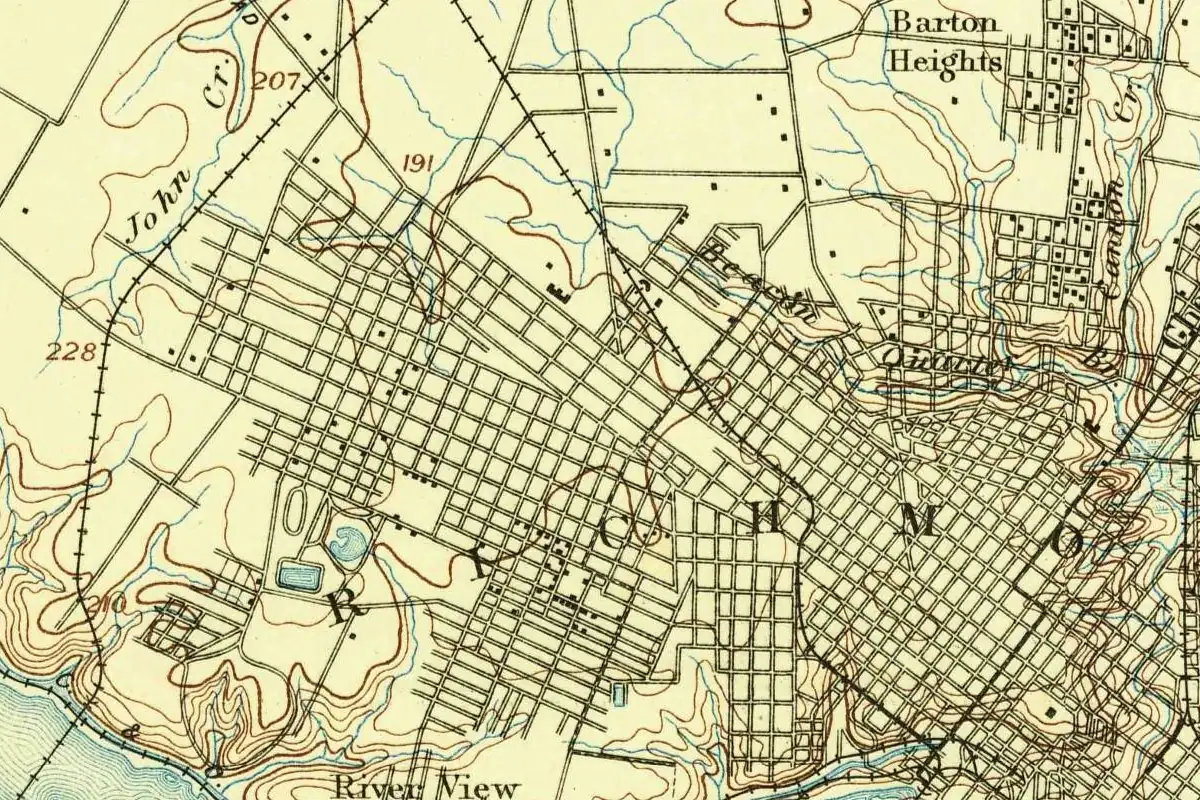 Independent city, VA
In September 1733, William Byrd wrote that he and his friends had laid the foundation of two cities in a single day, and one was to be called Richmond.
DocumentedA memorial in Richmond honors Barbara Johns, who led a 1951 student walkout whose lawsuit became part of Brown v. Board. Source: Explore Richmond's Civil Rights History (U.S. Civil Rights Trail)
Sources for this page
- Explore the fight for U.S. civil rights (U.S. Civil Rights Trail) (accessed Oct 31, 2026)
- Explore Montgomery's Civil Rights History (U.S. Civil Rights Trail) (accessed Oct 31, 2026)
- African American Civil Rights Network (U.S. National Park Service) (accessed Oct 31, 2026)