Forts, Battlefields and the Stories Behind Their Town Names
The words that became the national anthem were written about a fort. The National Park Service says it was the defense of Fort McHenry in the Battle of Baltimore, on September 13-14, 1814, that moved Francis Scott Key to write them. Forts, battlefields and memorials like that one are places you go to stand where something happened, and to remember the people who served and died there.
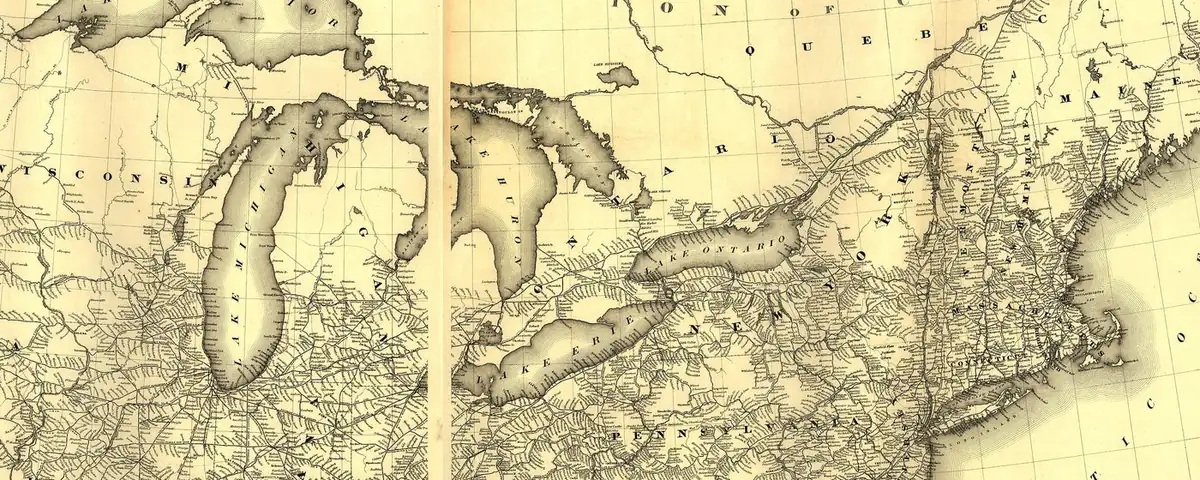
The names tell two kinds of stories. Where a town grew up beside an Army post, or on ground where one had stood, it usually kept the post’s name, and that name honored an officer: a general, a cavalry colonel, a 20-year-old lieutenant killed in a fight on the North Platte. Sometimes the word “Fort” stayed and sometimes it didn’t. In Fort Collins, the townspeople picked “Fort” themselves because it sounded grander than “Camp.” The cities near the battlefields mostly got their names long before the fighting, from a king, a princess, a view of the Thames, a preacher’s town plan, or a Native word whose meaning nobody’s sure of.
This page is for you if you’re planning a trip around military history and want to know the story behind each name before you get there. Each stop links to the full story of its name, with the sources, so you can check every detail yourself.
How we picked these. The town grew up beside an Army fort, or where one had stood, and took its name from the fort or the person it honored, or it's home to or near a National Park Service battlefield, military park, memorial or fort site, or a historic military academy or base, as an official source shows. Each story below lists the source that confirms it.
 Anne Arundel County, MD
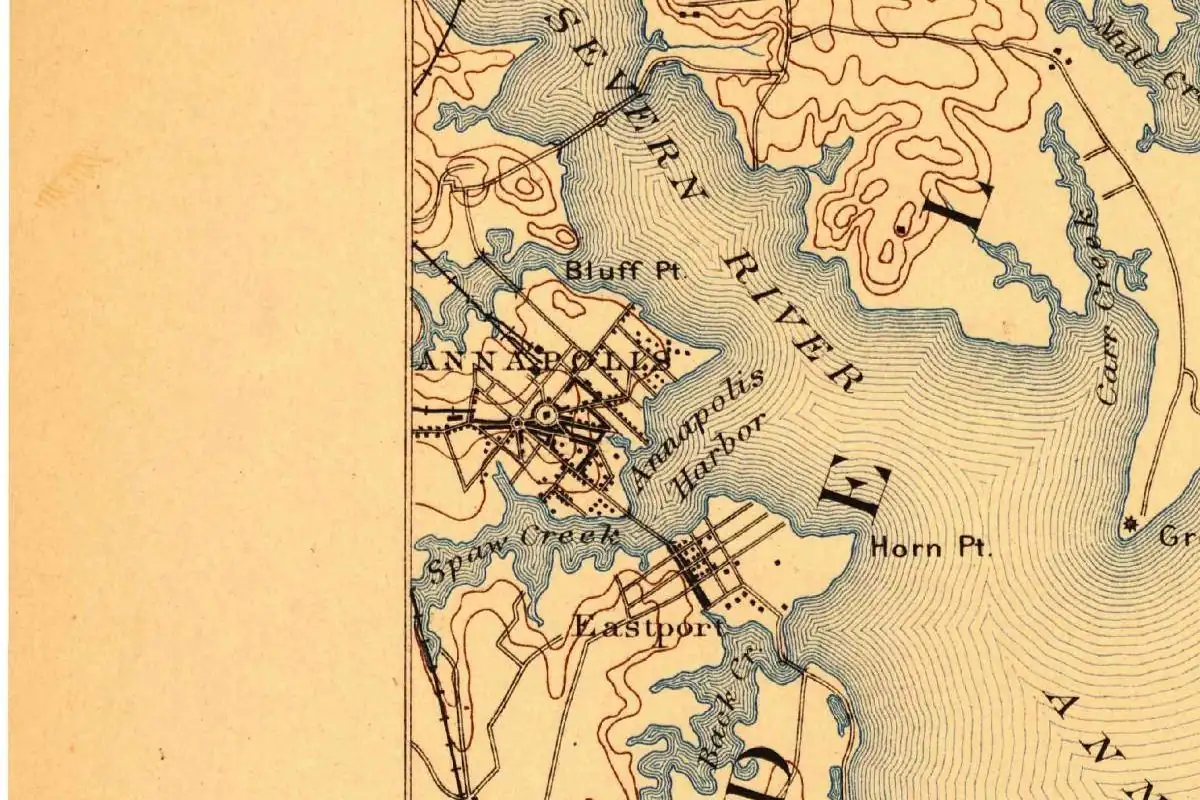
When Maryland's new capital took the name Annapolis in 1695, the Anne it honored wasn't a queen yet. She was Princess Anne, seven years from the throne.
DocumentedThe Naval School, now the Naval Academy, opened at an Army post called Fort Severn, in Annapolis, on October 10, 1845, the academy says. Source: History of USNA (United States Naval Academy)
 Independent city, MD
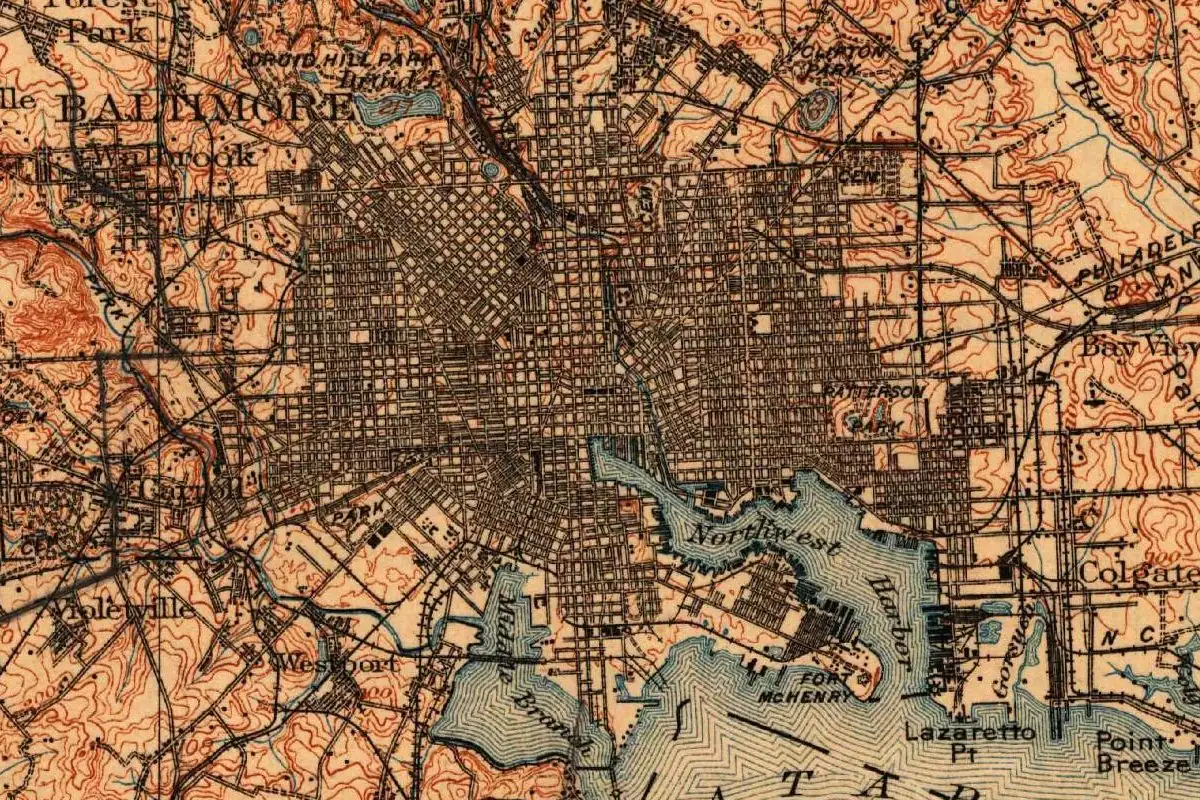
Baltimore, Maryland, carries the Calverts' title, Lord Baltimore, and that title came from a place in Ireland. Which place depends on which book you open.
DocumentedFort McHenry's defense in the Battle of Baltimore, September 13-14, 1814, inspired the words of the national anthem, the NPS says. Source: Fort McHenry National Monument and Historic Shrine (U.S. National Park Service)
 Independent city, VA
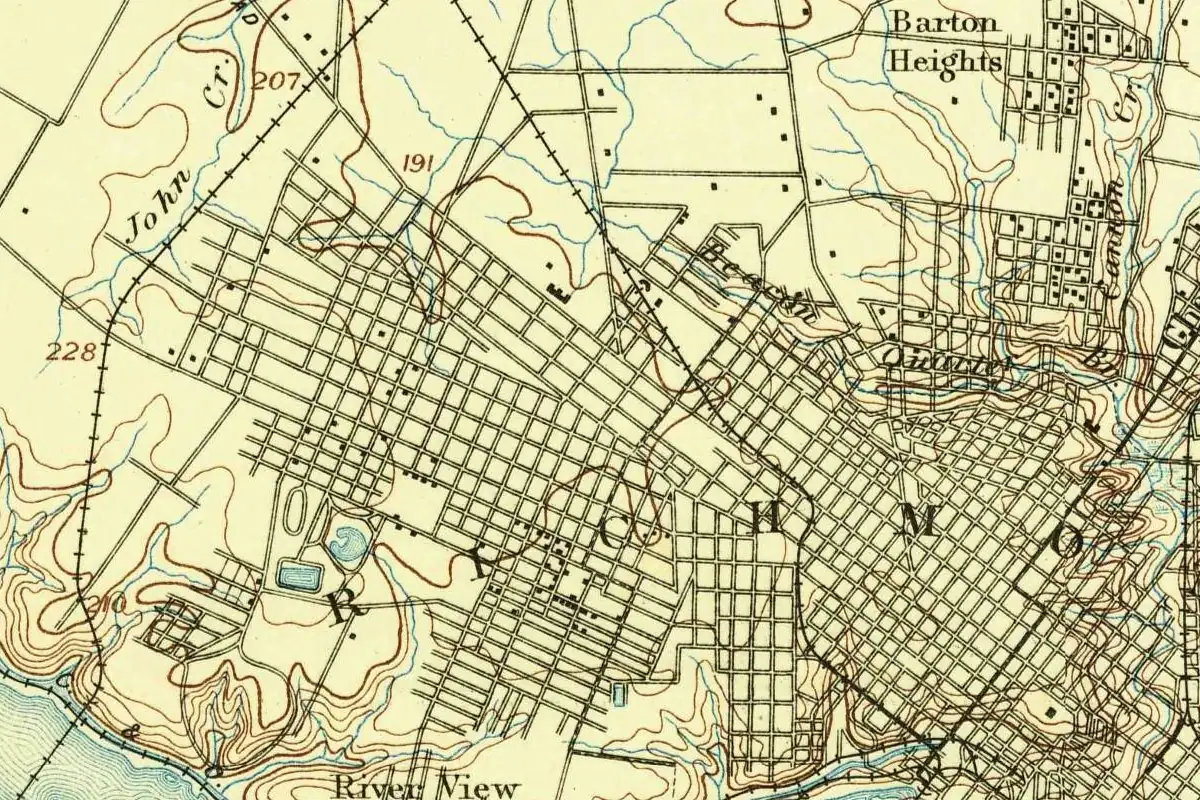
In September 1733, William Byrd wrote that he and his friends had laid the foundation of two cities in a single day, and one was to be called Richmond.
DocumentedRichmond National Battlefield Park takes in fields like Cold Harbor, Gaines' Mill and Malvern Hill, the NPS says. Source: Richmond National Battlefield Park (U.S. National Park Service)
 Washington County, MD
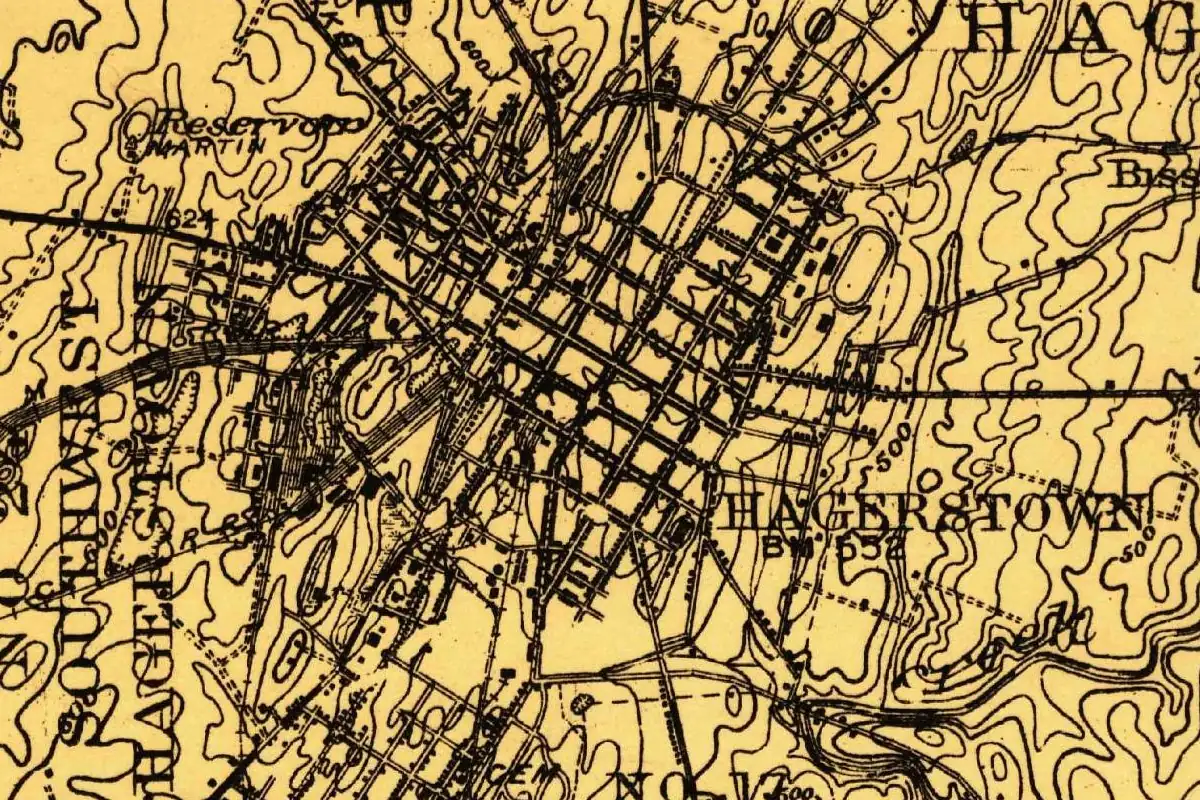
For more than 50 years, Hagerstown, Maryland, was officially Elizabeth Town, named by Jonathan Hager for his wife. People called it after him anyway.
DocumentedThe National Park Service puts Hagerstown about 10 mi (16 km) from Antietam National Battlefield. Source: Directions - Antietam National Battlefield (U.S. National Park Service)
 Allegany County, MD
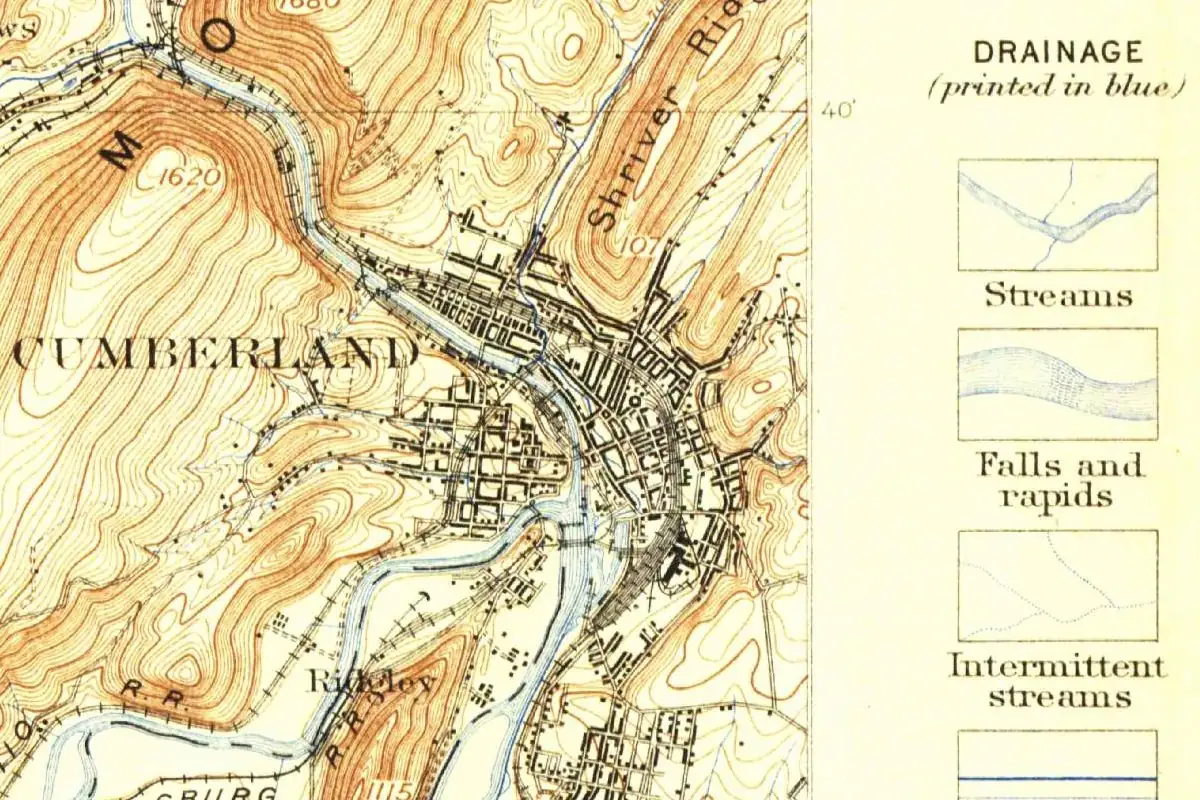
In 1785 the new town at Will's Creek was commonly called Washington Town. Two years later its people picked Cumberland, the old British fort's name.
DocumentedA 1905 federal place-names book says the city was built on the site of old Fort Cumberland, from the French and Indian wars. Source: The Origin of Certain Place Names in the United States, 2nd ed. (U.S. Geological Survey Bulletin 258, 1905)
 Charleston County, SC
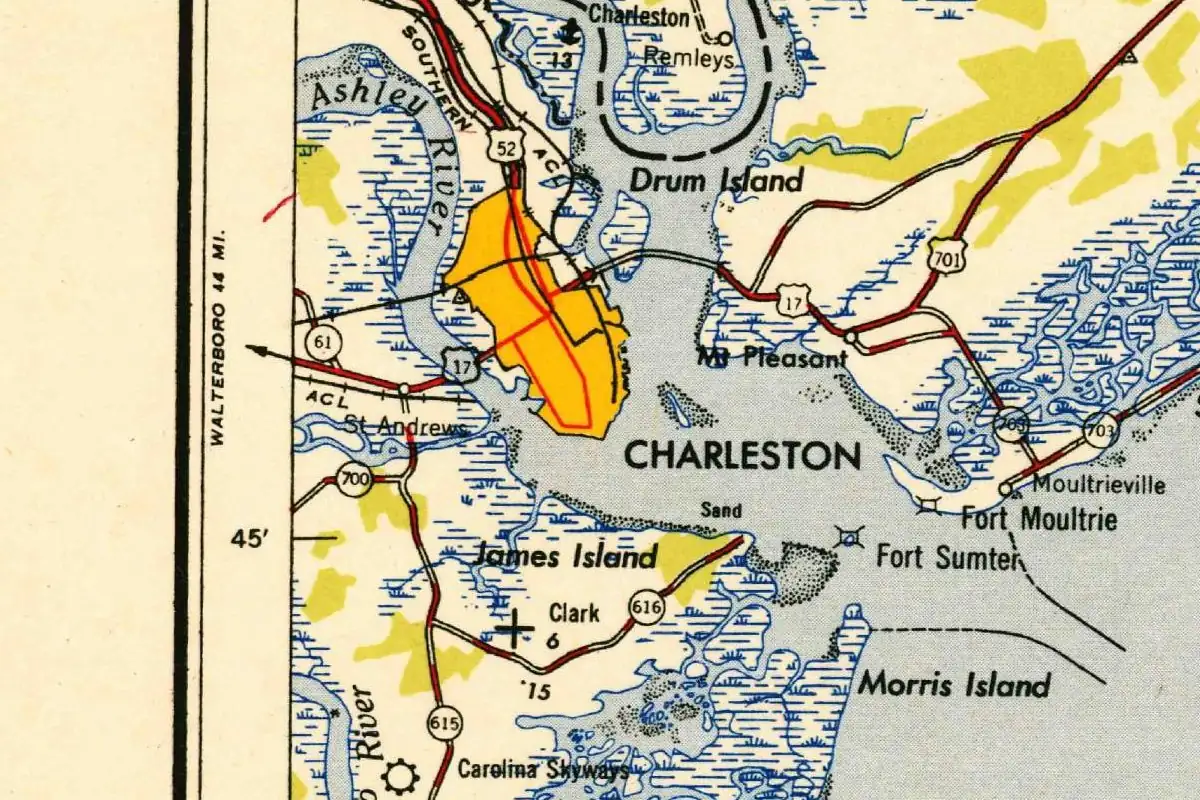
For more than a century, Charleston, South Carolina, was called Charles Town, after King Charles II of England.
DocumentedFort Sumter and Fort Moultrie, a national historical park today, stand at the entrance of Charleston Harbor, the NPS says. Source: Fort Sumter and Fort Moultrie National Historical Park (U.S. National Park Service)
 Allegheny County, PA
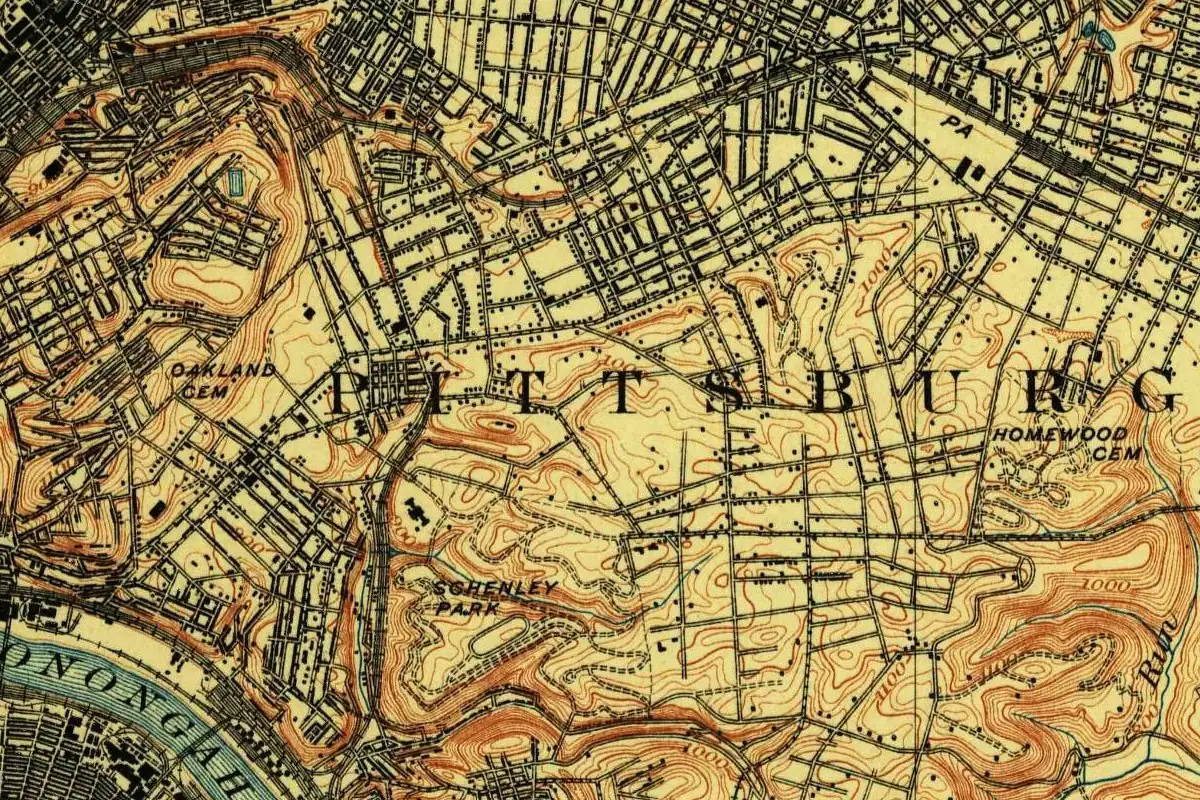
For years, the federal government spelled Pittsburgh without the h. The name itself goes back to 1758 and honors William Pitt, Britain's wartime leader.
DocumentedThe state park agency says Fort Pitt, named for William Pitt, helped open the frontier as Pittsburgh became the Gateway to the West. Source: History of Point State Park (Pennsylvania Department of Conservation and Natural Resources)
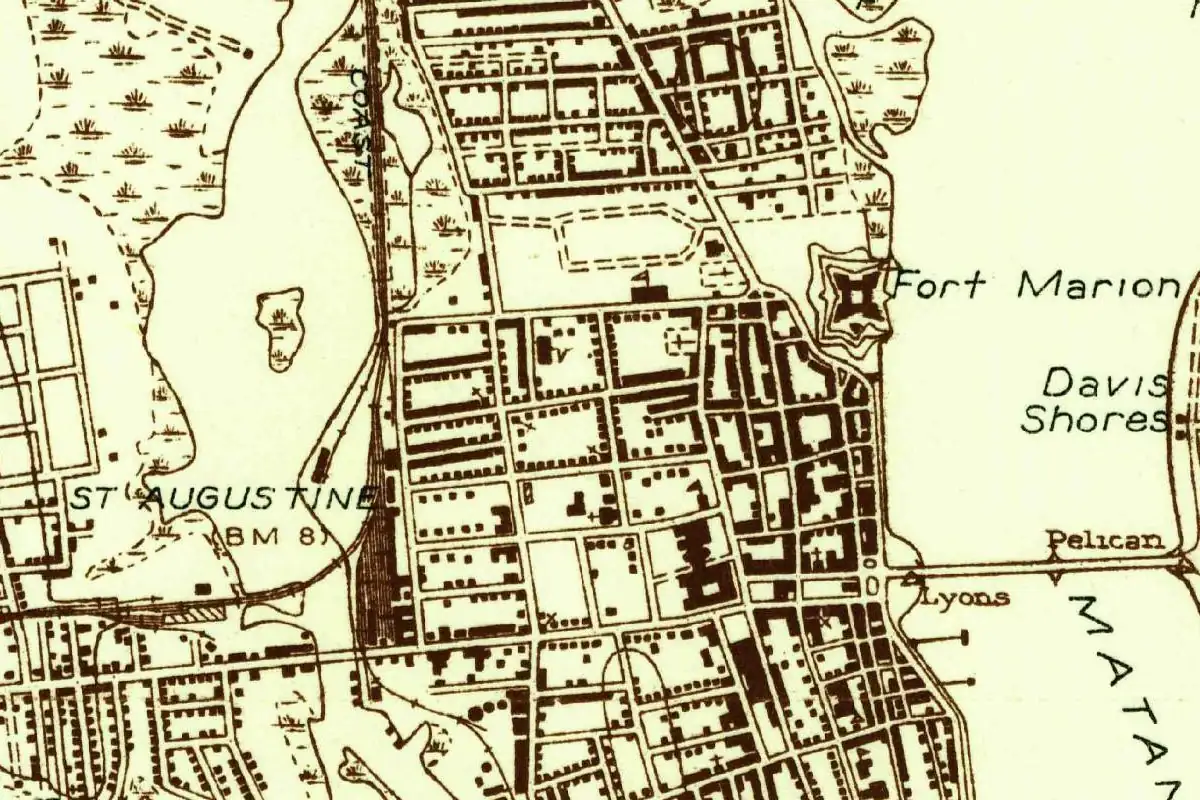 St. Johns County, FL
The Spanish fleet that founded St. Augustine, Florida, reached the coast on August 28, 1565. On the Catholic calendar, that was St. Augustine's day.
DocumentedThe NPS says Castillo de San Marcos, built by the Spanish in St. Augustine, is the oldest masonry fortification in the continental U.S. Source: Castillo de San Marcos National Monument (U.S. National Park Service)
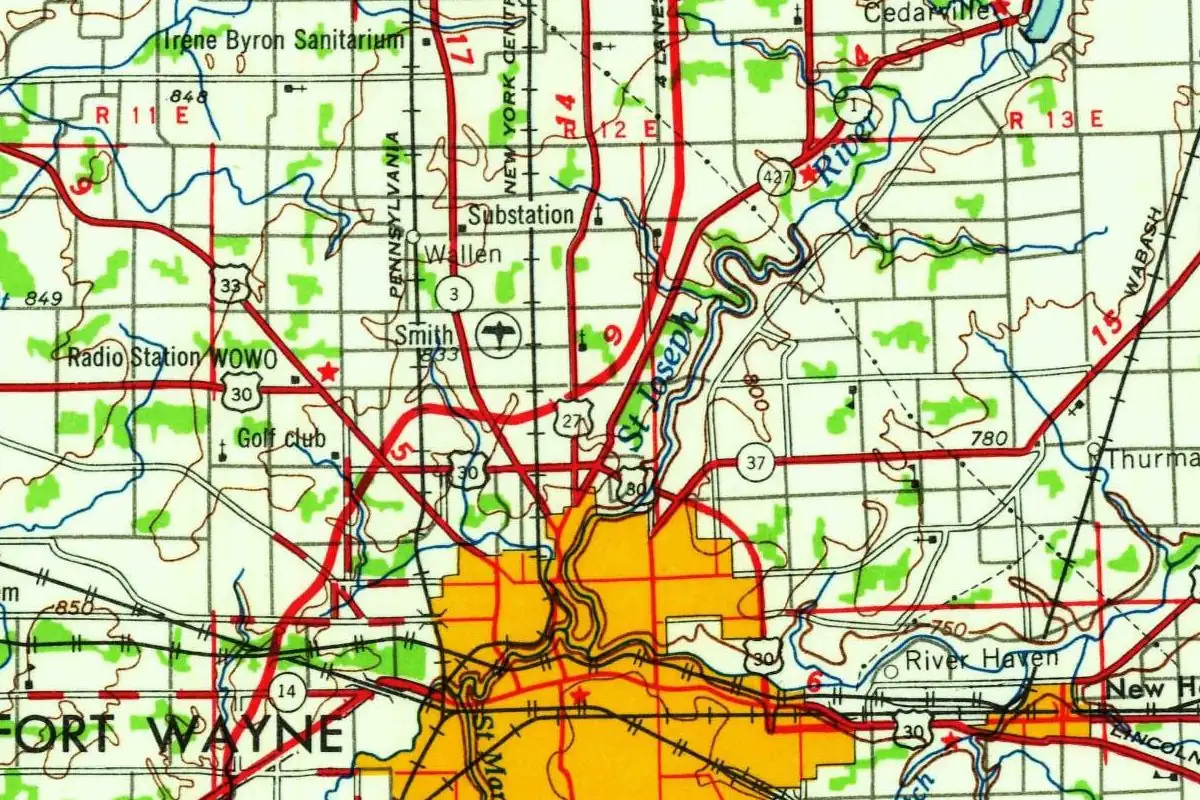 Allen County, IN
Fort Wayne, Indiana, is named for General Anthony Wayne, whose officer named the Army's new fort there for him in 1794, after 15 rounds of cannon fire.
DocumentedA 1905 federal place-names book says the city is named from a fort built in 1794 and named for Gen. Anthony Wayne. Source: The Origin of Certain Place Names in the United States, 2nd ed. (U.S. Geological Survey Bulletin 258, 1905)
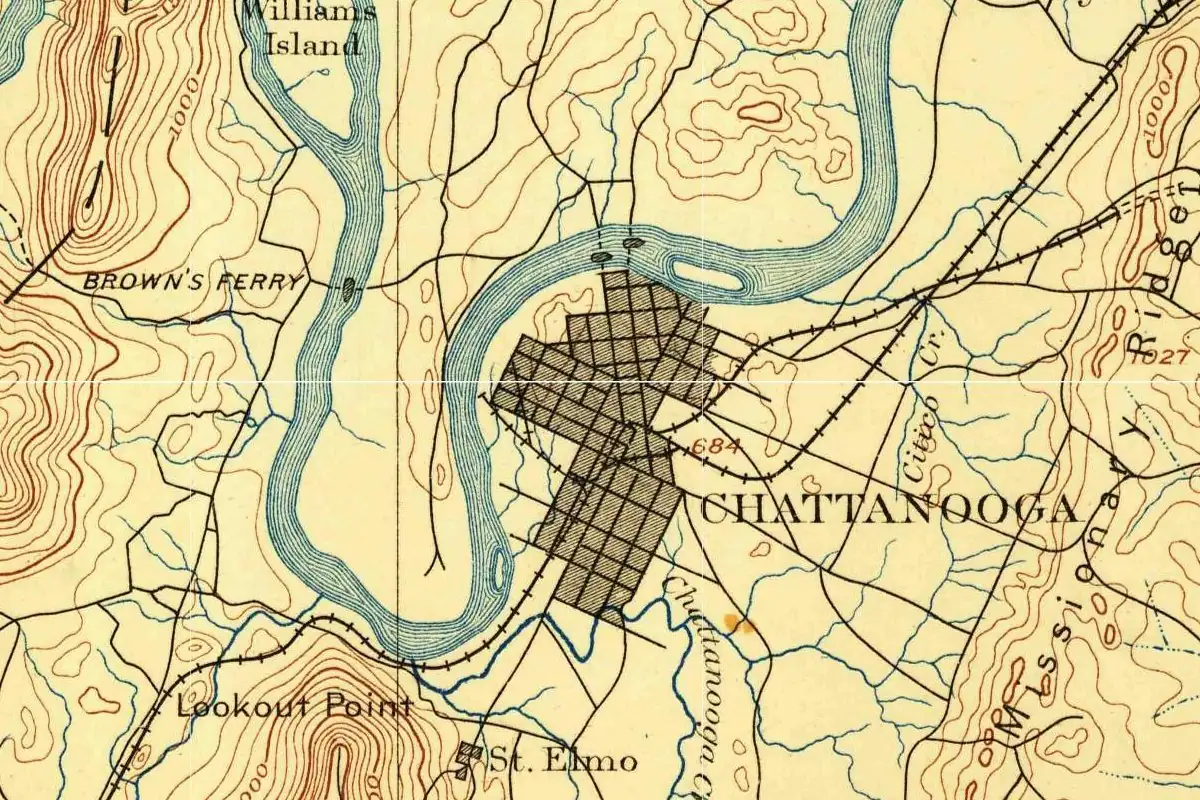 Hamilton County, TN
Chattanooga, Tennessee, took a Native name in 1838, but Cherokee speakers told James Mooney it wasn't a Cherokee word and had no meaning in their language.
DocumentedUnion and Confederate armies fought for Chattanooga in 1863, and a national military park now keeps those fields. Source: Chickamauga & Chattanooga National Military Park (U.S. National Park Service)
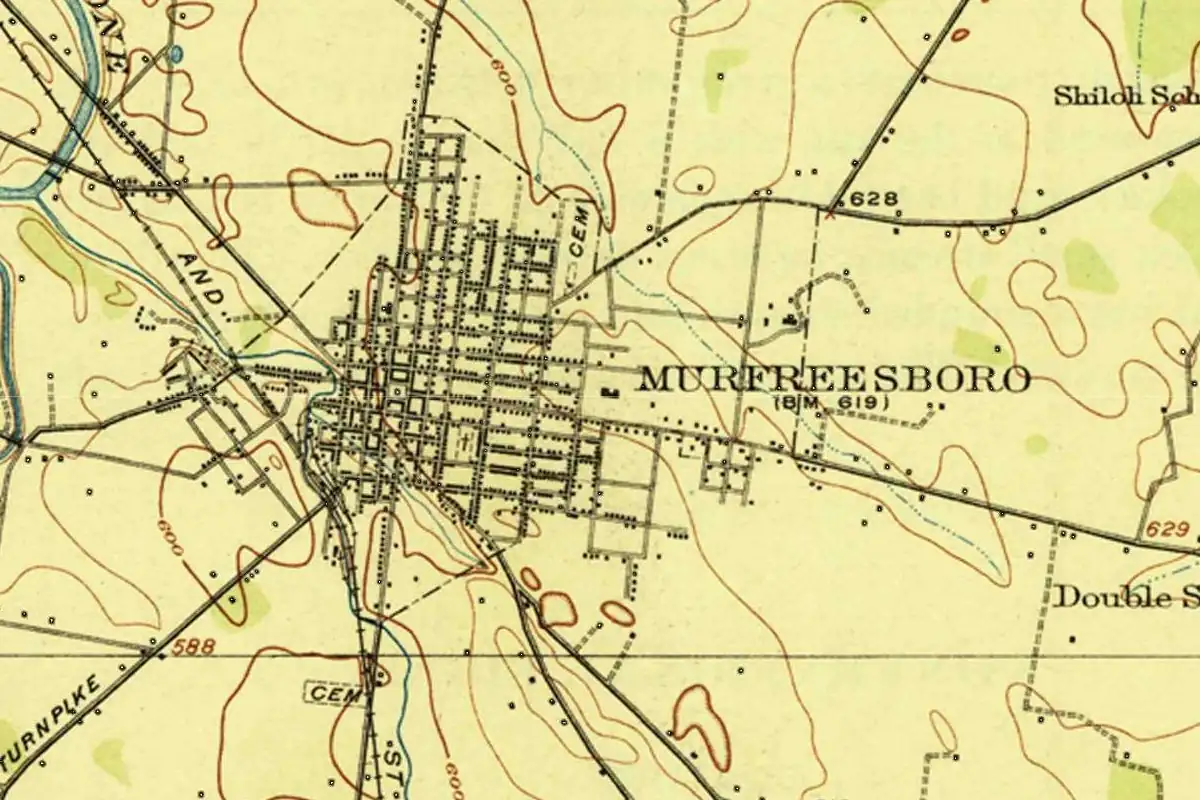 Rutherford County, TN
For about a month in 1811, the planned town that became Murfreesboro, Tennessee, was Cannonsburg, until lawmakers renamed it for Col. Hardy Murfree.
DocumentedStones River National Battlefield marks the fighting near Murfreesboro from December 31, 1862, to January 2, 1863. Source: Stones River National Battlefield (U.S. National Park Service)
 Warren County, MS
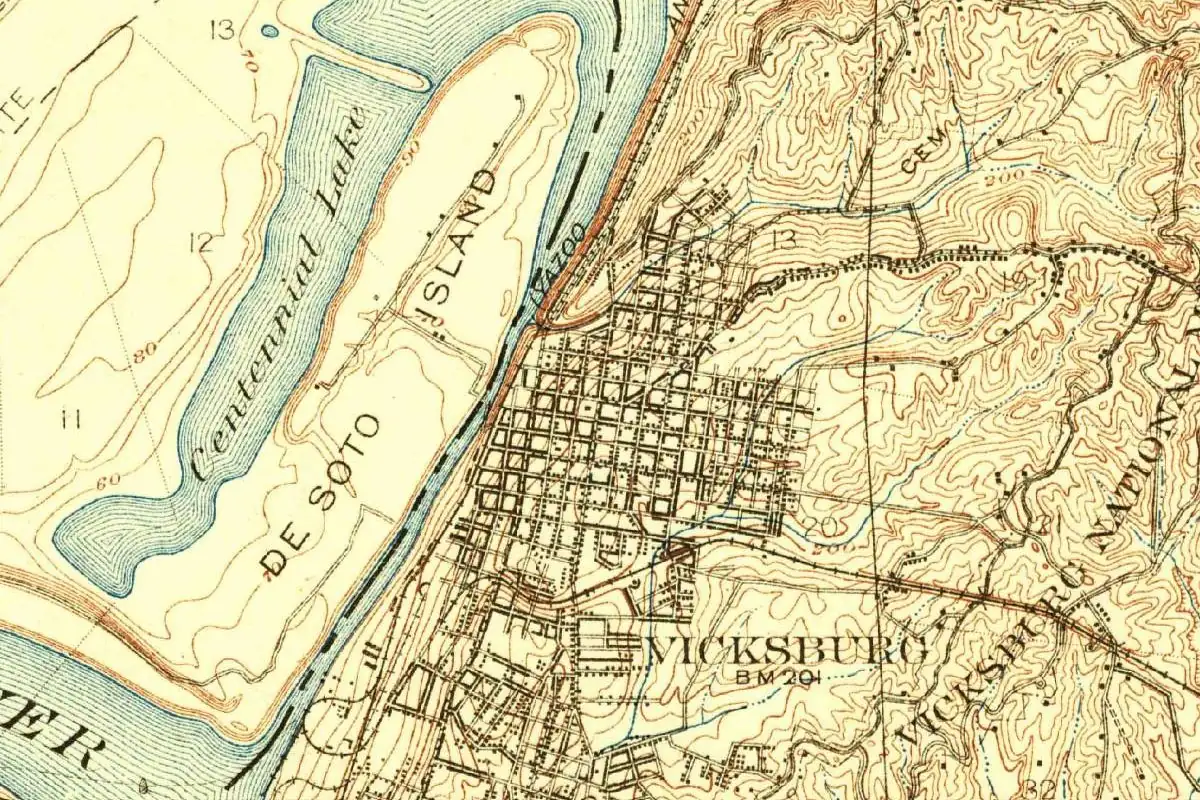
Newitt Vick planned the city that became Vicksburg, Mississippi, but he died in 1819 before he could sell a single lot, and the town took his name anyway.
DocumentedVicksburg National Military Park recalls the ring of forts and over 170 cannon around the city Lincoln called 'the key.' Source: Vicksburg National Military Park (U.S. National Park Service)
 Adams County, MS
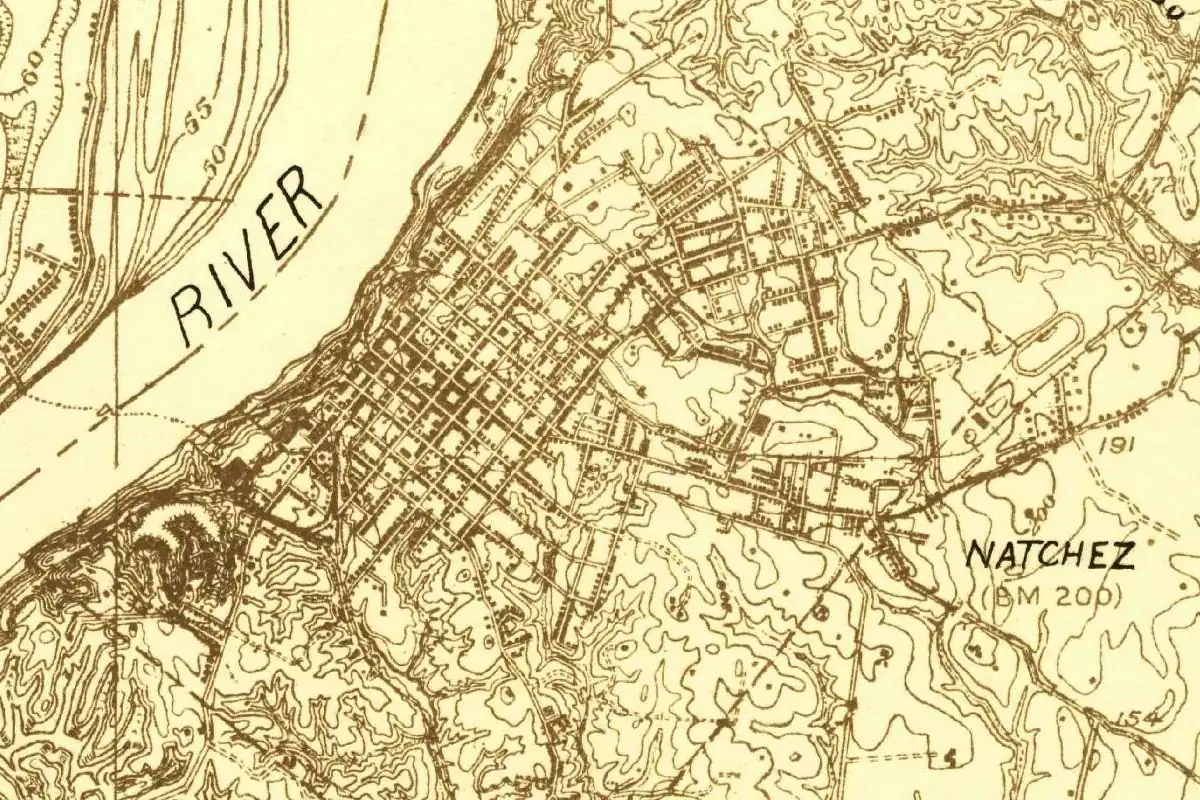
Natchez, Mississippi, nearly became Rosalie, after a French duchess, but the name of the Natchez people outlasted every name Europeans gave the place.
DocumentedThe French set up Fort Rosalie in 1716, the NPS says, and its site is part of Natchez National Historical Park. Source: Mississippi: Natchez National Historical Park (U.S. National Park Service)
 Polk County, IA
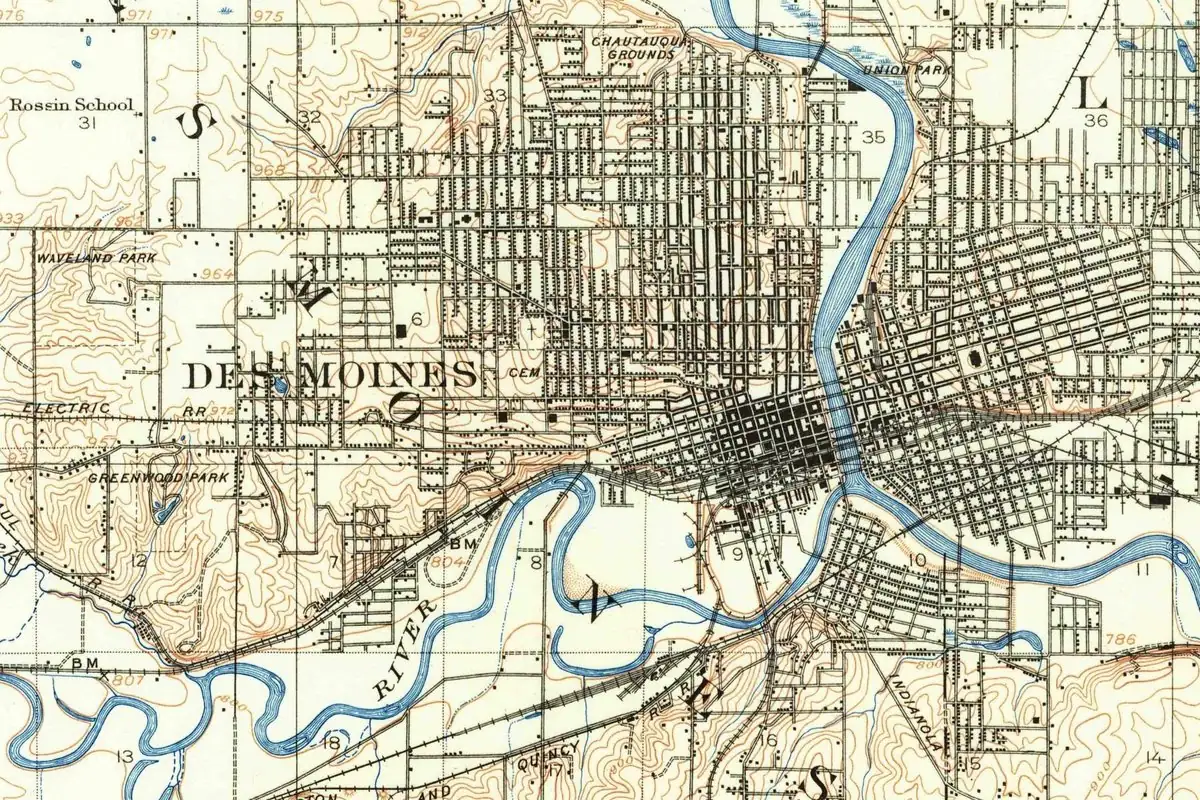
The Army captain who built the fort that became Des Moines, Iowa, named it Raccoon in 1843. General Scott ordered Fort Des Moines instead.
DisputedWhen the soldiers left Fort Des Moines in 1846, their cabins went to the city's first settlers, a state history says. Source: From Cabin to Capital: A Brief History of Des Moines and Polk County, Iowa (Iowa Department of Public Instruction, 1966)
 Sebastian County, AR
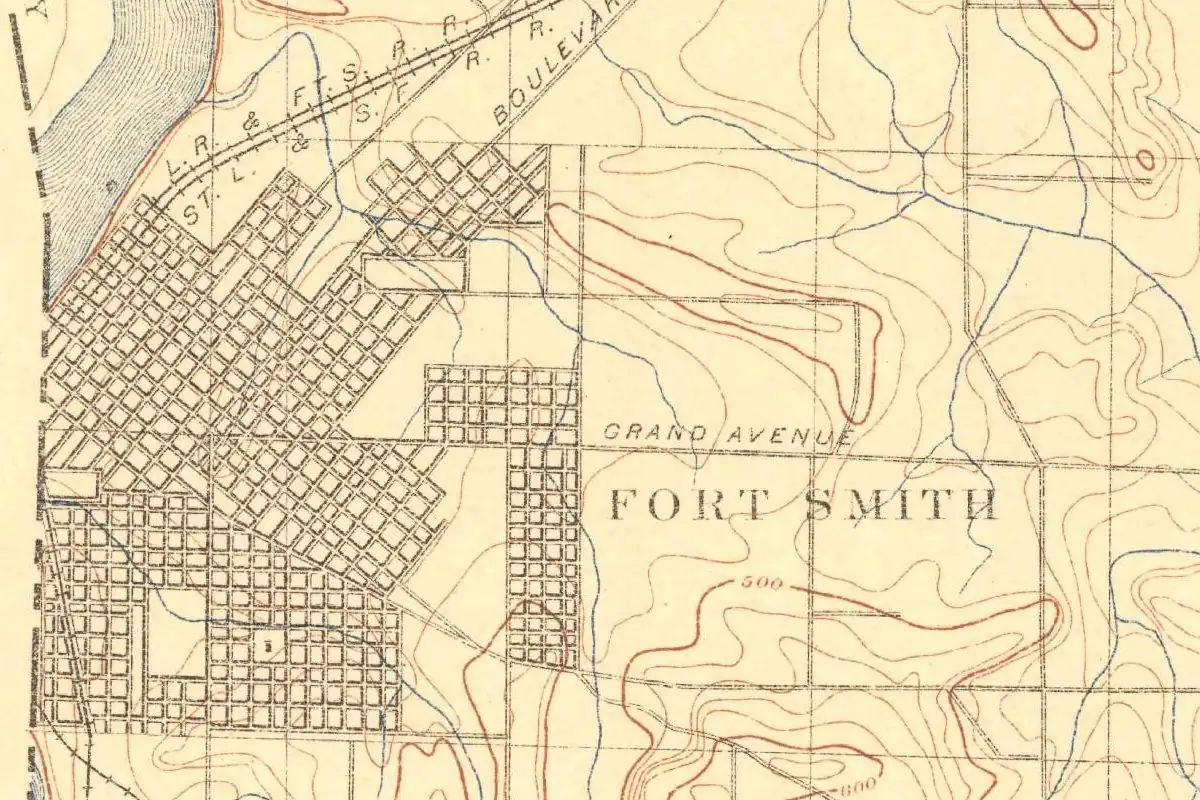
Fort Smith, Arkansas, grew up around an Army post named for Gen. Thomas A. Smith, but a 1905 federal list of place names credits a different General Smith.
DocumentedFort Smith National Historic Site preserves almost 80 years of history, starting with the Army post the city is named for. Source: Fort Smith National Historic Site (U.S. National Park Service)
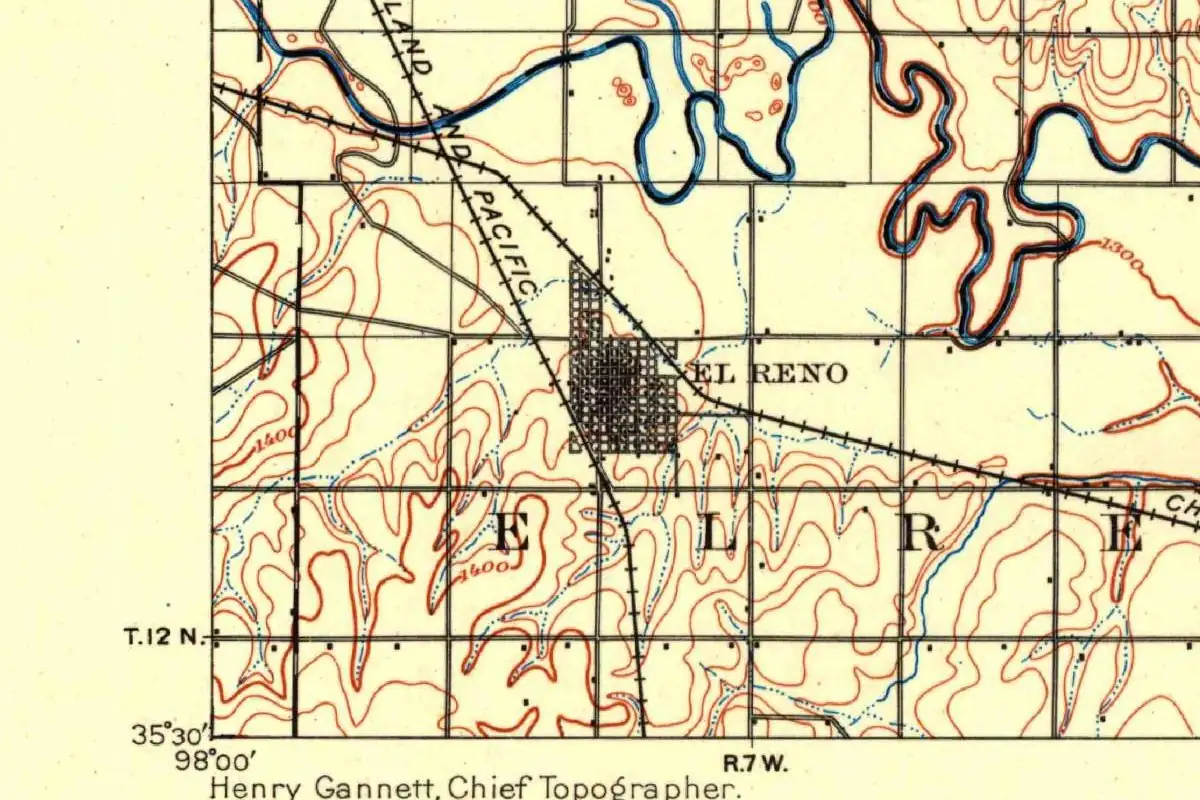 Canadian County, OK
In 1905, a U.S. Geological Survey book said El Reno, Oklahoma, meant "the reindeer." But the Post Office turned down plain Reno, and the town added "El."
DocumentedFort Reno, a camp from 1874 and a fort from 1875, sits a few miles northwest of today's El Reno, the state historical society says. Source: Fort Reno (The Encyclopedia of Oklahoma History and Culture, Oklahoma Historical Society)
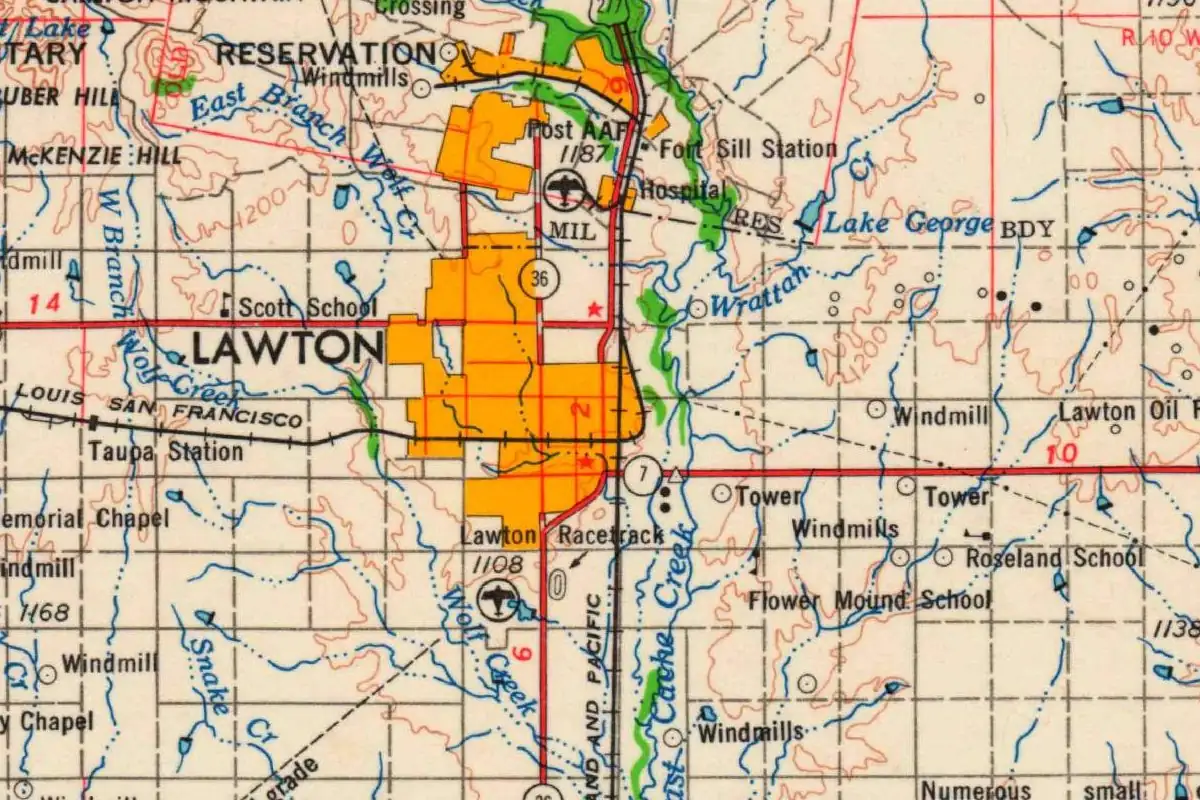 Comanche County, OK
In 1877, the officer Lawton, Oklahoma, is named for pointed to a buffalo path and warned 66 armed men not to cross it. In 1901, a new town took his name.
DocumentedThe city says its 1901 land lottery was for prairie just south of Fort Sill, set up as a cavalry fort in 1869. Source: History | Lawton, OK
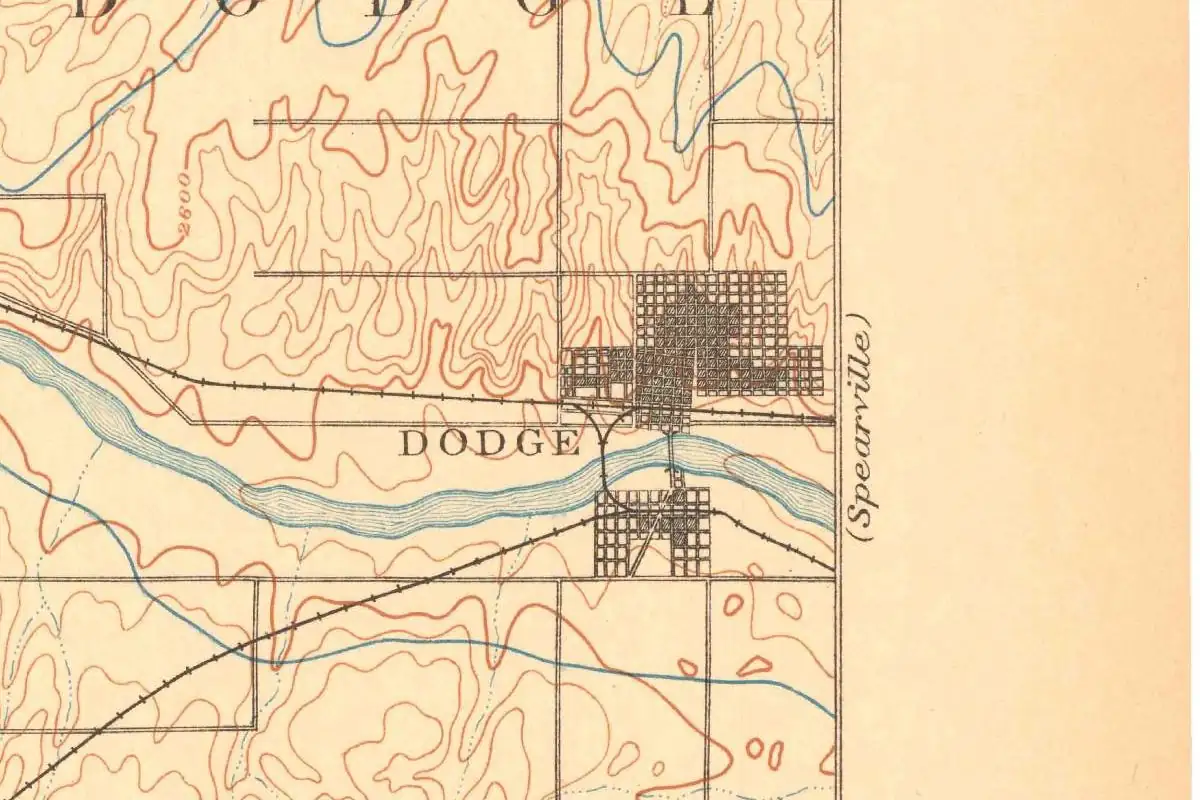 Ford County, KS
Everyone agrees Dodge City, Kansas, took its name from Fort Dodge. Which Dodge the fort was named for is another story, and the books give two answers.
DisputedFort Dodge, the Army post that named the city, is about 5 mi (8 km) east of Dodge City, the National Park Service says. Source: Fort Dodge (U.S. National Park Service)
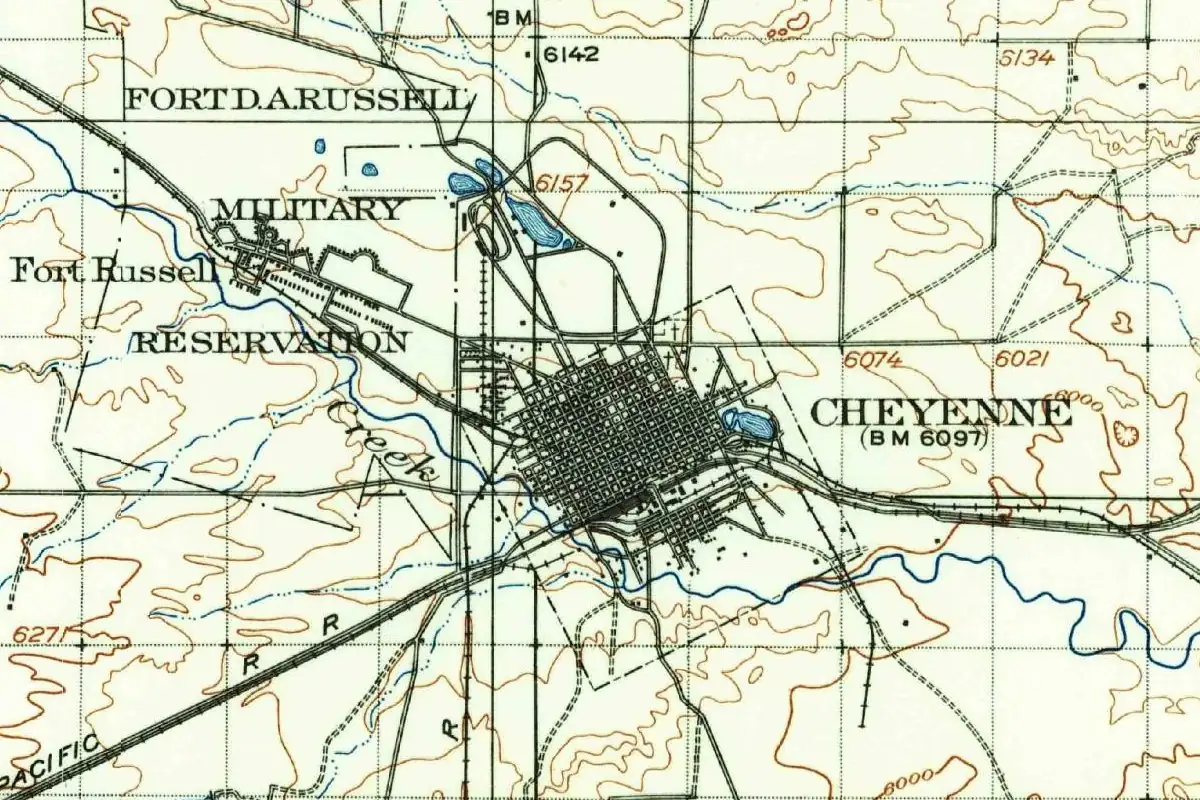 Laramie County, WY
Cheyenne, Wyoming, is named for the Cheyenne people, and the word has nothing to do with the French chien, or dog, despite an old guess that it did.
DocumentedIn 1867 Gen. C. C. Augur picked a spot on Crow Creek for a fort to guard railroad crews. It's now F. E. Warren Air Force Base. Source: Laramie County, Wyoming (WyoHistory.org)
 Larimer County, CO
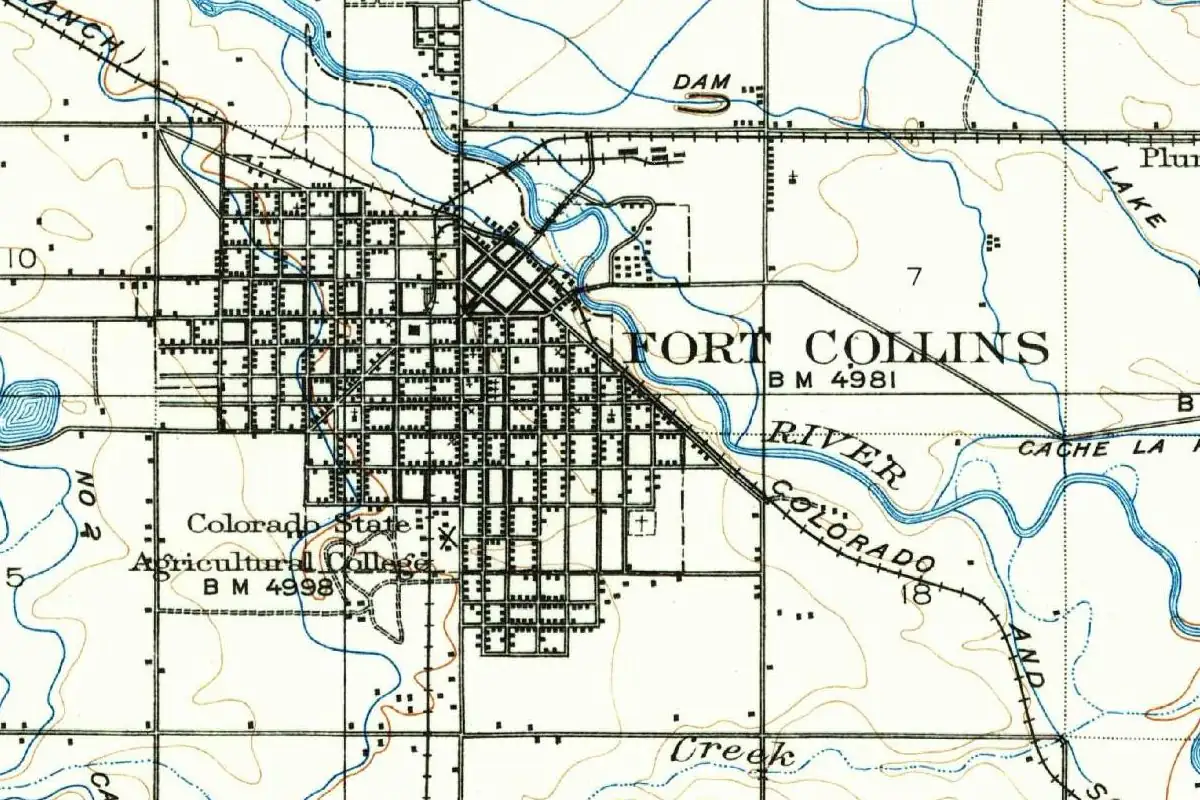
Fort Collins, Colorado, started out as Camp Collins, an Army post named for an Ohio colonel. The town gave itself the grander title of Fort later.
DocumentedThe city's history archive says a flood hit Camp Collins in 1864, and Col. Collins approved a new site for the post that August. Source: 1860: Detailed Time Line (Fort Collins History Connection)
 Natrona County, WY
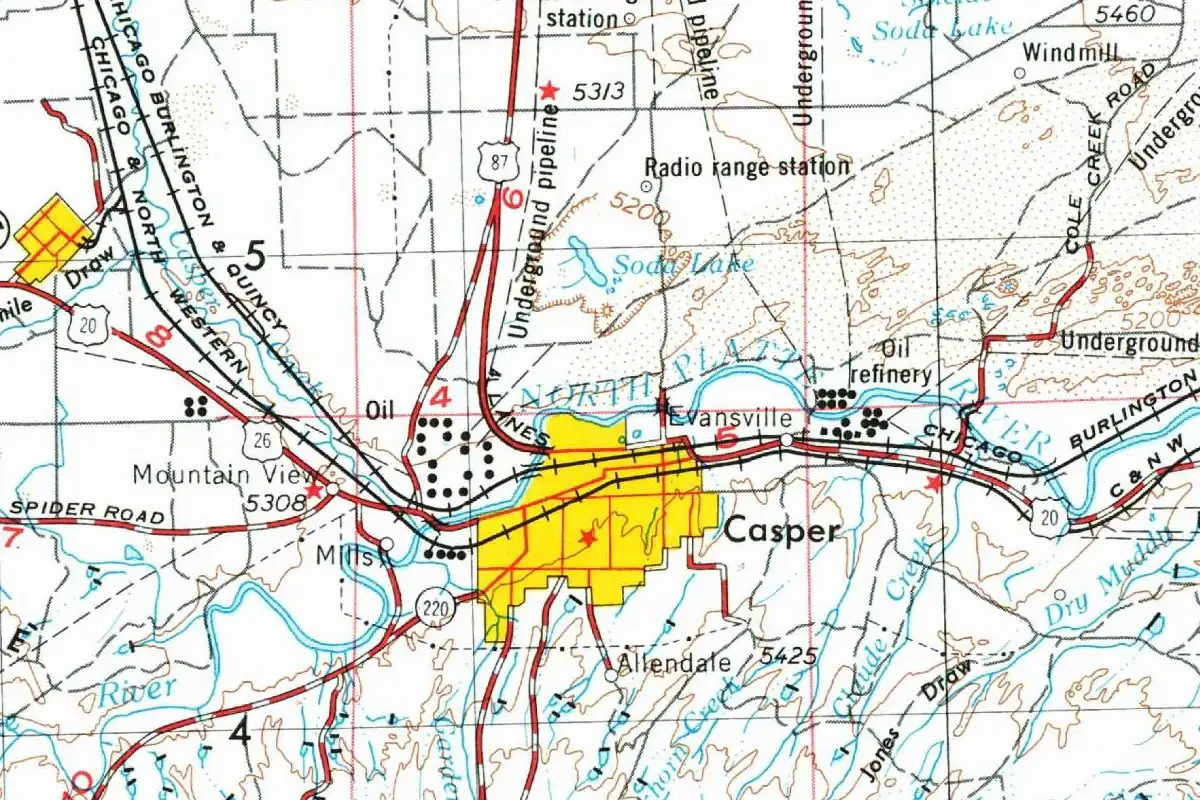
Two state histories quote the same 1865 Army order that gave Casper, Wyoming, its name, and they don't spell it the same way.
DocumentedThe post at Platte Bridge was renamed for Lt. Caspar Collins, killed in the battle there in 1865, and closed in 1867, the NPS says. Source: Fort Caspar (U.S. National Park Service)
 Sitka City and Borough, AK
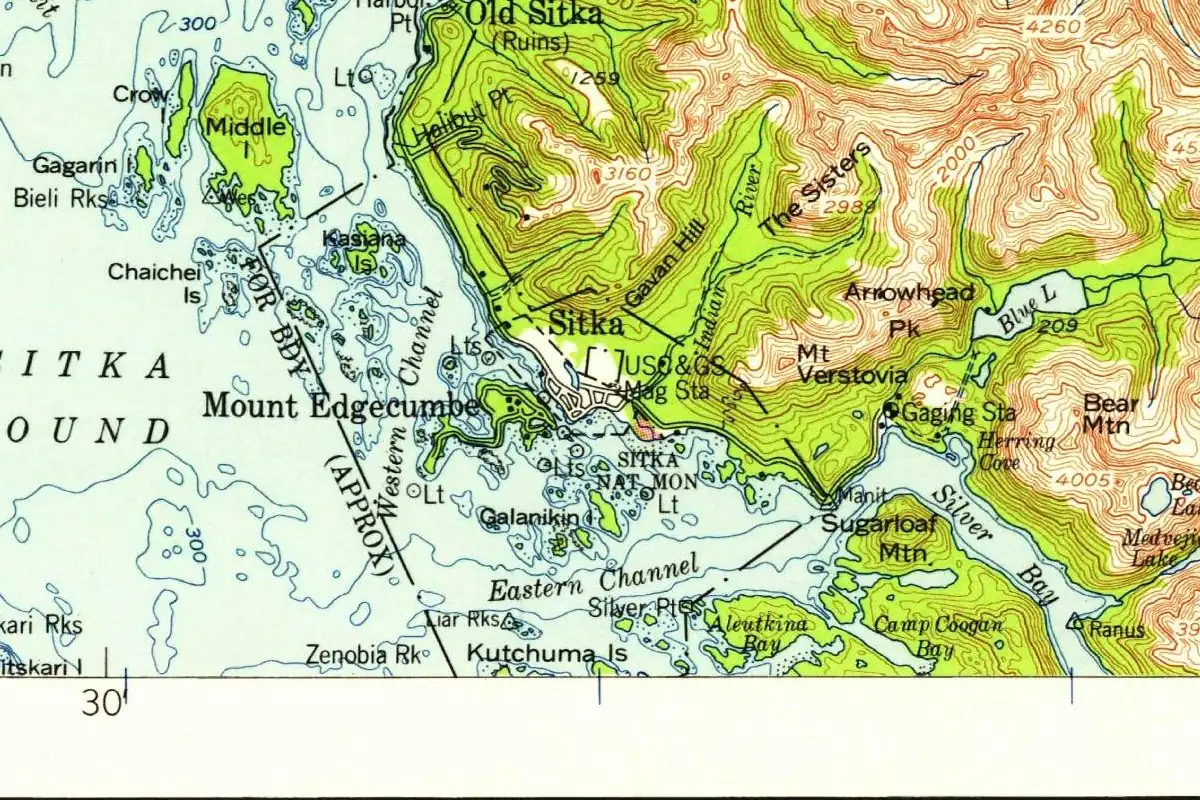
The Russians officially called their Alaska capital New Archangel, but the name that stuck was Sitka, taken from the Tlingit name for the place.
DocumentedSitka National Historical Park preserves the site of a battle between invading Russian traders and the Kiks.ádi Tlingit, the NPS says. Source: Sitka National Historical Park (U.S. National Park Service)
 Honolulu County, HI
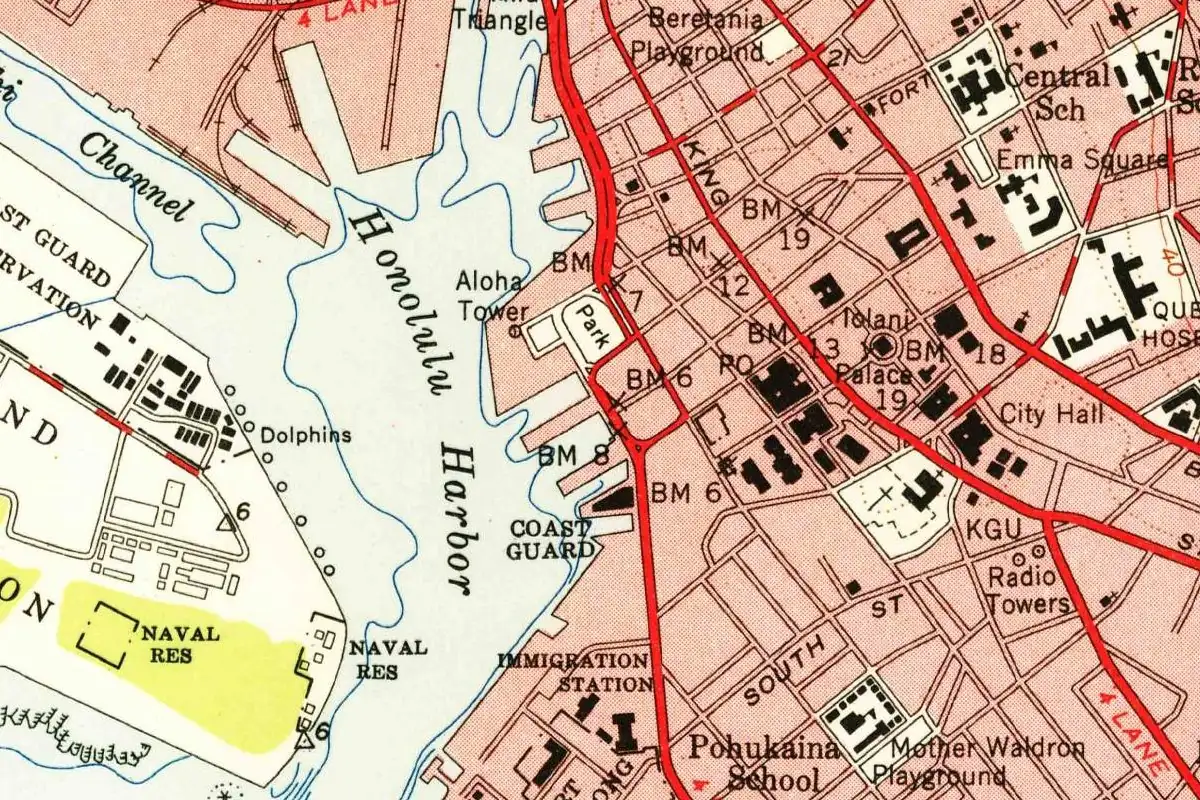
A captain who sailed into Honolulu's harbor in 1794 called it Fair Haven, and that's just how early scholars translated the Hawaiian name Honolulu.
DocumentedThe National Park Service gives Pearl Harbor National Memorial a Honolulu address, at 1 Arizona Memorial Place. Source: Directions & Transportation - Pearl Harbor National Memorial (U.S. National Park Service)
Sources for this page
- Fort McHenry National Monument and Historic Shrine (U.S. National Park Service) (accessed Oct 31, 2026)