Oldest Cities in the United States and How They Got Their Names
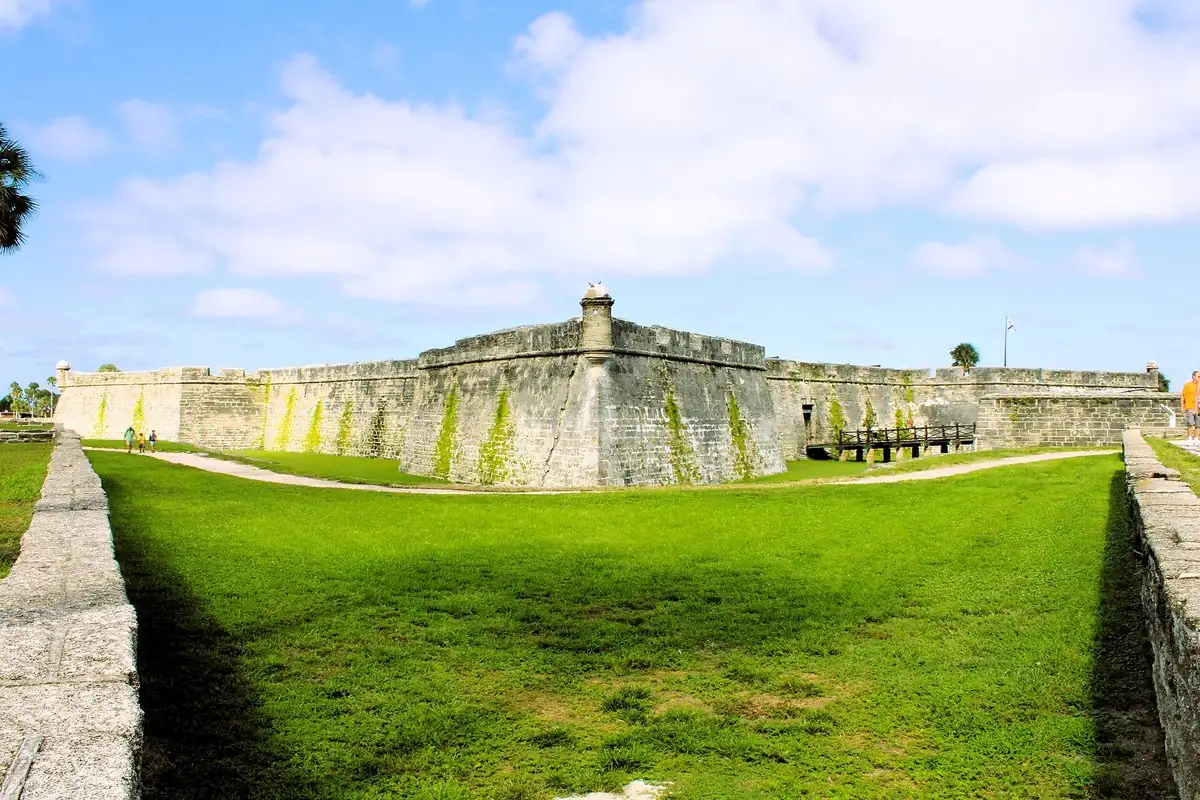

On this page, the oldest cities in the United States start in 1565. That August, a Spanish fleet reached the coast of Florida on St. Augustine’s feast day, and the city that grew up there still carries the saint’s name. It’s the oldest place here, and the rest follow in order of the year on each card.
Here, “old” means a town or city that Europeans settled, laid out or named before 1700, with the year in a historical source. That leaves out places older than any of these: the Native towns that were already there. Coronado’s men reached the pueblo next to today’s Taos, New Mexico, in 1540 and 1541, decades before St. Augustine, and wrote its name down as Braba.
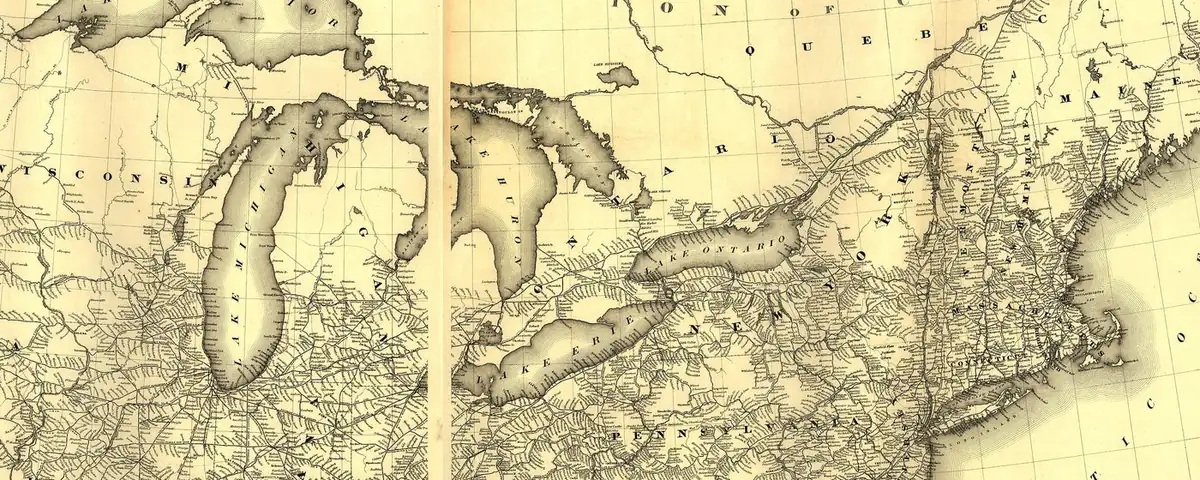
Most of these old U.S. cities sit near the Atlantic. You’ll find Puritan towns in New England, Dutch and Swedish beginnings on the Delaware, and English ports in Maryland, New Jersey and South Carolina. Spain came from the south and west, with St. Augustine, Santa Fe and Pensacola. France’s first settlement in Mississippi, in 1699, stood about a league east of today’s Biloxi, near Ocean Springs. The city itself came later, so it isn’t on this list.
Founding dates are slippery. A “founding” can mean the first cabins, a land deed or the day a court gave the town its name, and the old books don’t always agree. Bancroft could only place Santa Fe’s founding somewhere between 1605 and 1616. Each card below says which date it uses. Some very old places, like Plymouth, Massachusetts, Jamestown, Virginia, and Albany, New York, don’t have their stories on the site yet.
How we picked these. Europeans settled, laid out or named the town or city before 1700, and a historical source gives the year. The list runs from oldest to newest. Each story below lists the source that confirms it.
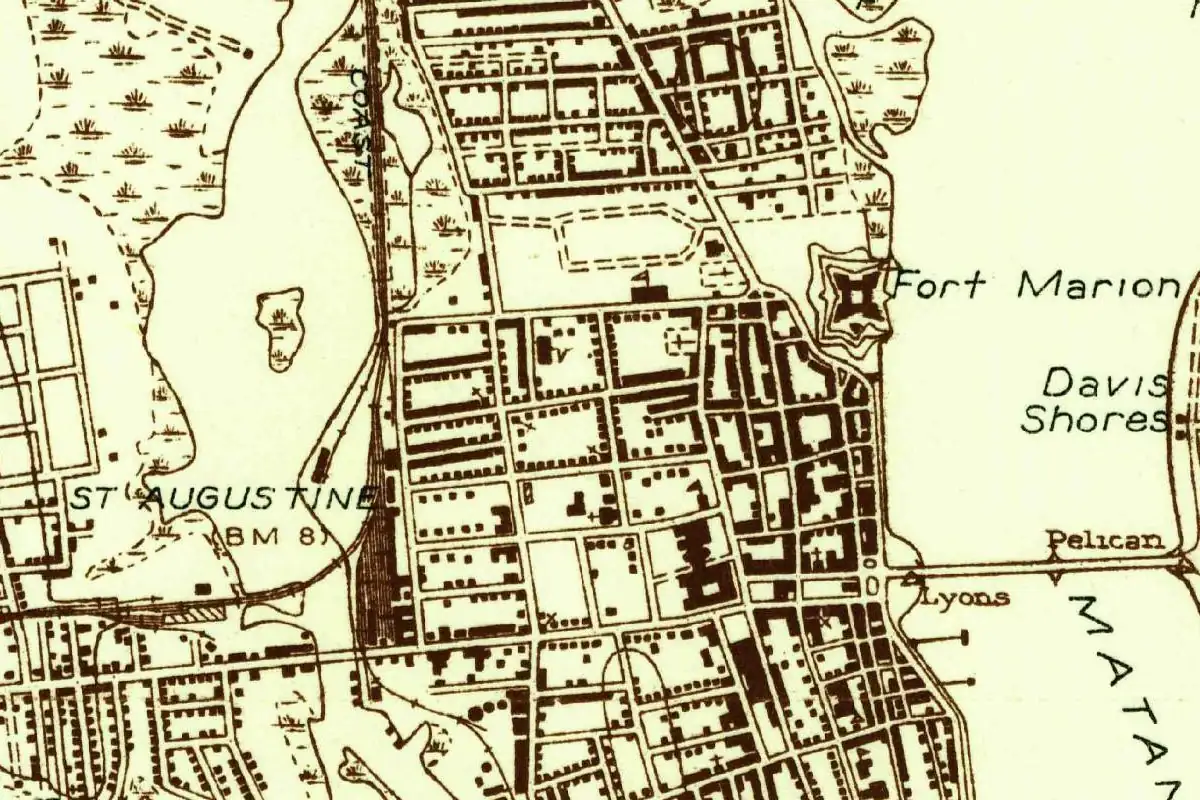 St. Johns County, FL
The Spanish fleet that founded St. Augustine, Florida, reached the coast on August 28, 1565. On the Catholic calendar, that was St. Augustine's day.
DocumentedA Spanish fleet reached the coast on St. Augustine's day, August 28, 1565, and the city still carries the saint's name. Source: George R. Fairbanks, The History and Antiquities of the City of St. Augustine, Florida (1858)
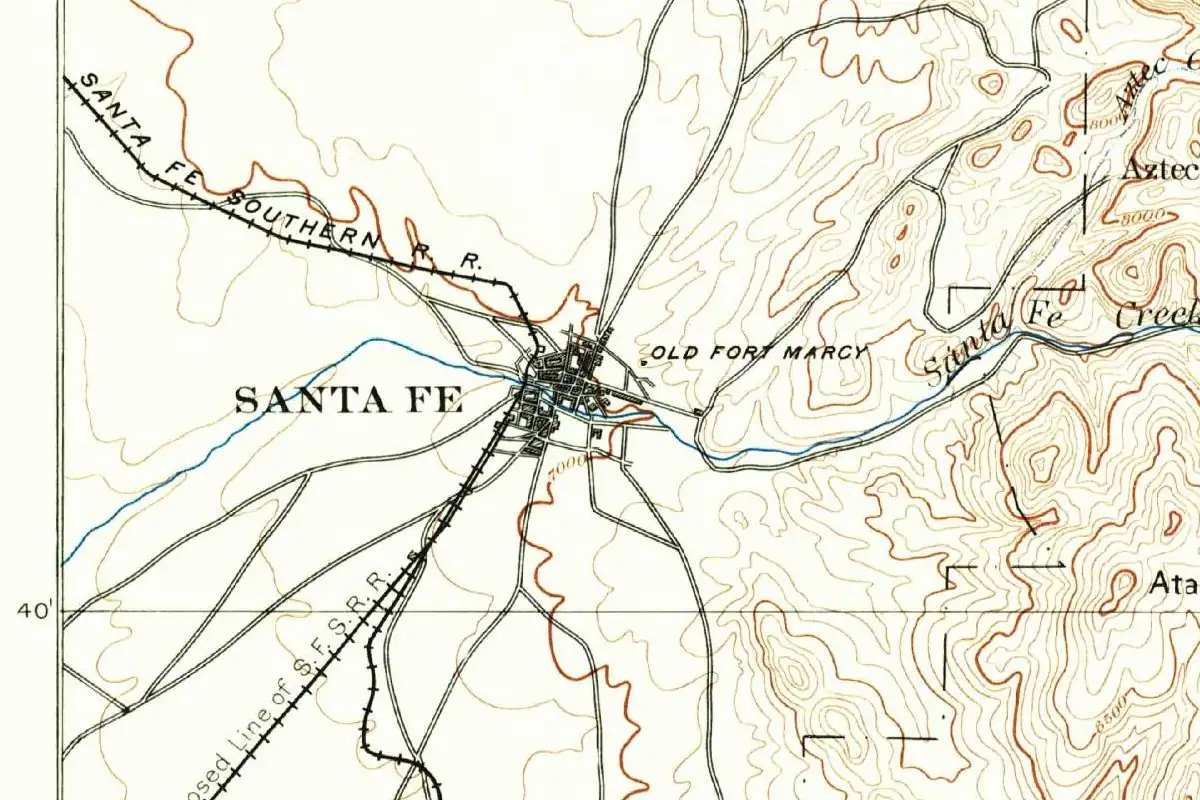 Santa Fe County, NM
Santa Fe means holy faith, and New Mexico's capital has carried that name for over 400 years, but even its first historians couldn't find the day it began.
DocumentedBancroft found no record of the founding date and put it somewhere between 1605 and 1616. In January 1617, Santa Fe's town council wrote to the king. Source: Hubert Howe Bancroft, History of Arizona and New Mexico, 1530-1888 (1889)
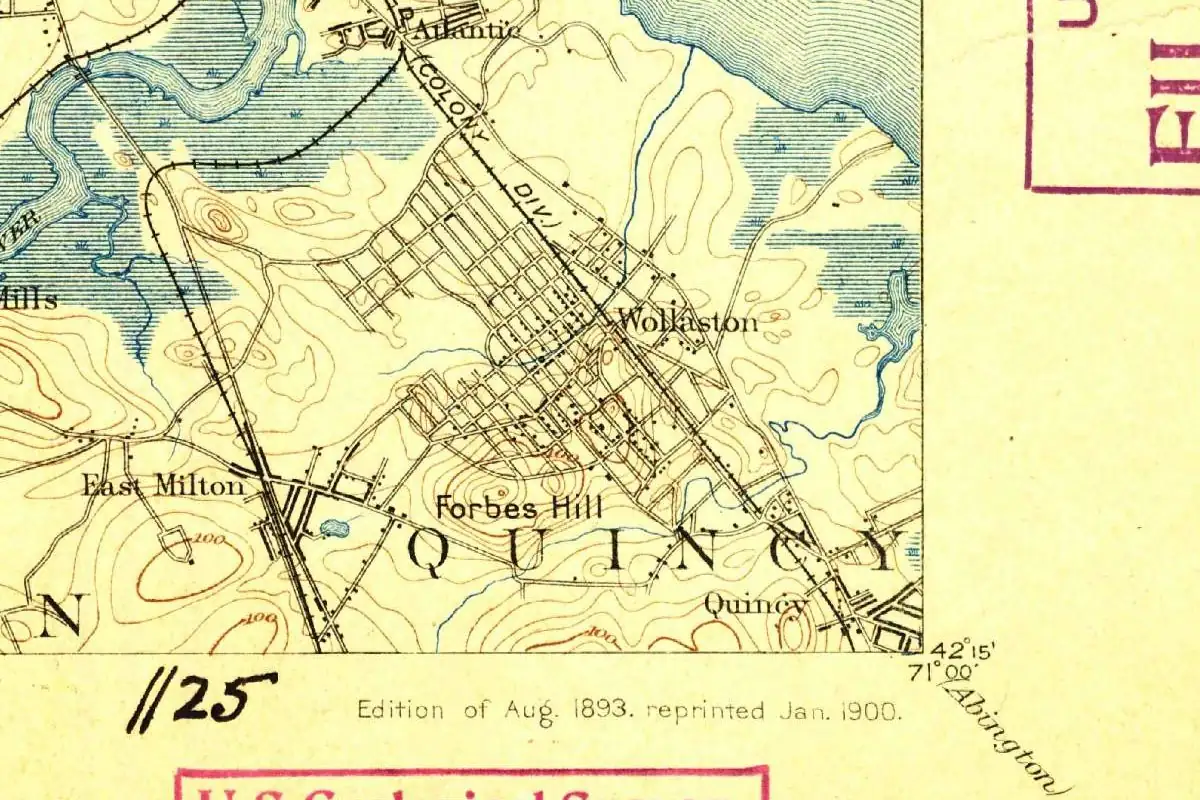 Norfolk County, MA
Quincy, Massachusetts, and John Quincy Adams were named for the same man, Col. John Quincy, who lay dying when the future president was born.
DocumentedCaptain Wollaston settled here in 1625, and the spot was called Mount Wollaston after him. The name Quincy came later. Source: John Warner Barber, Historical Collections ... of Every Town in Massachusetts (1839)
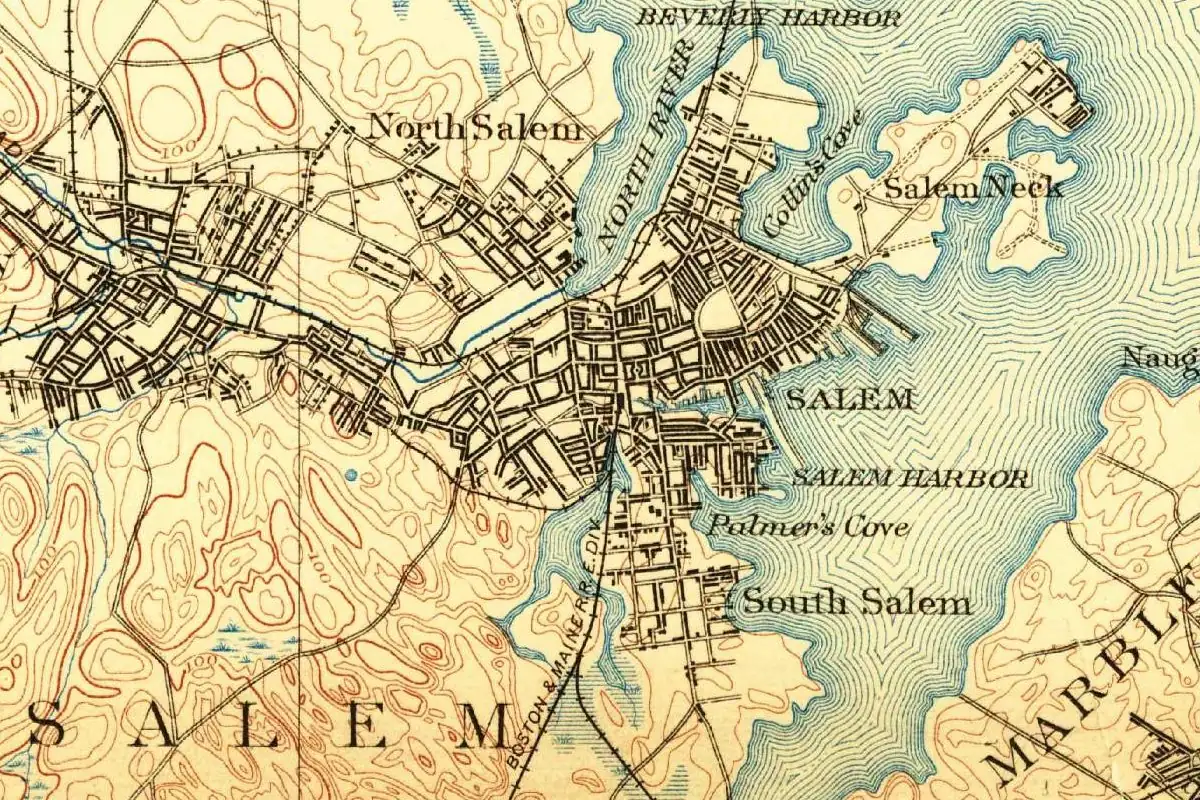 Essex County, MA
Salem, Massachusetts, began as Naumkeag. In 1629 newly arrived English settlers renamed it with a Hebrew word meaning "peace."
DocumentedRoger Conant's group came to Naumkeag in the autumn of 1626, Nason says, and John Endecott's company followed in 1628. Source: Elias Nason, A Gazetteer of the State of Massachusetts (1874)
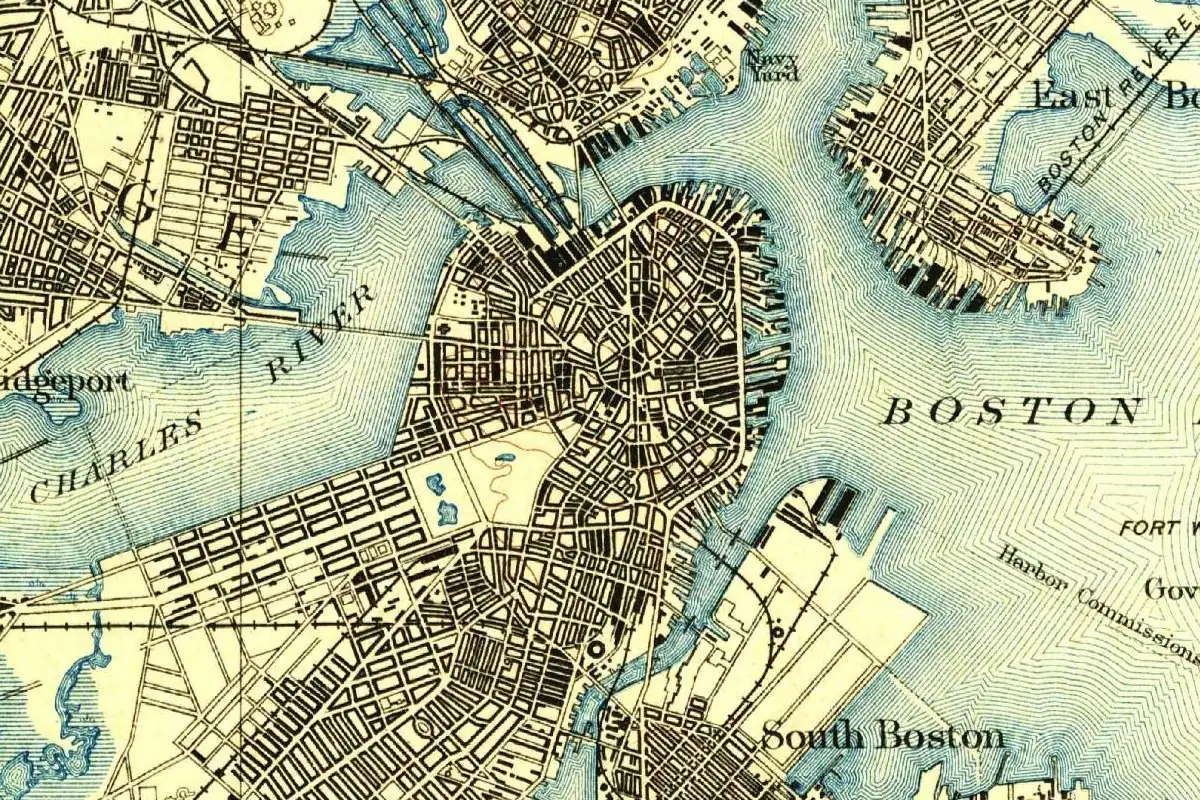 Suffolk County, MA
Before it was Boston, the colonists' town on the Shawmut peninsula was Trimountain. In 1630 it took the name of Boston, a town in Lincolnshire, England.
DisputedOn September 7, 1630, the colony's court ordered that Trimountain be called Boston. Source: John Warner Barber, Historical Collections ... of Every Town in Massachusetts (1839)
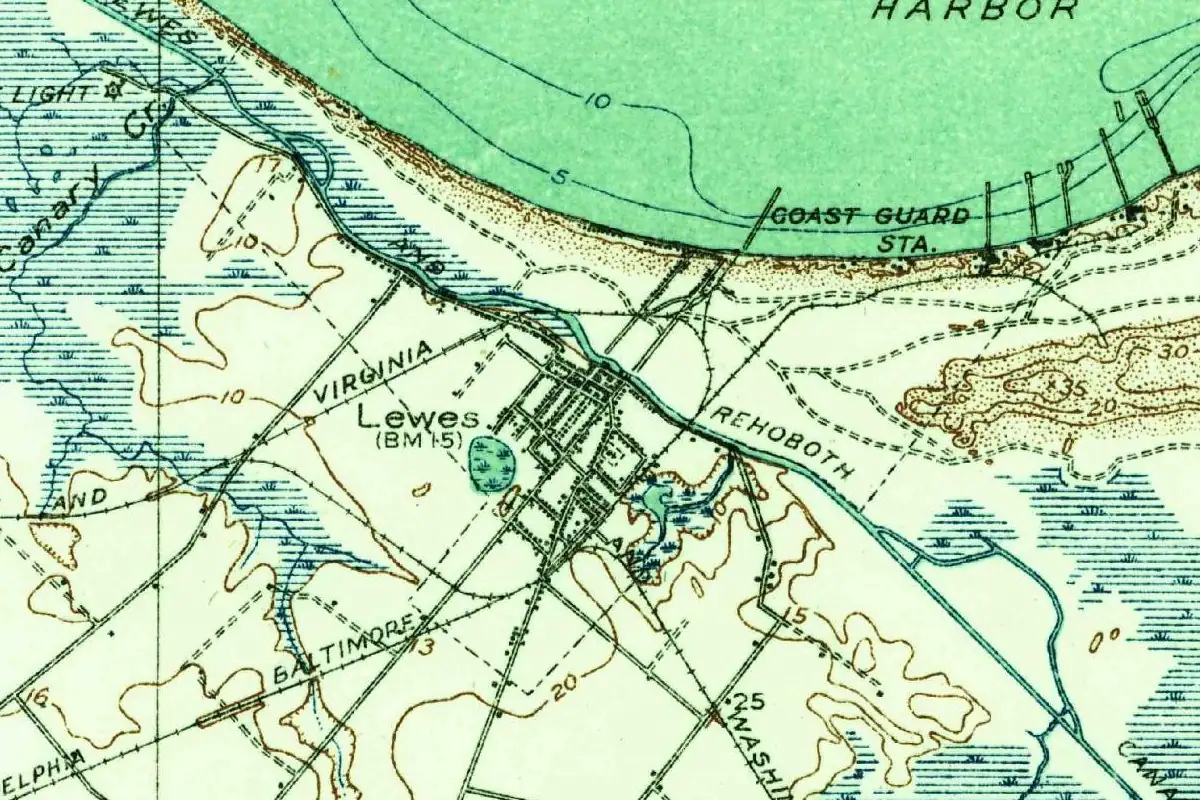 Sussex County, DE
Lewes, Delaware, got William Penn's official sanction as the town's name in 1682, but the name already shows up on a 1672 land grant at the Horekill.
DisputedDutch ships landed near today's Lewes in 1631, and the creek got the name Hoornkill. The name Lewes came later. Source: Henry C. Conrad, History of the State of Delaware, vol. 1 (1908)
 Independent city, VA
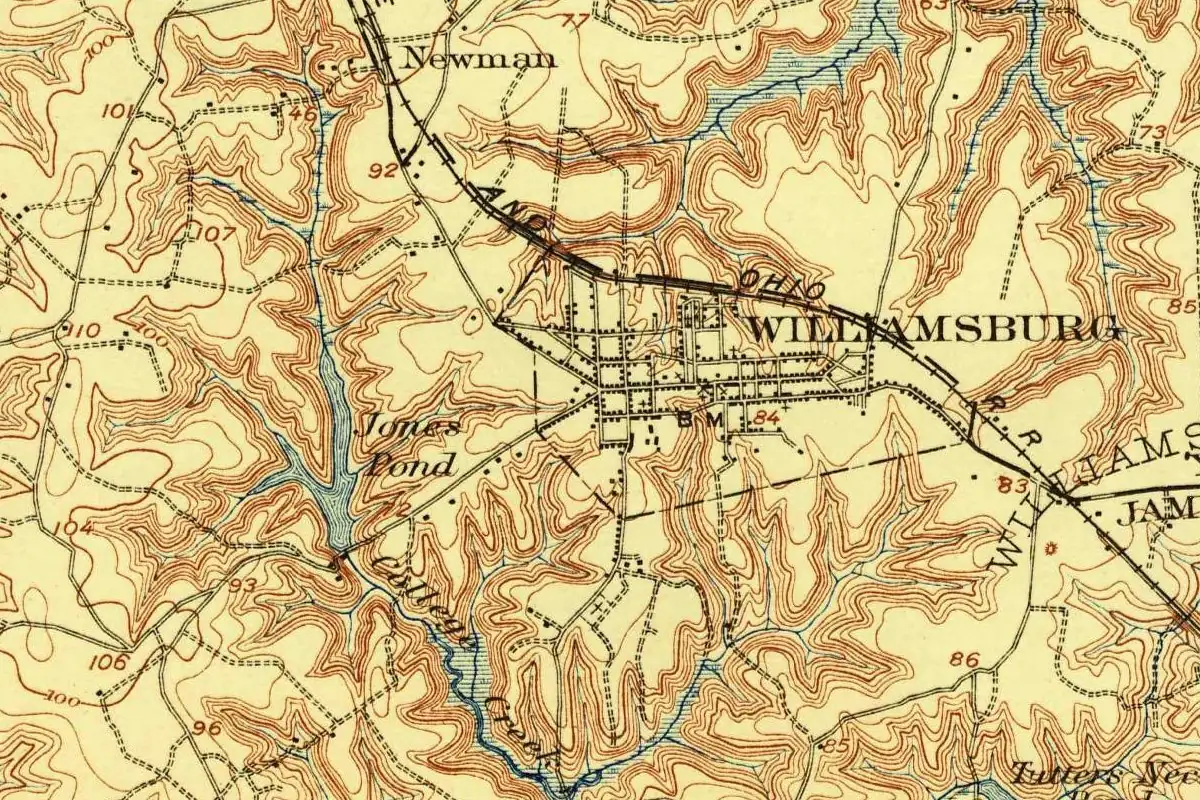
Williamsburg, Virginia, spent over 60 years as Middle Plantation, until the capital moved there from Jamestown and the town was renamed for King William.
DocumentedIn the early 1630s, the colony ran a palisade across the peninsula, and a settlement called Middle Plantation was made there. It became Williamsburg, for King William III, in 1699. Source: Lyon Gardiner Tyler, Williamsburg, the Old Colonial Capital (1907)
 York County, ME
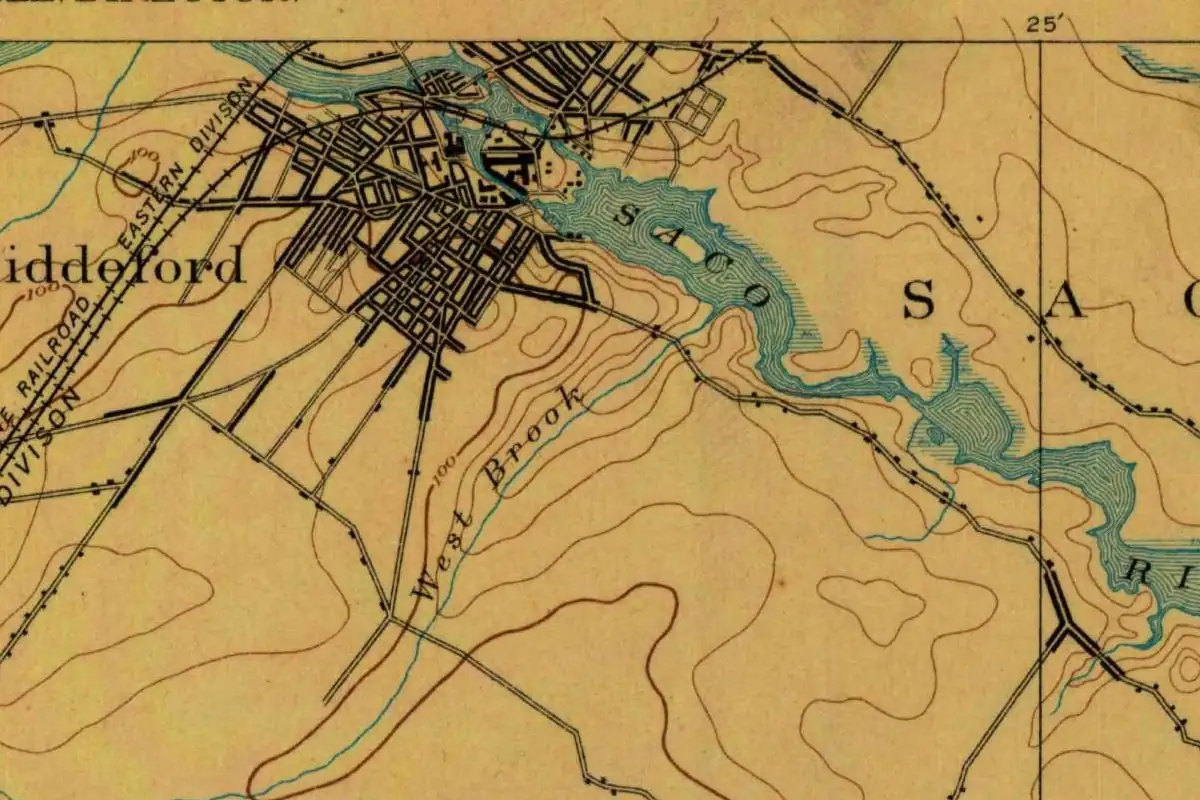
For 43 years, Saco, Maine, was officially Pepperrellborough. In 1805 it went back to Saco, the old river name people had never stopped using.
DocumentedA 1635 agreement already names men "of Saco," and in the 1630s the name covered the settlements on both sides of the river. Source: George Folsom, History of Saco and Biddeford (1830)
 Hartford County, CT
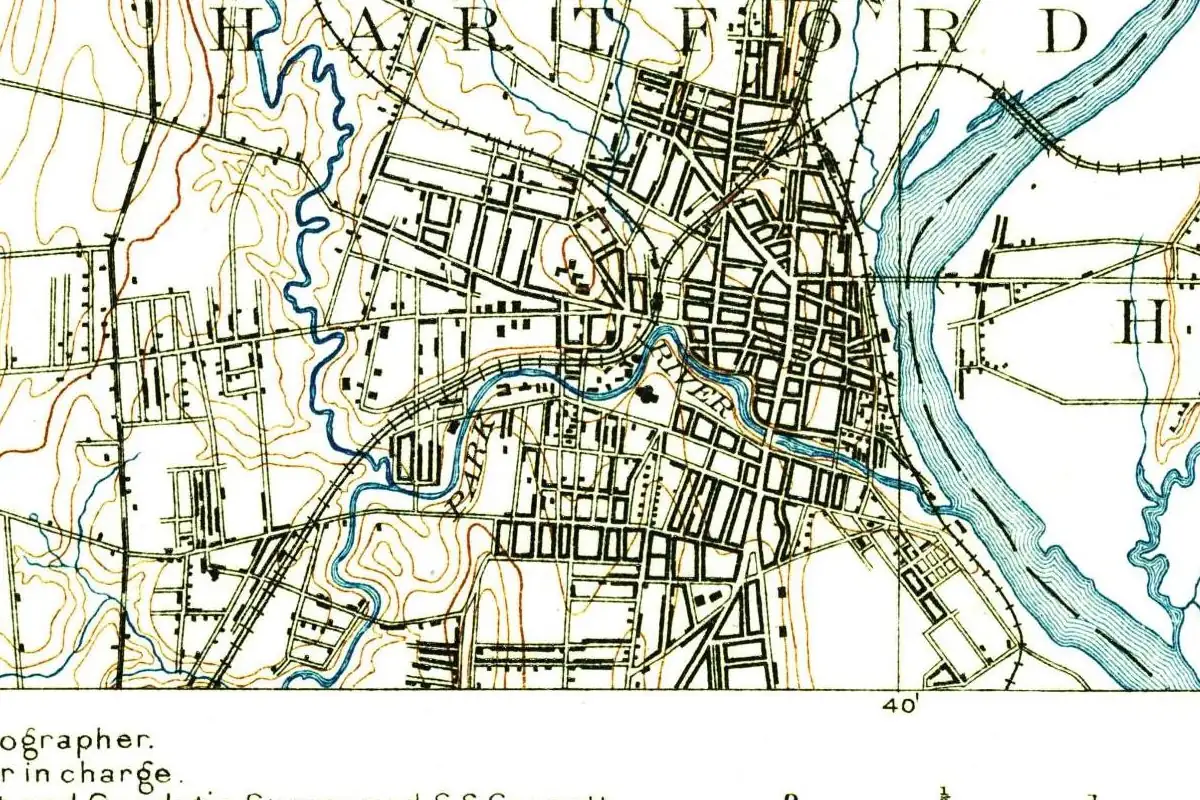
The English town that gave Hartford, Connecticut, its name spells it Hertford, and an 1886 history says people there more often pronounce it Harford.
DocumentedJohn Steel and his associates from Newtown, Massachusetts, began the first English settlement at Hartford in 1635. Source: John Warner Barber, Connecticut Historical Collections, 2nd ed. (1836)
 Providence County, RI
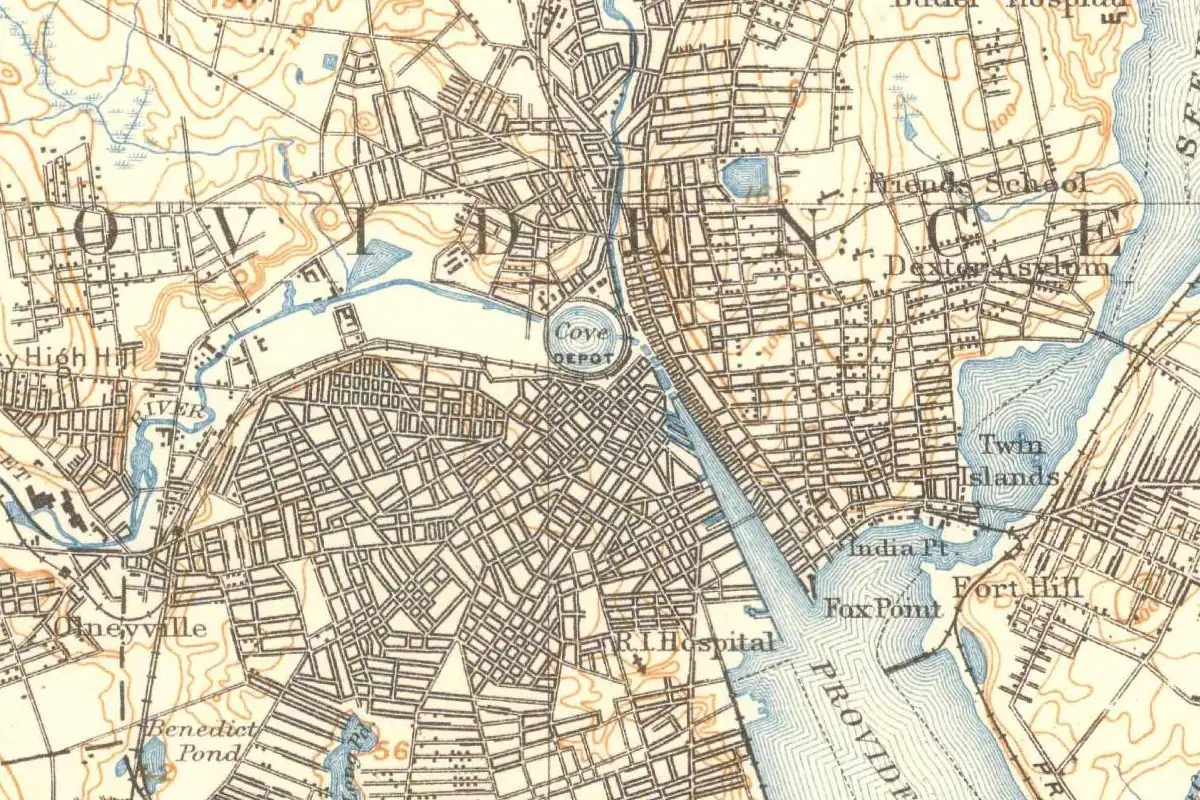
Roger Williams named Providence, Rhode Island. In a 1661 deed he said he chose it "in a sense of God's merciful providence unto me in my distress."
DocumentedRoger Williams picked the spot and named it Providence in 1636, just after he was forced out of Massachusetts. Source: Samuel Greene Arnold, History of the State of Rhode Island and Providence Plantations, vol. 1
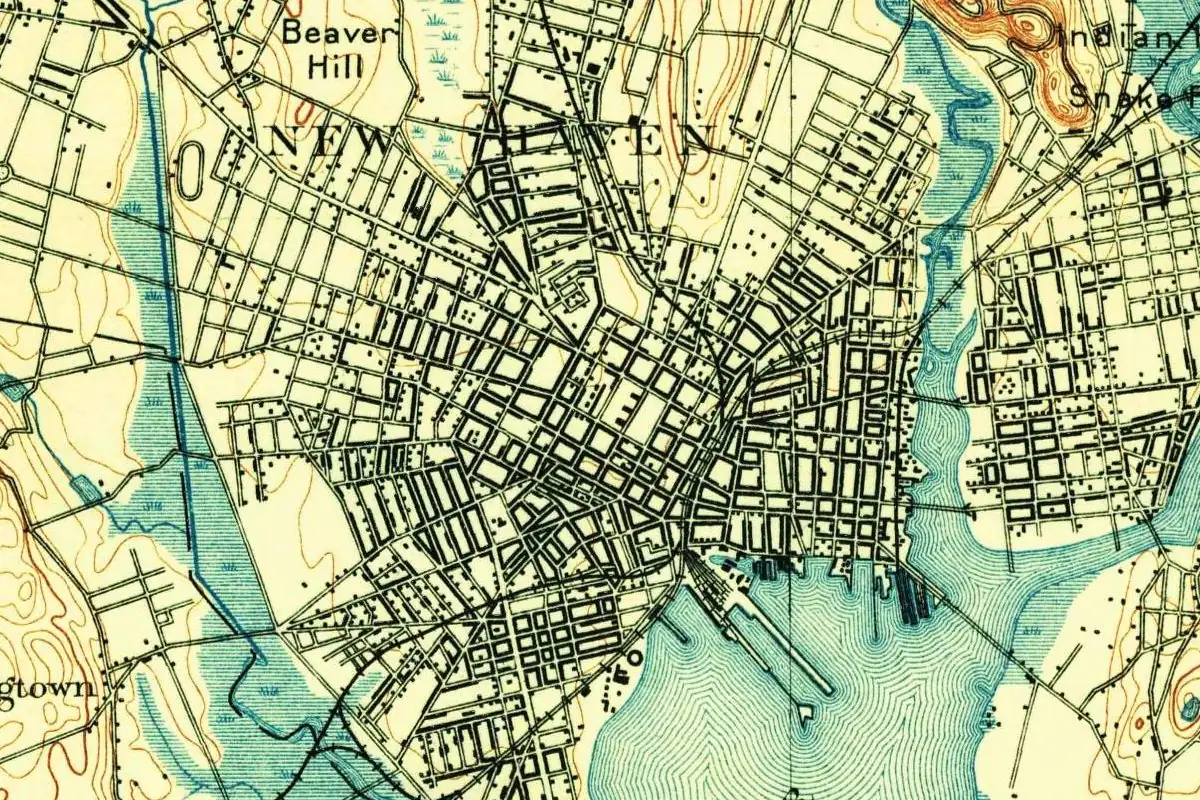 New Haven County, CT
The order that renamed New Haven, Connecticut, is five words long: "This towne now named Newhaven." Before that, it was Quinnipiac.
DocumentedThe English settlers came to Quinnipiac in 1638, and two years later they renamed it New Haven. Source: Charles J. Hoadly, ed., Records of the Colony and Plantation of New-Haven, from 1638 to 1649 (1857)
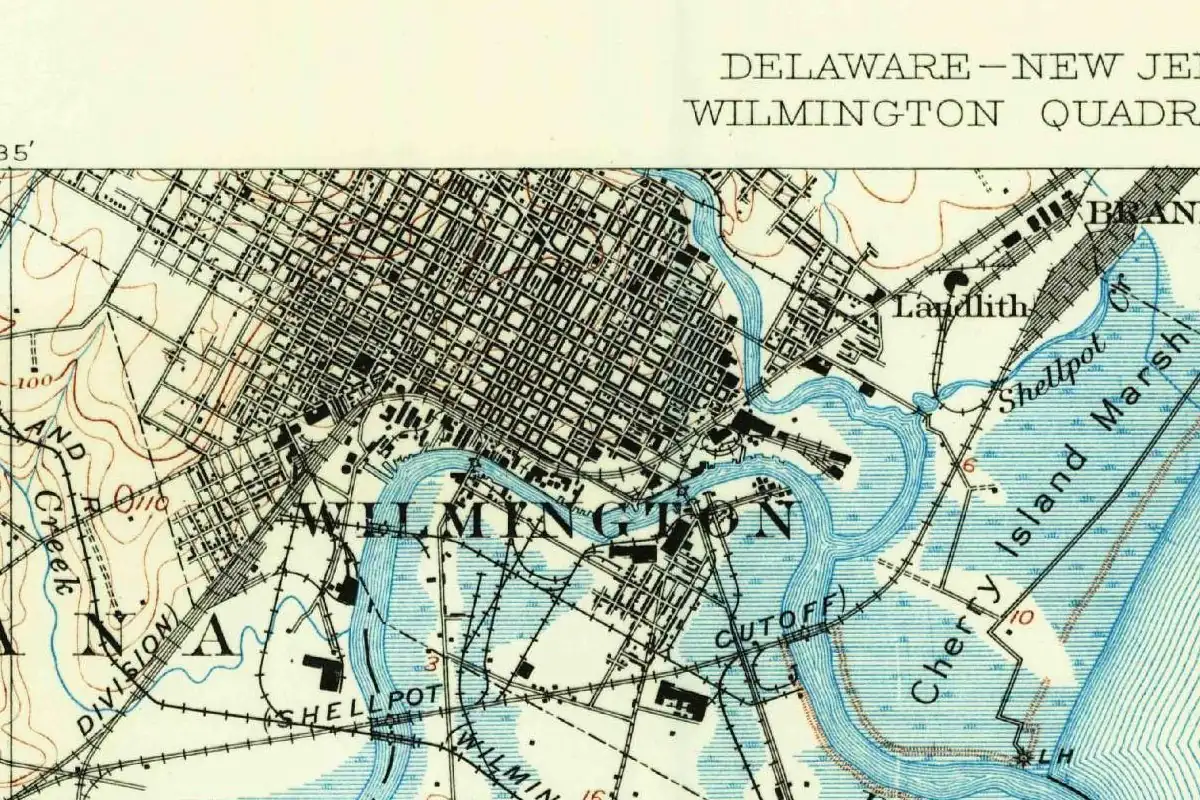 New Castle County, DE
Wilmington, Delaware, started out as Willingtown, and two old reference books disagree on whether its 1739 name honors Thomas Willing or an English earl.
DisputedSwedish and Dutch colonists built Fort Christina here in 1638 and called the settlement around it Christinaham. Source: The Encyclopaedia Britannica, 11th ed., vol. 28 (1911), "Wilmington (Delaware)"
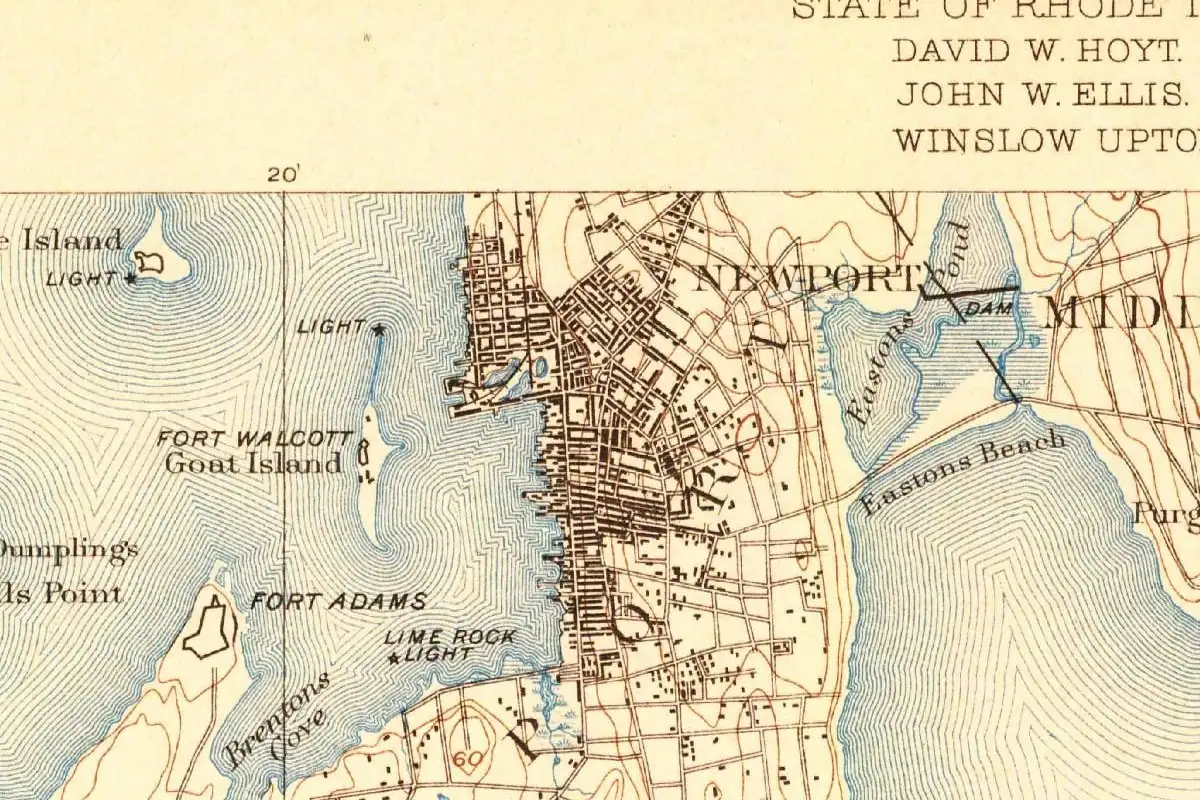 Newport County, RI
When a group of settlers moved out of Aquidneck Island's first town in 1639 and took its whole government with them, they started Newport, Rhode Island.
DocumentedSettlers who left Pocasset signed an agreement on April 28, 1639, to start a new plantation, and Newport began that spring. Source: Samuel Greene Arnold, History of the State of Rhode Island and Providence Plantations, vol. 1
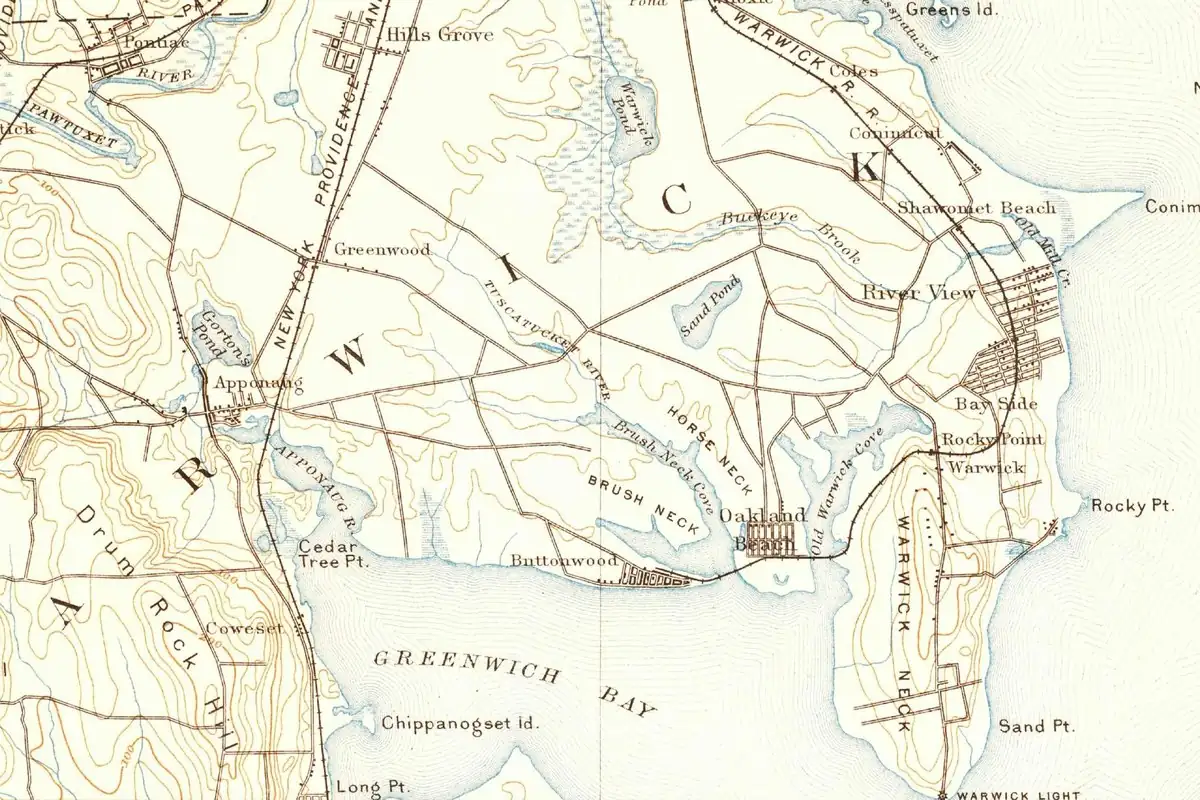 Kent County, RI
Warwick, Rhode Island, was Shawomet when Massachusetts troops besieged it in 1643. Its leader, Samuel Gorton, renamed it for an earl who backed him.
DocumentedIt was Samuel Gorton's settlement of Shawomet when Massachusetts troops besieged it in 1643. The name Warwick came after. Source: Samuel Greene Arnold, History of the State of Rhode Island and Providence Plantations, vol. 1
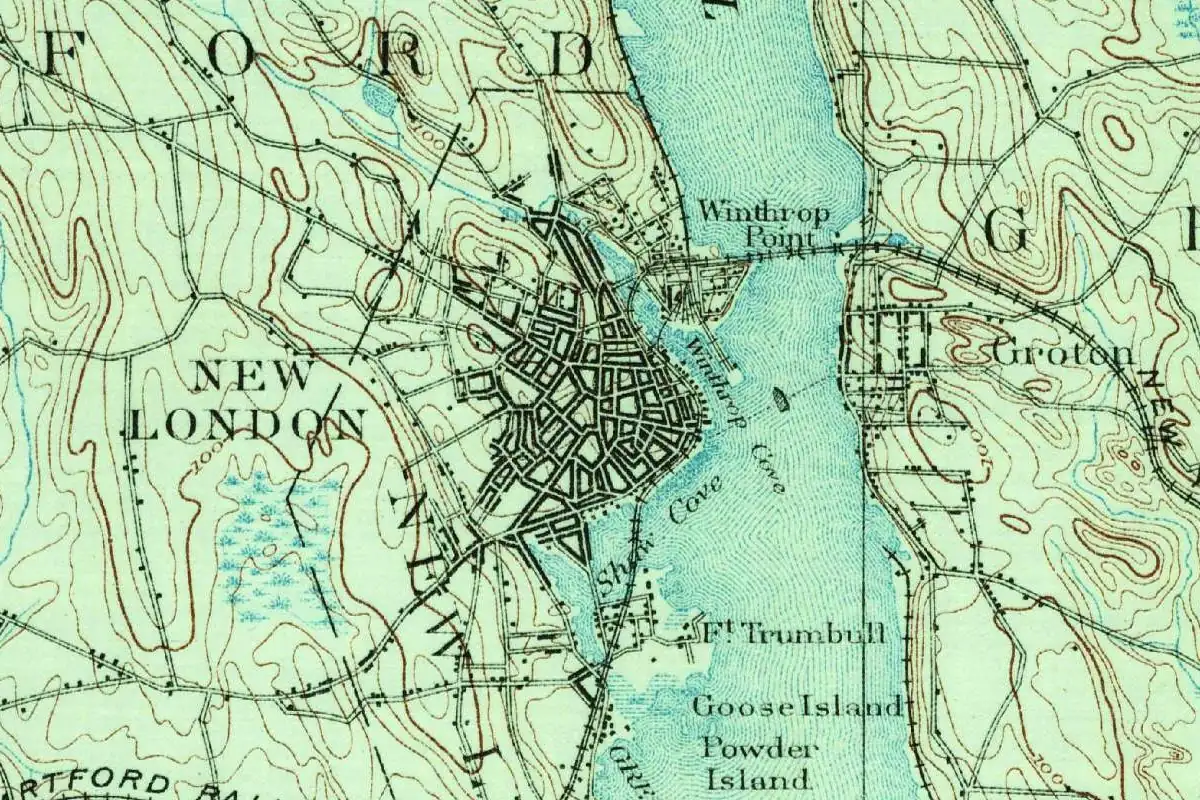 New London County, CT
In 1649, Connecticut's General Court suggested the settlers at Pequot harbor call their town Fair Harbour. They wanted London, and in 1658 they got it.
DocumentedThe town began around 1646 at Pequot harbor, with John Winthrop in charge, and was named New London in 1658. Source: Frances Manwaring Caulkins, History of New London, Connecticut (1852)
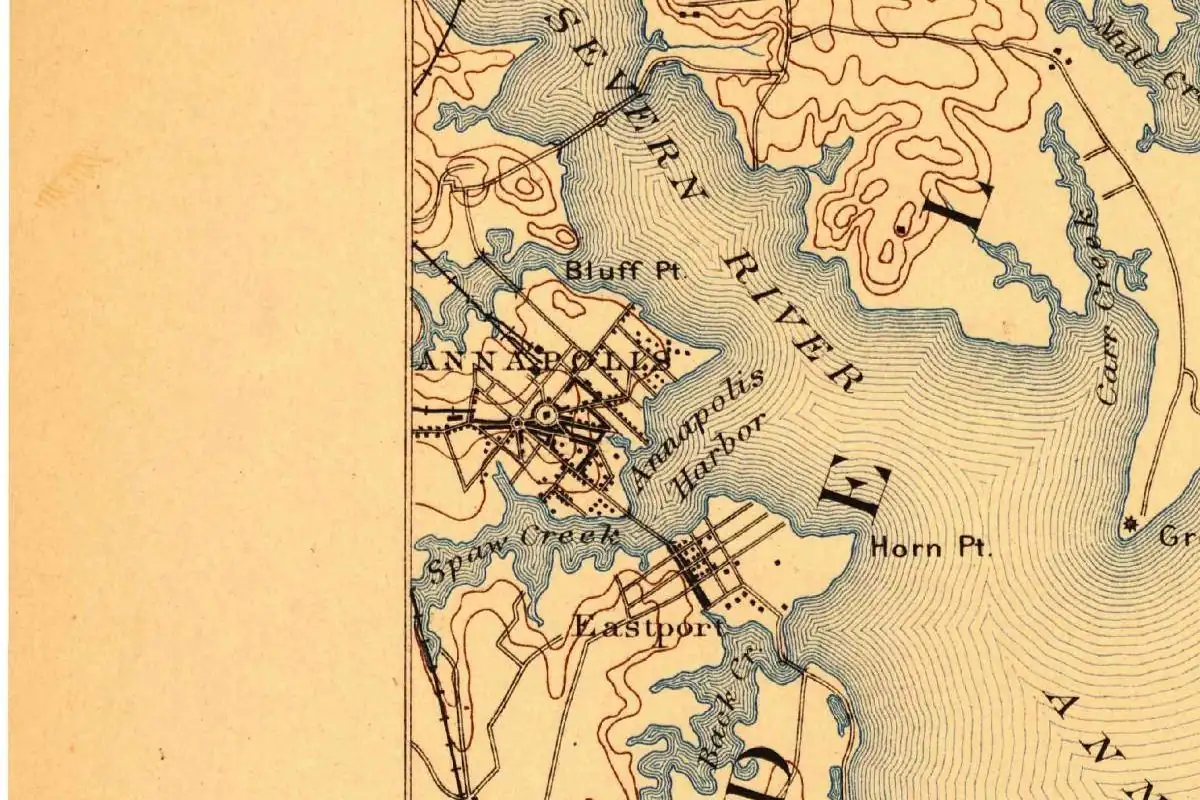 Anne Arundel County, MD
When Maryland's new capital took the name Annapolis in 1695, the Anne it honored wasn't a queen yet. She was Princess Anne, seven years from the throne.
DocumentedAbout ten Puritan families from Virginia settled on the Severn in 1649 and called their colony Providence. The town there took the name Annapolis in 1695. Source: Elihu S. Riley, "The Ancient City": A History of Annapolis, in Maryland, 1649-1887 (1887)
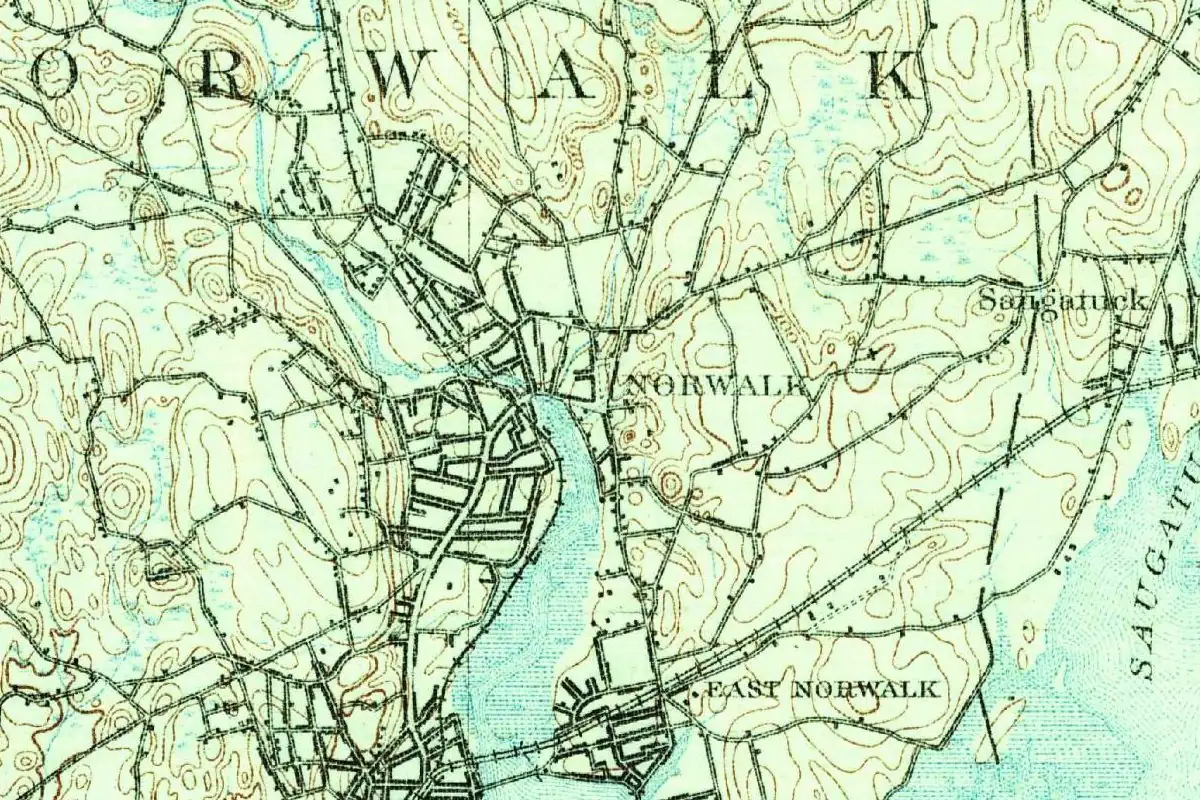 Fairfield County, CT
The story says Norwalk, Connecticut, got its name from a 1640 land deal that ran a day's "north walk" from the sea. A local historian called it a fancy.
DisputedRoger Ludlowe bought the land in 1640, and in 1649 the colony's court ordered a town "by the name of Norwalk." Source: John Warner Barber, Connecticut Historical Collections, 2nd ed. (1836)
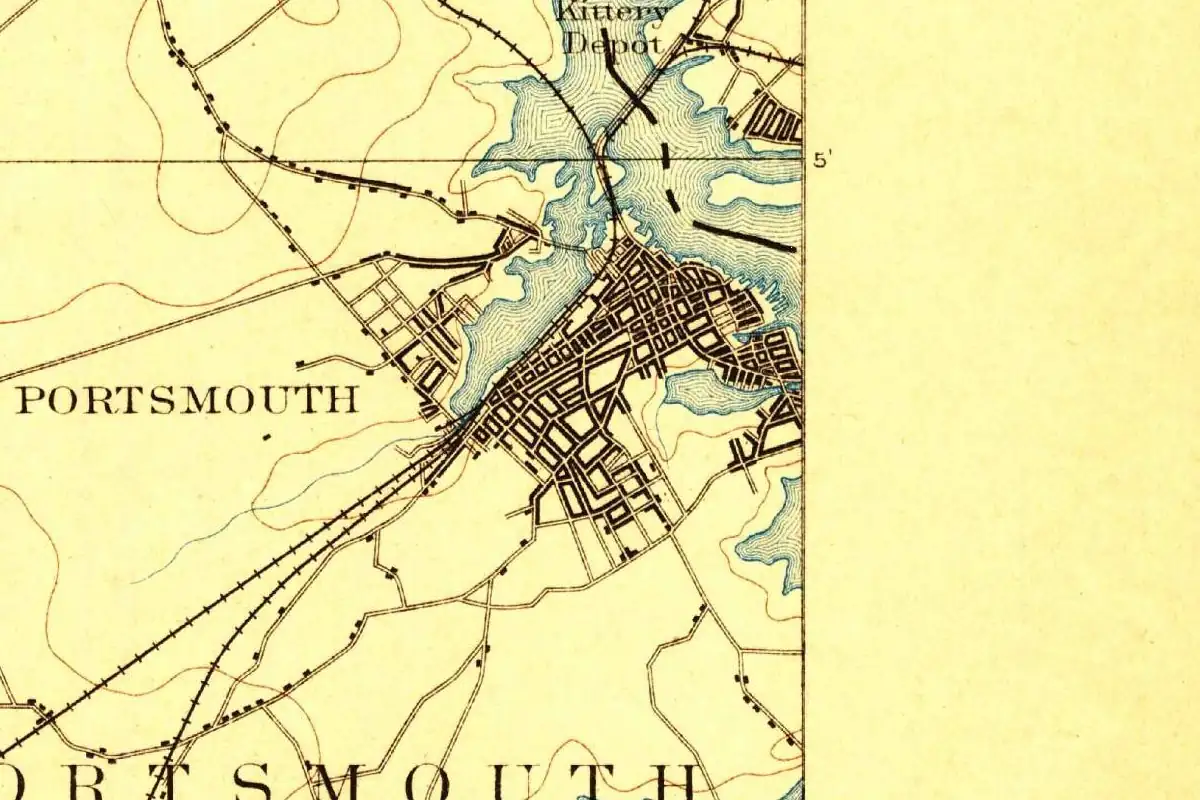 Rockingham County, NH
Portsmouth, New Hampshire, used to be Strawberry Bank, and in 1653 its settlers asked for a new name because the town sat at "the river's mouth."
DisputedIn May 1653, the settlers of Strawberry Bank asked to call their town Portsmouth, "it being the river's mouth." Source: Charles W. Brewster, Rambles about Portsmouth (1859)
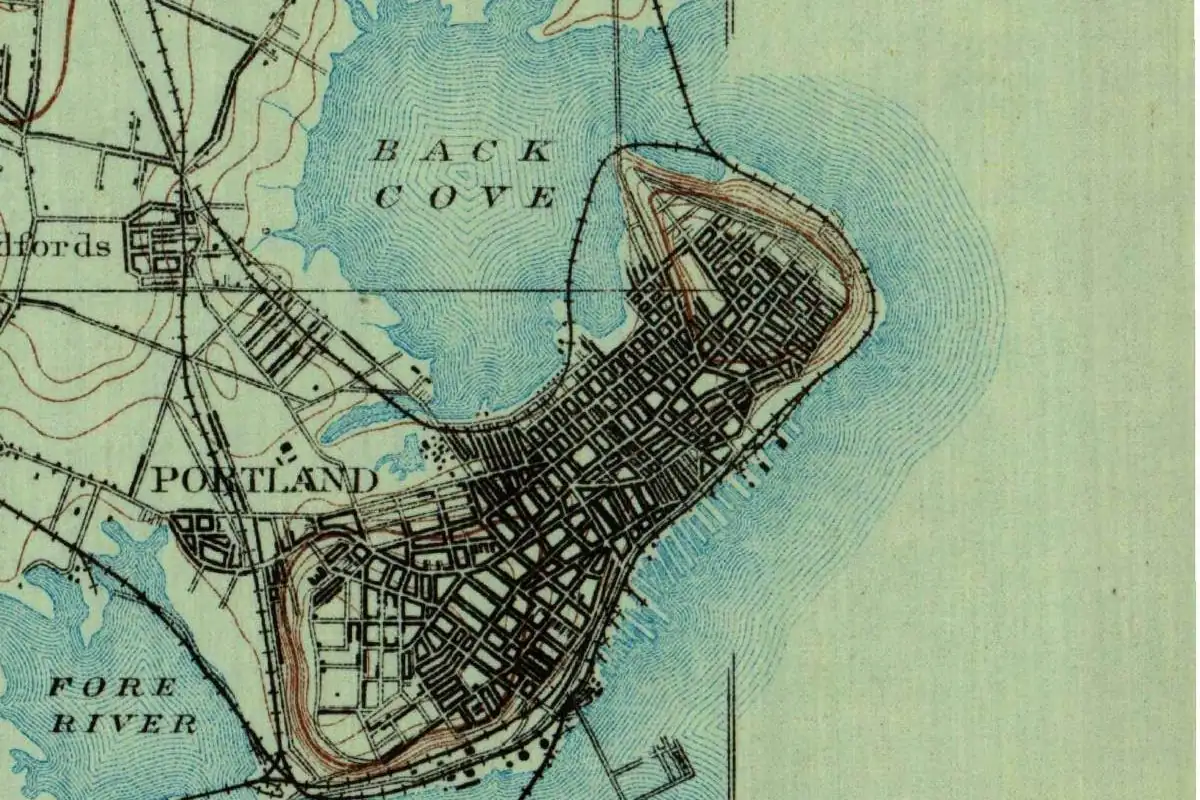 Cumberland County, ME
When Portland, Maine, split off from the town of Falmouth in 1786, it could just as easily have been called Casco or Falmouthport.
DocumentedThe settlements around Casco Bay, the Neck included, were named Falmouth in 1658. In 1786 the Neck split off as a town of its own called Portland. Source: William Willis, The History of Portland, from 1632 to 1864, 2nd ed. (1865)
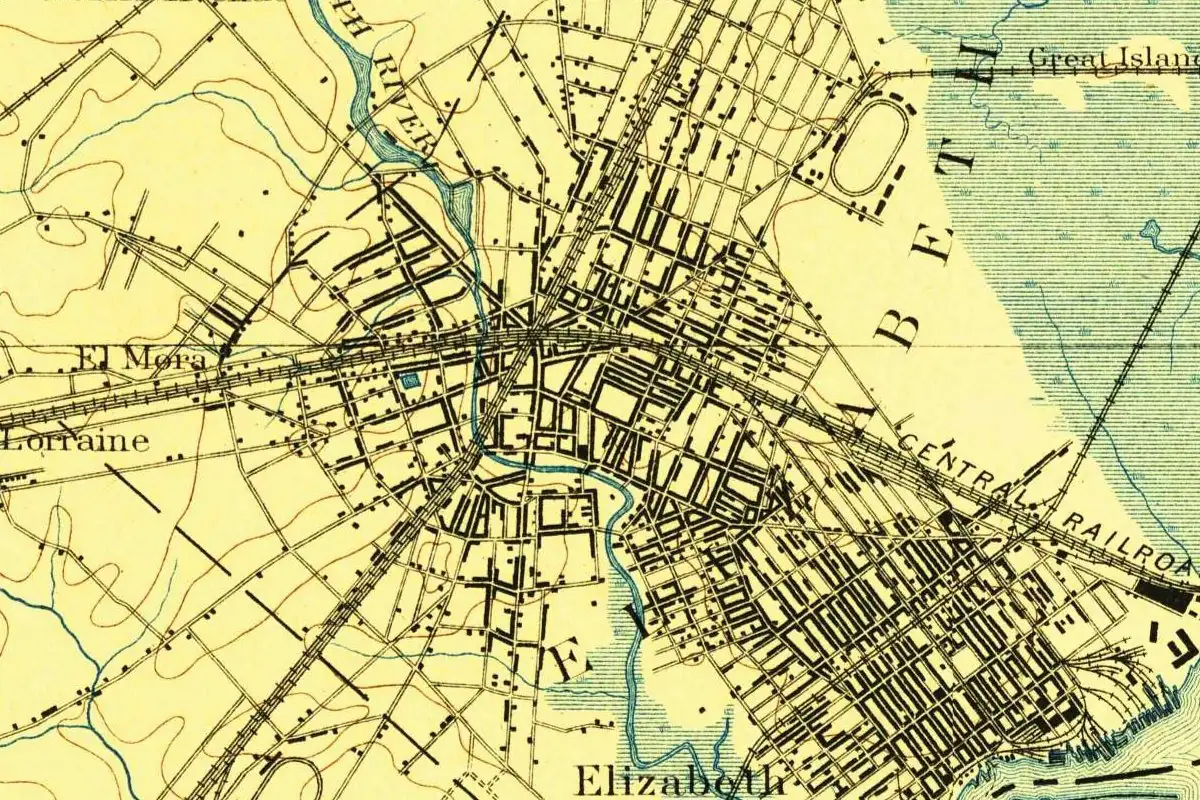 Union County, NJ
The woman behind the name of Elizabeth, New Jersey, turns up in Samuel Pepys's diary: Lady Elizabeth Carteret, wife of proprietor Sir George Carteret.
DocumentedSettled by 1665. Hatfield thought it "quite probable" that tradition is right and Elizabeth-Town was named for Lady Elizabeth Carteret, wife of proprietor Sir George Carteret. Source: Edwin F. Hatfield, History of Elizabeth, New Jersey (1868)
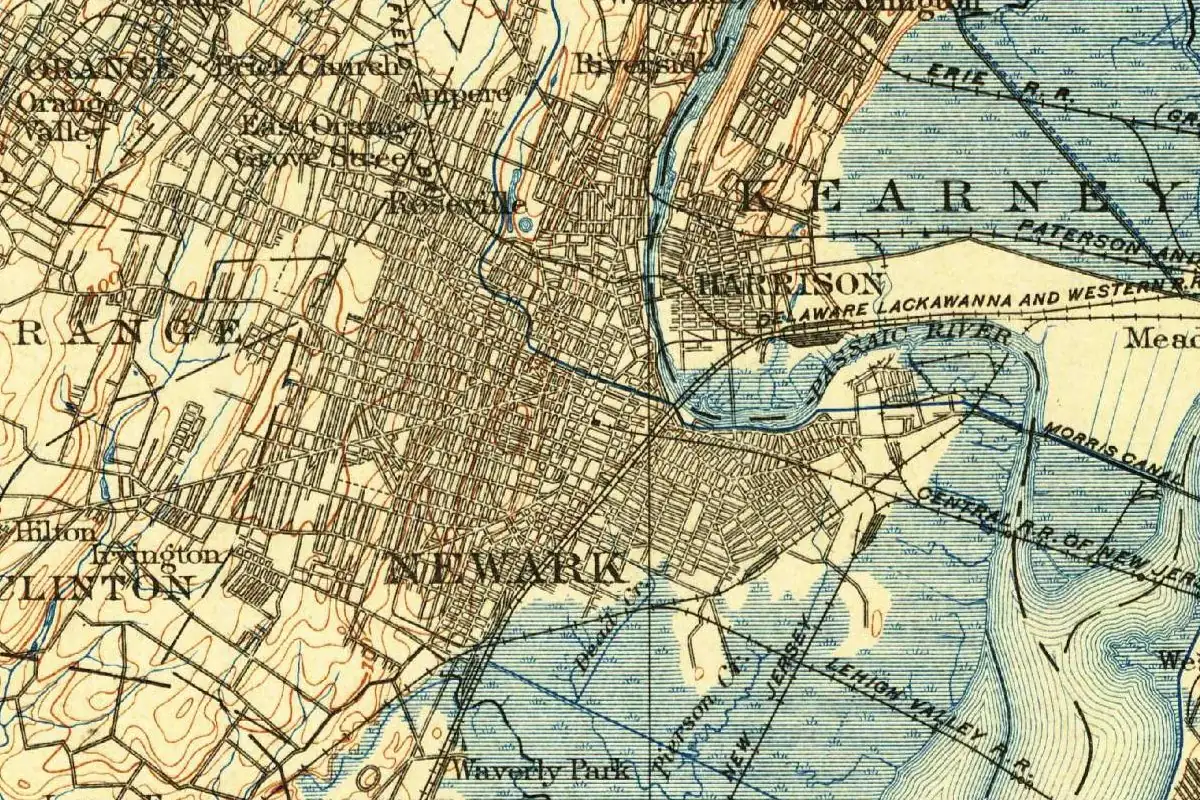 Essex County, NJ
Newark, New Jersey, was nearly Milford: most founders came from Milford, Connecticut, but the name came from England, via their minister.
DocumentedSettlers from Connecticut arrived on the Passaic in May 1666, and by June 1667 the town's Minute Book called it Newark. Source: Frank J. Urquhart, A History of the City of Newark, New Jersey, vol. 1 (1913)
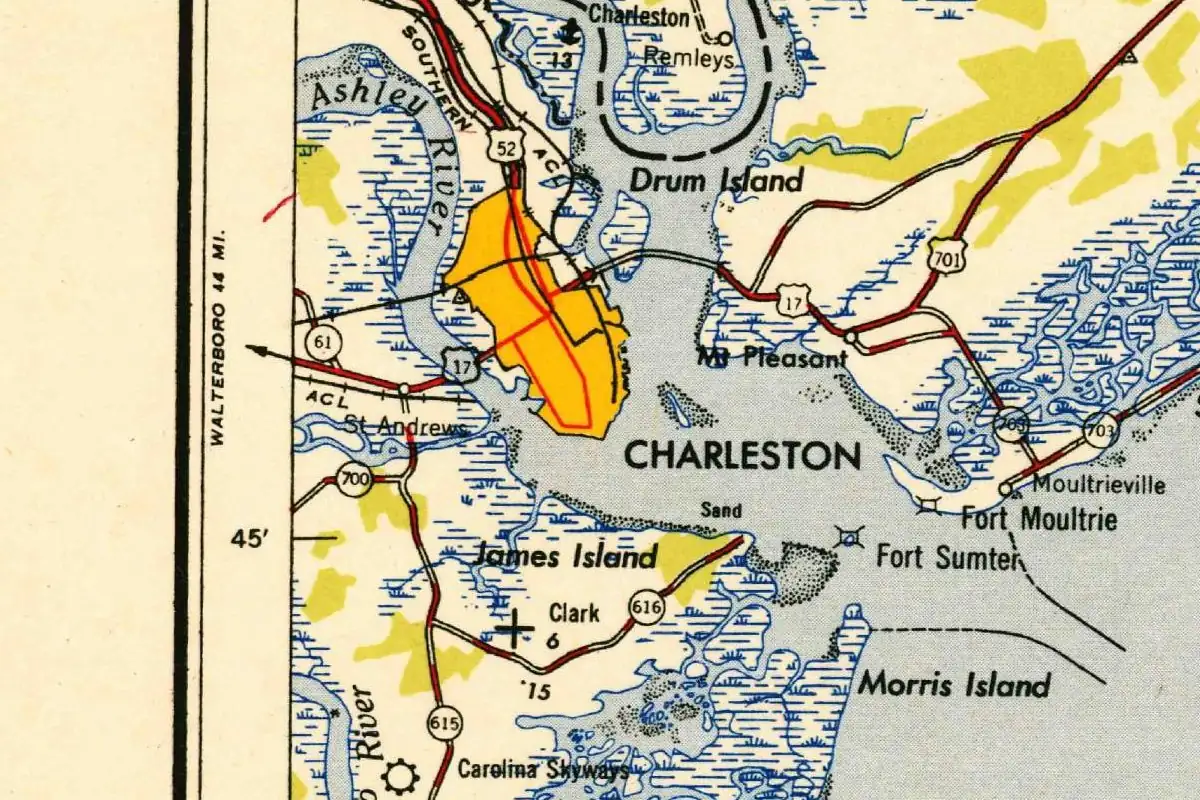 Charleston County, SC
For more than a century, Charleston, South Carolina, was called Charles Town, after King Charles II of England.
DocumentedThe first colonists landed in April 1670, and that November Lord Ashley wrote that the town was to be called Charles Town. Source: Edward McCrady, The History of South Carolina under the Proprietary Government, 1670-1719 (1897)
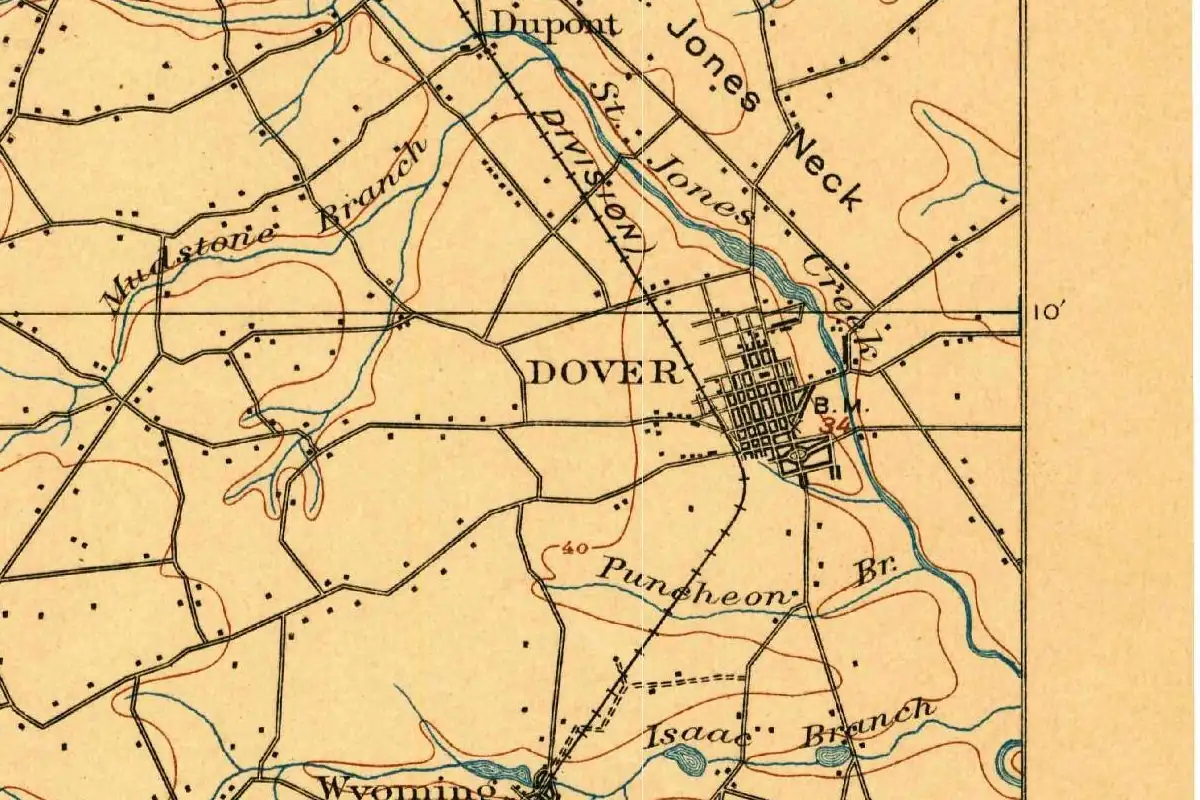 Kent County, DE
Dover, Delaware, nearly became Canterbury: in 1699, Kent County asked for that name, and the council in Philadelphia granted everything but kept Dover.
DocumentedIn August 1683, William Penn signed a warrant to lay out "ye town of Dover, in ye county of Kent." Source: J. Thomas Scharf, History of Delaware, 1609-1888, vol. 2 (1888)
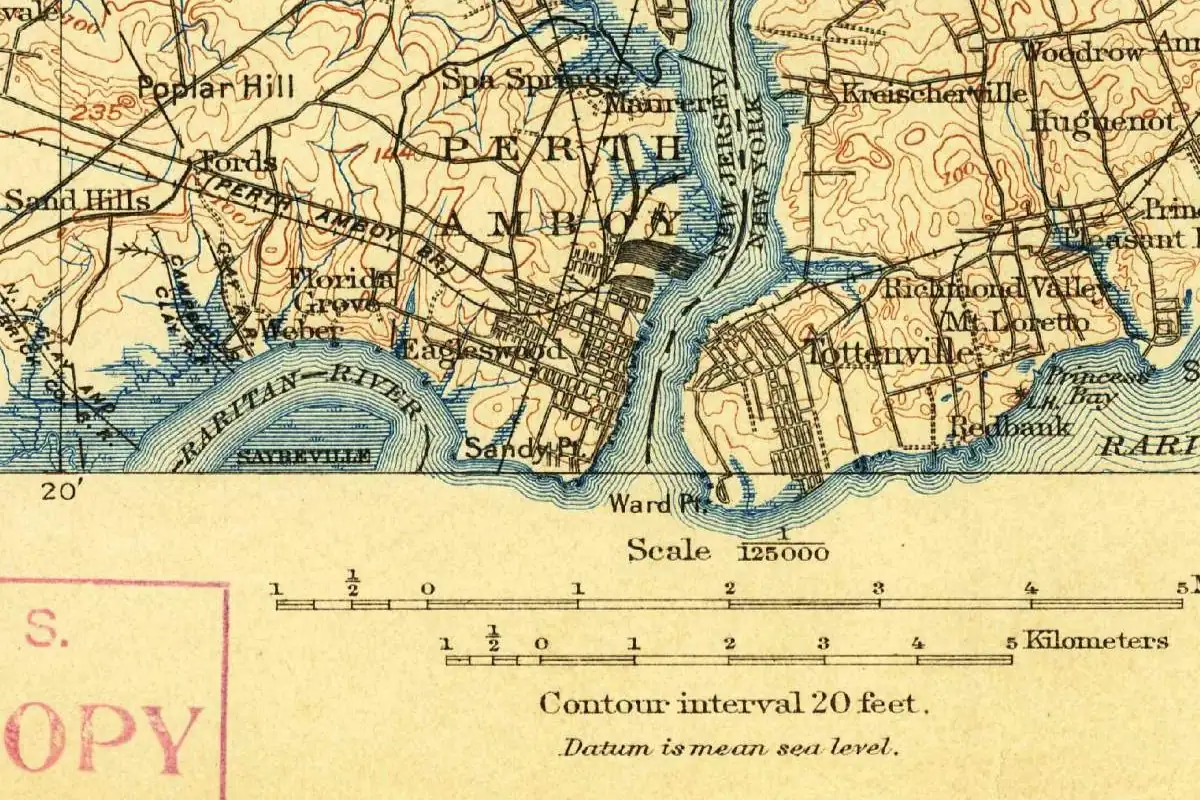 Middlesex County, NJ
Perth Amboy, New Jersey, joins a Scottish earl's title to a Native place name: "Perth" for the Earl of Perth, "Amboy" from Ompoge, the point's old name.
DocumentedThe point was Ompoge on a 1651 Indian deed. In 1684 the proprietors sent over the name Perth, for the Earl of Perth, and it got joined to Ambo. Source: William A. Whitehead, Contributions to the Early History of Perth Amboy and Adjoining Country (1856)
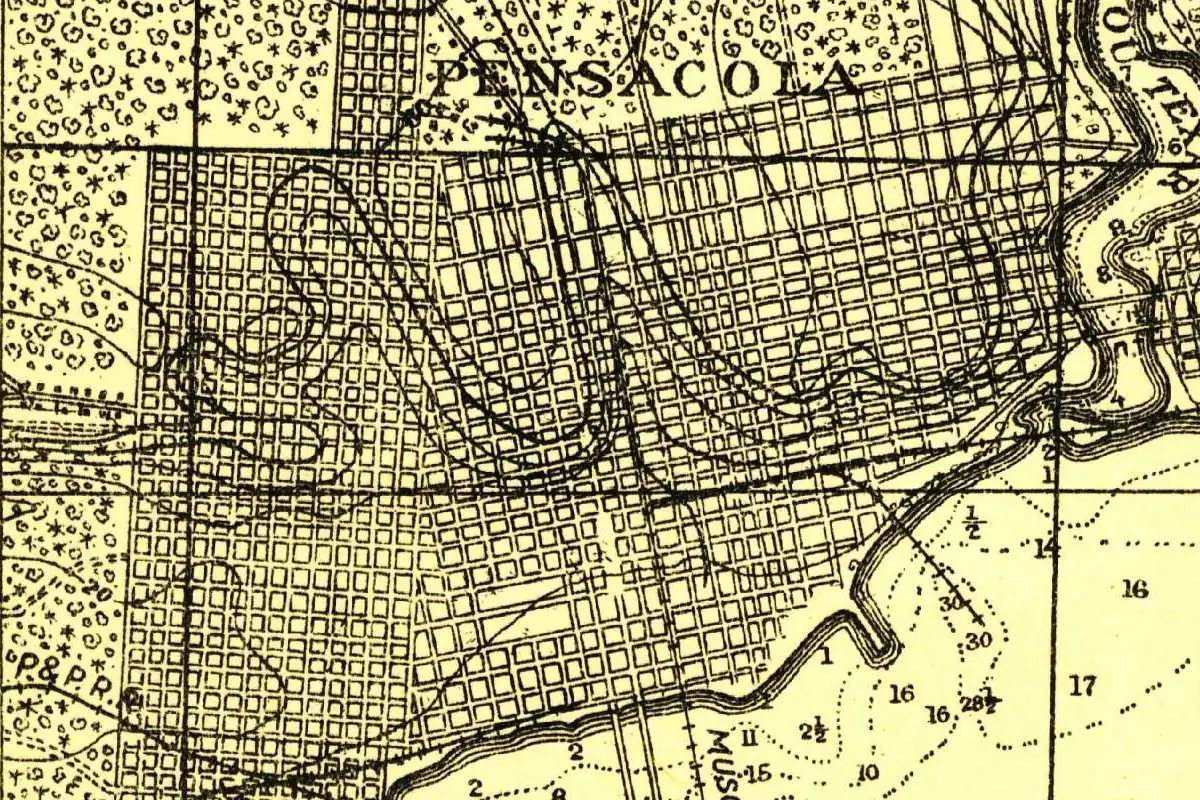 Escambia County, FL
The people who gave Pensacola, Florida, its name were gone when Spain built a town on their bay in the 1690s. The name is Choctaw for "hair people."
DocumentedAndrés de Arriola built a fort on the bay, in 1696 by Brevard's date, and the town and the bay were named Pensacola. Source: Caroline Mays Brevard, A History of Florida (1919)
Sources for this page
- George R. Fairbanks, The History and Antiquities of the City of St. Augustine, Florida (1858) (accessed Oct 31, 2026)
- Hubert Howe Bancroft, History of Arizona and New Mexico, 1530-1888 (1889) (accessed Oct 31, 2026)
- Frederick Webb Hodge, ed., Handbook of American Indians North of Mexico, part 2 (Bureau of American Ethnology, 1910) (accessed Oct 31, 2026)
- Dunbar Rowland, ed., Mississippi: Comprising Sketches of Counties, Towns, Events, Institutions and Persons (1907) (accessed Oct 31, 2026)