Ghost Tour Towns in America and How They Got Their Names

Ever walked a ghost tour by lantern light and caught yourself wondering about the name on the welcome sign? The guide tells you who’s said to walk the halls of the old house on the corner. This page tells you the other half of the story: how each of these ghost tour towns got its name.
The ten ghost tour towns here start with some of the oldest names on this site. St. Augustine, Florida, took its name off the Catholic calendar in 1565, when a Spanish fleet reached the coast on the saint’s feast day. Salem, Massachusetts, was Naumkeag until 1629, when English settlers renamed it with a Hebrew word meaning “peace.” Charleston, Williamsburg and New Orleans were all named for men who ruled from across the ocean: two English kings and the regent of France.
Two of the names are still argued over. Savannah, Georgia, is named for its river, and nobody has settled whether the river was named for a Native people or for a Spanish word for grassland. Key West, Florida, may come from Cayo Hueso, Spanish for bone island, or just from its spot at the west end of the keys.
The last three come from the mining West. Virginia City, Nevada, carries the nickname of a miner from Virginia. Deadwood, South Dakota, is named for the dead trees that choked its gulch. And Tombstone, Arizona, the youngest name here, comes from a warning that the only stone Ed Schieffelin would find was his own tombstone. He found silver instead. The list runs roughly in order of when each name shows up in the record.
You won’t find ghost stories on this page. You can’t check a haunting in an old book, so we stick to the names. If you’d like the spooky side too, each town has a button to a local ghost tour. Those buttons are marked Sponsored: we may earn a commission if you book, and it never changes what we write about a name.
How we picked these. The town has a ghost tour run by US Ghost Adventures (we checked each tour page on November 6, 2026), and its name story is on this site, told from historical sources. We don't check hauntings, so the notes below are only about the names. Each story below lists the source that confirms it.
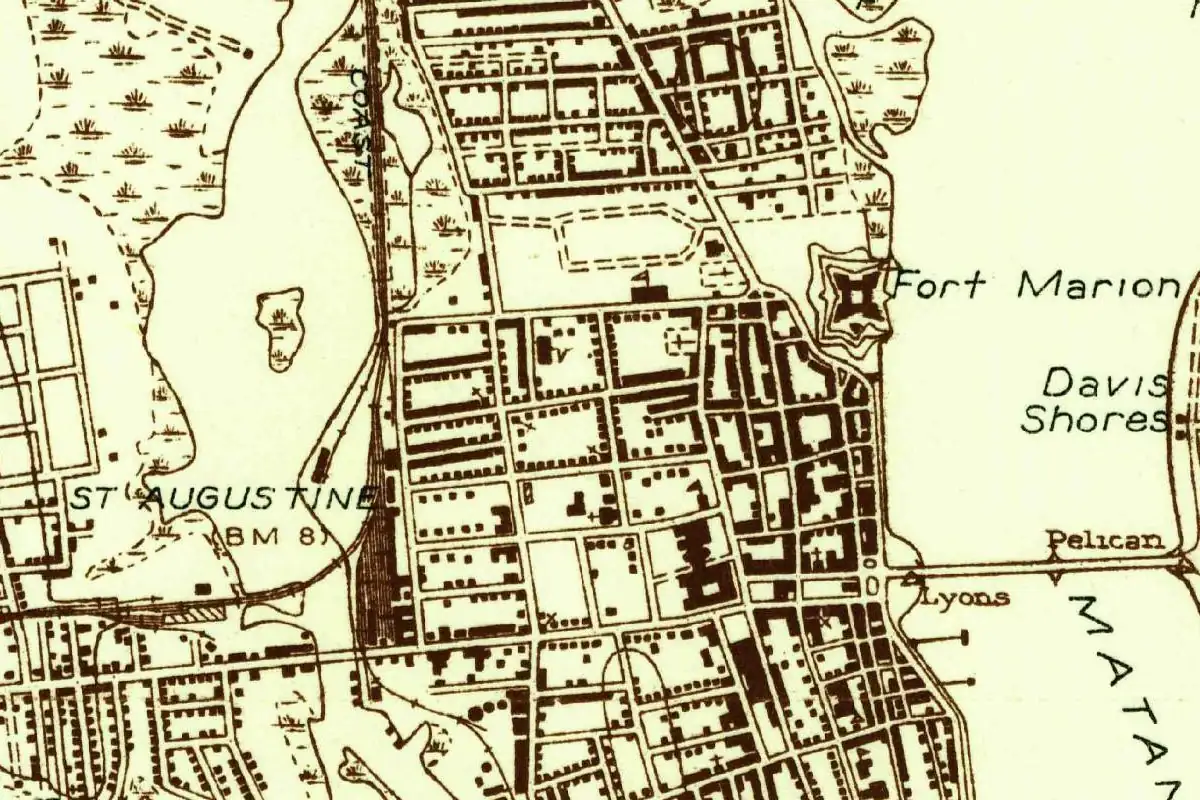 St. Johns County, FL
The Spanish fleet that founded St. Augustine, Florida, reached the coast on August 28, 1565. On the Catholic calendar, that was St. Augustine's day.
DocumentedThe Spanish fleet reached the coast on August 28, 1565, the feast day of St. Augustine on the Catholic calendar, and the new settlement took the saint's name. Source: George R. Fairbanks, The History and Antiquities of the City of St. Augustine, Florida (1858), pp. 17-19
Sponsored Ghost tours in St. Augustine
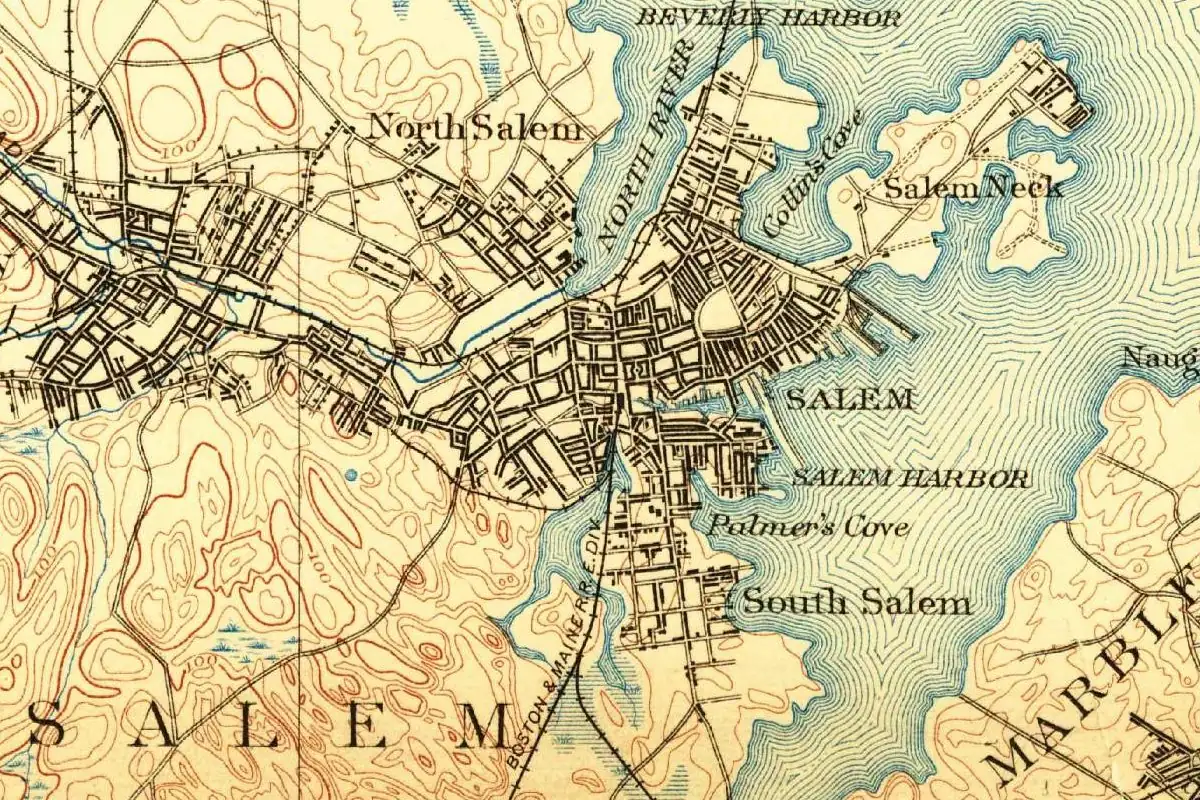 Essex County, MA
Salem, Massachusetts, began as Naumkeag. In 1629 newly arrived English settlers renamed it with a Hebrew word meaning "peace."
DocumentedEnglish settlers renamed Naumkeag in 1629 with "a Hebrew word, meaning peace." One letter from that year uses both names: "Nehumkek, now Salem." Source: John Warner Barber, Historical Collections ... of Every Town in Massachusetts (1839), pp. 218-219
Sponsored Ghost tours in Salem
 Charleston County, SC
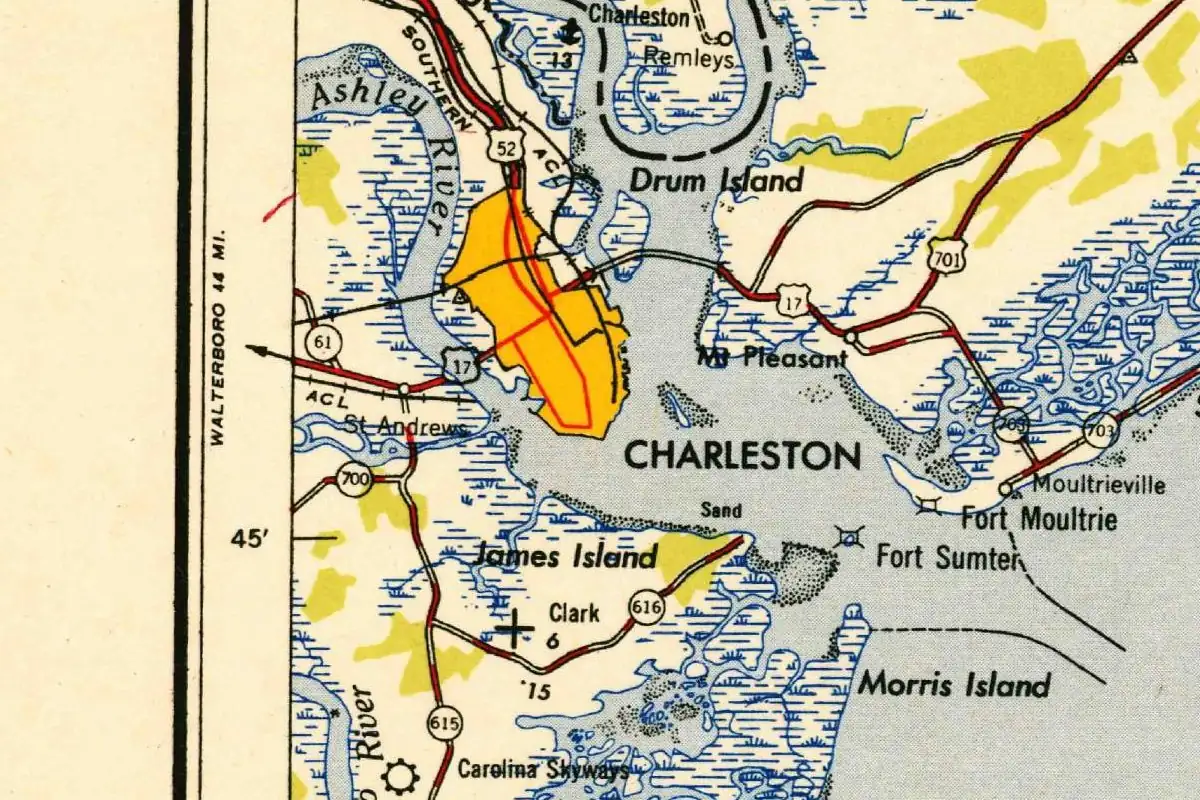
For more than a century, Charleston, South Carolina, was called Charles Town, after King Charles II of England.
DocumentedIt "was originally called Charles Town, in honor of Charles II of England," a 1905 federal list of place names says. The one-word spelling came later. Source: Henry Gannett, The Origin of Certain Place Names in the United States, 2nd ed. (USGS Bulletin 258, 1905), p. 76
Sponsored Ghost tours in Charleston
 Independent city, VA
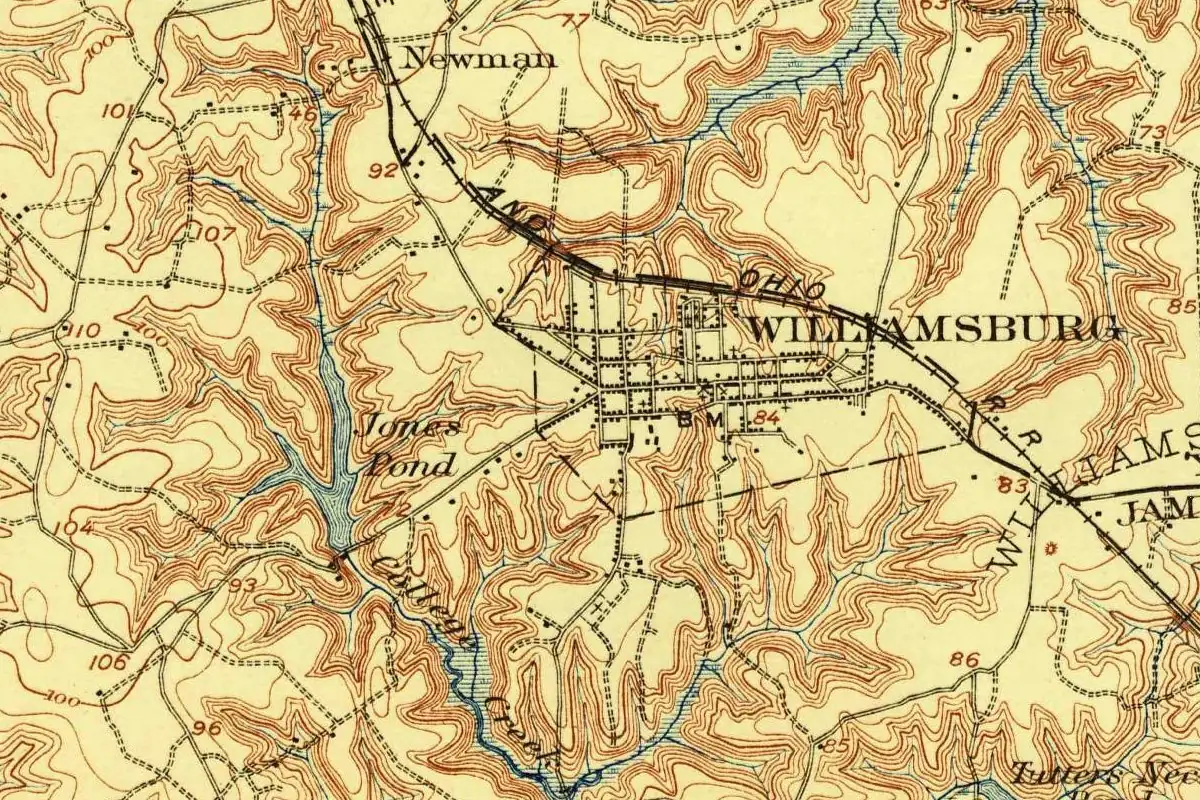
Williamsburg, Virginia, spent over 60 years as Middle Plantation, until the capital moved there from Jamestown and the town was renamed for King William.
DocumentedFirst called Middle Plantation. When Virginia's capital moved there from Jamestown, it was "newly named Williamsburg, after the reigning monarch, King William." Source: Lyon Gardiner Tyler, Williamsburg, the Old Colonial Capital (1907), pp. 10, 19-21
Sponsored Ghost tours in Williamsburg
 Orleans Parish, LA
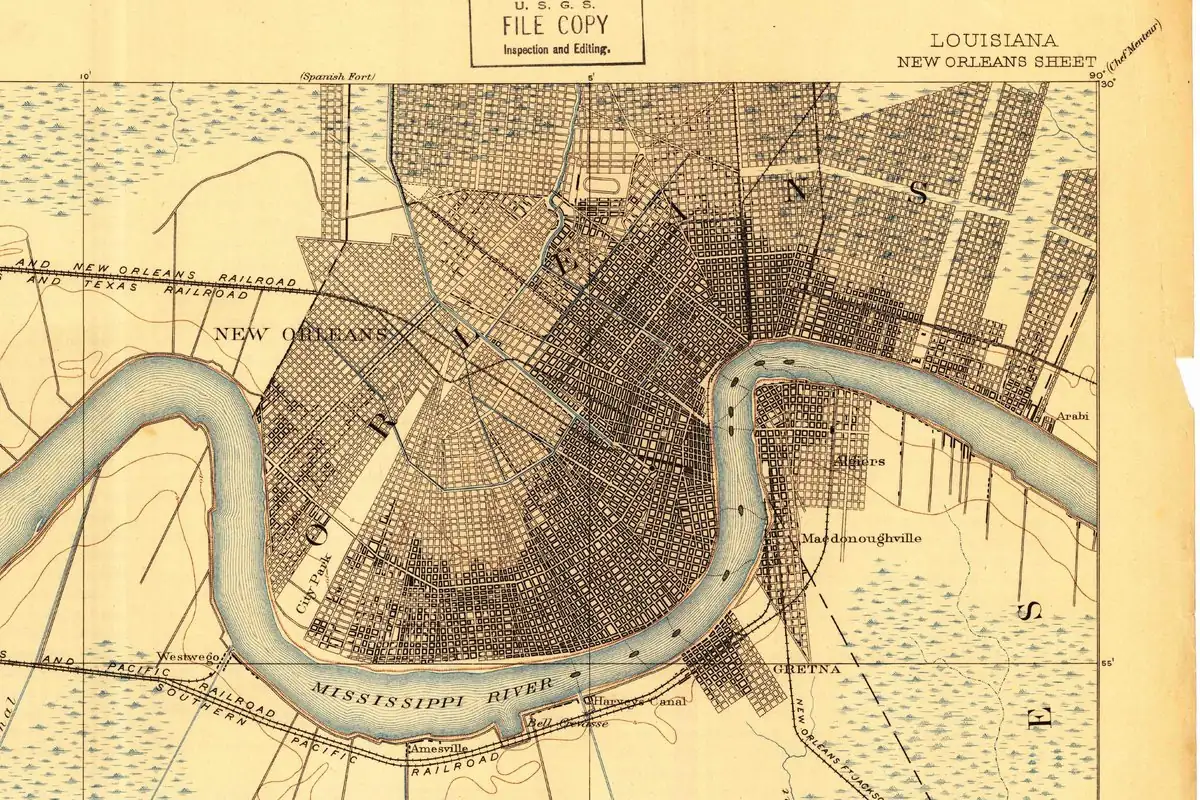
New Orleans had a storekeeper before it had a store: in October 1717, France appointed one for a post still to be built at a place called New Orleans.
DocumentedFrench officials were using the name New Orleans by October 1, 1717, before the town was built. It honored the Duke of Orléans, then ruling France as regent. Source: Marc de Villiers, Histoire de la fondation de la Nouvelle-Orléans (1717-1722) (1917), pp. 17-22
Sponsored Ghost tours in New Orleans
 Chatham County, GA
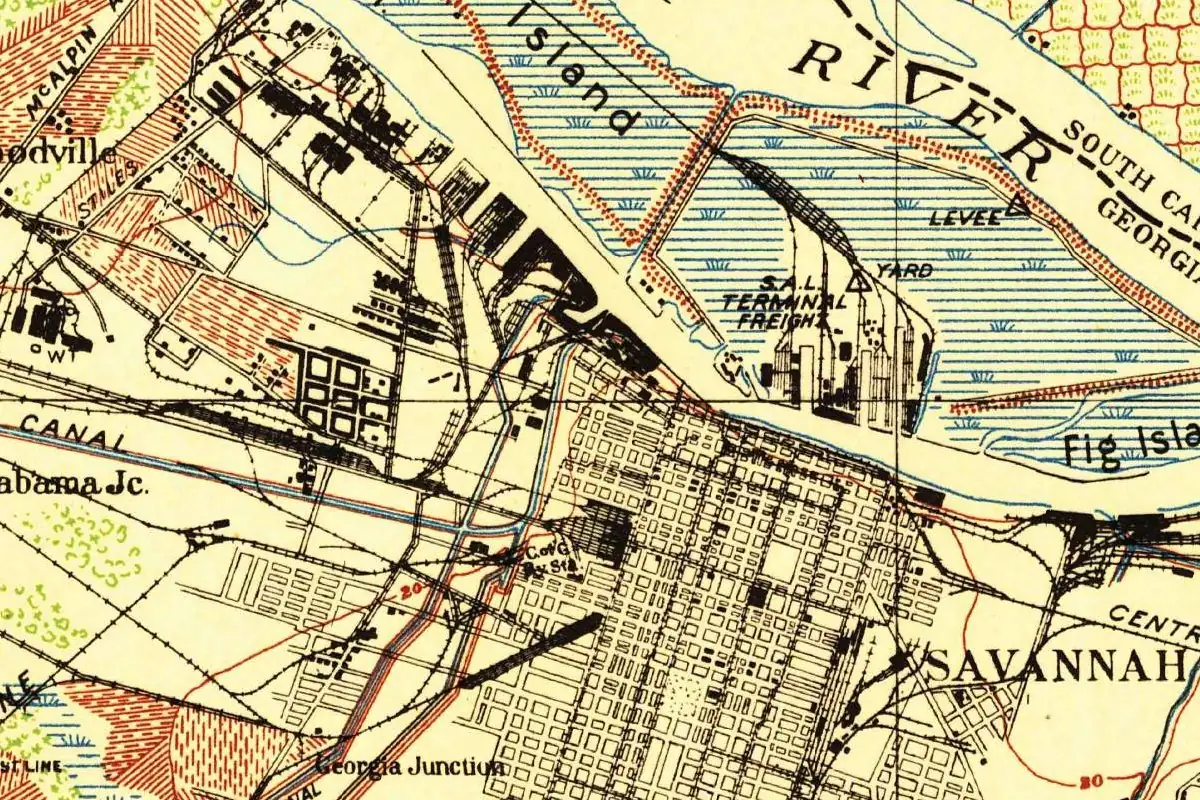
Savannah, Georgia, took its name from the river it sits on, and that river's name has two rival explanations.
DisputedNamed for its river. A 1910 handbook says the river "takes its name from this tribe," the Shawnee, once called Savannahs. Another old view points to a Spanish word for grassland. Source: Frederick Webb Hodge, ed., Handbook of American Indians North of Mexico, part 2 (Bureau of American Ethnology, 1910), pp. 532-533
Sponsored Ghost tours in Savannah
 Monroe County, FL
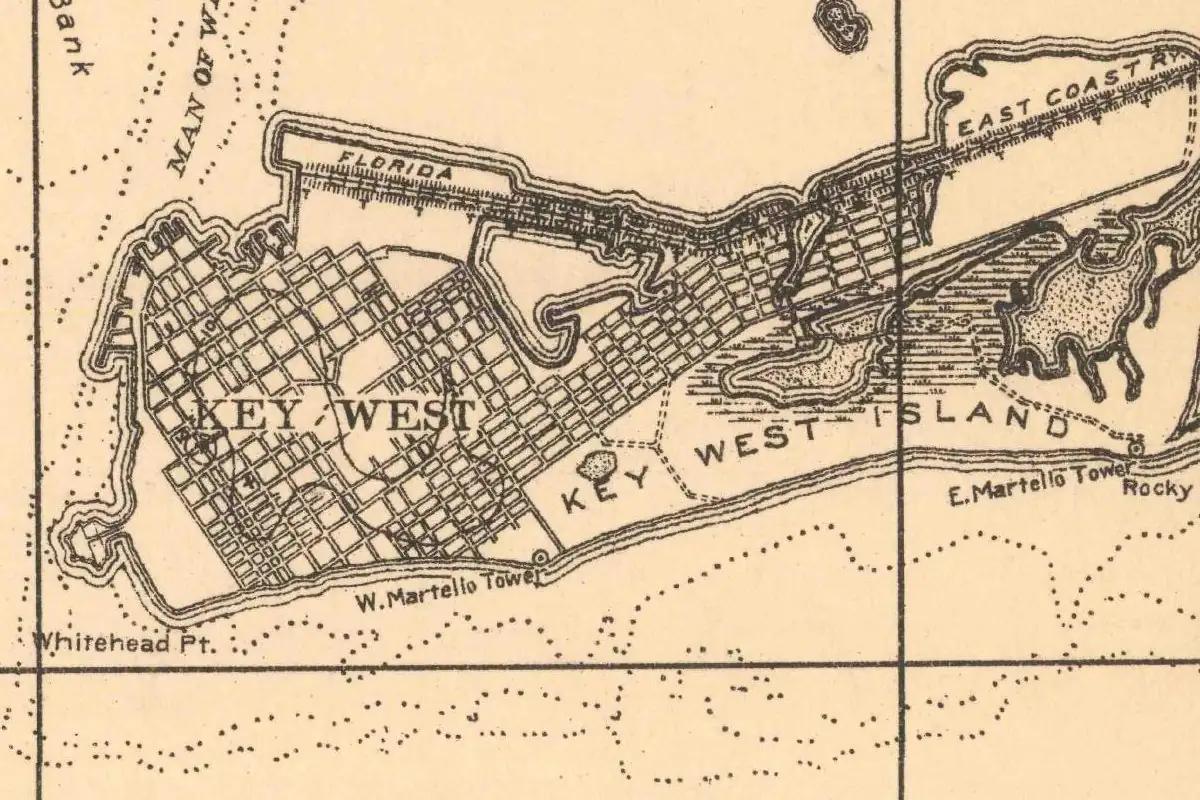
Key West, Florida, may owe its name to a Spanish word for bones, or just to its spot at the west end of the keys. A 1912 history says no record settles it.
DisputedMaybe an English take on the Spanish Cayo Hueso, "bone island," or maybe just the key at the west end. A 1912 history says "there is no authentic record" either way. Source: Jefferson B. Browne, Key West: The Old and the New (1912), chapter I, pp. 7-9
Sponsored Ghost tours in Key West
 Storey County, NV
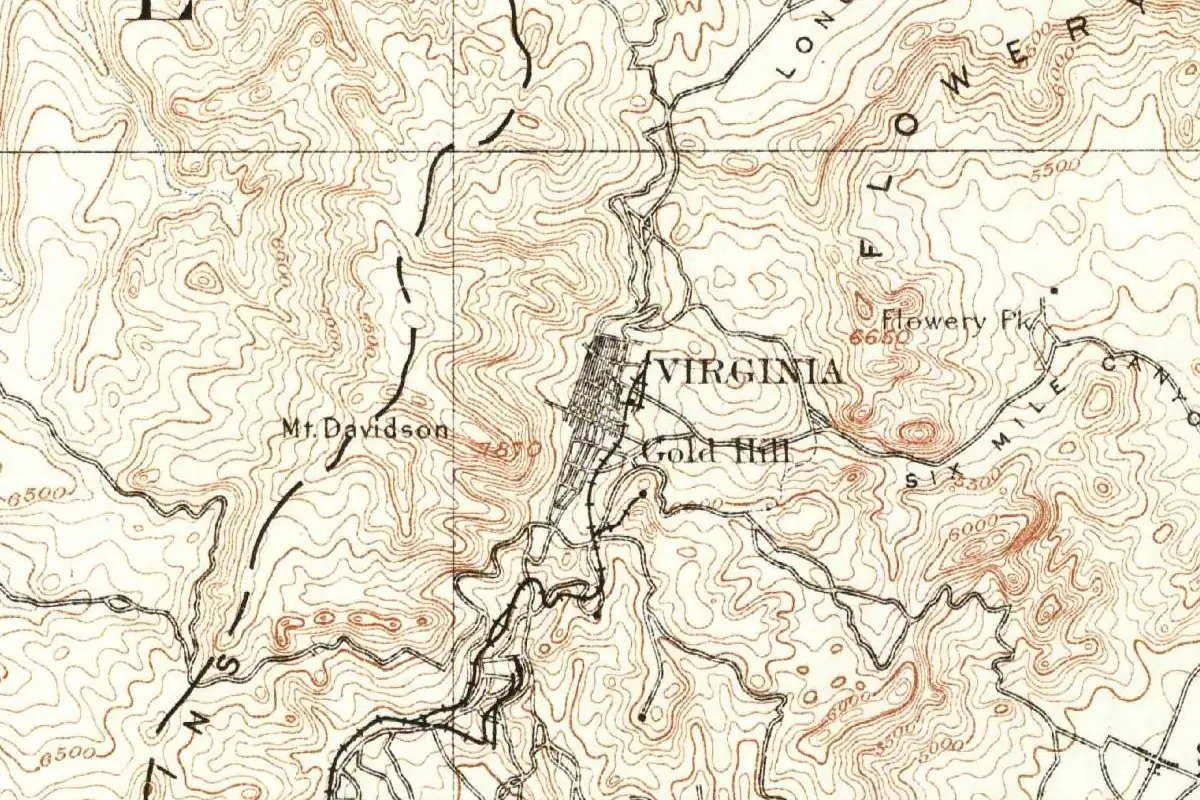
Virginia City, Nevada, is named for a miner called Old Virginia, and Henry Comstock said the man christened it by falling and breaking his whiskey bottle.
DocumentedNamed in 1859 for James Fennimore, a miner the others called Old Virginia. The tale that he christened it by breaking his bottle goes back to Henry Comstock. Source: Hubert Howe Bancroft, History of Nevada, Colorado, and Wyoming, 1540-1888 (1890), pp. 99, 106, 108
Sponsored Ghost tours in Virginia City
 Lawrence County, SD
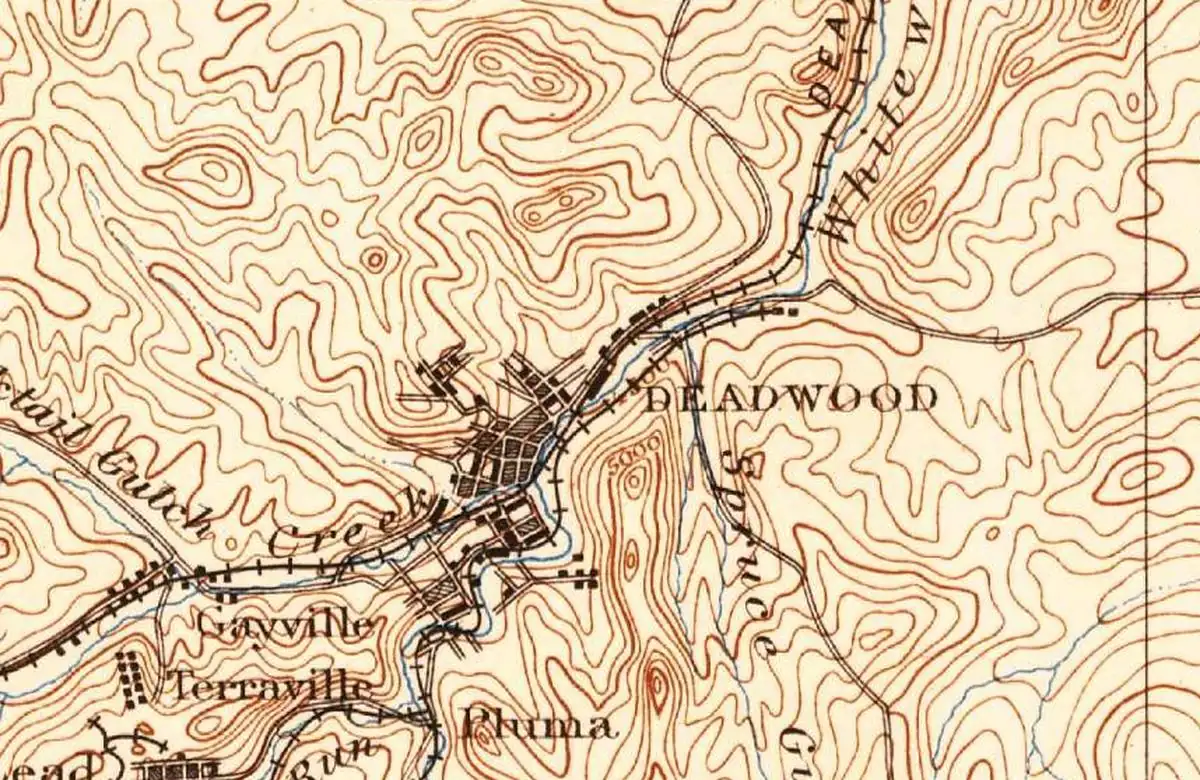
Deadwood, South Dakota, took its name from its gulch, which was so choked with fallen dead timber that later miners had to clear it before they could work.
DocumentedThe town took the name of its gulch, and the gulch was named for the dead timber that filled it. It got the name "because of the many dead trees the first prospectors found" there. Source: W. H. Stennett, A History of the Origin of the Place Names Connected with the Chicago & North Western and Chicago, St. Paul, Minneapolis & Omaha Railways (1908), p. 21
Sponsored Ghost tours in Deadwood
 Cochise County, AZ
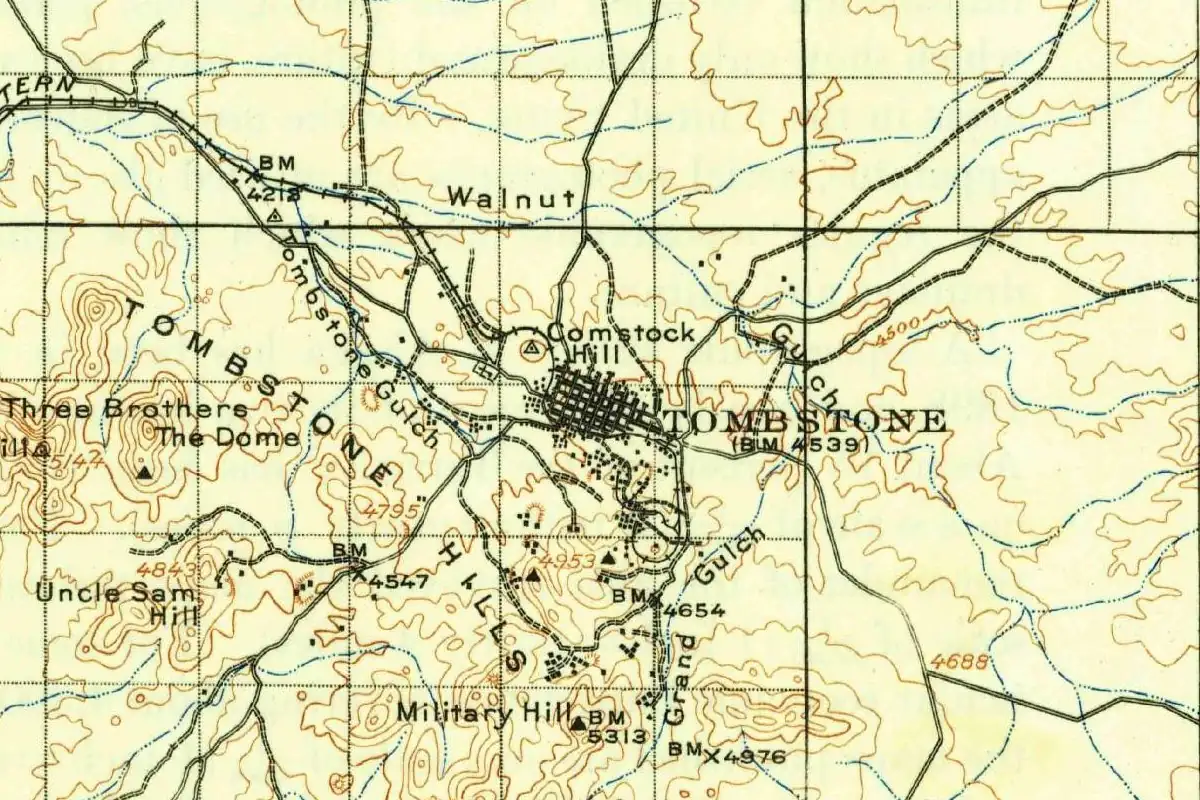
Ed Schieffelin was told the only stone he'd find in the hills of Tombstone, Arizona, would be his tombstone. He found silver and named his claim Tombstone.
DocumentedEd Schieffelin was told the only stone he'd find in those hills would be his tombstone. He found silver instead and named his claim the Tombstone. Source: James H. McClintock, Arizona: Prehistoric, Aboriginal, Pioneer, Modern, vol. 2 (1916), pp. 410, 505-506
Sponsored Ghost tours in Tombstone
The ghost tour buttons are sponsored links. We may earn a commission if you book through one. It never changes what we write. Read our affiliate disclosure
Sources for this page
- George R. Fairbanks, The History and Antiquities of the City of St. Augustine, Florida (1858), pp. 17-19 (accessed Nov 6, 2026)
- John Warner Barber, Historical Collections ... of Every Town in Massachusetts (1839), pp. 218-219 (accessed Nov 6, 2026)
- Henry Gannett, The Origin of Certain Place Names in the United States, 2nd ed. (USGS Bulletin 258, 1905), p. 76 (accessed Nov 6, 2026)
- Lyon Gardiner Tyler, Williamsburg, the Old Colonial Capital (1907), pp. 10, 19-21 (accessed Nov 6, 2026)
- Marc de Villiers, Histoire de la fondation de la Nouvelle-Orléans (1717-1722) (1917), pp. 17-22 (accessed Nov 6, 2026)
- Lucian Lamar Knight, Georgia's Landmarks, Memorials and Legends, vol. 1 (1913), pp. 375-376 and 380 (accessed Nov 6, 2026)
- Frederick Webb Hodge, ed., Handbook of American Indians North of Mexico, part 2 (Bureau of American Ethnology, 1910), pp. 532-533 (accessed Nov 6, 2026)
- Jefferson B. Browne, Key West: The Old and the New (1912), chapter I, pp. 7-9 (accessed Nov 6, 2026)
- Hubert Howe Bancroft, History of Nevada, Colorado, and Wyoming, 1540-1888 (1890), pp. 99, 106, 108 (accessed Nov 6, 2026)
- W. H. Stennett, A History of the Origin of the Place Names Connected with the Chicago & North Western and Chicago, St. Paul, Minneapolis & Omaha Railways (1908), p. 21 (accessed Nov 6, 2026)
- James H. McClintock, Arizona: Prehistoric, Aboriginal, Pioneer, Modern, vol. 2 (1916), pp. 410, 505-506 (accessed Nov 6, 2026)