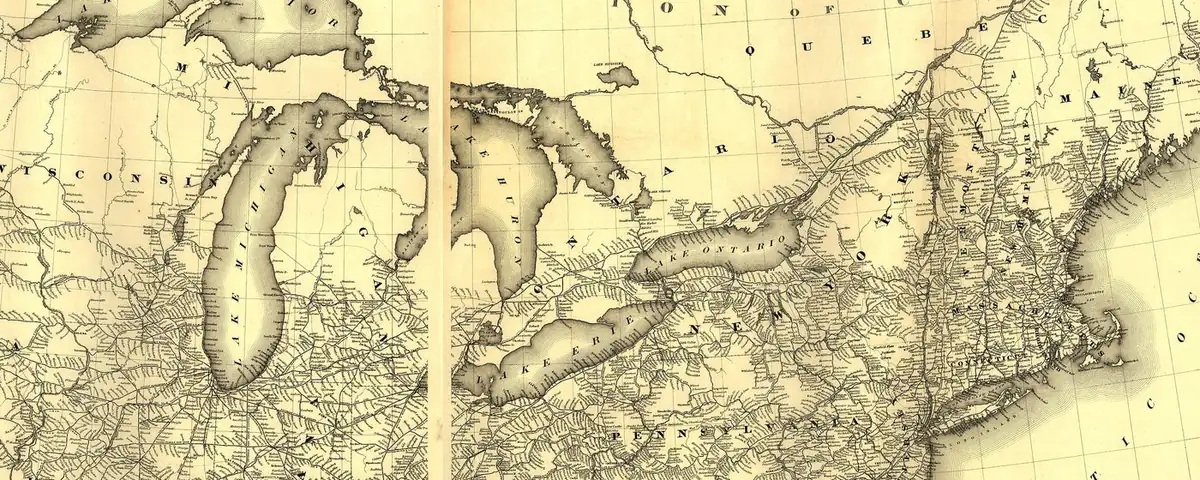
Town Name Legends and Disputed Origins: Myth vs. Record

If you’ve heard that Cheyenne, Wyoming, gets its name from the French chien, for dog, you’ve heard one of the classic town name legends. A Smithsonian handbook said back in 1907 that the name “has no connection with the French chien”: it comes from what the Sioux called the Cheyenne people. This page gathers town name legends and disputed origins like that one, and tells you what the old records actually say.
Each card below gives you the story people tell, or the rival explanations, and then what the sources show. Some legends don’t hold up on paper, like Anaheim’s baby named Anna, Tahlequah’s “two are enough” and Weeping Water’s crying women. Others were never settled, like Buffalo, Hoboken and Hollywood, where the books still disagree. A “Disputed” label on a card means the sources don’t agree and no record we found settles it; “Documented” means the record does settle it, whatever the legend says. The list runs roughly in order of when each name first shows up in the record, from Hoboken’s 1630 deed to Hollywood’s 1887 map.
The same things keep happening. A good story lands in a government book, the way Anna did in 1905. A Native word picks up a translation nobody can back up, as in Kokomo and Tahlequah. And the old histories can’t agree on who was in the room, as in Beloit and Show Low. So when you hear a great story about a town’s name, it’s worth asking who first wrote it down.
How we picked these. The town's name comes with a popular legend that the record contradicts or can't confirm, or with rival explanations the sources never settled, and a historical, official or encyclopedic source carries it. Each story below lists the source that confirms it.
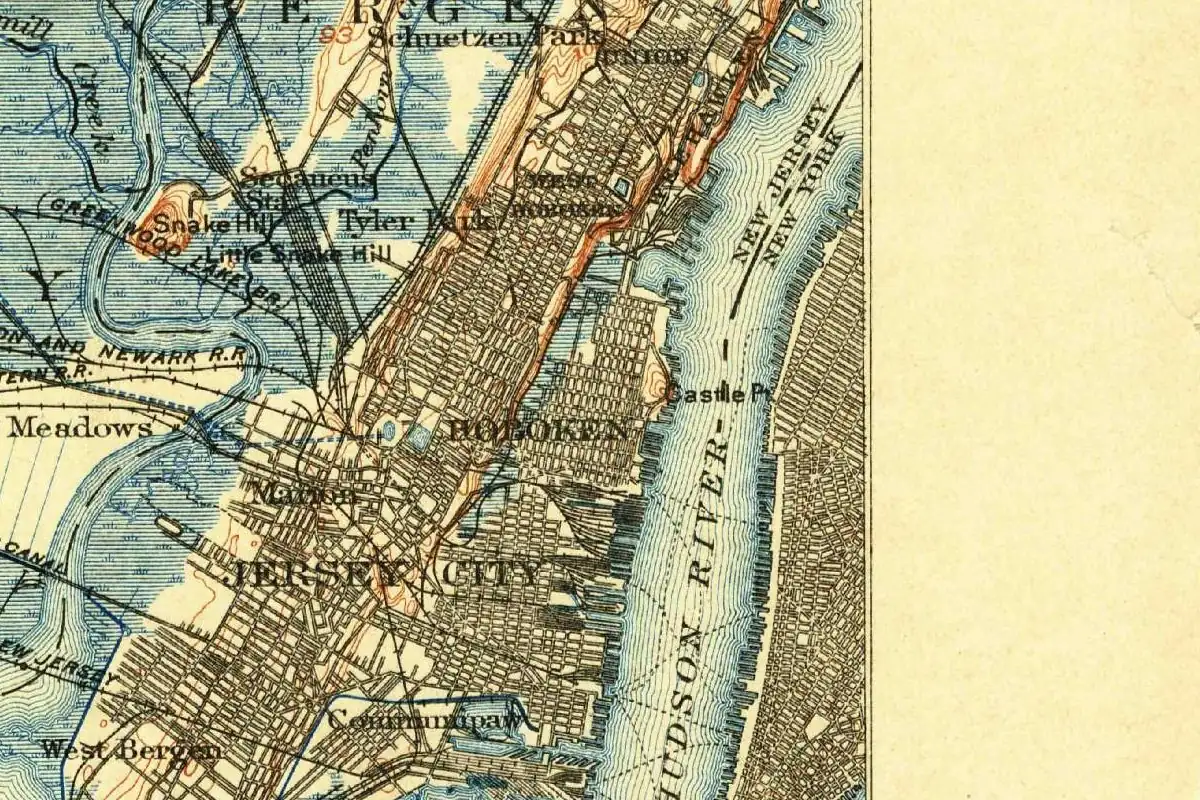 Hudson County, NJ
Nobody has settled where the name Hoboken, New Jersey, comes from: a Lenape word for a tobacco pipe, or a Dutch village down the river from Antwerp.
DisputedA Lenape word for a tobacco pipe, or Dutch? The 1630 deed says the land was "by us called Hobocan-Hacking," and scholars have read that both ways. Source: E. M. Ruttenber, Footprints of the Red Men: Indian Geographical Names (1906), pp. 107-108
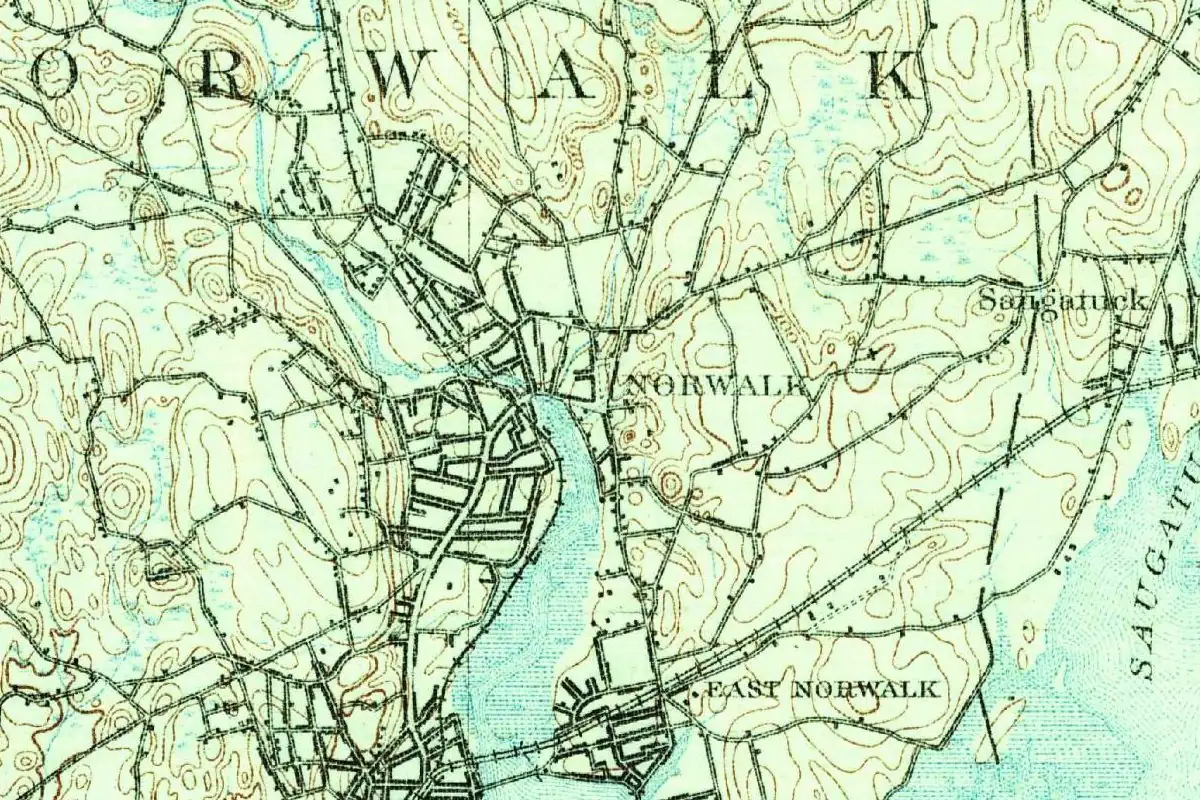 Fairfield County, CT
The story says Norwalk, Connecticut, got its name from a 1640 land deal that ran a day's "north walk" from the sea. A local historian called it a fancy.
DisputedTradition says it came from a day's "north walk" in a 1640 land deal. A local historian called that a fancy: the river and its people were already called Norwake. Source: Edwin Hall, The Ancient Historical Records of Norwalk, Conn. (1847; 1865 printing), pp. 14-15
 Sussex County, DE
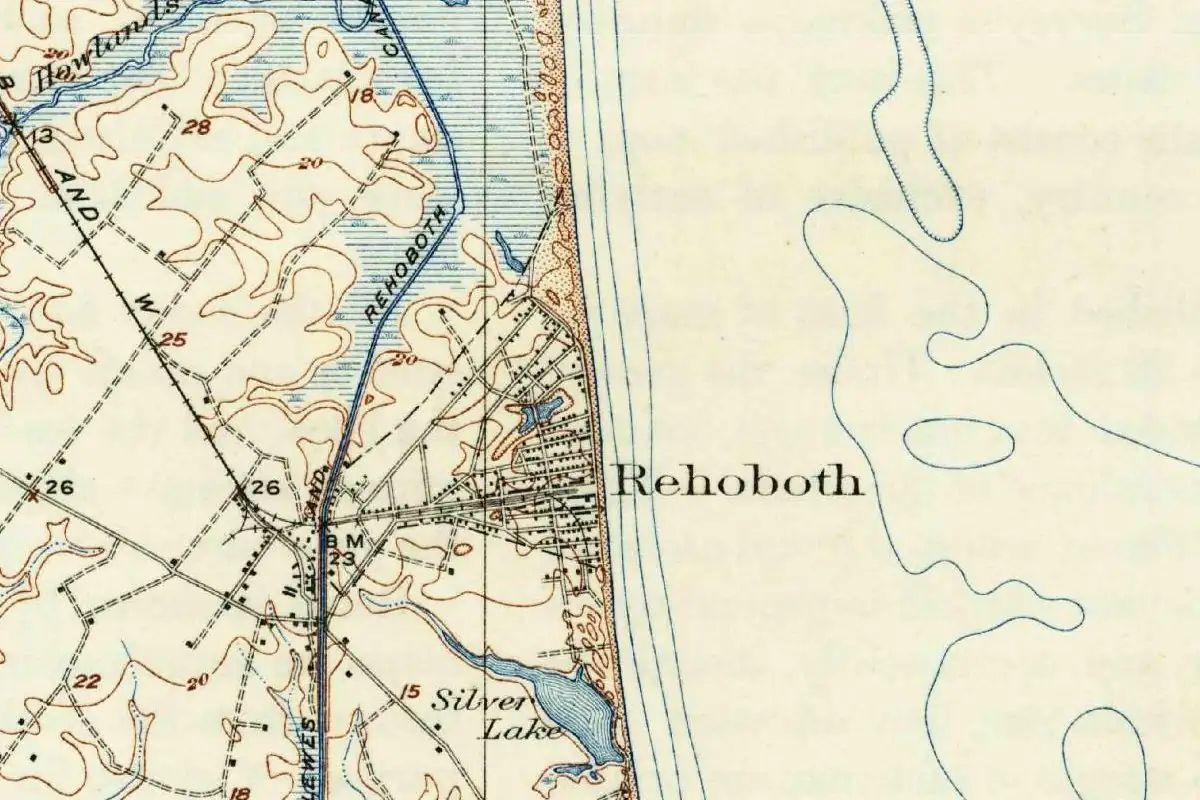
Rehoboth Beach, Delaware, has a Bible name usually tied to an 1870s Methodist camp meeting, but Rehoboth shows up in local records as early as 1677.
DisputedMethodists started a camp-meeting resort here in the 1870s, but the name was older: local land records show Rehoboth by 1677, almost 200 years earlier. Source: J. Thomas Scharf, History of Delaware, 1609-1888, vol. 2 (1888)
 Cook County, IL
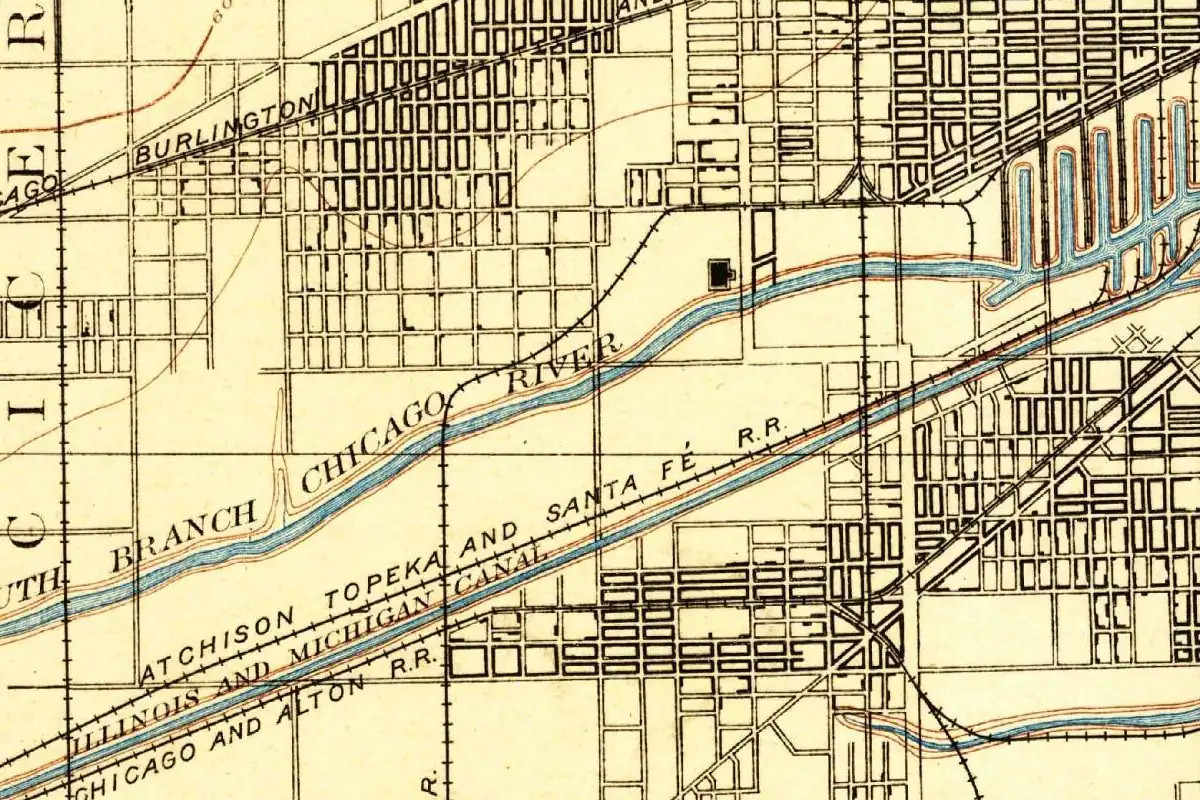
Chicago, Illinois, takes its name from a Native word for its river, and the oldest records tie that word to the wild garlic that grew there.
DisputedA French officer wrote in 1695 that the word meant "the River of Garlic." Others read it as onion, leek or skunk, and a 1908 book called its meaning "in dispute." Source: W. H. Stennett, A History of the Origin of the Place Names Connected with the Chicago & North Western (1908), pp. 55-56
 Maui County, HI
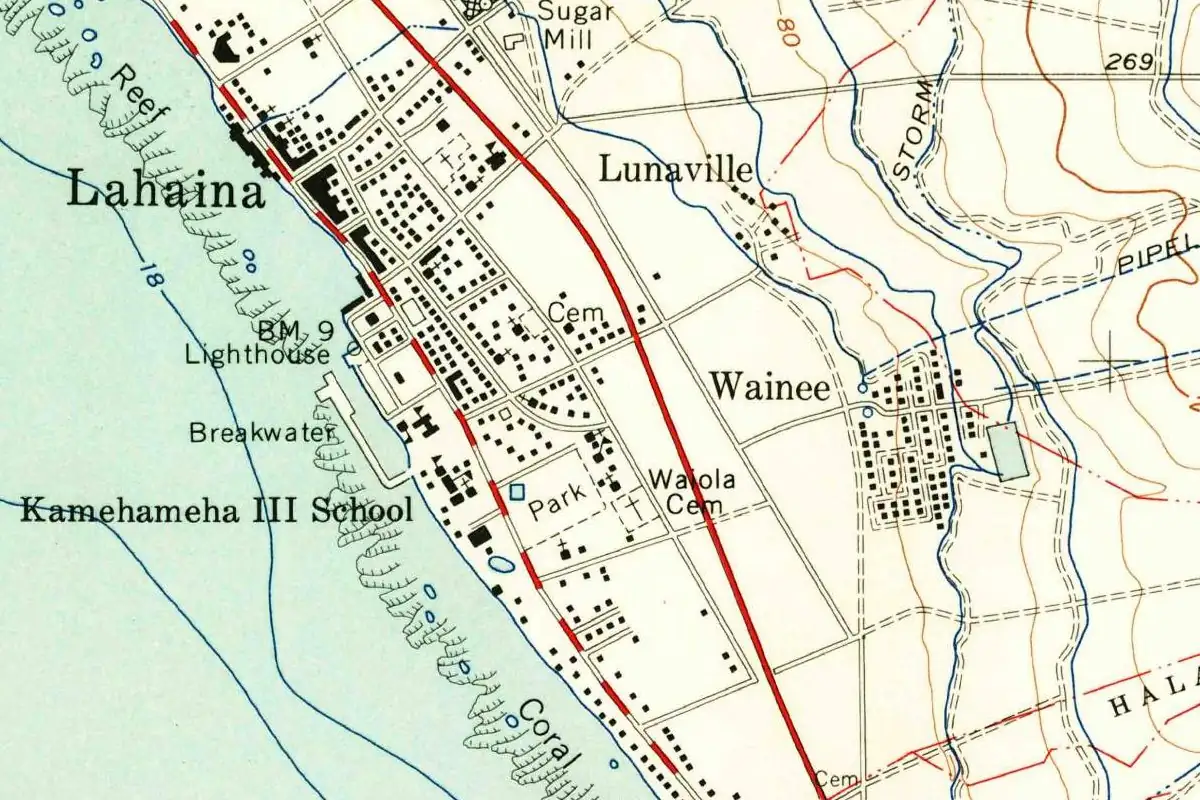
Before anyone called it Lahaina, the Maui town was known as Lele, and the newer name has been read as a cruel day or a chief's complaint about the sun.
DisputedOnce called Lele. A 1920 newspaper story said the new name was a bald chief's complaint about the sun; a 1922 scholar read it as "a day of calamity, or cruelty." Source: Thomas G. Thrum, "Wrestling with Place Names," Hawaiian Annual for 1922, pp. 82-86
 Waldo County, ME
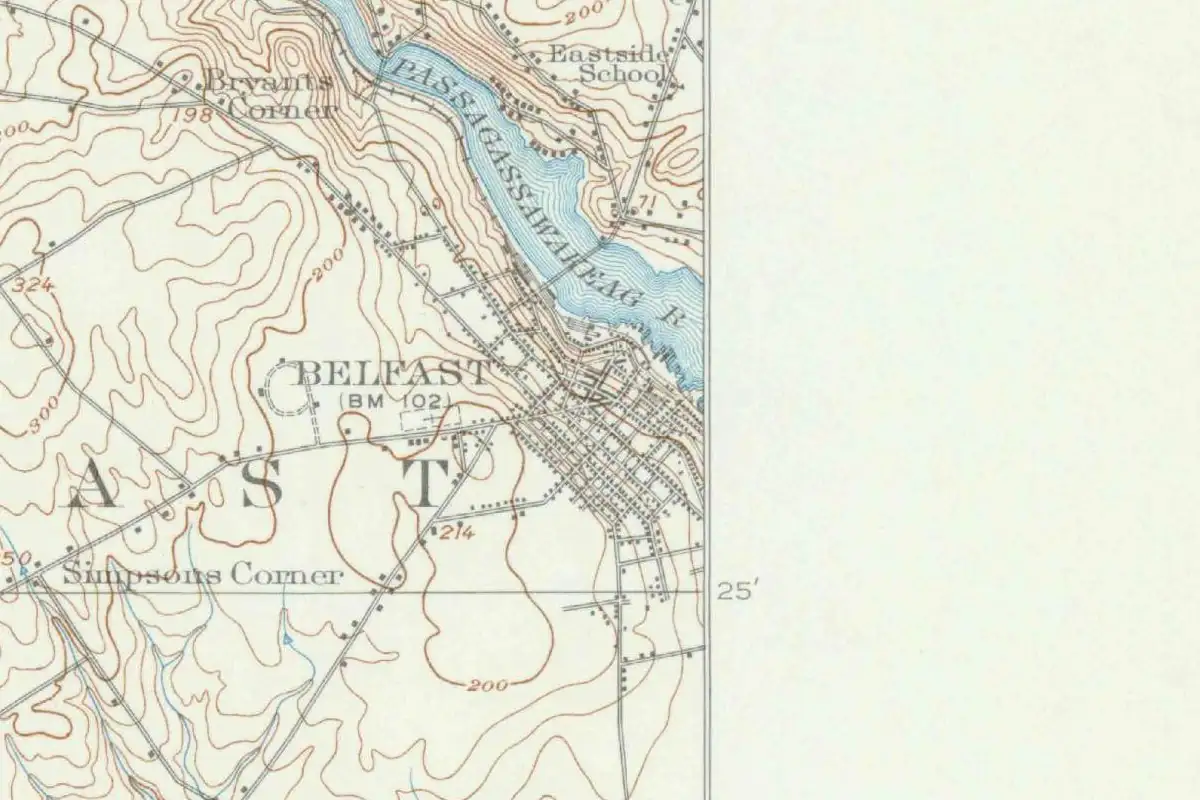
Belfast, Maine, is named for Belfast, Ireland, where settler James Miller was born. An old local tradition says a penny toss beat out Londonderry.
Documented"It was suggested by James Miller," for his birthplace in Ireland, the town's history says. The penny toss that beat out Londonderry is only "one tradition." Source: Joseph Williamson, History of the City of Belfast in the State of Maine (1877), p. 126
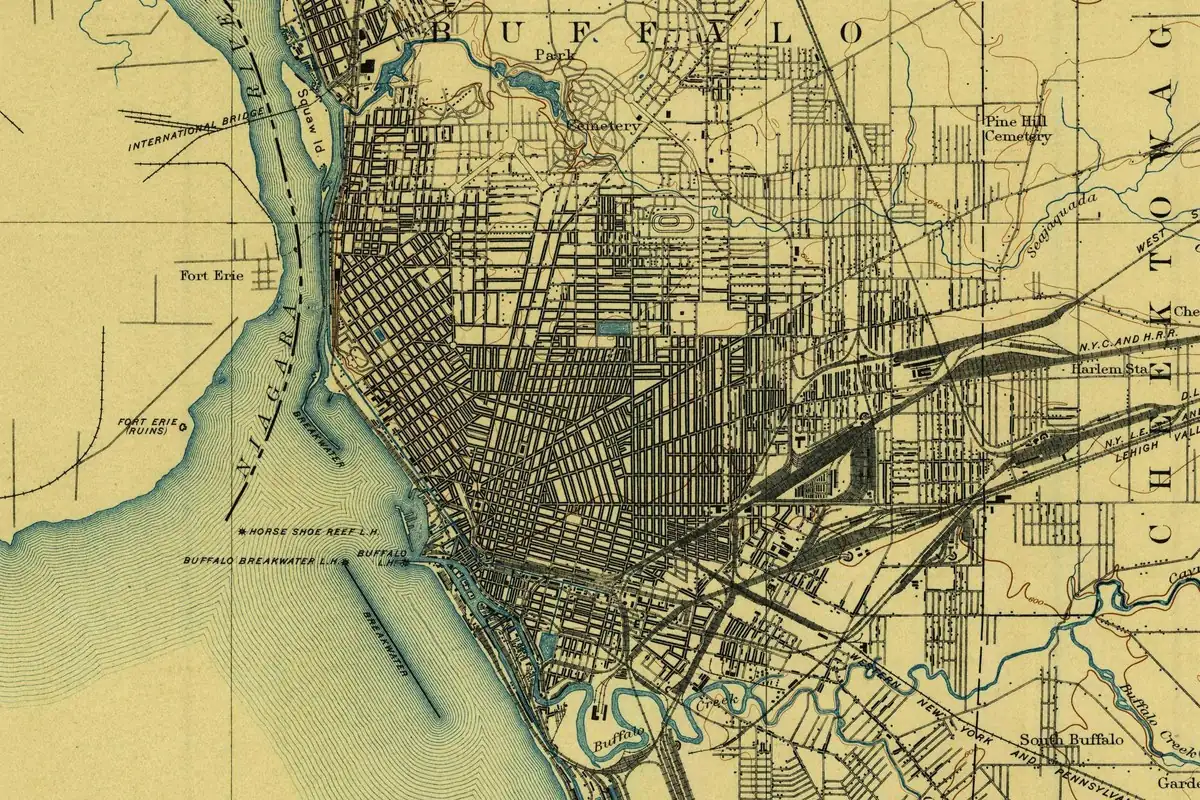 Erie County, NY
Nobody has settled where Buffalo, New York, got its name, and in 1865 a local historian said there was nothing left to add to the argument.
DisputedIt took the name of Buffalo Creek, but why the creek? An 1884 history argued for the animal and reported the rival idea that an interpreter got the Seneca name wrong. Source: H. Perry Smith, ed., History of the City of Buffalo and Erie County, vol. 1 (1884)
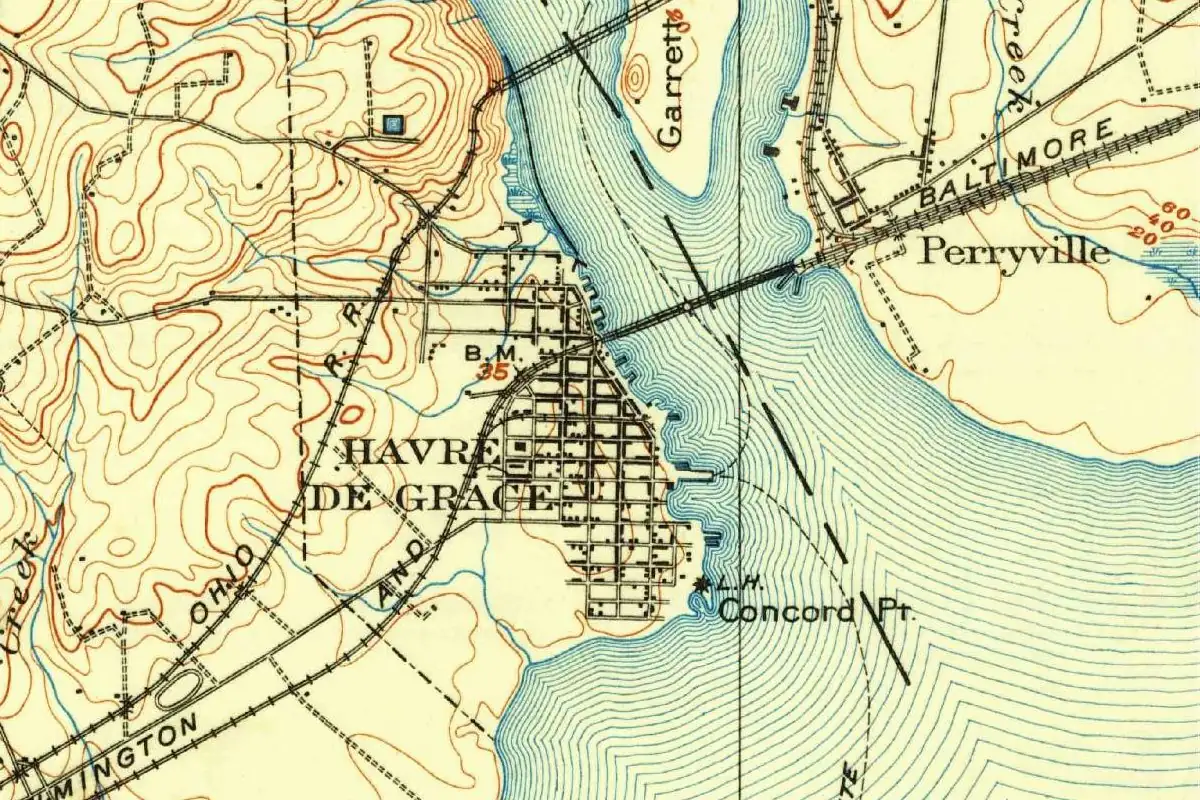 Harford County, MD
Nobody's sure who gave Havre de Grace, Maryland, its French name: Lafayette, an old French fisherman or the man who laid out the town.
DisputedOne tradition credits Lafayette, another an old French fisherman. The 1785 act that incorporated the town says Robert Young Stokes laid it out, "which he called Havre de Grace." Source: Walter W. Preston, History of Harford County, Maryland (1901), pp. 249-250
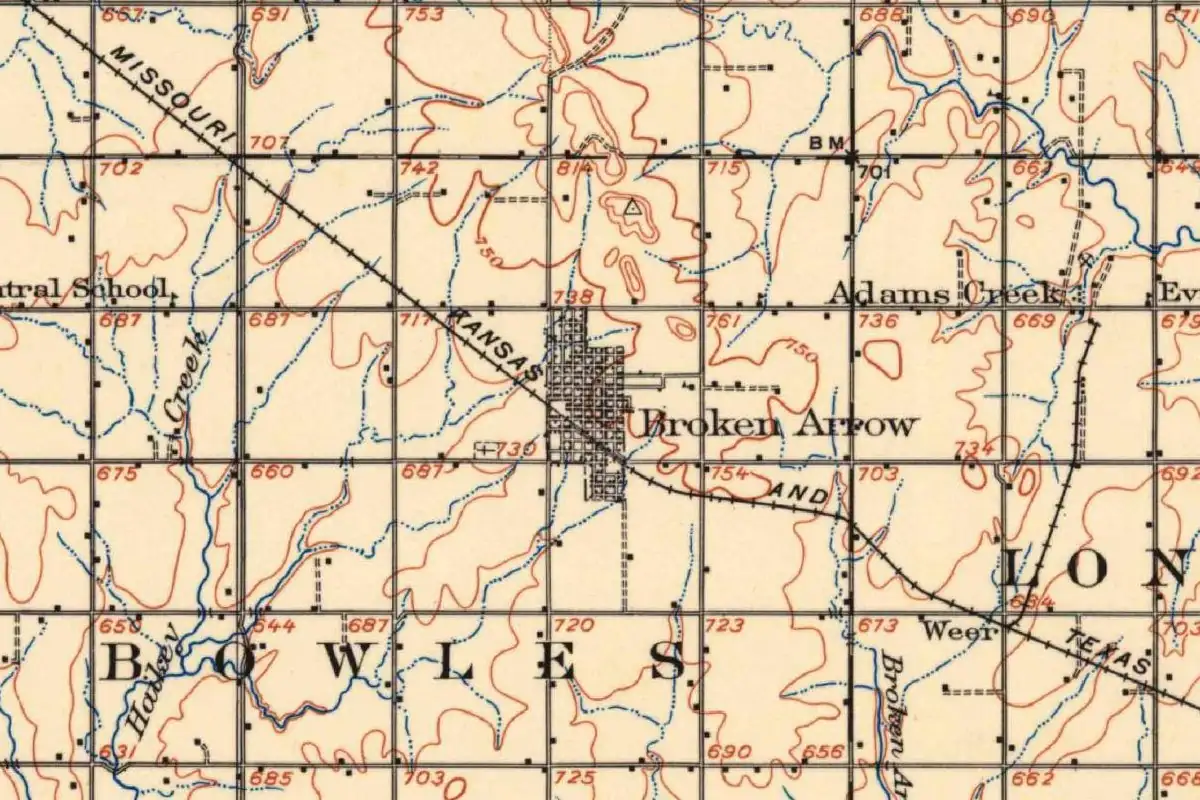 Tulsa County, OK
A story says Broken Arrow, Oklahoma, got its name when Creek leaders broke an arrow after the Civil War. The name is older: it belonged to a Creek town.
DocumentedA Lower Creek town on the Chattahoochee, Hlekatchka, meaning "broken arrow," shows up as Broken Arrow in a 1792 report, long before the Civil War. Source: Frederick Webb Hodge, ed., Handbook of American Indians North of Mexico, pt. 1 (1907), p. 552
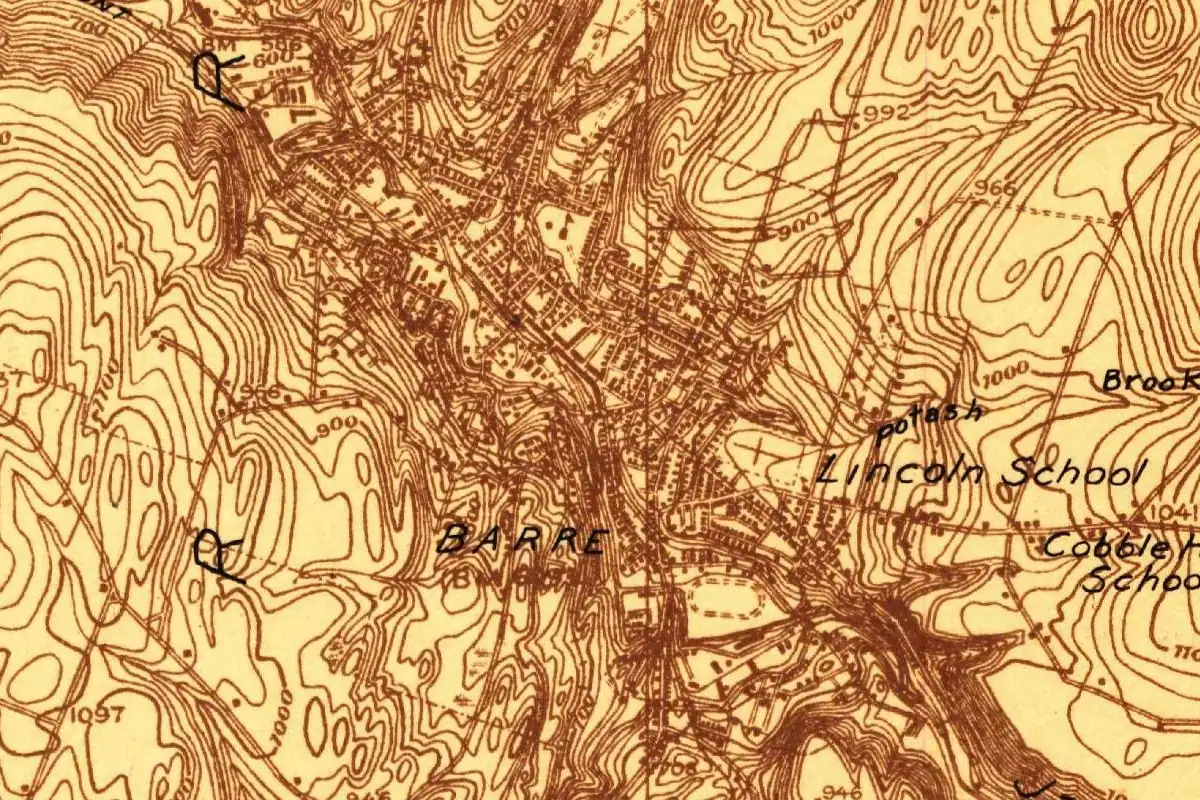 Washington County, VT
Barre, Vermont, may owe its name to a fistfight on a barn floor in 1793. The town's own records tell a quieter story: the name went to the highest bidder.
DisputedThe town vote of September 3, 1793, let whoever gave the most toward a meeting-house name the town. Ezekiel Dodge Wheeler bid highest and named it Barre. The record mentions no fight. Source: Carlos Carpenter, "Barre," in Hemenway, ed., The History of Washington County in the Vermont Historical Gazetteer (1882), p. 23
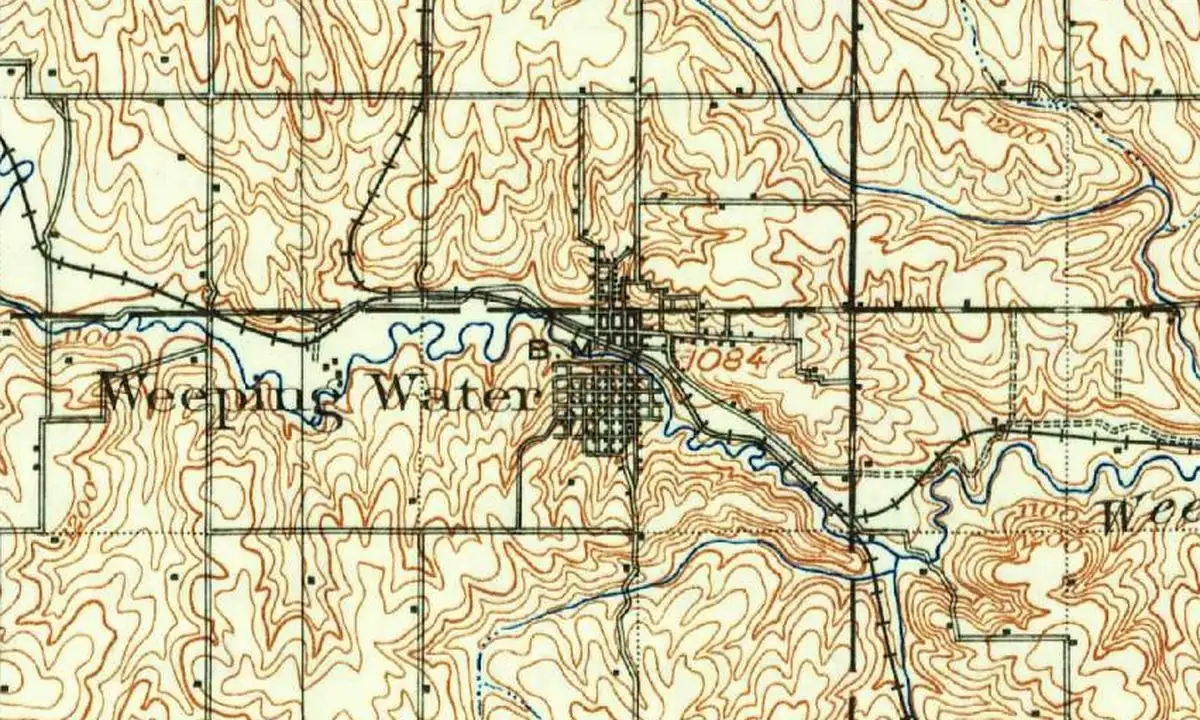 Cass County, NE
Weeping Water, Nebraska, is named for its creek, which French traders called L'Eau qui Pleure. A 1925 study says the weeping-women legend came later.
DocumentedNamed for its creek, which French traders called L'Eau qui Pleure. A 1925 study calls the legend of weeping women "a white man's tradition or invention." Source: Lilian Linder Fitzpatrick, Nebraska Place-Names (University of Nebraska, 1925)
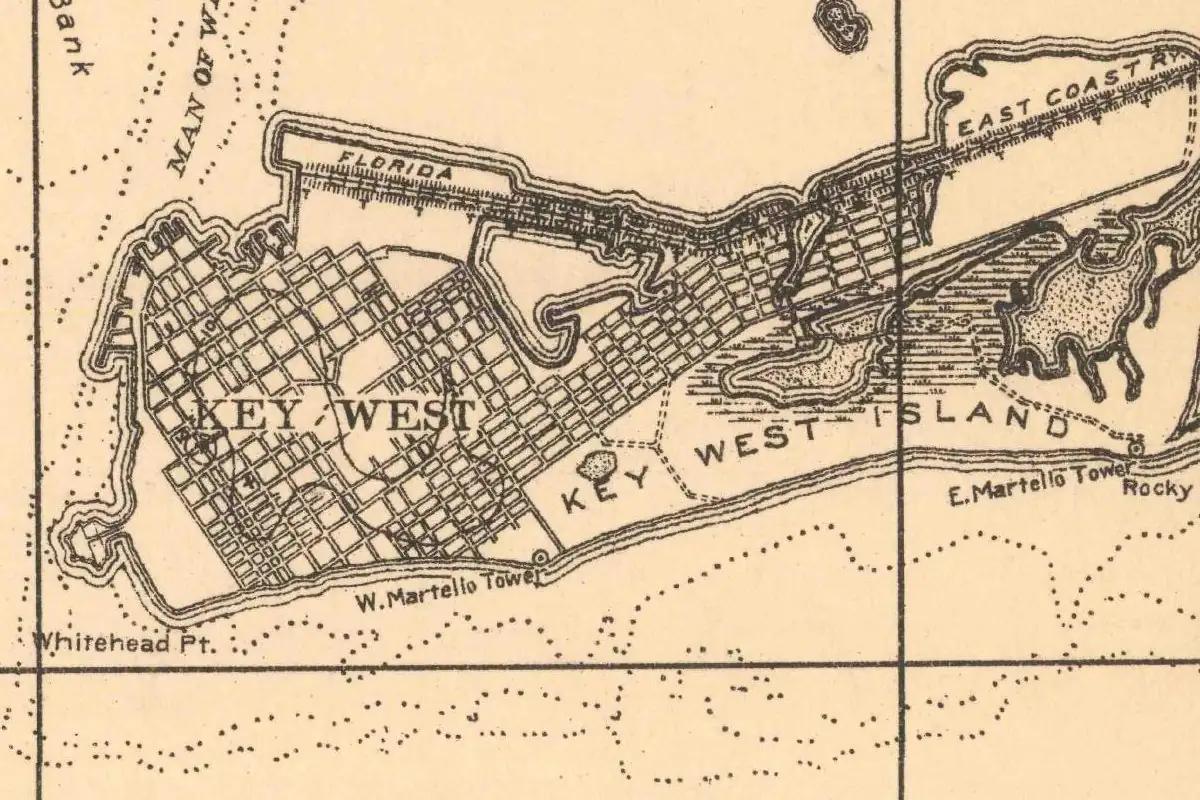 Monroe County, FL
Key West, Florida, may owe its name to a Spanish word for bones, or just to its spot at the west end of the keys. A 1912 history says no record settles it.
DisputedBone island, from the Spanish Cayo Hueso, or just the westernmost key? A 1912 history says "there is no authentic record" of where the name came from. Source: Jefferson B. Browne, Key West: The Old and the New (1912), pp. 7-9
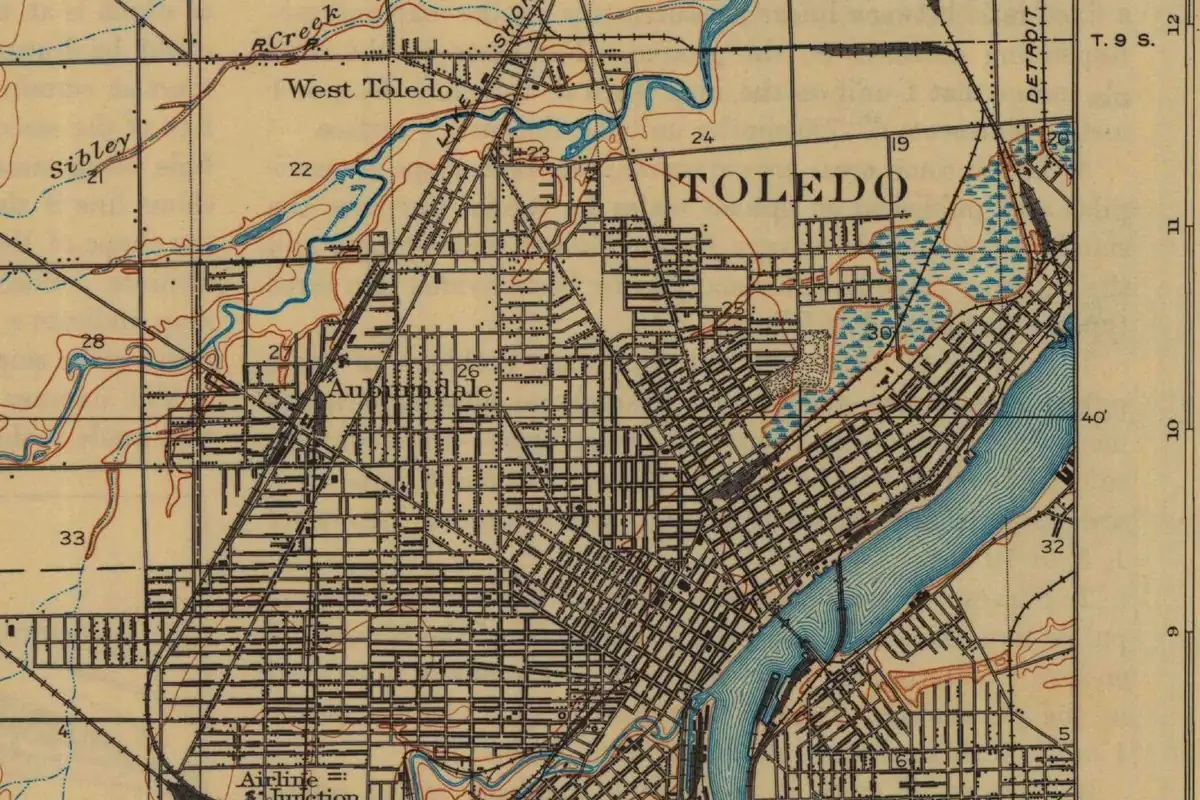 Lucas County, OH
Toledo, Ohio, is named for the old city in Spain, but at least four people have been credited with suggesting it, and the books don't agree on who.
DisputedEveryone agrees on the city in Spain. Four people get credit for suggesting it, Washington Irving among them; a 1923 history leans toward Willard J. Daniels. Source: John M. Killits, ed., Toledo and Lucas County, Ohio, 1623-1923, vol. 1 (1923), pp. 273-274
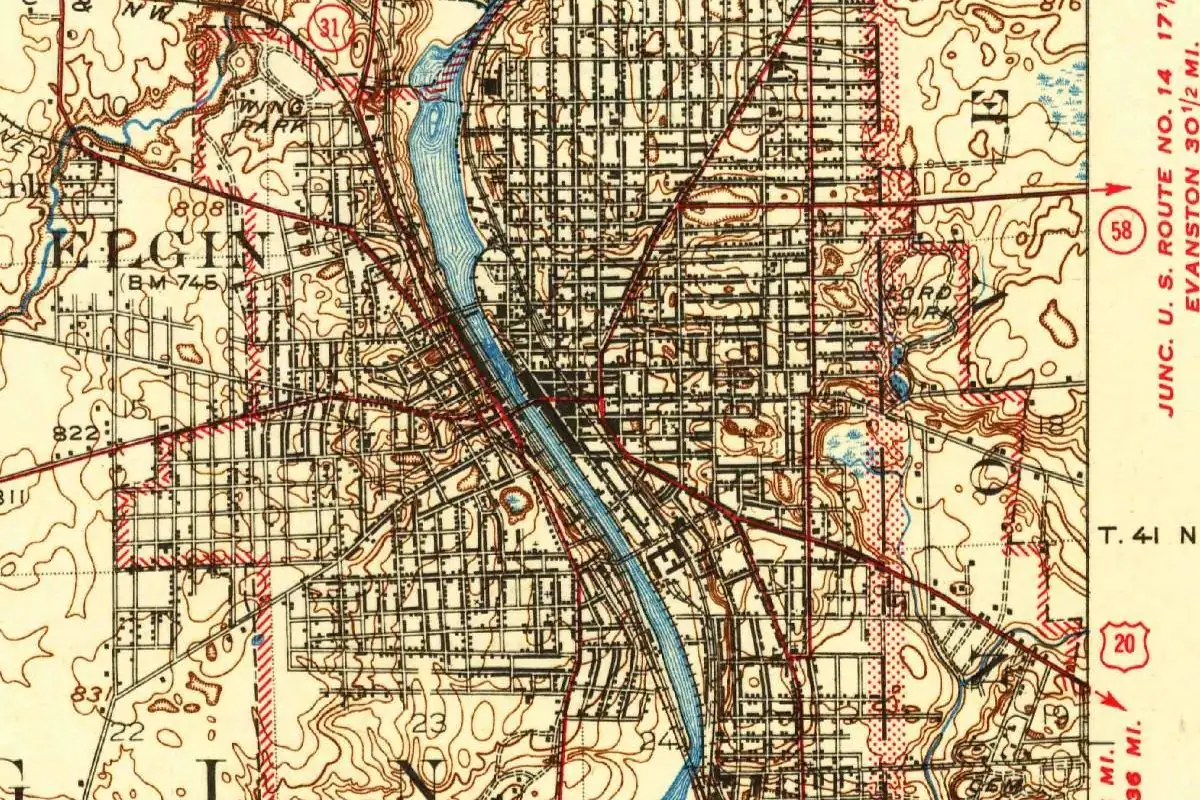 Kane County, IL
Elgin, Illinois, got its name from an old tune called "Elgin," local accounts say, though a federal book of place names credits a Scottish earl.
DisputedJames T. Gifford said he had "an old Scotch" name for it, an 1875 town history says. A doctor in the same book wrote that Elgin was then "only known as an old psalm tune." Source: The History of Elgin, Kane County, Illinois, 1835 to 1875 (Lord & Bradford, 1875), pp. 10-11, 85
 Rock County, WI
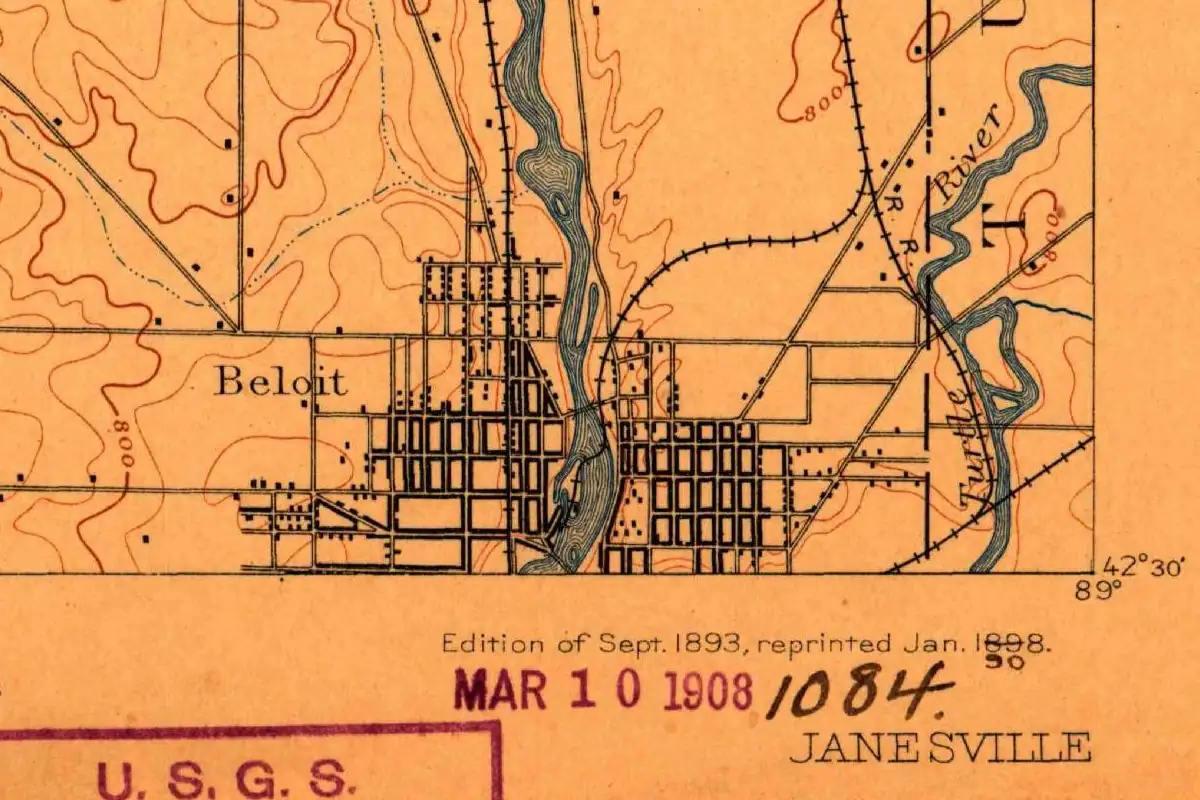
Beloit, Wisconsin, has a name that means nothing in any language. Settlers made it up around 1838, and they never agreed on who did.
DisputedSettlers made it up in 1838, and accounts of the committee differ. One member recalled "Ballote," pitched as French for beautiful, and his own wish for a name that sounded like Detroit. Source: William Fiske Brown, ed., Rock County, Wisconsin, vol. 1 (1908), pp. 140-141
 Cherokee County, OK
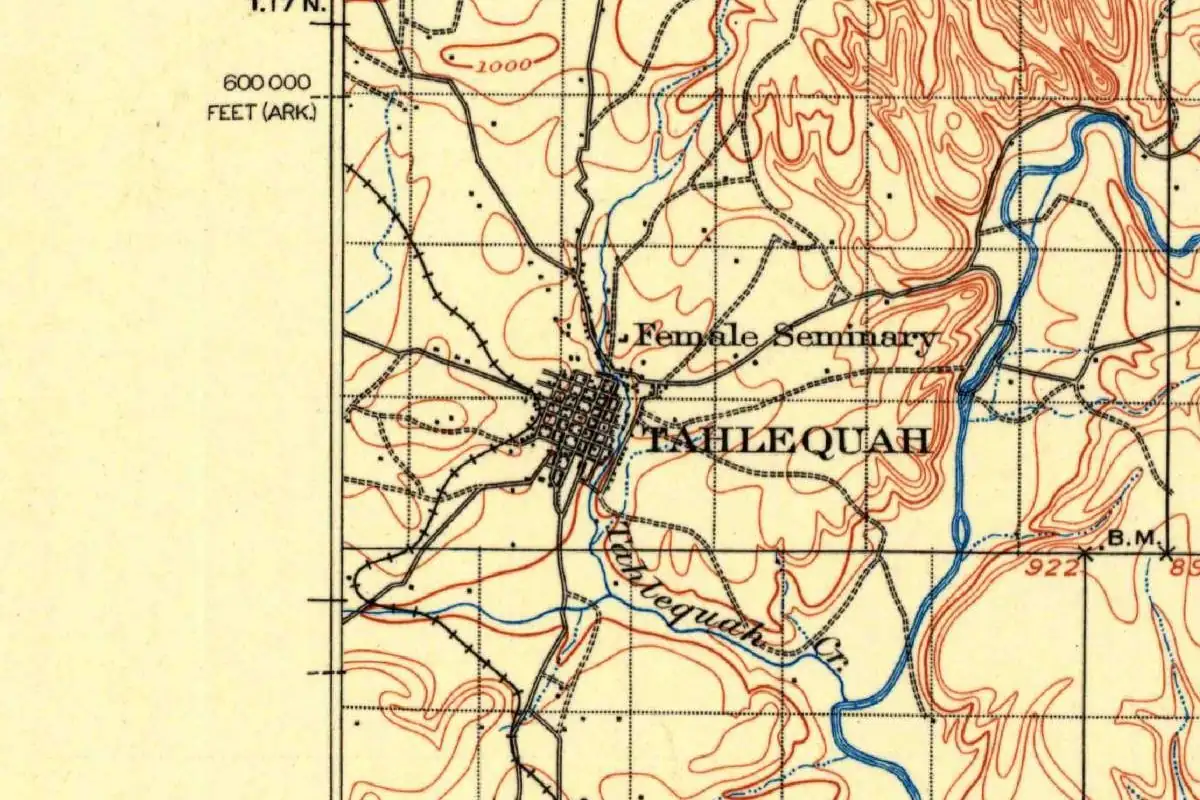
The AP told newspapers in 1963 that Tahlequah, Oklahoma, meant "two are enough." The name really came from Tellico, an old Cherokee town back East.
DocumentedA 1900 Smithsonian study says the name came from Talikwa', or Tellico, an old Cherokee town in Tennessee, and that "the meaning of the name is lost." Source: James Mooney, Myths of the Cherokee (Bureau of American Ethnology, 1900), pp. 147, 533
 Buchanan County, MO
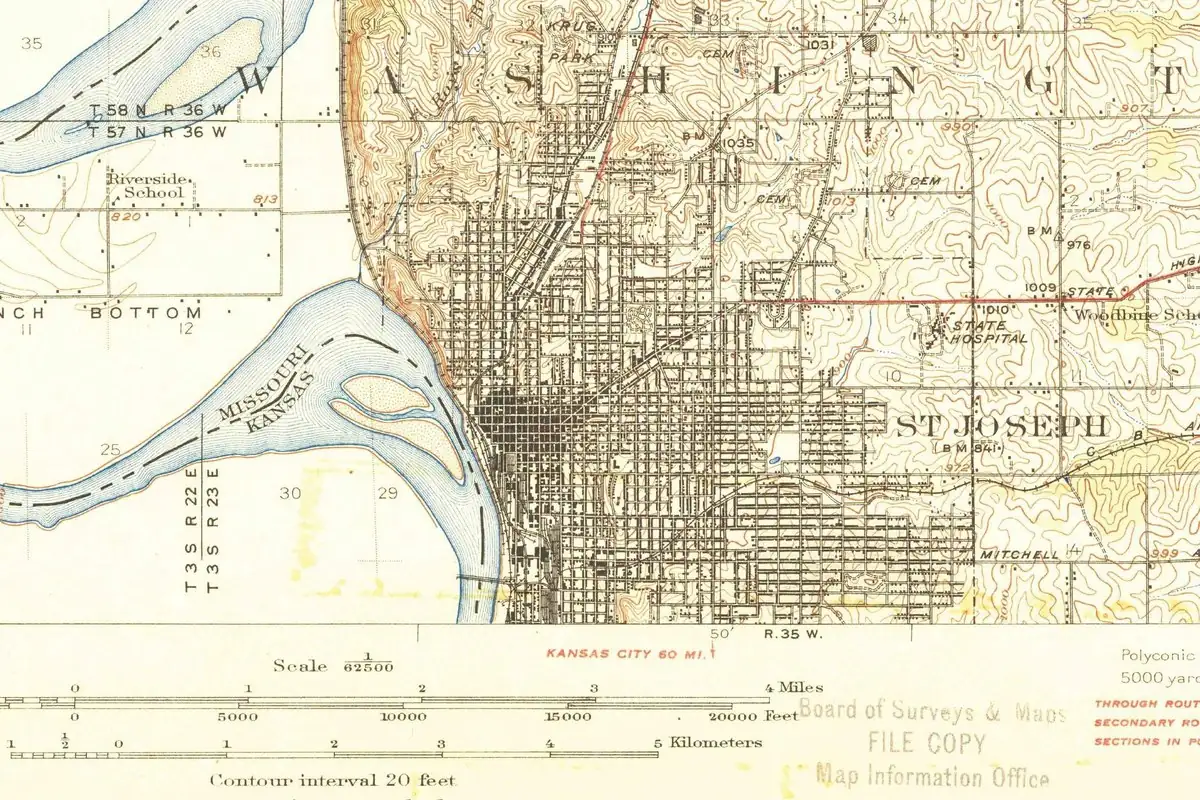
Fur trader Joseph Robidoux named St. Joseph, Missouri, in 1843. Local histories say he named it for himself; a 1911 encyclopedia says for his patron saint.
DisputedJoseph Robidoux laid out the town in 1843. An 1882 history says it was called St. Joseph in his honor, "and not, as is commonly supposed," for the saint of the church calendar. Source: The History of Pettis County, Missouri (1882), p. 111
 Howard County, IN
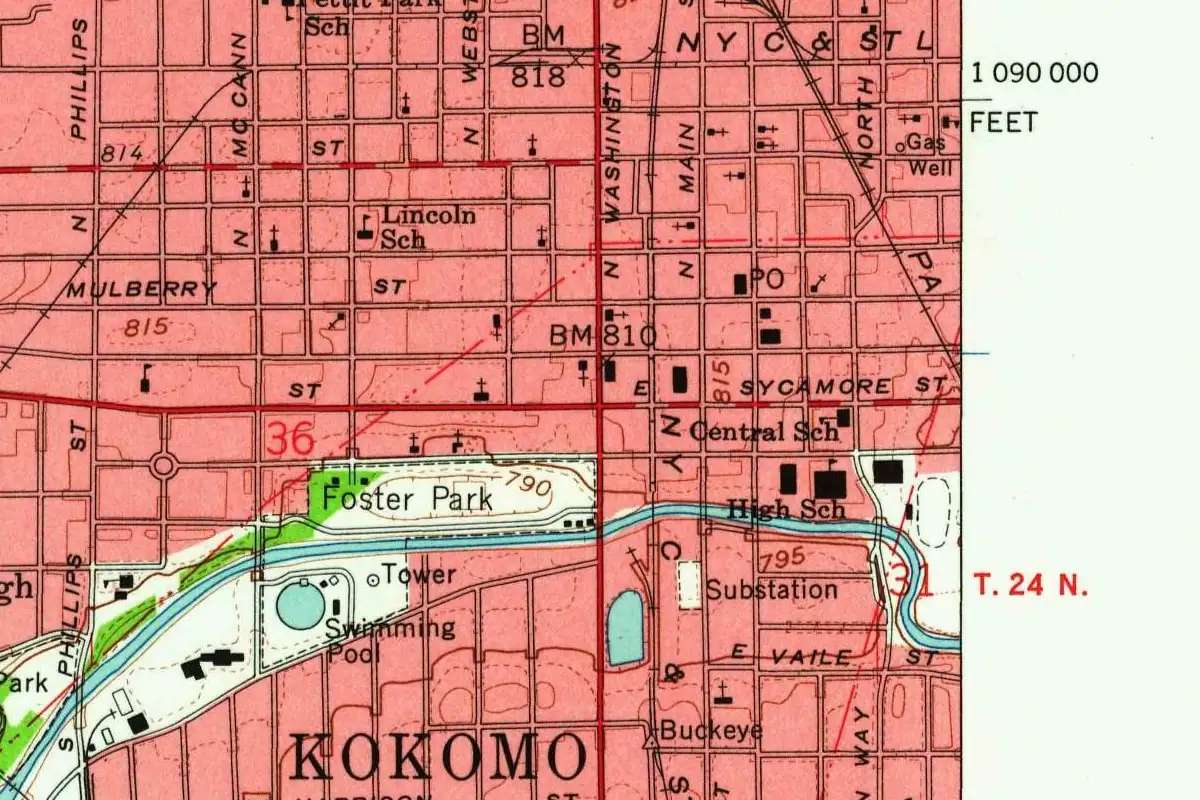
Kokomo, Indiana, carries the name of a Miami man, but the old books give at least three meanings for it and agree on none.
DisputedNamed for a Miami man. Old books translated it Black Walnut, Bear Chief or Young Grandmother; a 1909 glossary said none had any basis and gave "The Diver." Source: Jacob Piatt Dunn, True Indian Stories, with Glossary of Indiana Indian Names (1909), pp. 271-272
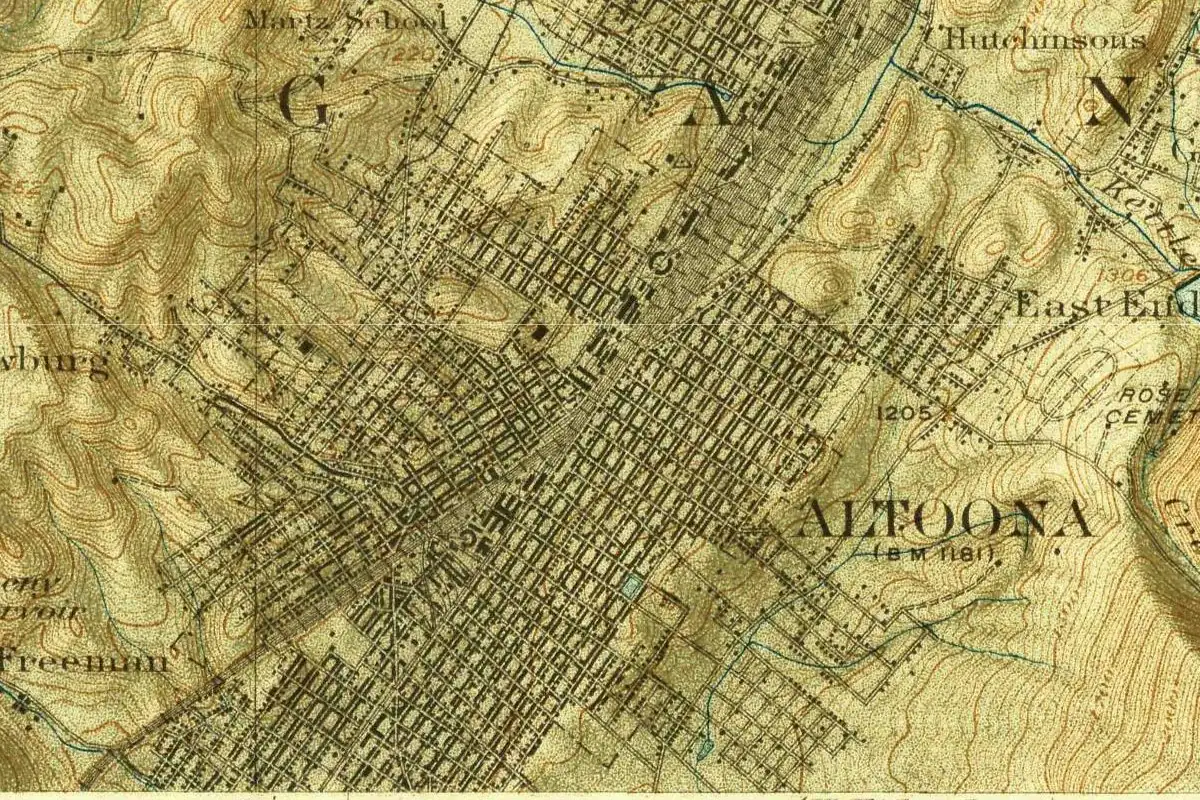 Blair County, PA
The name Altoona, Pennsylvania, has three rival explanations: a Latin word for high, a German city on the Elbe and a word from Cherokee country in Georgia.
DisputedThree rival stories: Latin altus, "high"; Altona, near Hamburg; or Allatoona, from Cherokee country in Georgia. A 1925 book rules out the Latin. Source: A. Howry Espenshade, Pennsylvania Place Names (1925), pp. 175-176
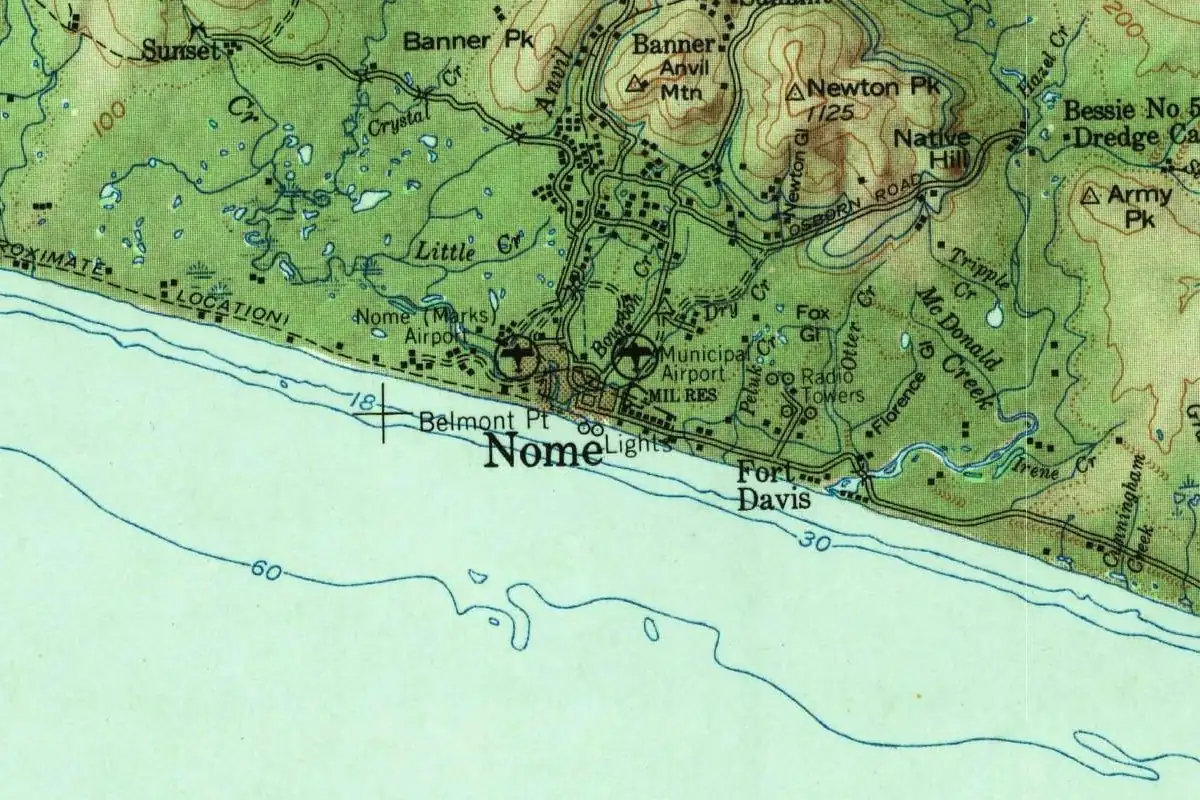 Nome Census Area, AK
A mapmaker's question mark may be the reason Nome, Alaska, is called Nome.
DisputedA draftsman may have misread a note on a British chart as "C. Nome." In 1901 the Admiralty's hydrographer wrote that "what that is we have nothing to show." Source: Marcus Baker, Geographic Dictionary of Alaska, 2nd ed. (USGS, 1906), pp. 464-465
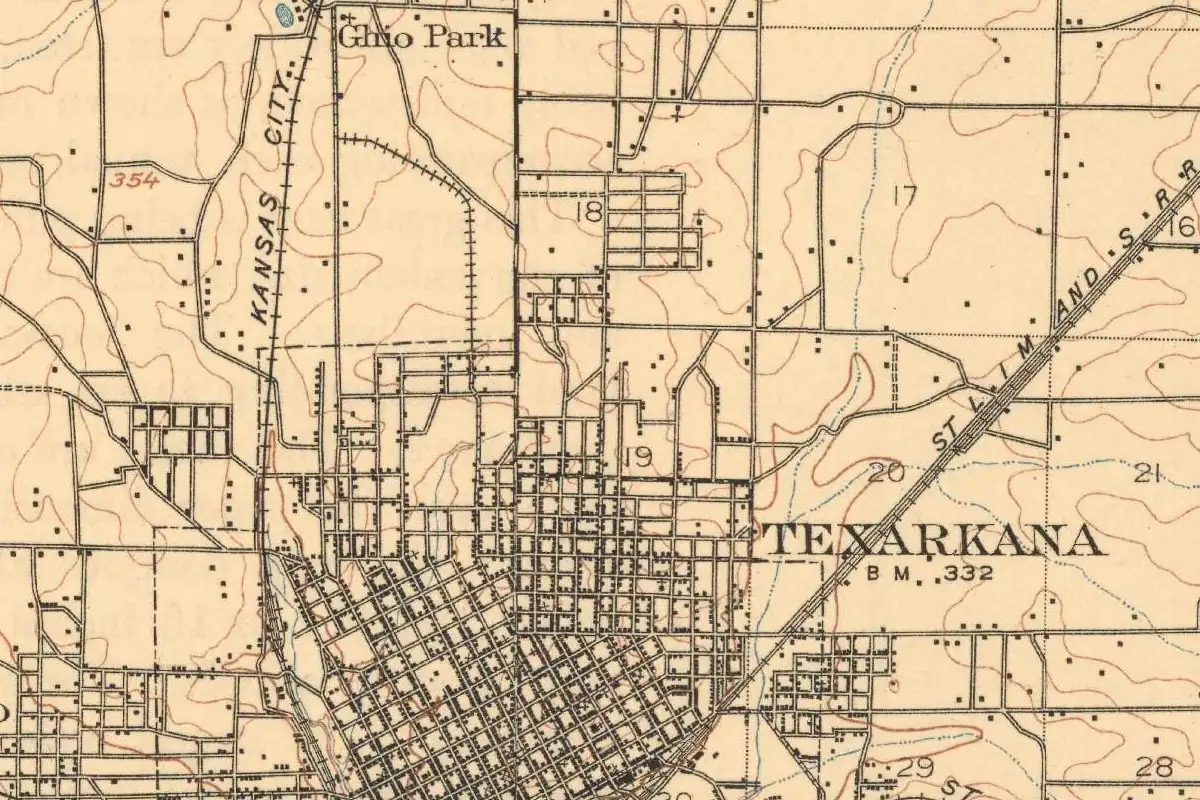 Miller County, AR
Nobody can say for sure who came up with the name Texarkana, Arkansas, and the old books can't even agree on how many states are packed into it.
DisputedCalvin Hervey claimed he coined it about 1856 from Texas, Arkansas and Louisiana. The same 1890 book says a Red River boat bore the name long before. Source: Biographical and Historical Memoirs of Southern Arkansas (Goodspeed, 1890), pp. 185-186
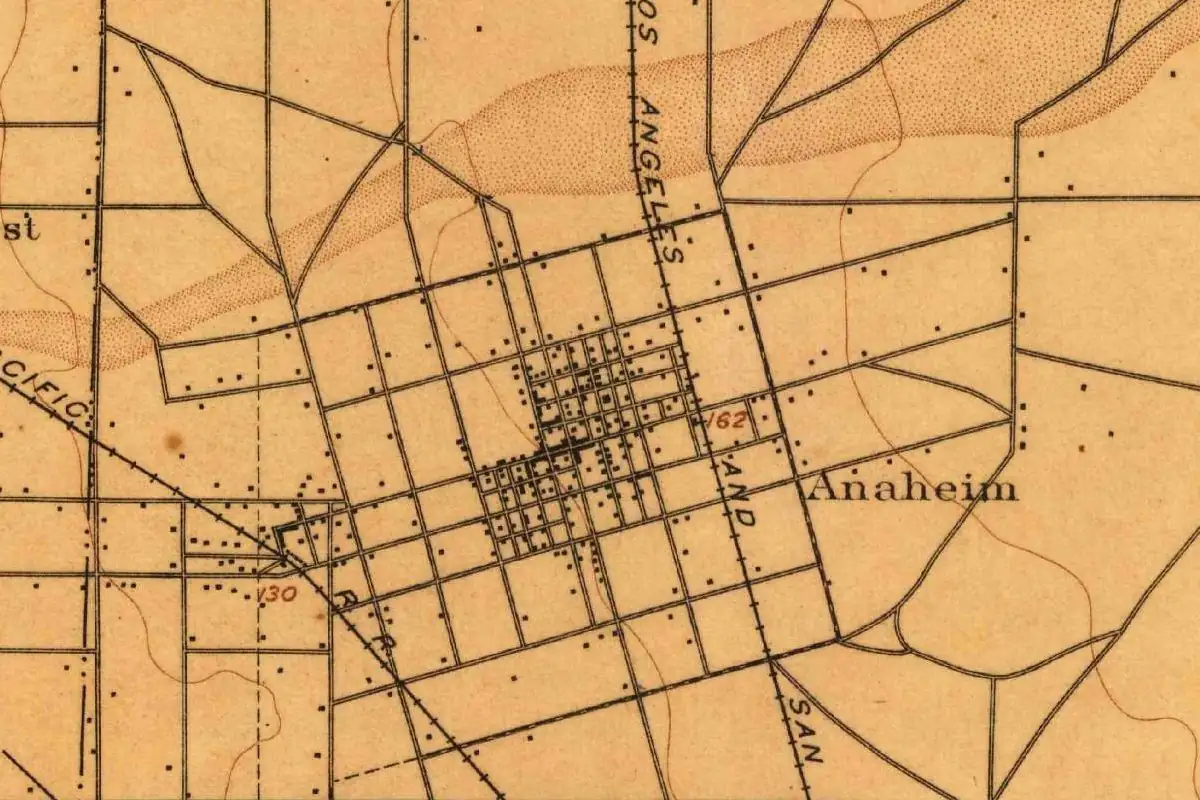 Orange County, CA
Anaheim, California, is a German "home" on the Santa Ana River, not a tribute to the baby named Anna that a 1905 government book gave the credit to.
DocumentedA 1919 history of the colony says the founders picked the name for "a home near the Santa Ana." The first child born there, a Fischer girl, "was called Anna in honor of the town." Source: Lucile E. Dickson, "The Founding and Early History of Anaheim, California," Annual Publication of the Historical Society of Southern California, vol. 11 (1919), pp. 26-37
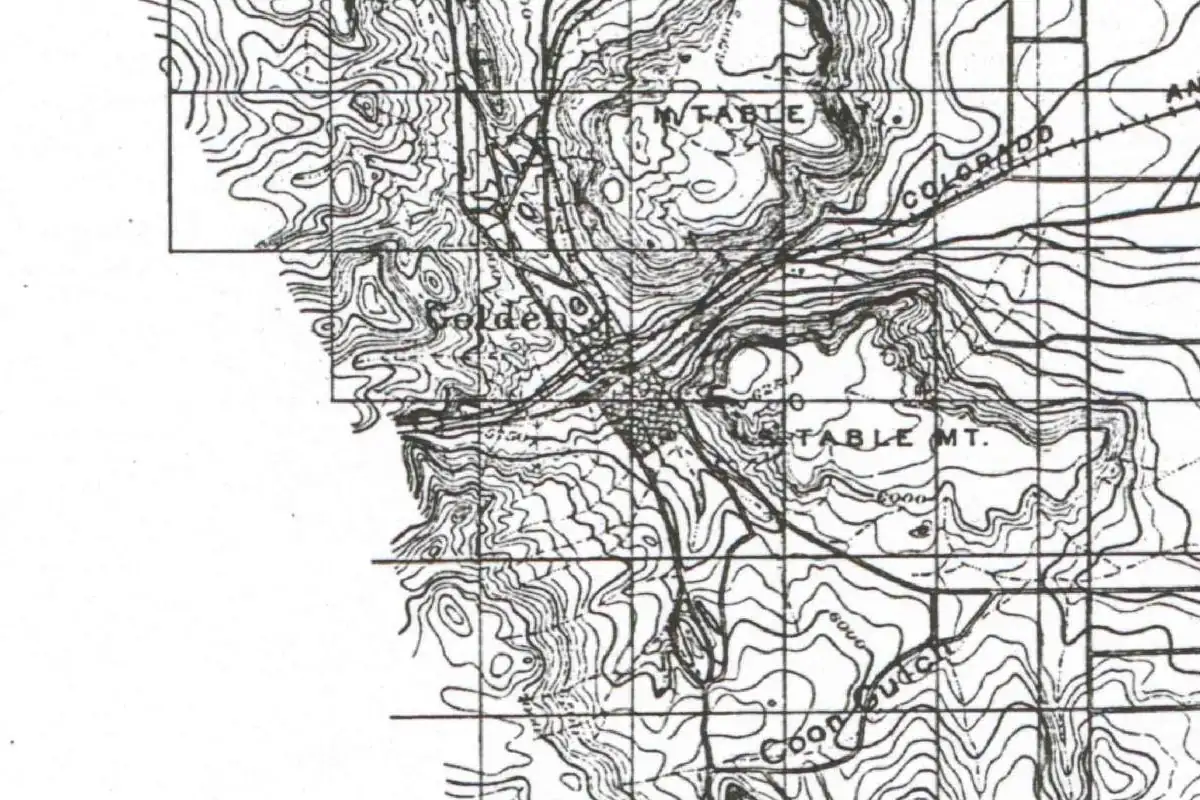 Jefferson County, CO
Old histories give three reasons for the name Golden, Colorado: a prospector named Tom Golden, a mountain pass called the Golden Gate, and the gold.
DisputedA 1918 history gives two answers about 90 pages apart: the town was "named after the character of the surrounding district," and it was named for a prospector, Tom Golden. Source: Wilbur Fisk Stone, ed., History of Colorado, vol. 1 (1918), pp. 147, 236-237
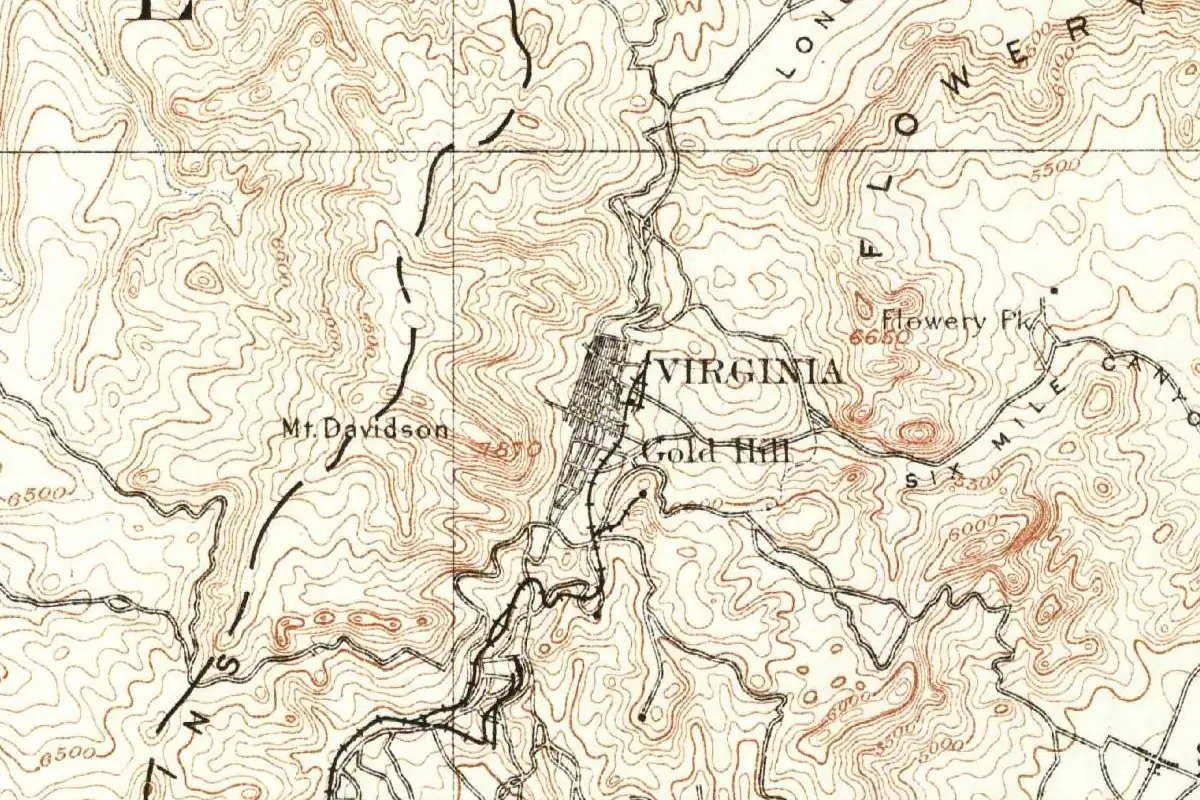 Storey County, NV
Virginia City, Nevada, is named for a miner called Old Virginia, and Henry Comstock said the man christened it by falling and breaking his whiskey bottle.
DocumentedNamed for a miner called Old Virginia. Henry Comstock said the man christened the place by falling and breaking his whiskey bottle, but the story rests on Comstock. Source: William Wright (Dan De Quille), History of the Big Bonanza (1877), p. 59
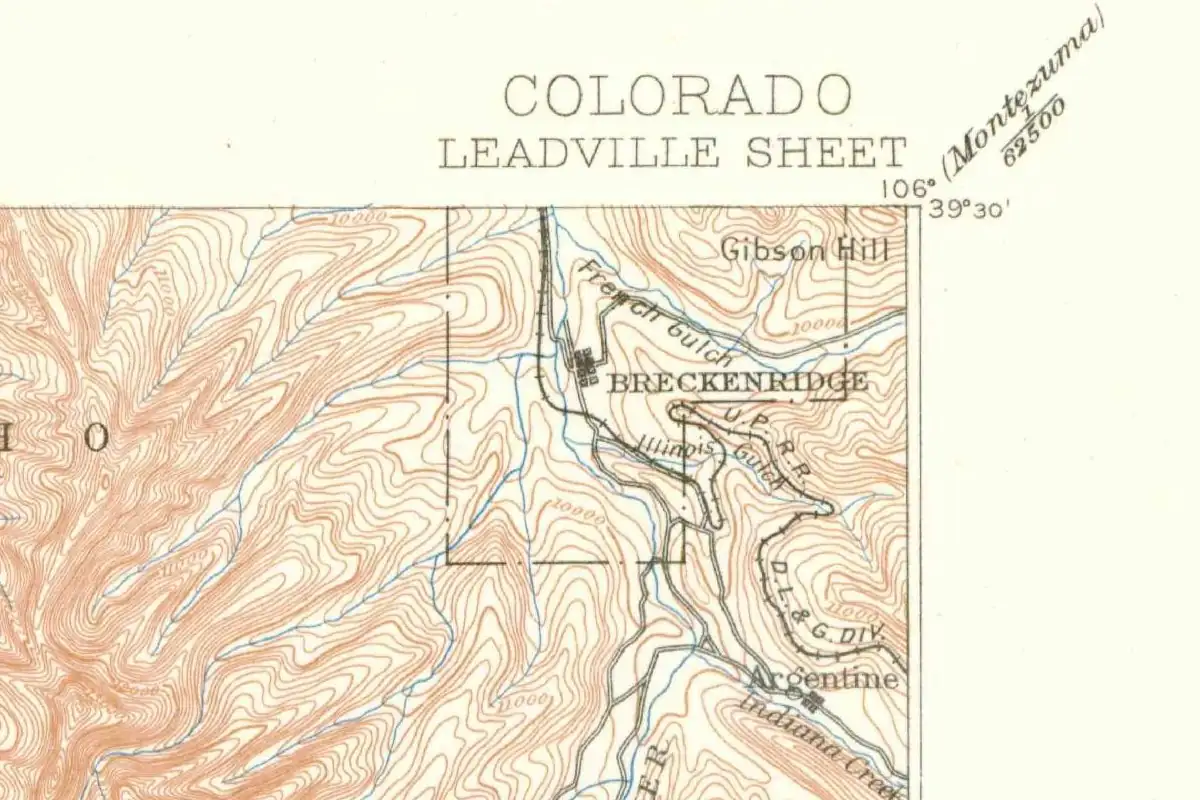 Summit County, CO
Breckenridge, Colorado, is spelled differently from Vice President John C. Breckinridge, the man old histories say it's named for, and nobody agrees why.
DisputedAn 1895 history says the founders named it for Vice President John C. Breckinridge to help get a post office, and the spelling was changed after he sided with the Confederacy. Source: Frank Hall, History of the State of Colorado, vol. 4 (1895), pp. 327-328
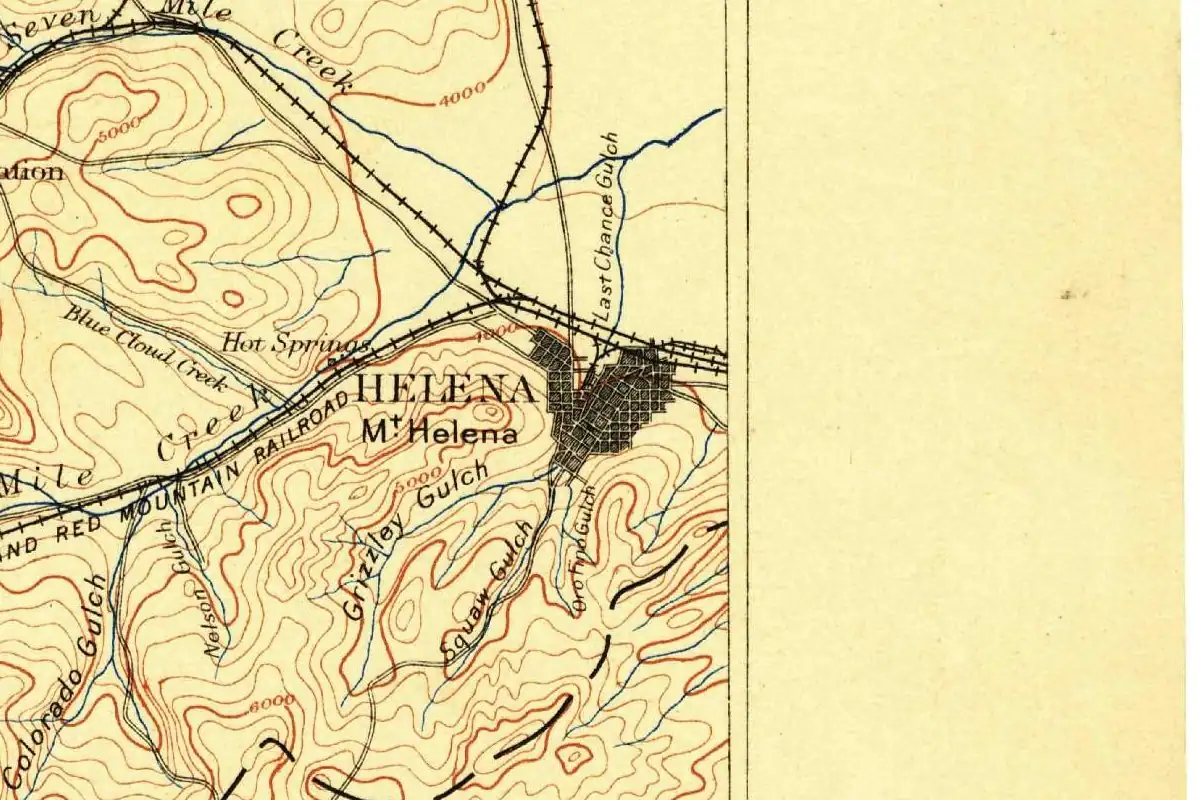 Lewis and Clark County, MT
Helena, Montana, got its name from a Minnesota miner at an 1864 meeting, but the old accounts don't agree on which Helena he had in mind.
DisputedA 1907 history says John Somerville named it in 1864 for Napoleon's St. Helena, then quotes a man at the meeting: Somerville wanted the name of his own town, Helena, Minnesota. Source: An Illustrated History of the Yellowstone Valley (1907), pp. 53, 83-84
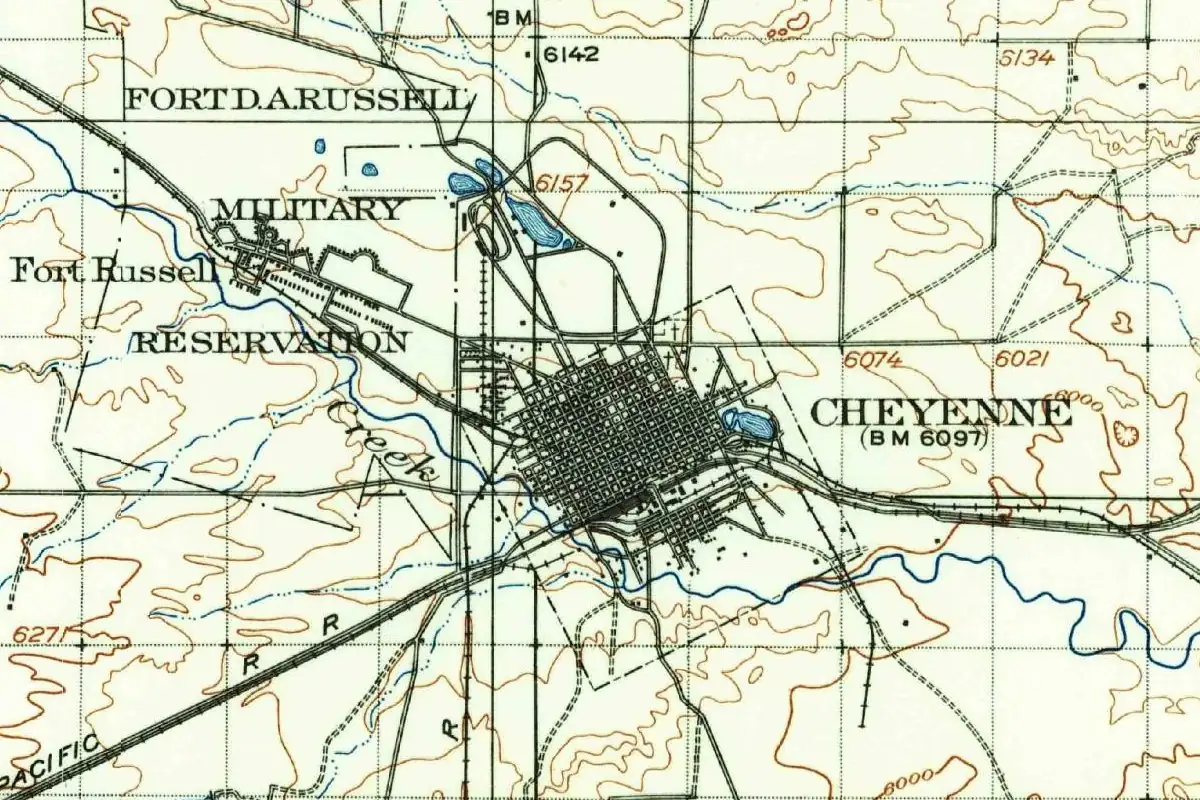 Laramie County, WY
Cheyenne, Wyoming, is named for the Cheyenne people, and the word has nothing to do with the French chien, or dog, despite an old guess that it did.
DocumentedThe name comes from what the Sioux called the Cheyenne, "people of alien speech." A 1907 Smithsonian handbook says it has no connection with the French chien, "dog." Source: Frederick Webb Hodge, ed., Handbook of American Indians North of Mexico, part 1 (1907), pp. 250-251
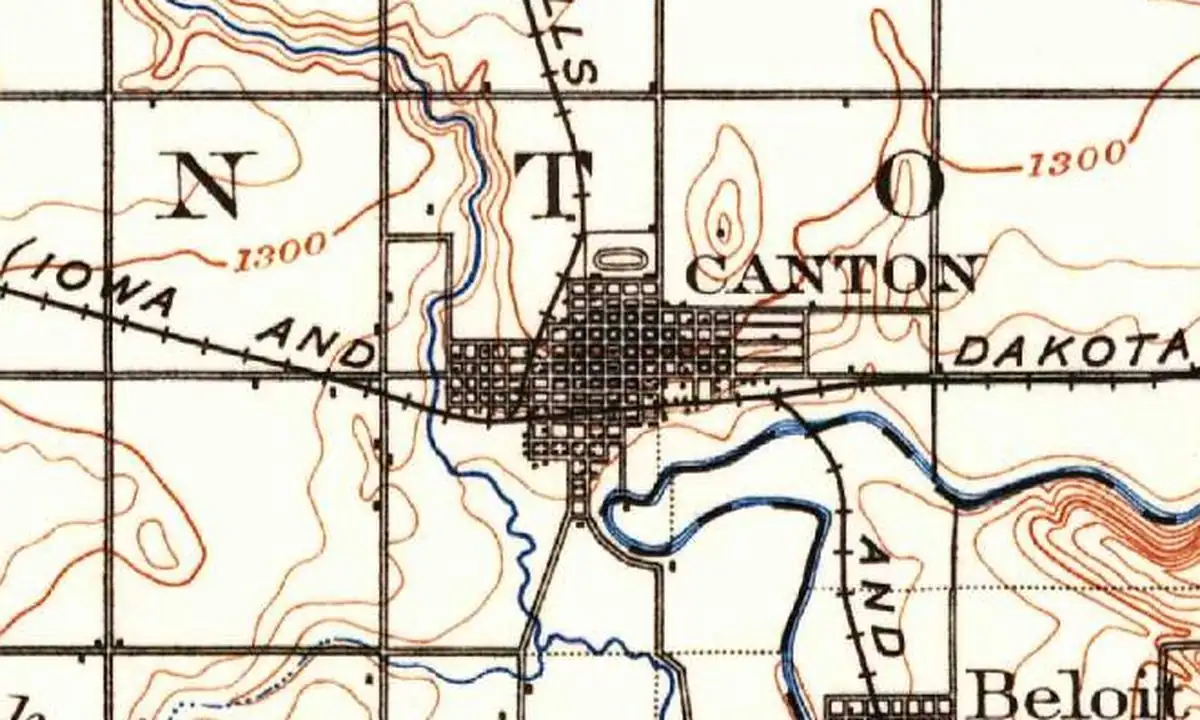 Lincoln County, SD
Canton, South Dakota, was named by a settlers' vote: for Canton, China, thought to be opposite on the globe, says the famous story. A 1908 guide says Ohio.
DisputedA 1908 railroad book says the county seat was "named from Canton, Ohio, that was named indirectly from the Chinese city." Source: W. H. Stennett, A History of the Origin of the Place Names Connected with the Chicago & North Western (1908)
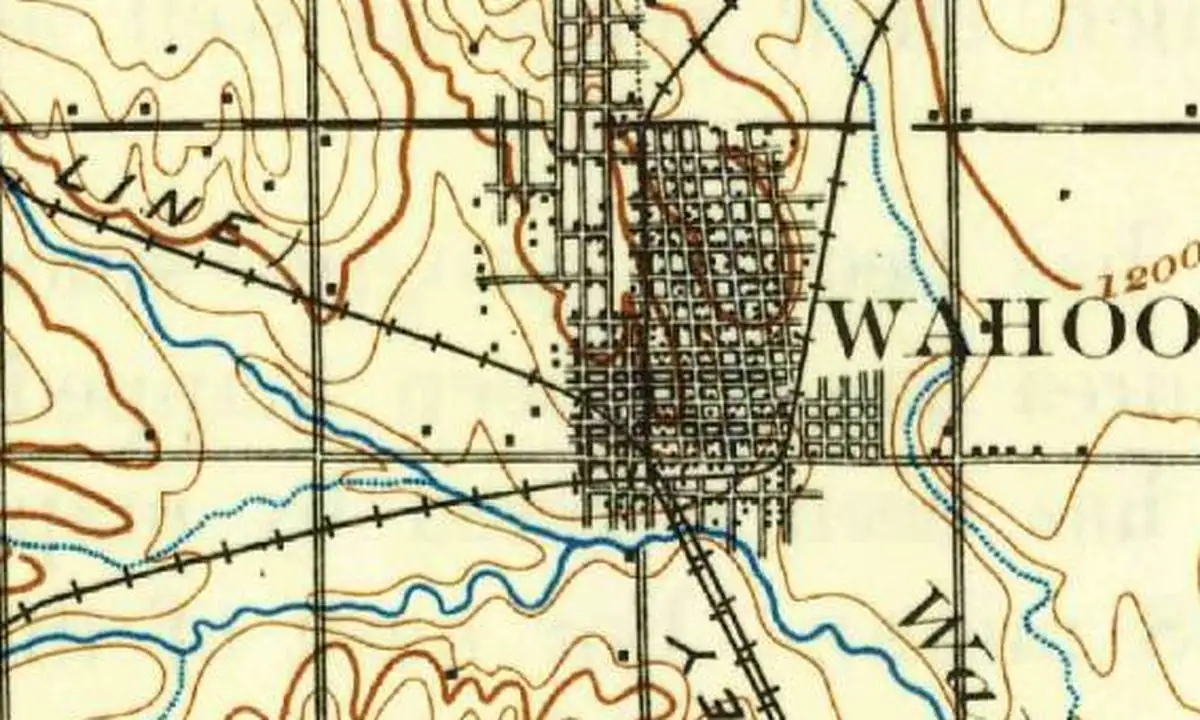 Saunders County, NE
Wahoo, Nebraska, shares its name with Wahoo Creek, and nobody knows for sure where it came from. The favorite answer is a shrub, the wahoo, on its banks.
DisputedIt shares its name with Wahoo Creek, and a 1925 study says there's "some dispute": a shrub on the creek's banks, "pahoo" for "not very bluffy," or a word for an elm. Source: Lilian Linder Fitzpatrick, Nebraska Place-Names (University of Nebraska, 1925)
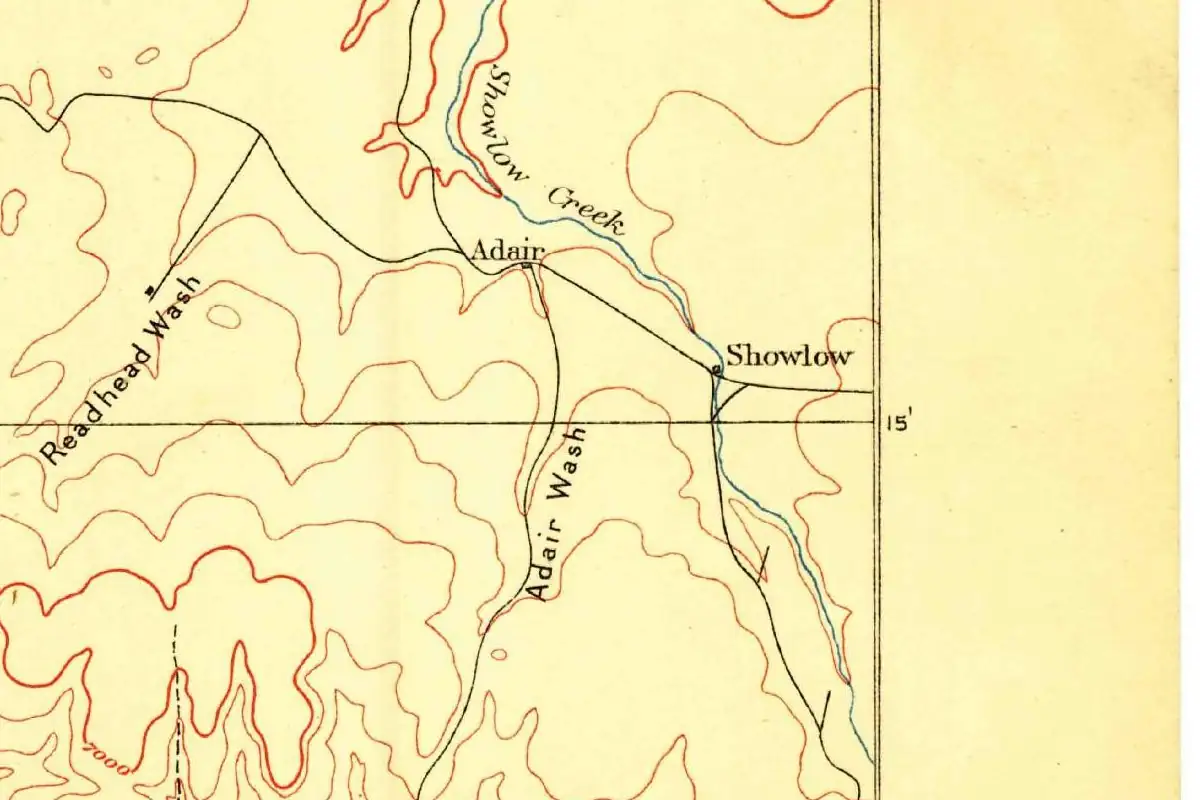 Navajo County, AZ
Show Low, Arizona, was won in a game of seven-up. The winning call was "show low," and Corydon Cooley, who took the ranch, kept it as the name.
DocumentedIn this 1918 version, Corydon Cooley won the place at seven-up from a man named Dodd, and Marion Clark was the settler with a claim there. Cooley showed low and called it Show Low. Source: Thomas Edwin Farish, History of Arizona, vol. 6 (1918), p. 279
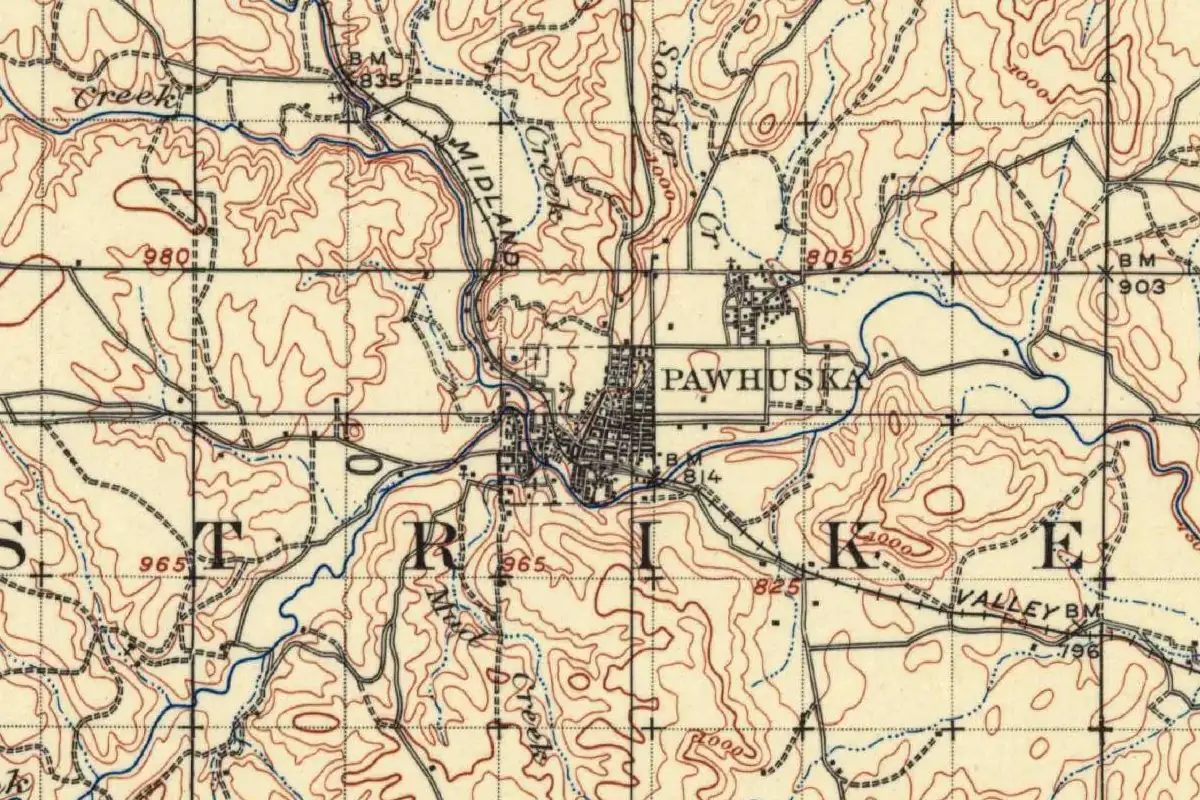 Osage County, OK
The first Osage chief called White Hair got his name from a white wig, an old story goes. Pawhuska, Oklahoma, carries that name: Pah-hue-skah.
DocumentedNamed for the last of the Osage chiefs called White Hair. "According to a legend," the first got the name when the hair he grabbed from an officer turned out to be a white wig. Source: Frank F. Finney, "Old Osage Customs Die With the Last Pah-hue-skah," Chronicles of Oklahoma (Summer 1958), pp. 131-132
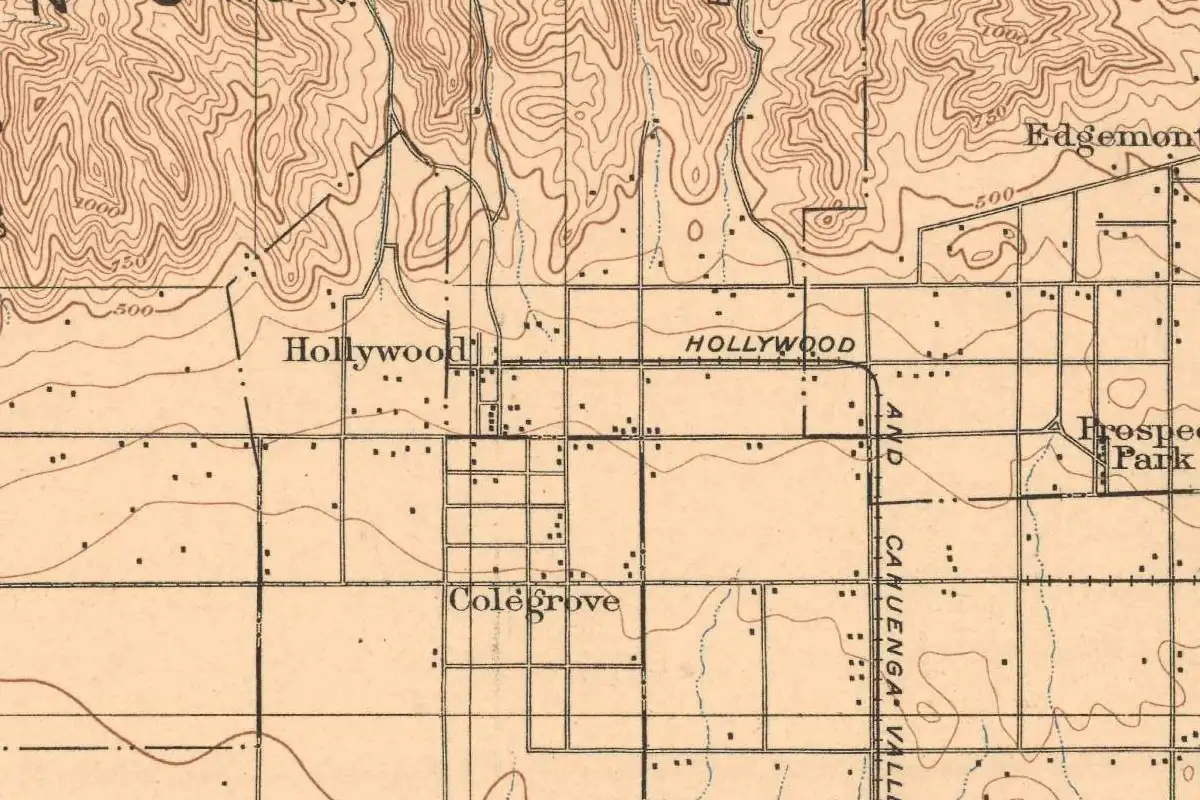 Los Angeles County, CA
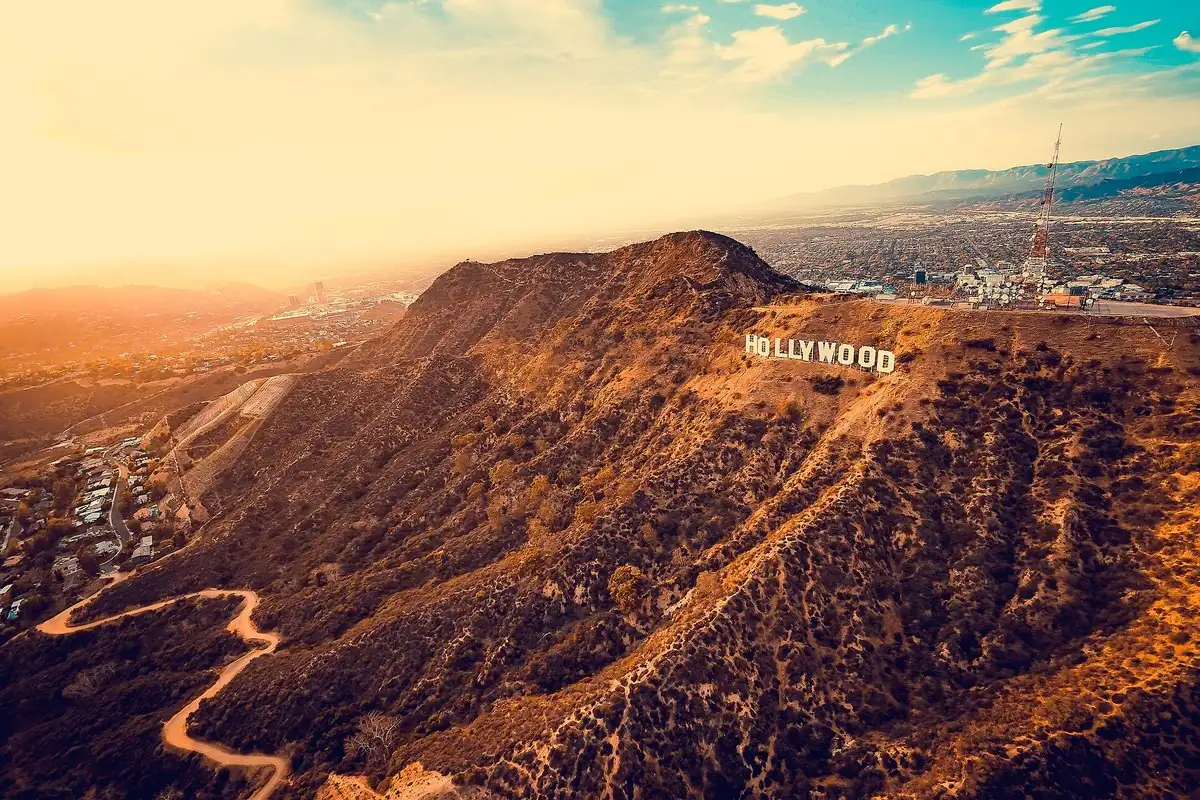
Hollywood, California, got its name from Harvey and Daeida Wilcox, who laid out the town in 1887, and the old accounts can't agree on why they chose it.
DisputedA 1923 local booklet said "a friendly controversy" had gone on for years: was the name for a padre's Mass of the Holy Wood of the Cross, or the California holly on the hills? Source: Laurance L. Hill and Silas E. Snyder, Can Anything Good Come Out of Hollywood? (1923), p. 10
Sources for this page
- Frederick Webb Hodge, ed., Handbook of American Indians North of Mexico, part 1 (BAE Bulletin 30, 1907), pp. 250-251 (accessed Nov 1, 2026)
- Lucile E. Dickson, "The Founding and Early History of Anaheim, California," Annual Publication of the Historical Society of Southern California, vol. 11 (1919), pp. 26-37 (accessed Nov 1, 2026)
- Henry Gannett, The Origin of Certain Place Names in the United States, 2nd ed. (USGS Bulletin 258, 1905), p. 24 (accessed Nov 1, 2026)
- James Mooney, Myths of the Cherokee (Bureau of American Ethnology, 1900), pp. 147, 533 (accessed Nov 1, 2026)
- Associated Press, "Quorum Present, Town Is Named," Appleton Post-Crescent, May 8, 1963 (accessed Nov 1, 2026)
- Carlos Carpenter, "Barre," in Abby Maria Hemenway, ed., The History of Washington County in the Vermont Historical Gazetteer (1882), p. 23 (accessed Nov 1, 2026)
- Marcus Baker, Geographic Dictionary of Alaska, 2nd ed. (USGS Bulletin 299, 1906), pp. 464-465 (accessed Nov 1, 2026)
- Joseph Williamson, History of the City of Belfast in the State of Maine (1877), p. 126 (accessed Nov 1, 2026)
- Lilian Linder Fitzpatrick, Nebraska Place-Names (University of Nebraska, 1925) (accessed Nov 1, 2026)
- W. H. Stennett, A History of the Origin of the Place Names Connected with the Chicago & North Western and Chicago, St. Paul, Minneapolis & Omaha Railways (1908) (accessed Nov 1, 2026)
- E. M. Ruttenber, Footprints of the Red Men: Indian Geographical Names (1906), pp. 107-108 (accessed Nov 1, 2026)
- Laurance L. Hill and Silas E. Snyder, Can Anything Good Come Out of Hollywood? (1923), p. 10 (accessed Nov 1, 2026)
- Jefferson B. Browne, Key West: The Old and the New (1912), chapter I (accessed Nov 1, 2026)
- Walter W. Preston, History of Harford County, Maryland (1901), pp. 249-250 (accessed Nov 1, 2026)
- Jacob Piatt Dunn, True Indian Stories, with Glossary of Indiana Indian Names (1909), pp. 271-272 (accessed Nov 1, 2026)
- Thomas G. Thrum, "Wrestling with Place Names," Hawaiian Annual for 1922, pp. 82-86 (accessed Nov 1, 2026)
- H. Perry Smith, ed., History of the City of Buffalo and Erie County, vol. 1 (1884) (accessed Nov 1, 2026)
- William Fiske Brown, ed., Rock County, Wisconsin, vol. 1 (1908), pp. 140-141 (accessed Nov 1, 2026)
- Thomas Edwin Farish, History of Arizona, vol. 6 (1918), p. 279 (accessed Nov 1, 2026)
- James H. McClintock, Arizona: Prehistoric, Aboriginal, Pioneer, Modern, vol. 2 (1916), p. 454 (accessed Nov 1, 2026)