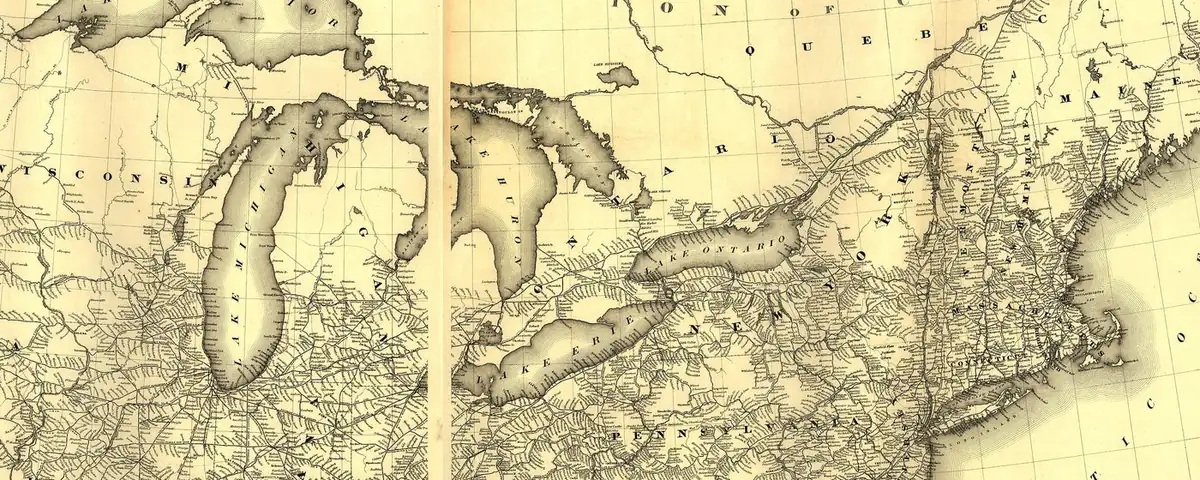
Towns That Changed Their Names, and What They Were Called
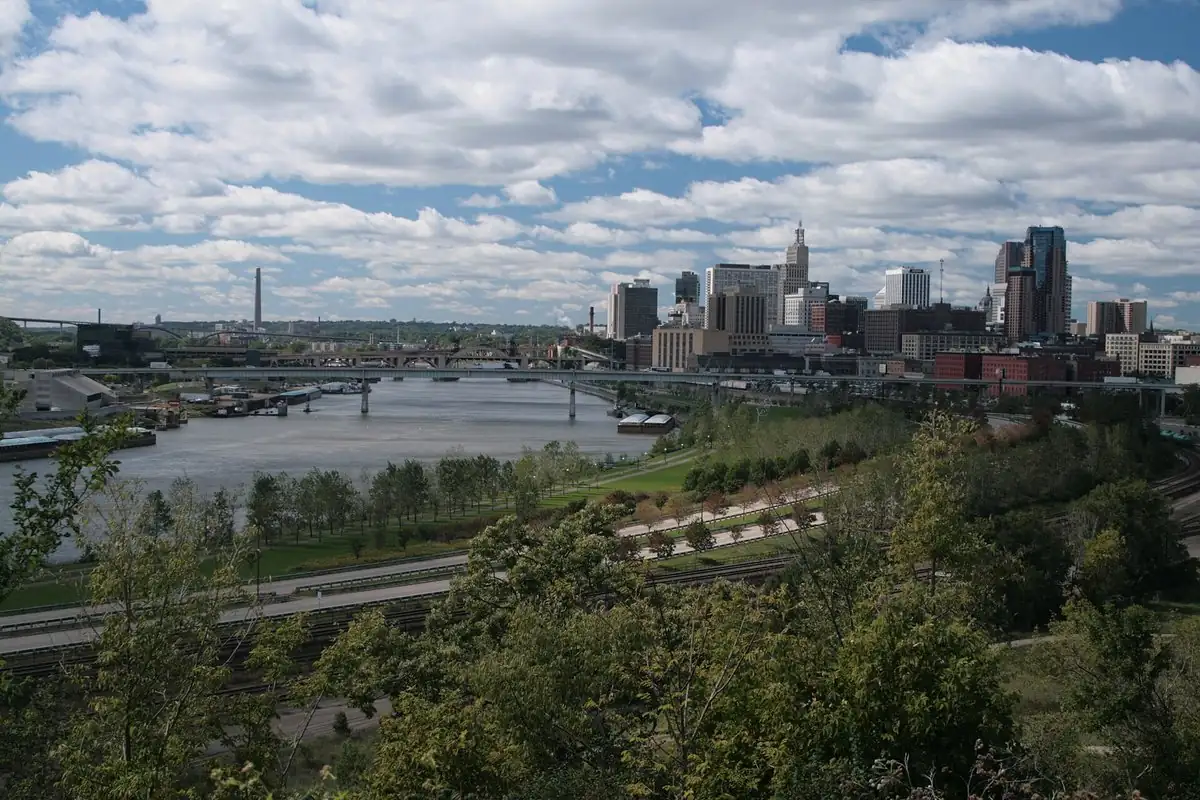

Saint Paul, Minnesota, was Pig’s Eye, named for a one-eyed whiskey seller, until a priest built a little log chapel and dedicated it to Saint Paul. Towns that changed their names are all over the map, and this page tells you what each one used to be called and, where the record says, why it switched.
Every place here really went by another name first, and a source records both the old name and the change. The list runs in order of when the new name took over, from Hartford in 1637 to Truth or Consequences in 1950, so it reads a bit like a short history of the country.
The reasons repeat. Some towns traded a plain description for something grander: Cow Ford became Jacksonville, Middle Plantation became Williamsburg. Some were picked as capitals and renamed soon after, like Austin, Lansing and Lincoln. Some wanted to stop getting mixed up with another place, the way Corvallis did with Marysville, California. Some took their name from the landmark next door: the falls on the river at Klamath Falls, the rapids at Idaho Falls, the national park at West Glacier. And a couple took a name from show business, a singing cowboy in one case and a radio quiz show in the other.
How we picked these. The town really went by another name first, and an official, historical or encyclopedic source records the old name and the change. Each story below lists the source that confirms it.
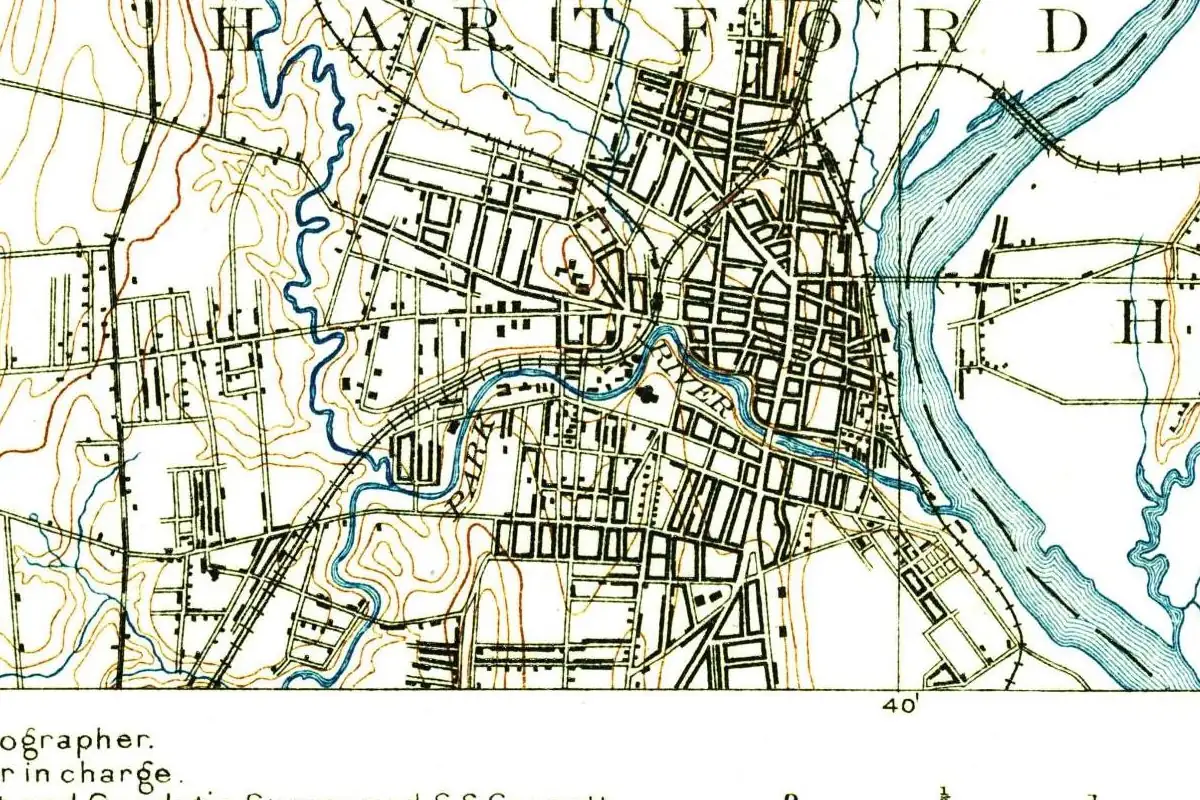 Hartford County, CT
The English town that gave Hartford, Connecticut, its name spells it Hertford, and an 1886 history says people there more often pronounce it Harford.
DocumentedWas Newtown until February 1637, when the colony's court renamed it Hartford, after a town in England. Source: Benjamin Trumbull, A Complete History of Connecticut, vol. 1 (1818)
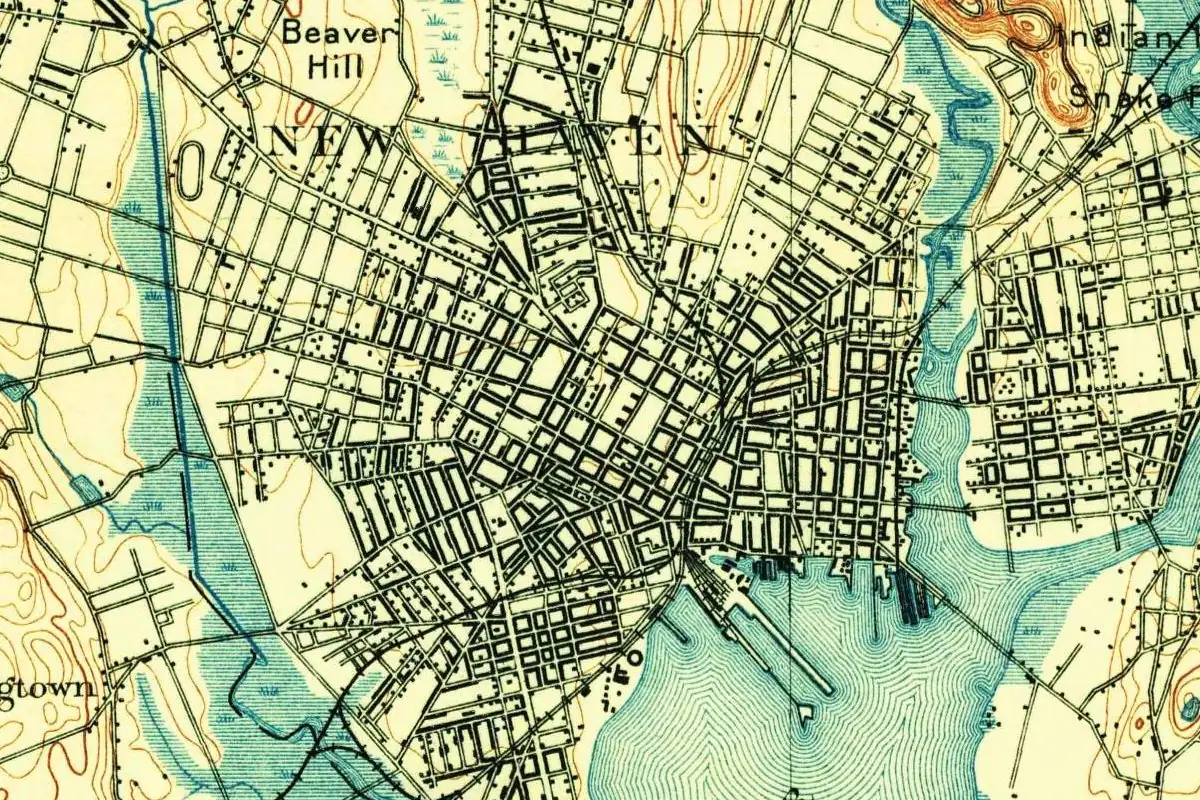 New Haven County, CT
The order that renamed New Haven, Connecticut, is five words long: "This towne now named Newhaven." Before that, it was Quinnipiac.
DocumentedWas Quinnipiac until 1640, when the colony's court wrote: "This towne now named Newhaven." Source: Records of the Colony and Plantation of New-Haven, 1638 to 1649 (1857), p. 40
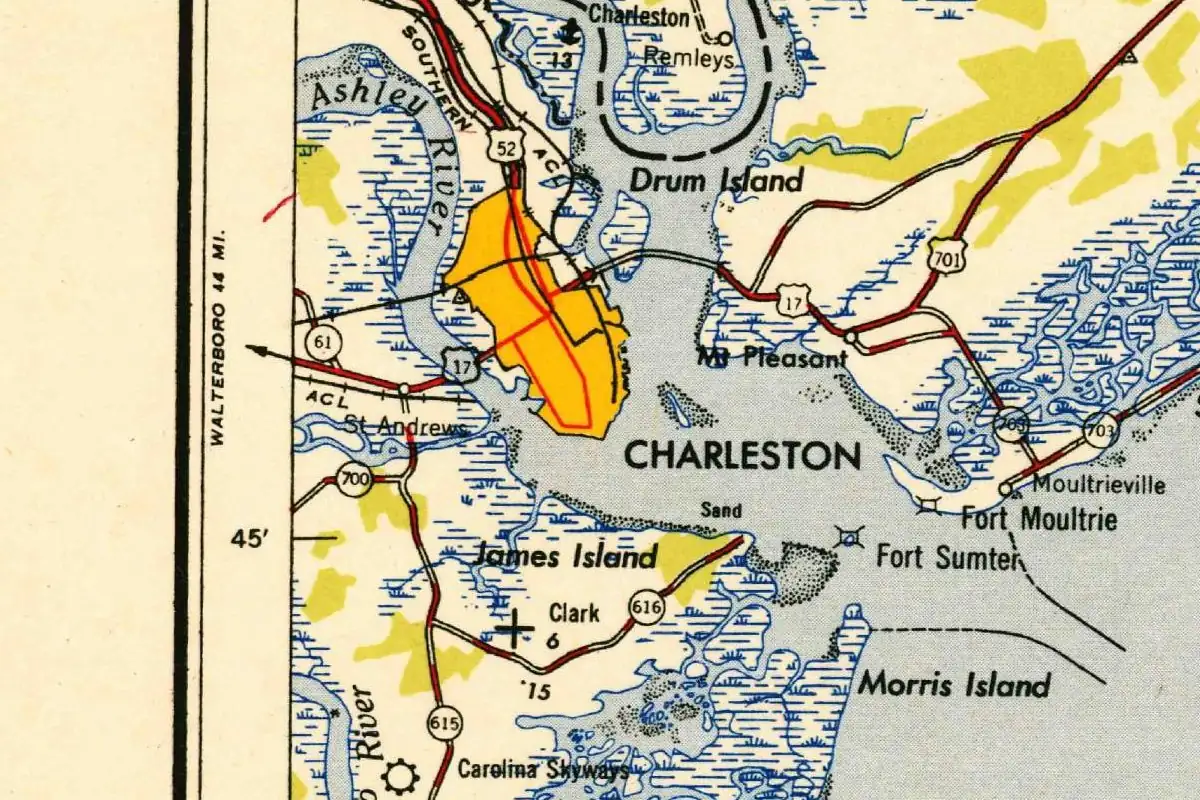 Charleston County, SC
For more than a century, Charleston, South Carolina, was called Charles Town, after King Charles II of England.
DocumentedWas Charles Town for more than a century. A 1783 act incorporated it as the city of Charleston. Source: The Statutes at Large of South Carolina, vol. 7 (1840), Act No. 1191 (1783)
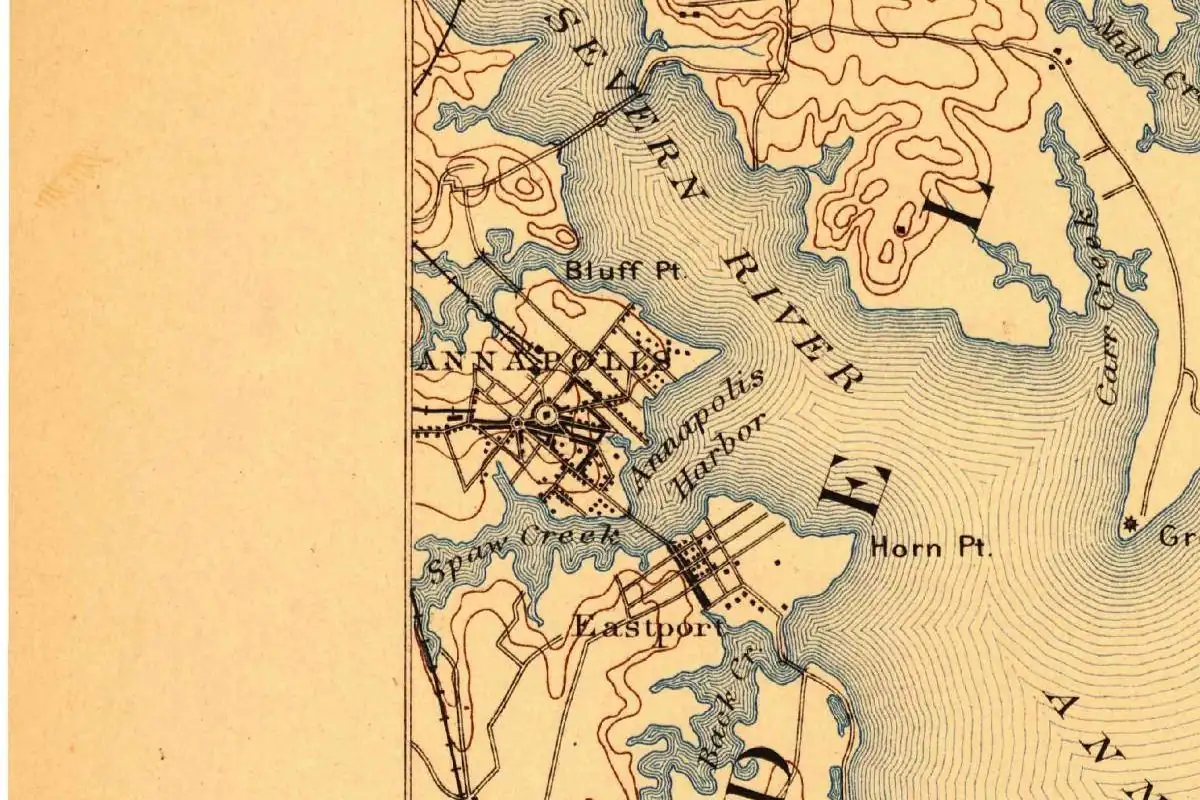 Anne Arundel County, MD
When Maryland's new capital took the name Annapolis in 1695, the Anne it honored wasn't a queen yet. She was Princess Anne, seven years from the throne.
DocumentedWent from Providence to the Town at Proctor's to Ann-Arundel Town, and in 1695 a law made it Annapolis "and by no other Name." Source: Elihu S. Riley, "The Ancient City": A History of Annapolis (1887)
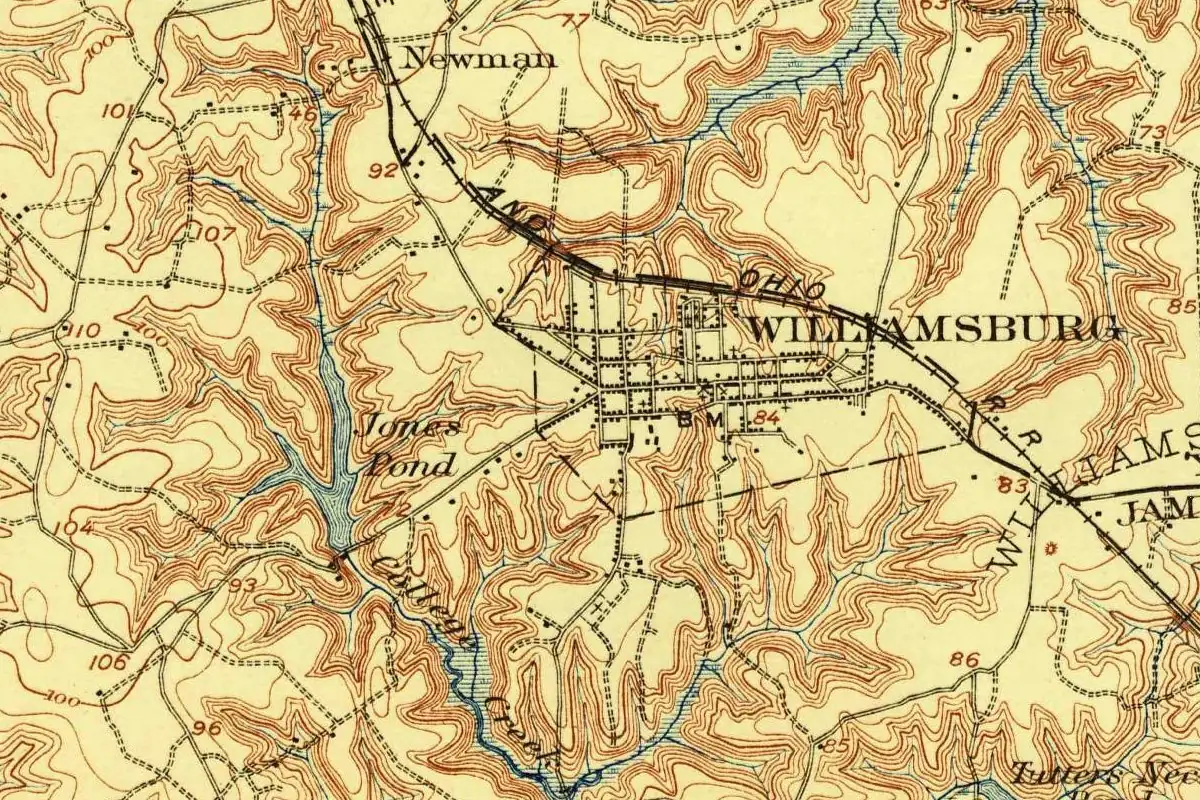 Independent city, VA
Williamsburg, Virginia, spent over 60 years as Middle Plantation, until the capital moved there from Jamestown and the town was renamed for King William.
DocumentedSpent more than 60 years as Middle Plantation, then became Williamsburg, for King William, when the capital moved there in 1699. Source: Lyon Gardiner Tyler, Williamsburg, the Old Colonial Capital (1907)
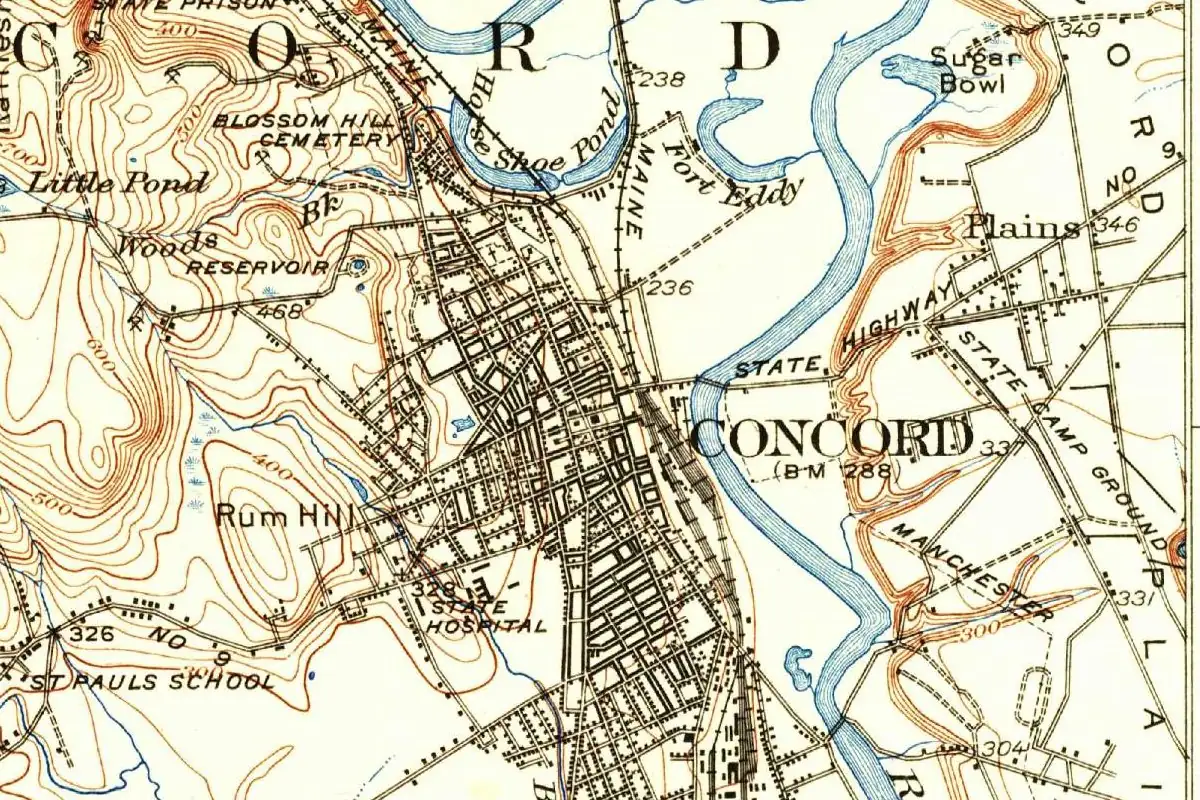 Merrimack County, NH
Concord, New Hampshire, got its name in 1765, after decades of fighting with Bow over the land, and the old histories don't say why it was picked.
DocumentedSettled as Penacook and incorporated as Rumford in 1733. New Hampshire incorporated it as Concord on June 7, 1765. Source: Farmer and Moore, A Gazetteer of the State of New-Hampshire (1823)
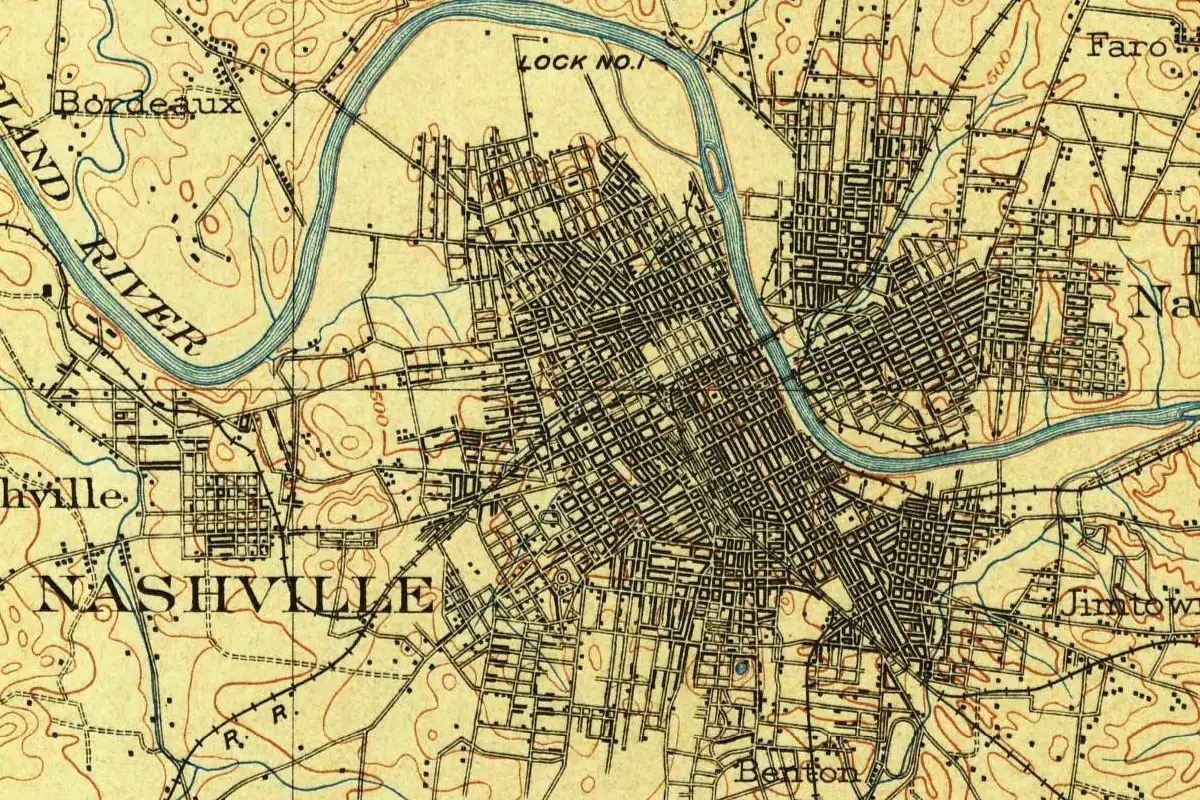 Davidson County, TN
Henry Gannett's 1905 place-name book said Nashville, Tennessee, honored Abner Nash, a governor, and only then mentioned General Francis Nash.
DocumentedThe 1780 fort and settlement were Nashborough. By 1784 the town was Nashville. Source: W. W. Clayton, History of Davidson County, Tennessee (1880)
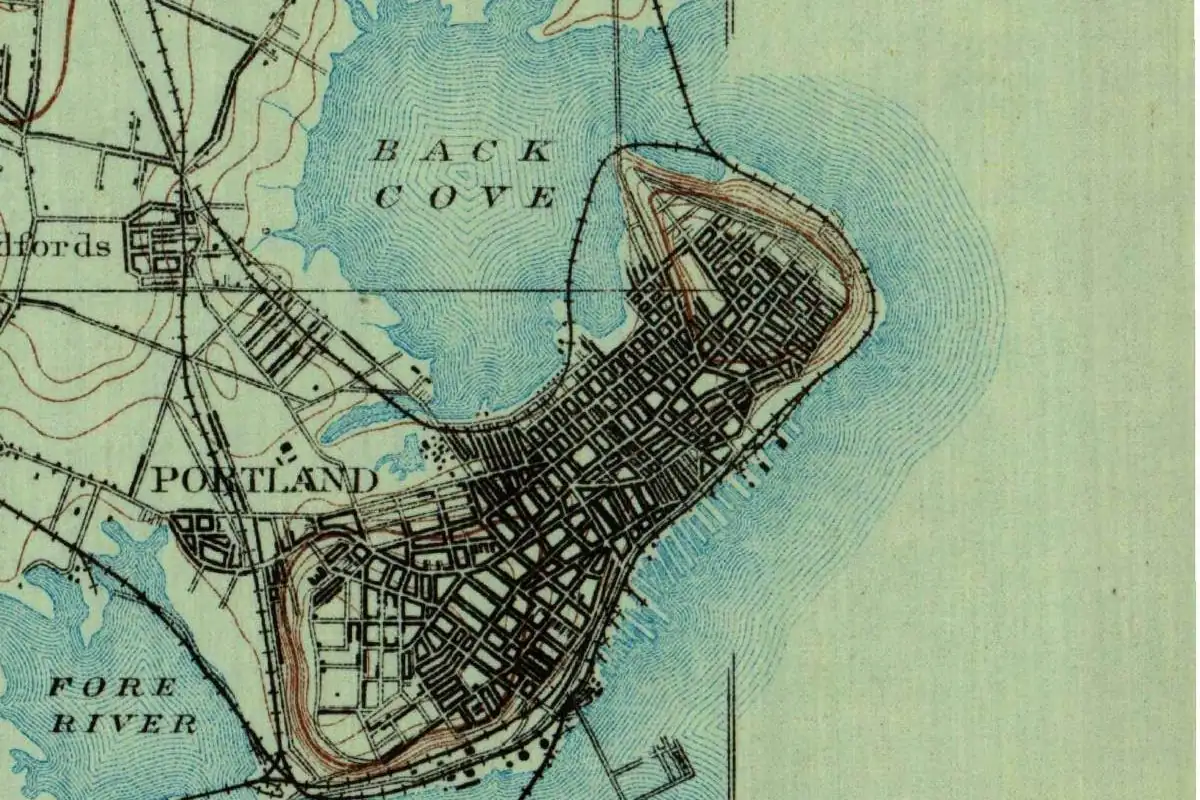 Cumberland County, ME
When Portland, Maine, split off from the town of Falmouth in 1786, it could just as easily have been called Casco or Falmouthport.
DocumentedWas Falmouth Neck, part of the town of Falmouth, until it split off as its own town, Portland, in 1786. Source: William Willis, The History of Portland (1865)
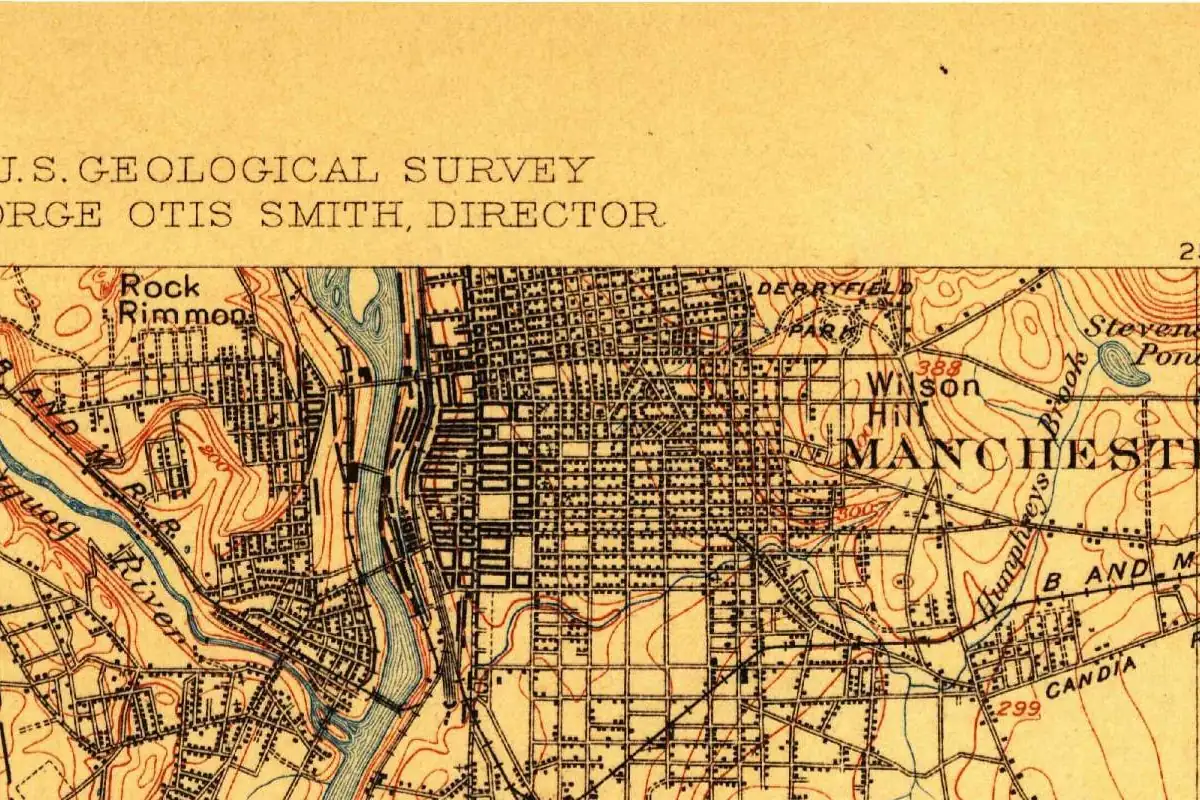 Hillsborough County, NH
Manchester, New Hampshire, owes its name to a prediction: Judge Samuel Blodget liked to say Derryfield was "destined to become the Manchester of America."
DocumentedWas Derryfield until 1810, when the legislature changed the name to Manchester, after the English mill town. Source: C. E. Potter, The History of Manchester, Formerly Derryfield (1856)
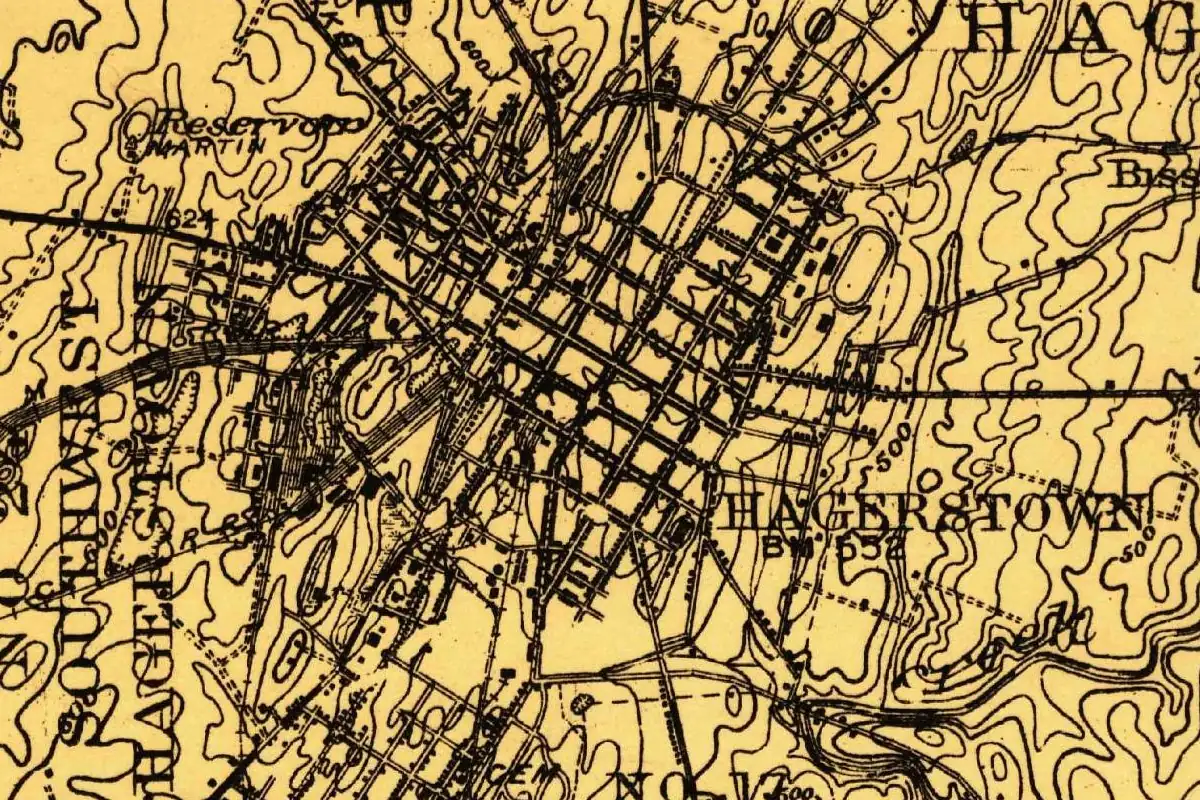 Washington County, MD
For more than 50 years, Hagerstown, Maryland, was officially Elizabeth Town, named by Jonathan Hager for his wife. People called it after him anyway.
DocumentedJonathan Hager laid it out in 1762 as Elizabeth Town, for his wife. People called it Hagerstown anyway, and in 1814 that became official. Source: J. Thomas Scharf, History of Western Maryland, vol. 2 (1882)
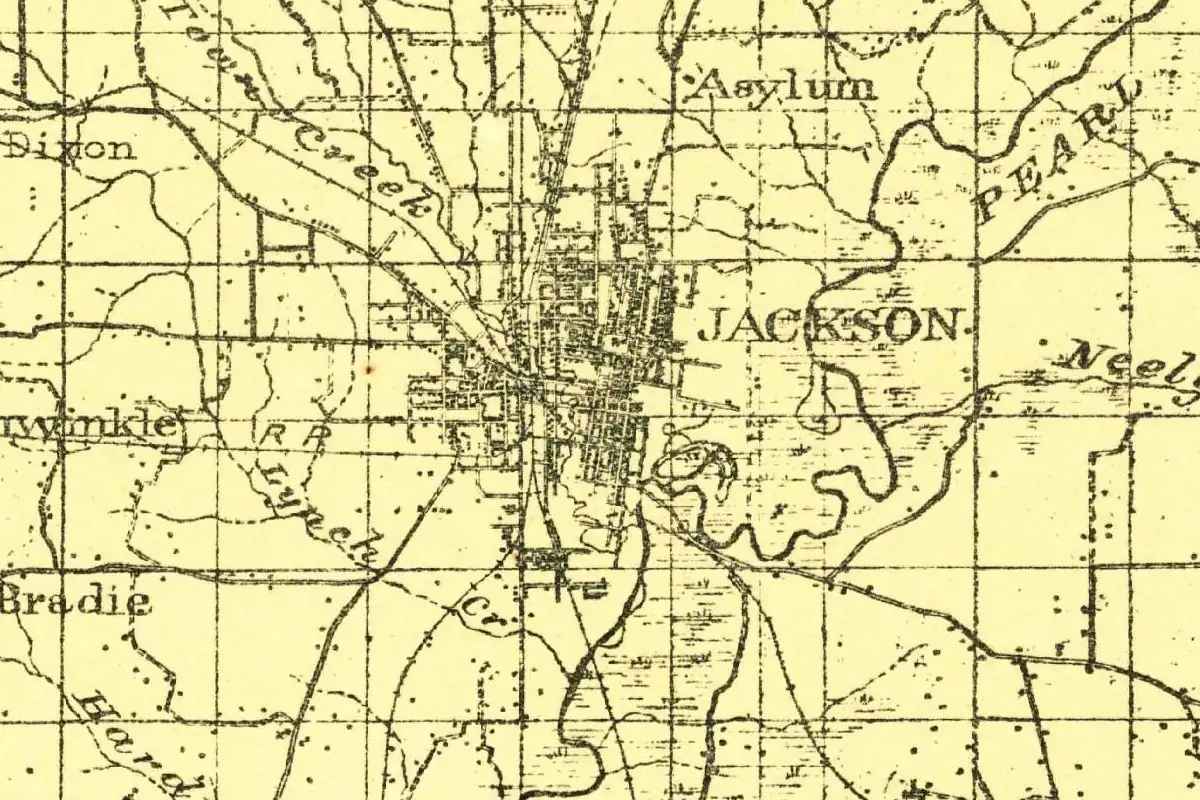 Hinds County, MS
The men sent to find a capital near Mississippi's center in 1821 picked a bluff about 35 miles (56 km) south of it, and the town there became Jackson.
DocumentedIn 1821 Mississippi picked LeFleur's Bluff for its new capital, and the law that set up the town named it Jackson, for Andrew Jackson. Source: Dunbar Rowland, ed., Mississippi, vol. 1 (1907)
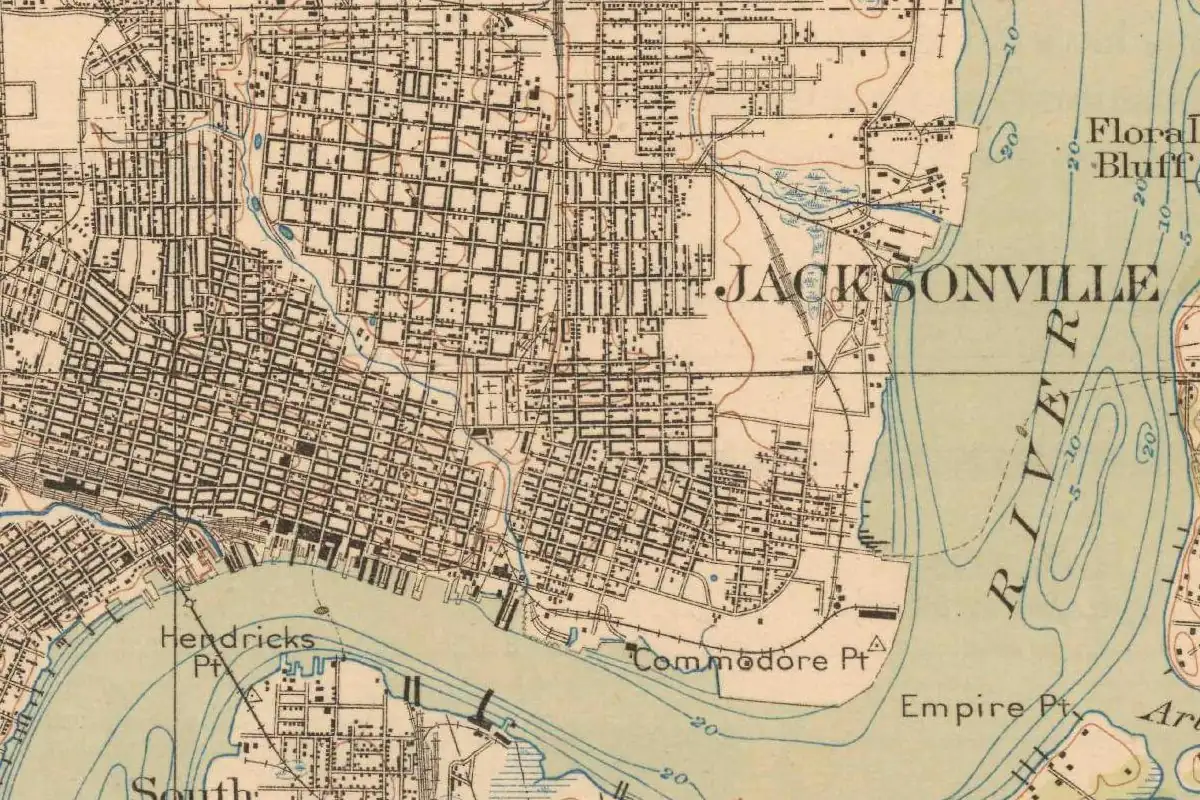 Duval County, FL
Before Jacksonville, Florida, had a name, the spot on the St. Johns River was the Cow Ford, where cattle crossed. In 1822 it was named for Andrew Jackson.
DocumentedThe river crossing was known as the Cow Ford. In 1822 the new town was named for Andrew Jackson. Source: Thomas Frederick Davis, History of Early Jacksonville, Florida (1911)
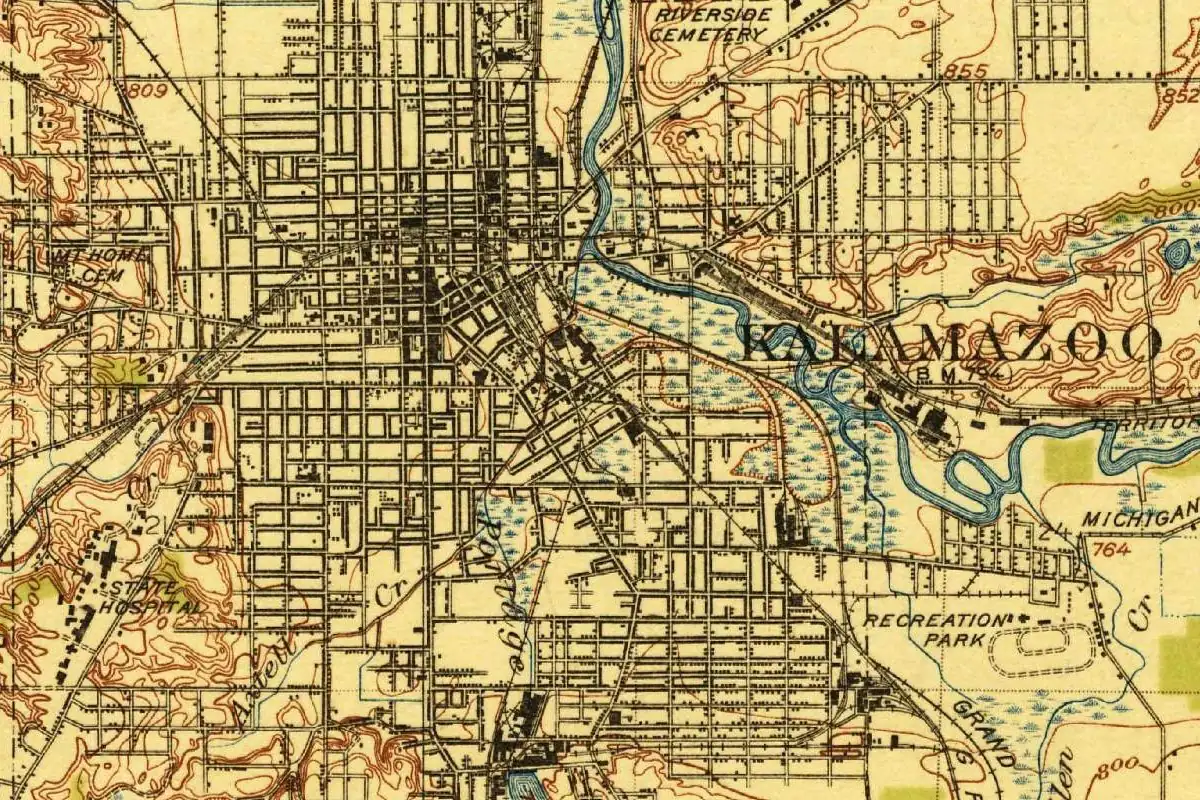 Kalamazoo County, MI
Kalamazoo, Michigan, was called Bronson, after its first settler, until the Legislature swapped his name for the river's in 1836.
DocumentedWas Bronson, for its first settler, until the legislature swapped in the river's name in March 1836. Source: Samuel W. Durant, History of Kalamazoo County, Michigan (1880)
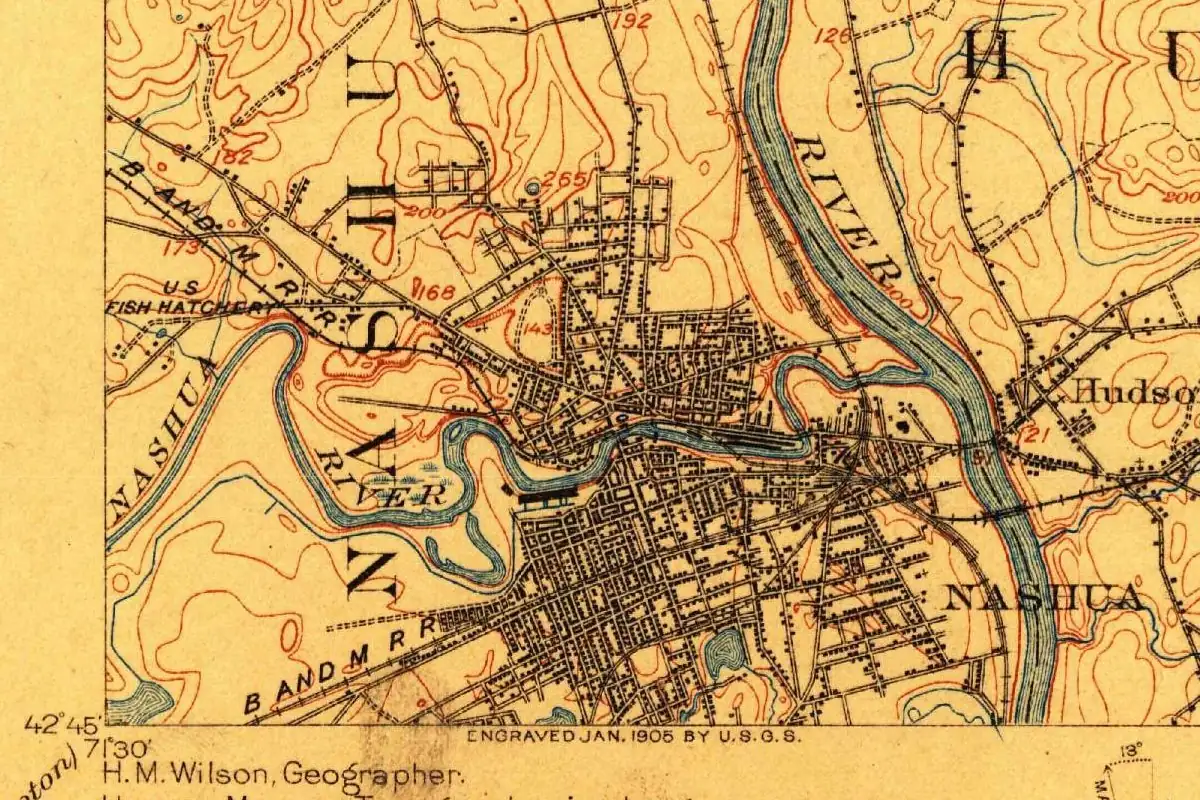 Hillsborough County, NH
Nashua, New Hampshire, was called Dunstable until 1837, when it took the name of its river to tell itself apart from its neighbor, "t'other Dunstable."
DocumentedWas Dunstable until January 1, 1837, when it took the name of its river to tell itself apart from the other Dunstable. Source: Charles J. Fox, History of the Old Township of Dunstable (1846)
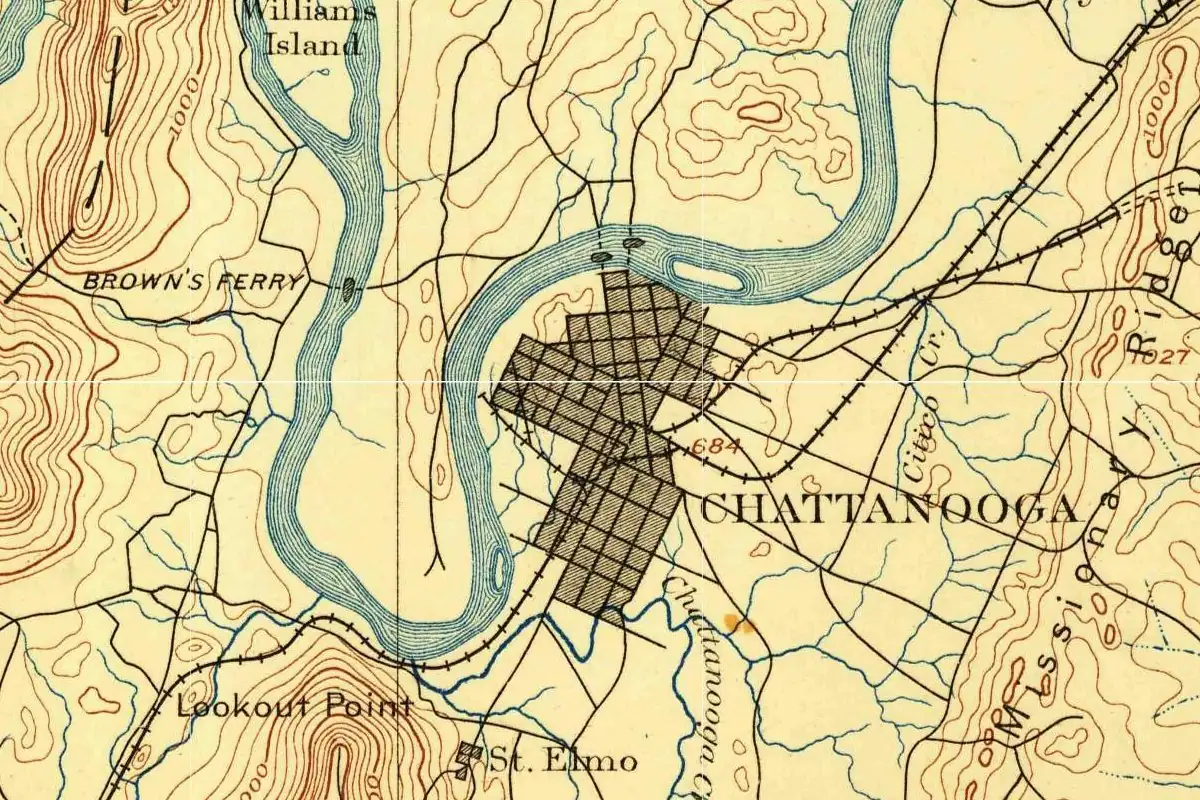 Hamilton County, TN
Chattanooga, Tennessee, took a Native name in 1838, but Cherokee speakers told James Mooney it wasn't a Cherokee word and had no meaning in their language.
DocumentedWas Ross's Landing, a river landing, until 1838, when it took the name Chattanooga. Source: George C. Connor, Historical Guide to Chattanooga and Lookout Mountain (1889)
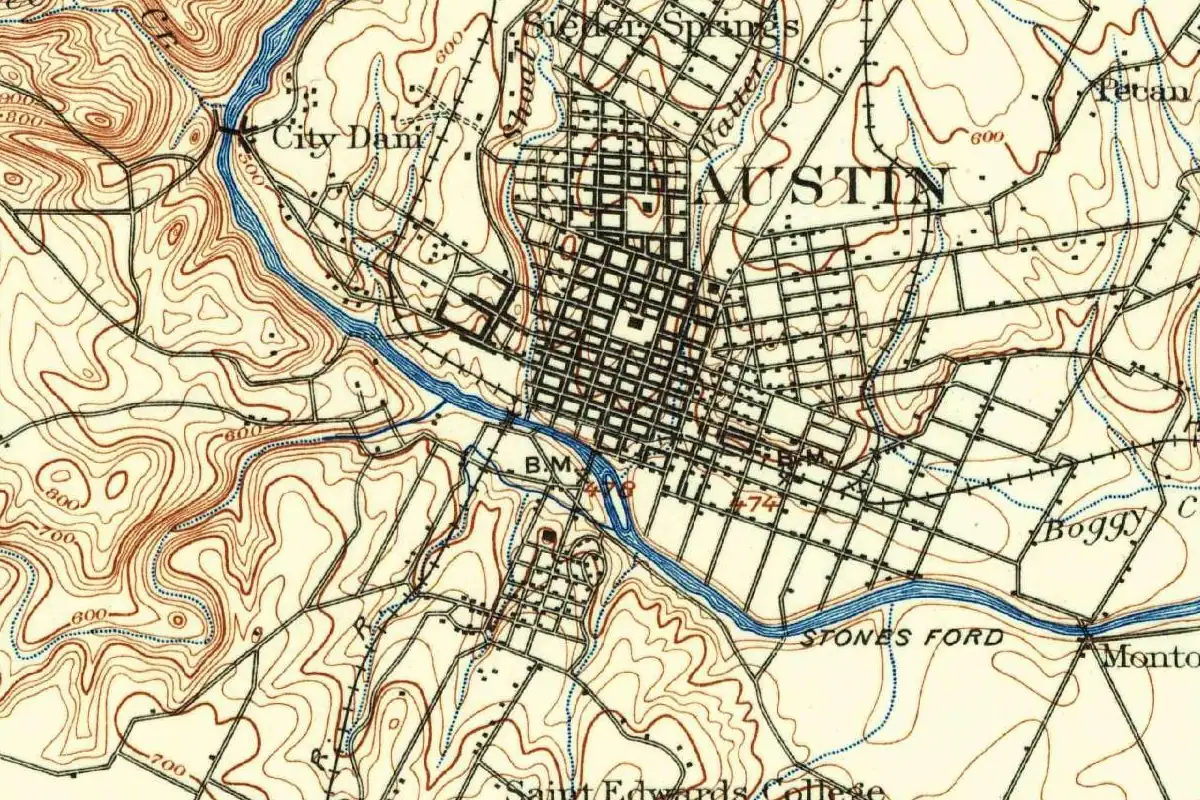 Travis County, TX
Austin, Texas, got its name by law in January 1839, before anyone had picked the spot where the new capital would stand.
DocumentedThe spot picked for the new Texas capital in 1839 was the little town of Waterloo. The law had already named the capital Austin. Source: Ernest William Winkler, "The Seat of Government of Texas," Quarterly of the Texas State Historical Association, vol. 10 (1907)
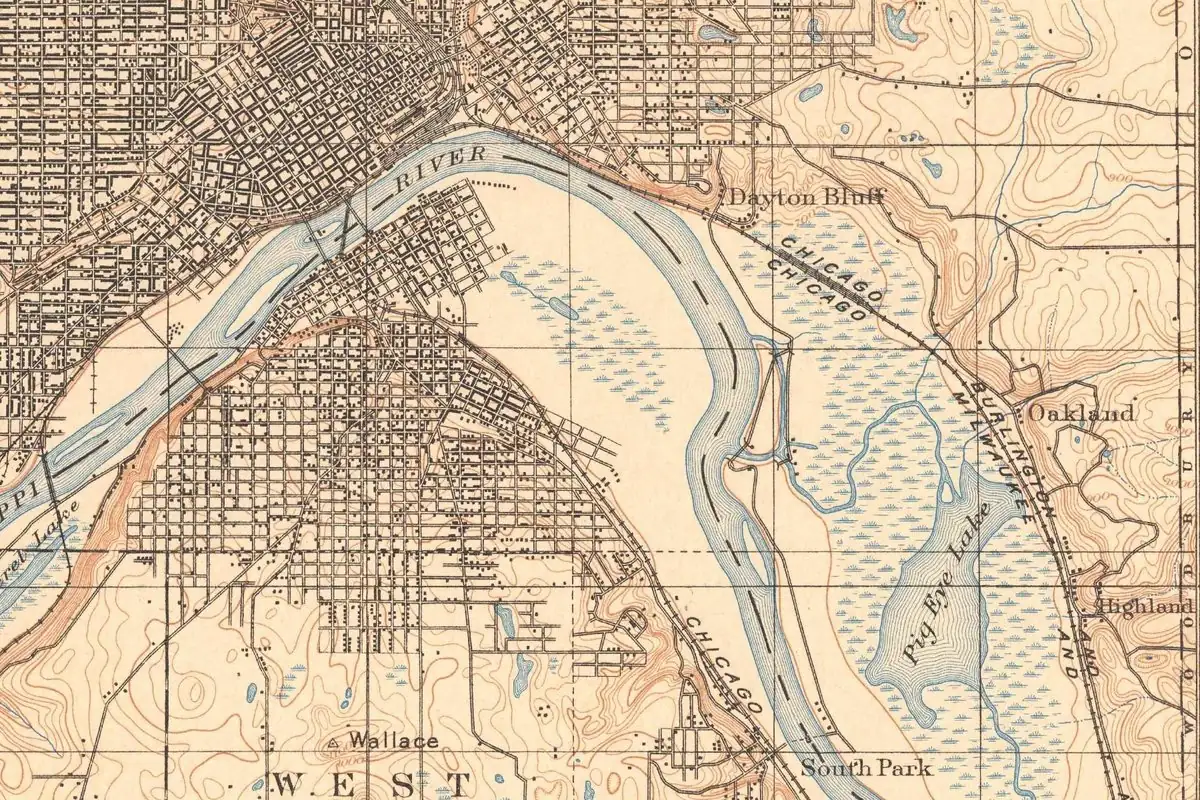 Ramsey County, MN
Before Saint Paul, Minnesota, had a saint's name, the place was called Pig's Eye, after a one-eyed whiskey seller named Pierre Parrant.
DocumentedWas Pig's Eye, after a one-eyed whiskey seller, until a priest built a chapel to Saint Paul in 1841 and the name moved to the town. Source: J. Fletcher Williams, A History of the City of Saint Paul (1876)
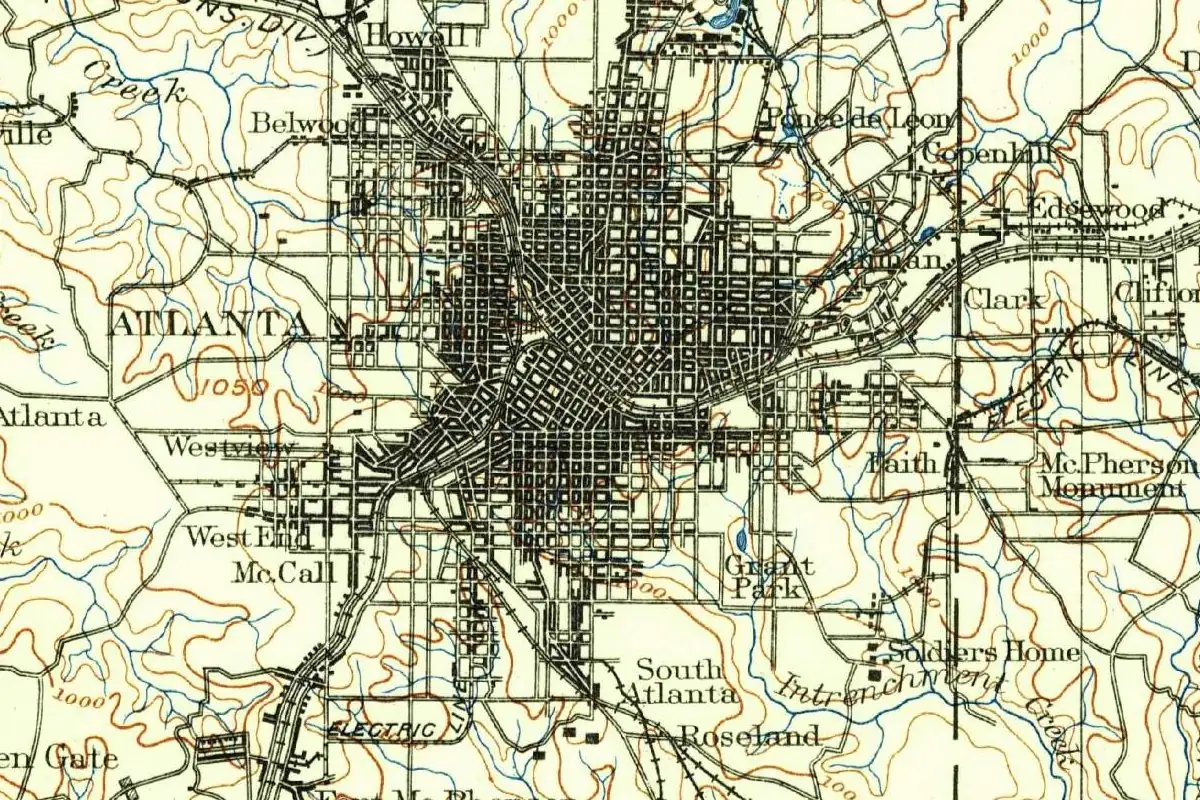 Fulton County, GA
Atlanta, Georgia, was called Terminus and then Marthasville before a railroad engineer coined its name from the word Atlantic.
DisputedWas Terminus, then Marthasville in 1843. In December 1847 the legislature made Atlanta official. Source: Lucian Lamar Knight, Georgia's Landmarks, Memorials and Legends, vol. 1 (1913)
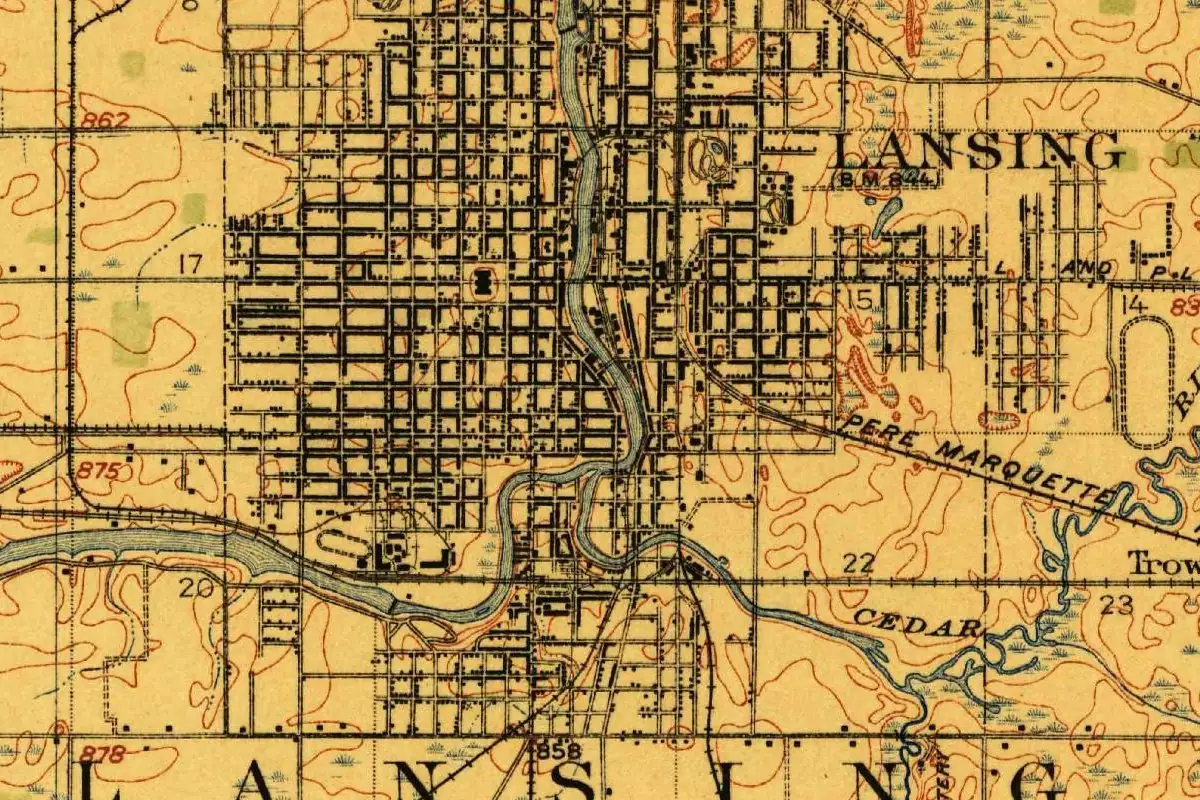 Ingham County, MI
For its first months as the capital, Lansing, Michigan, was officially the Town of Michigan. Its real name came from New York, by way of a paper town.
DocumentedFor its first months as the state capital it was officially the Town of Michigan. The name Lansing came on April 3, 1848. Source: Albert E. Cowles, Past and Present of the City of Lansing and Ingham County, Michigan (1905), p. 60
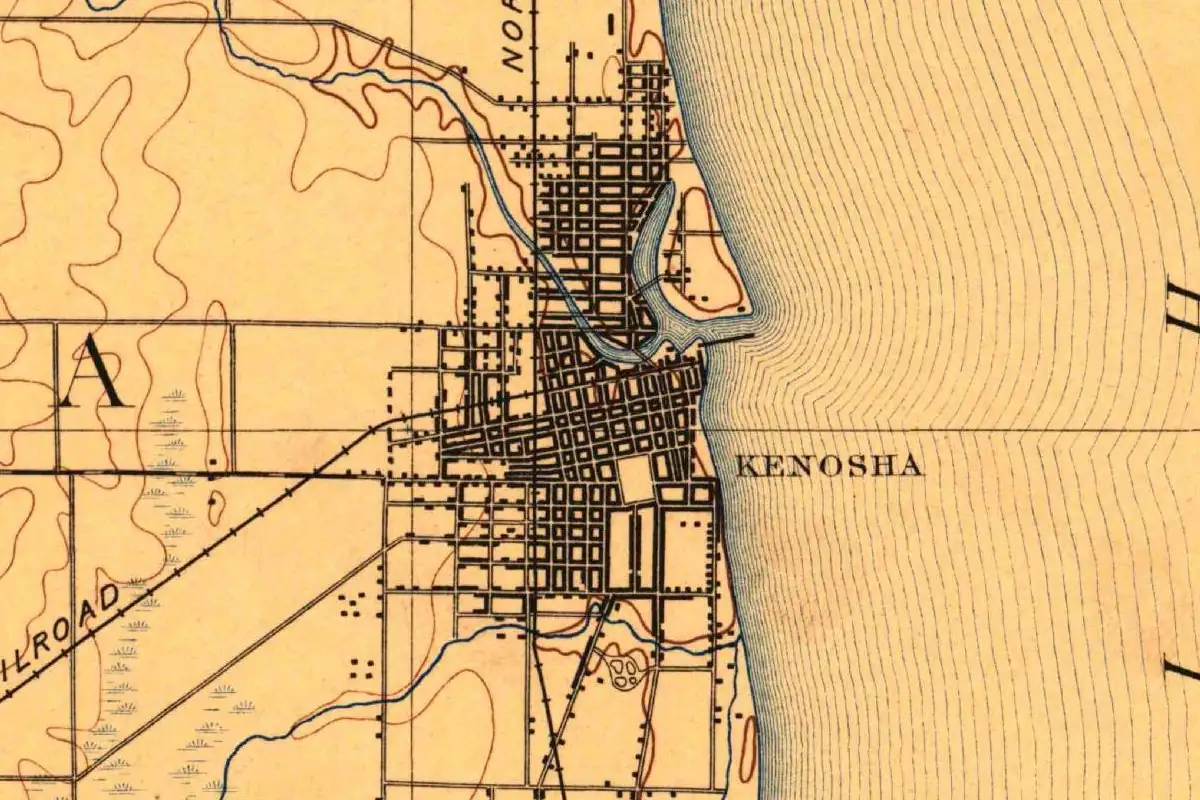 Kenosha County, WI
Kenosha, Wisconsin, went by Pike and then Southport for 15 years before it took the Indian name of its creek, a word said to mean pike.
DocumentedWent by Pike and then Southport before it became the city of Kenosha in 1850. Source: The History of Racine and Kenosha Counties, Wisconsin (1879)
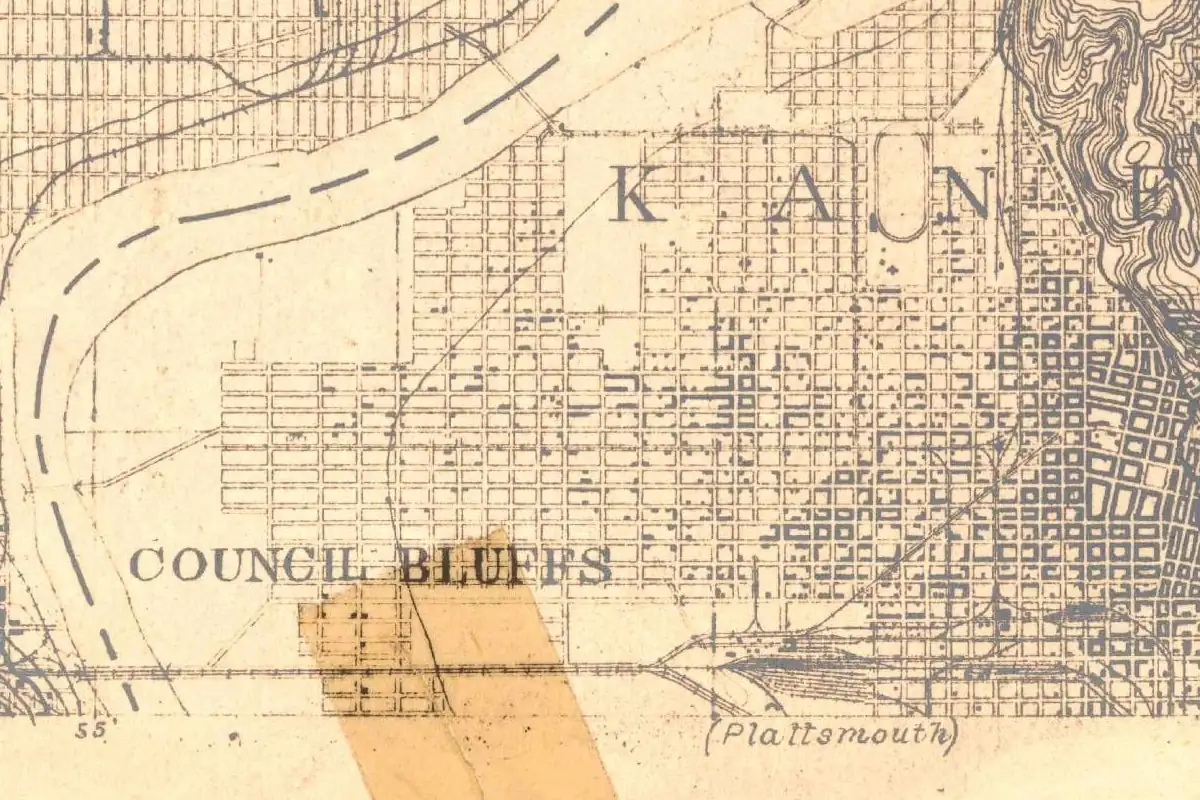 Pottawattamie County, IA
Council Bluffs, Iowa, borrowed its name in 1853 from a council Lewis and Clark held in 1804, and the bluffs where they held it may not be in Iowa at all.
DocumentedWas Kanesville until a city charter in 1853 named it Council Bluffs, "and Kanesville disappeared." Source: Field and Reed, History of Pottawattamie County, Iowa, vol. 1 (1907)
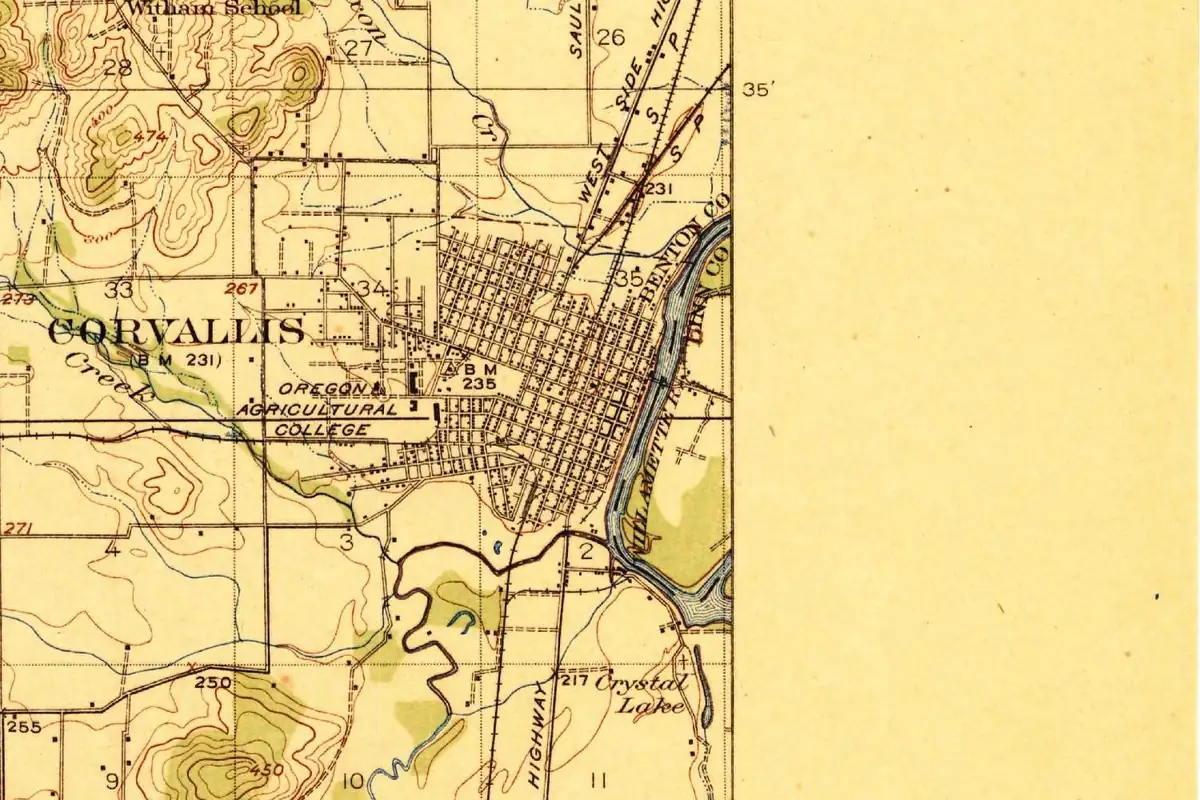 Benton County, OR
Corvallis, Oregon, was Marysville until 1853, when a new name meaning "the heart of the valley" ended the mix-ups with Marysville, California.
DocumentedWas Marysville until 1853, when it took a Latin-made name to stop mix-ups with Marysville, California. Source: Corvallis History (City of Corvallis)
 Sevier County, TN
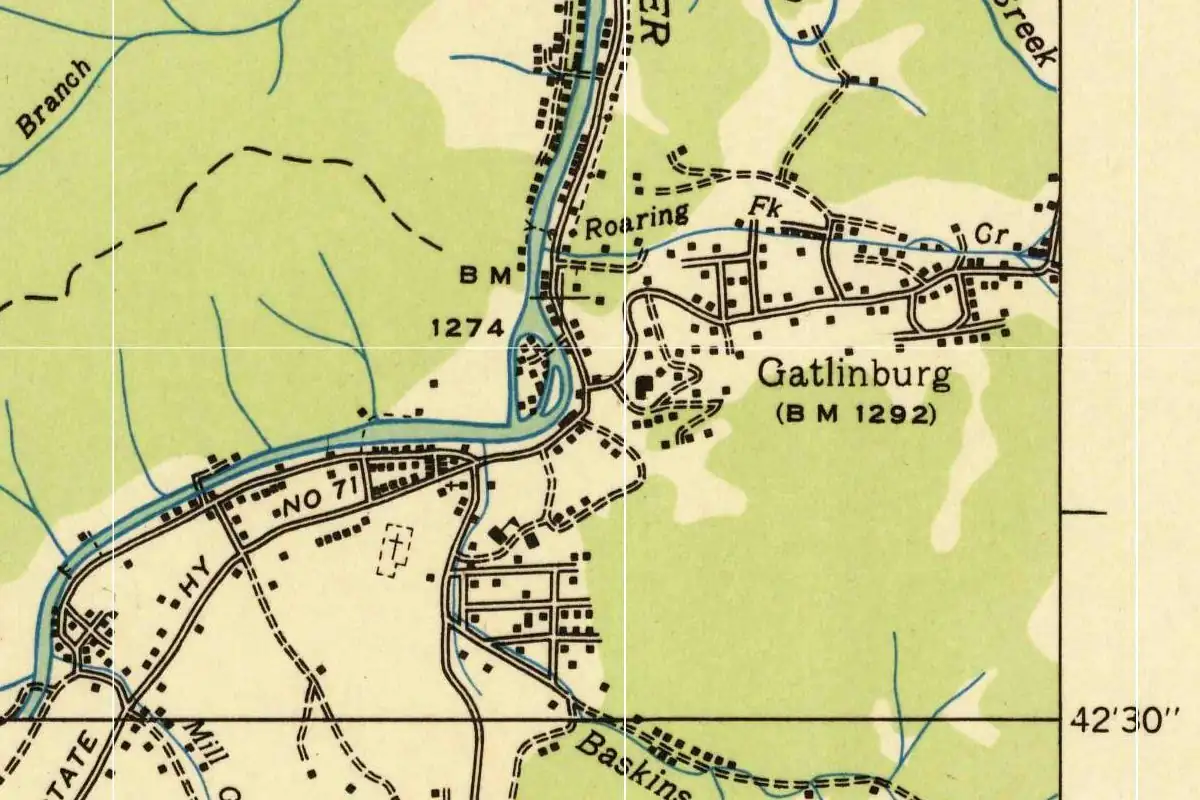
Gatlinburg, Tennessee, carries the name of Radford Gatlin, a storekeeper who lived there only four or five years and left after a feud with his neighbors.
DocumentedWas the White Oak Flats community until 1856, when the post office in Radford Gatlin's store got the name Gatlinburg. Source: "Sevier County," Tennessee Encyclopedia (Tennessee Historical Society)
 Lancaster County, NE
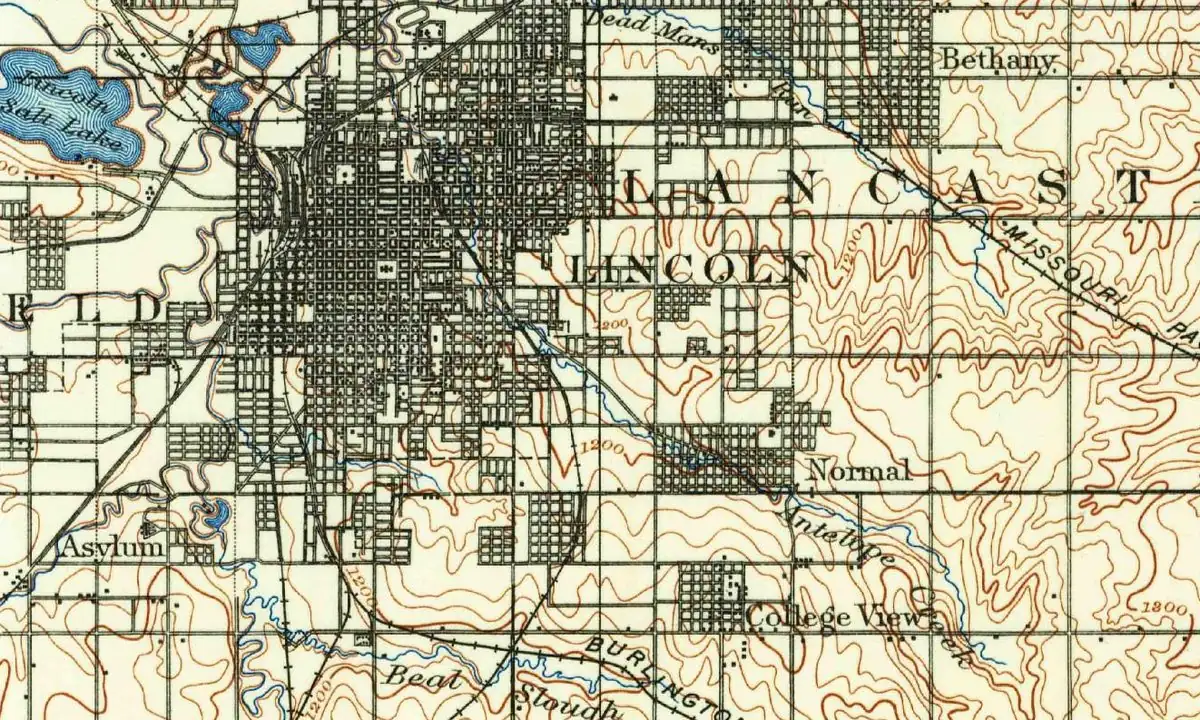
Lincoln, Nebraska, is named for Abraham Lincoln, but an 1889 history says the name began as an Omaha senator's trick to keep the capital. It backfired.
DocumentedWas Lancaster until 1867, when the site was picked for Nebraska's capital and named Lincoln, for the president. Source: Lilian Linder Fitzpatrick, Nebraska Place-Names (University of Nebraska, 1925)
 Washoe County, NV
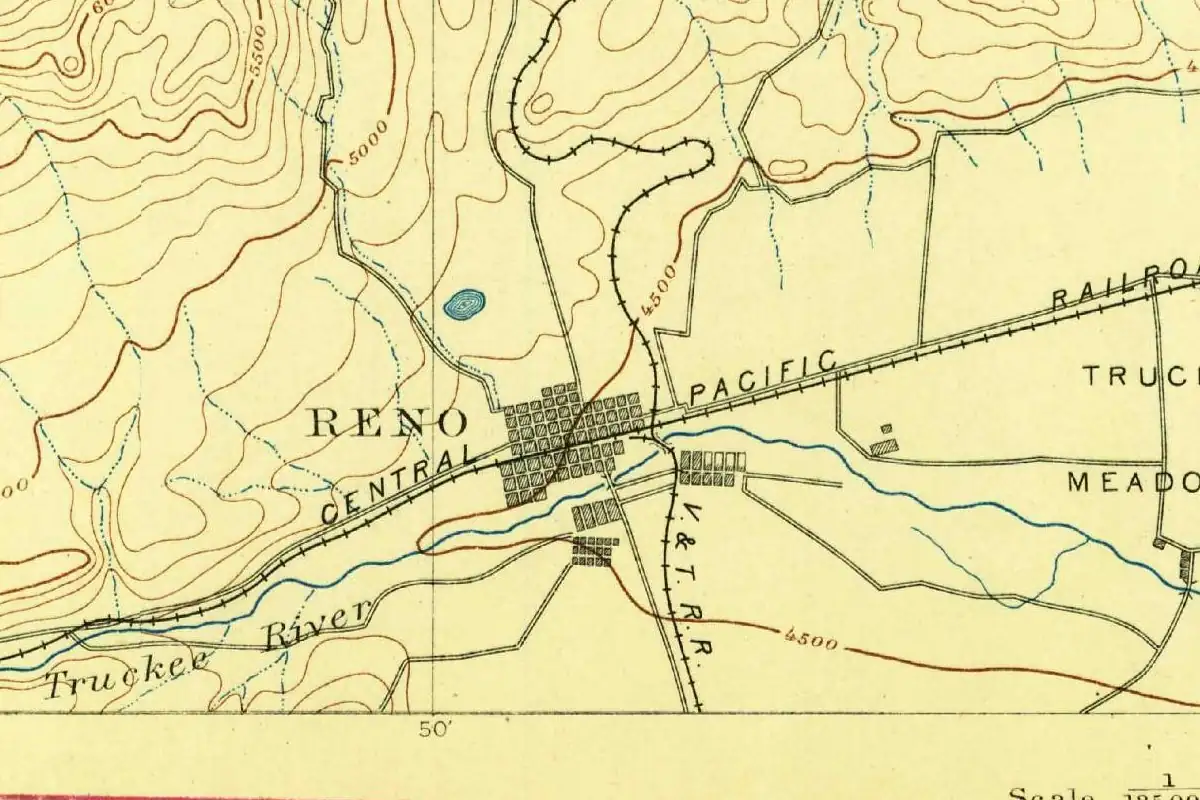
Before it was Reno, Nevada, it was Lake's Crossing, a toll bridge on the Truckee River. In 1868 the railroad's new town took the name of Gen. Jesse Reno.
DocumentedWas Lake's Crossing, a toll bridge on the Truckee River, until the railroad laid out a town there in 1868 and named it Reno. Source: Myron Angel, ed., History of Nevada (1881)
 Lafayette Parish, LA
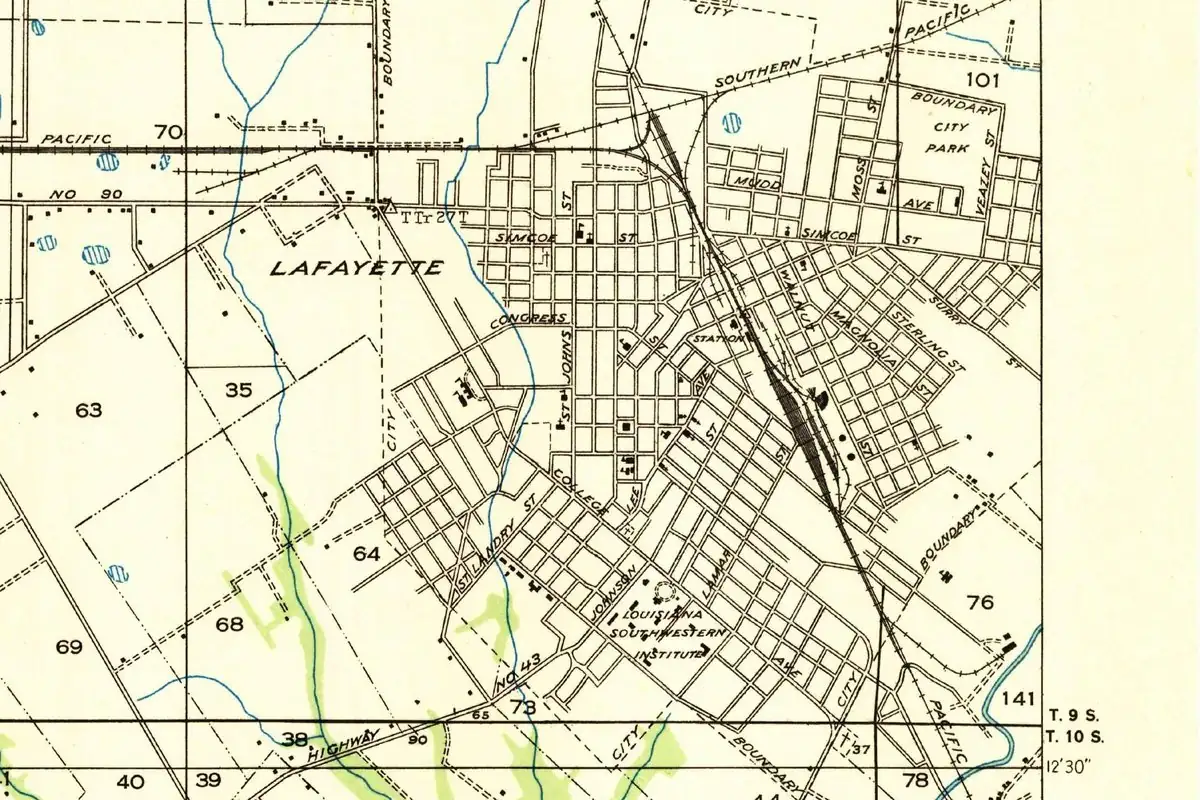
For its first 60 years on paper, Lafayette, Louisiana, was Vermilionville. It took its parish's name, which honors the Marquis de Lafayette, only in 1884.
DocumentedA law of 1824 named the town Vermilionville. In 1884 it took the name of its parish, Lafayette. Source: Alcée Fortier, ed., Louisiana, vol. 2 (1914)
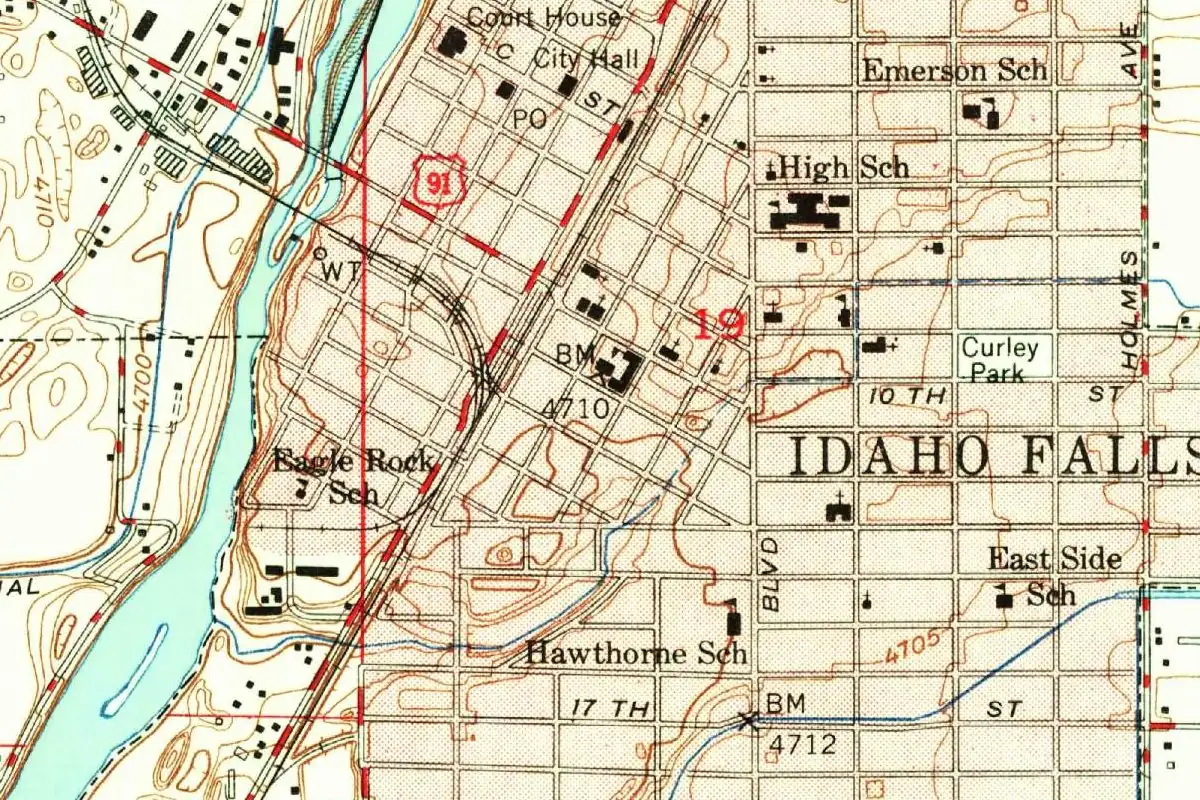 Bonneville County, ID
Before it was Idaho Falls, Idaho, this Snake River town was Eagle Rock, named for a rock in the river where eagles nested every year.
DocumentedWas Eagle Rock, for a rock in the Snake River where eagles nested, until 1890. Source: James H. Hawley, ed., History of Idaho, vol. 1 (1920)
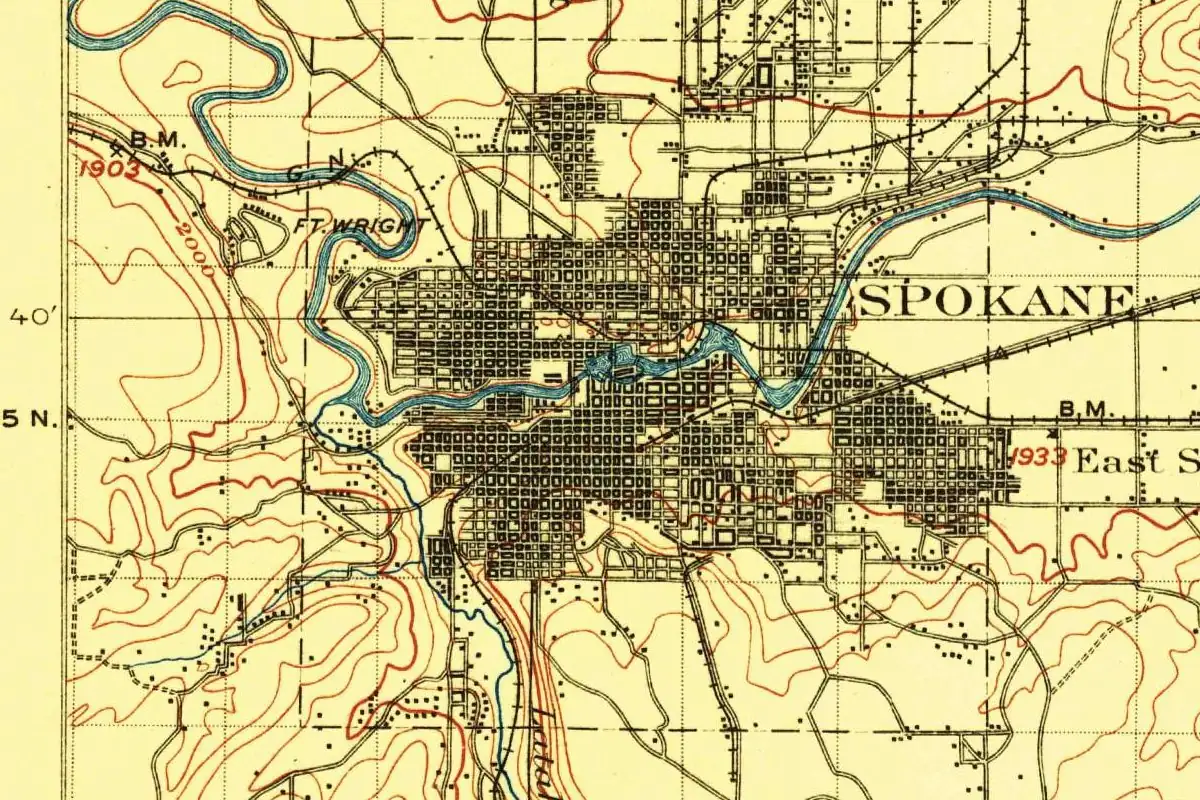 Spokane County, WA
Spokane, Washington, was officially Spokane Falls for years and didn't drop the "Falls" until 1890.
DocumentedIts official name was Spokane Falls for years before the city dropped the "Falls." Source: Edmond S. Meany, Origin of Washington Geographic Names (1923)
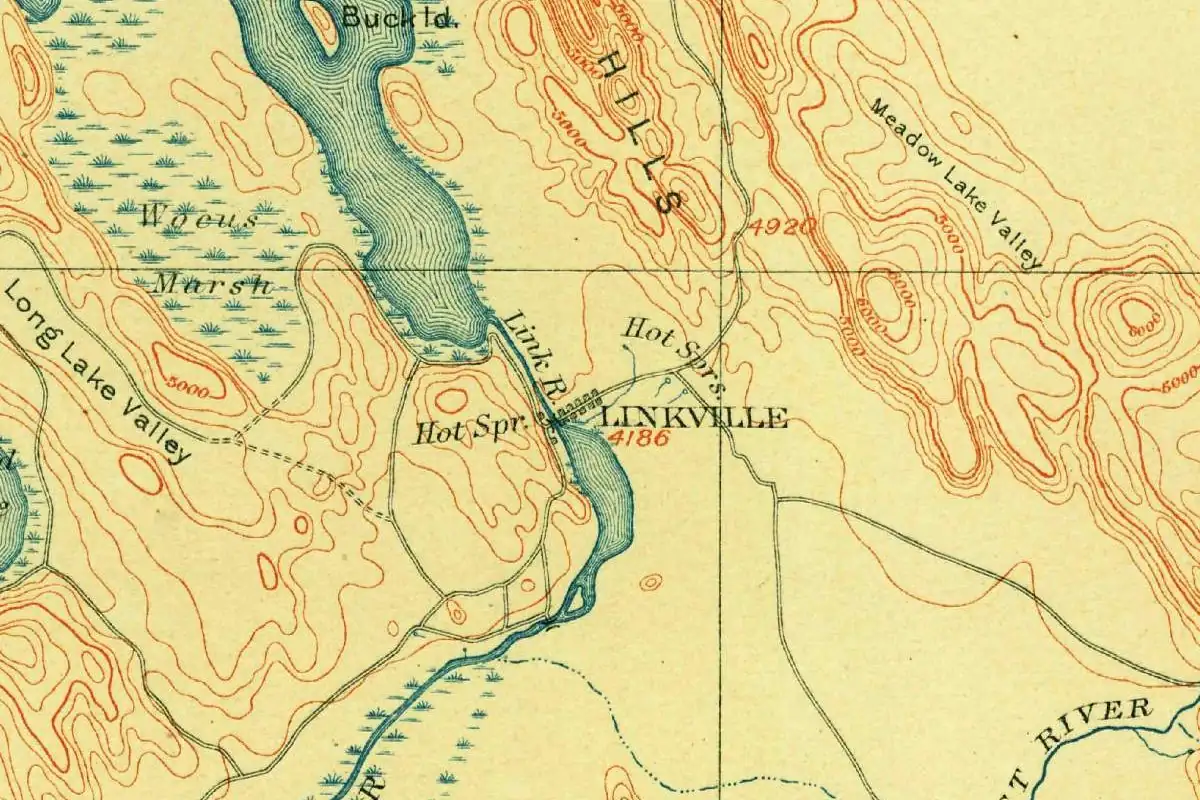 Klamath County, OR
Klamath Falls, Oregon, was Linkville for 25 years, until a county surveyor argued in 1891 that a town by a waterfall should have the falls in its name.
DocumentedWas Linkville for about 25 years. The post office became Klamath Falls in 1892 and the town followed in 1893. Source: An Illustrated History of Central Oregon (1905)
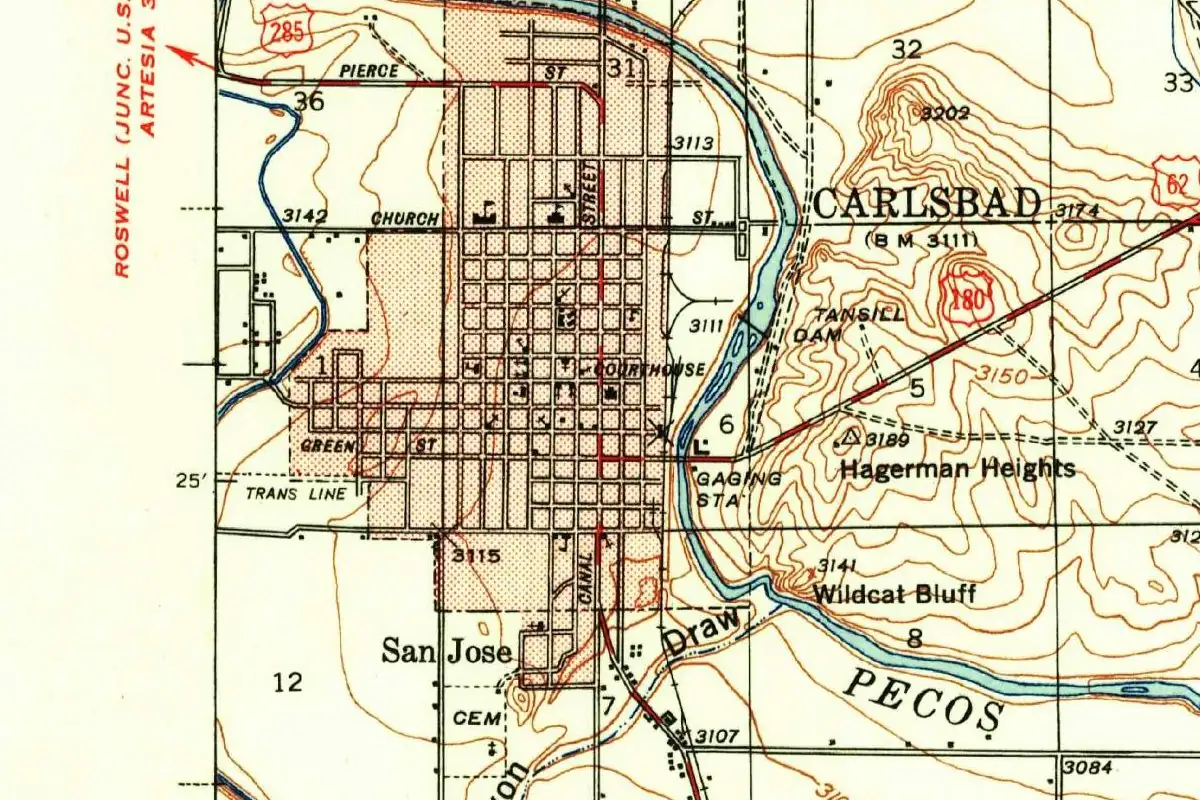 Eddy County, NM
Carlsbad, New Mexico, began as Eddy, until a retired Chicago cigar man named some local springs after a European spa and talked the town into following.
DocumentedBegan as Eddy, until its people voted to take the name of the European spa that its springs were named after. Source: History of New Mexico: Its Resources and People, vol. 2 (1907)
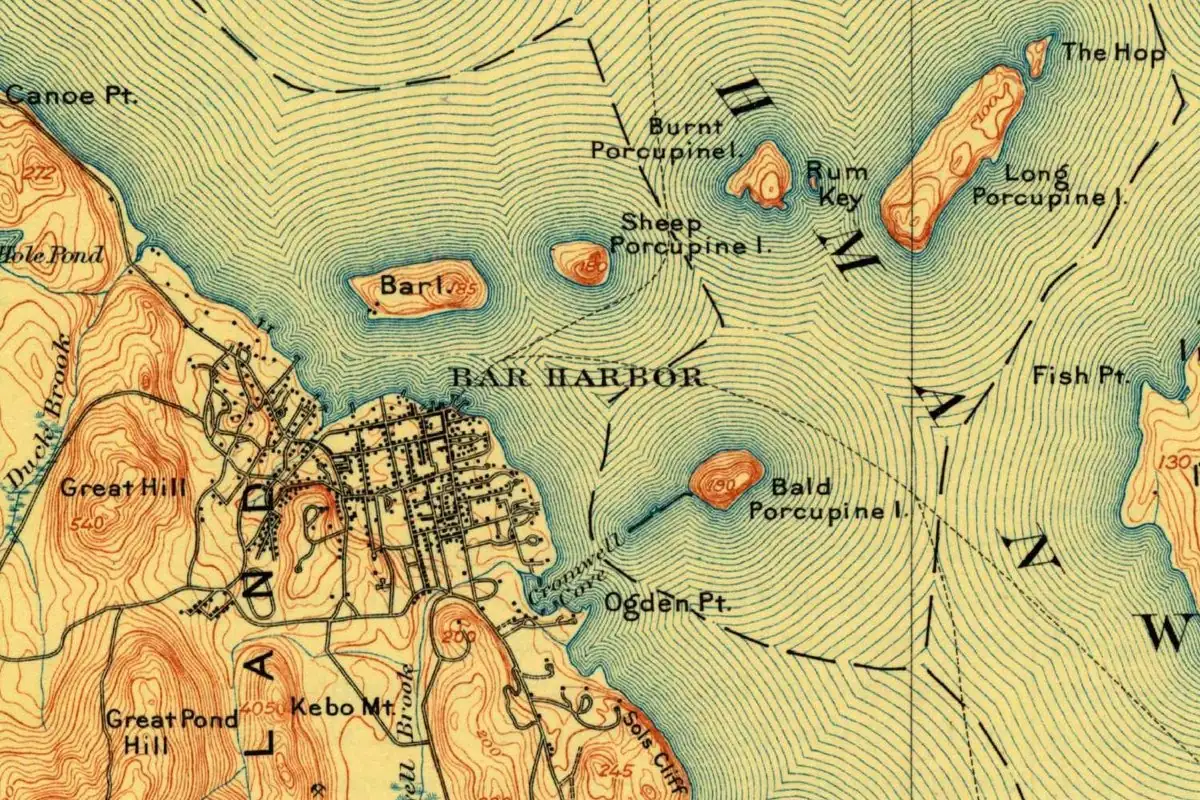 Hancock County, ME
Bar Harbor, Maine, takes its name from a sandbar that rises out of the water at low tide and lets you walk out to Bar Island.
DocumentedThe village of Bar Harbor sat in the town of Eden. In 1918 the whole town took the village's name. Source: Bar Harbor Historical Society, Town History
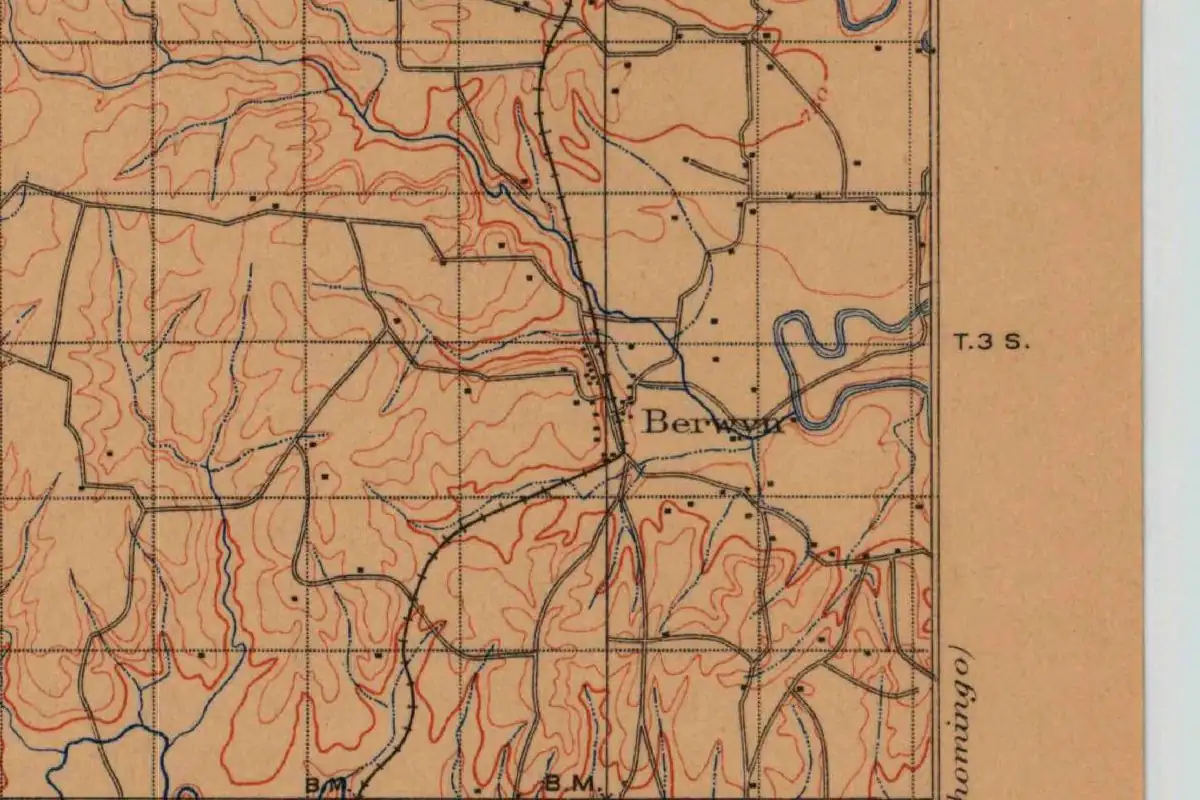 Carter County, OK
Before it took the name of a singing cowboy in 1941, the little town of Gene Autry, Oklahoma, had already been Lou, Dresden and Berwyn.
DocumentedWas Berwyn until November 16, 1941, when it officially became Gene Autry, for the radio and screen singing cowboy. Source: Historical Notes, Chronicles of Oklahoma, vol. 19, no. 4 (December 1941)
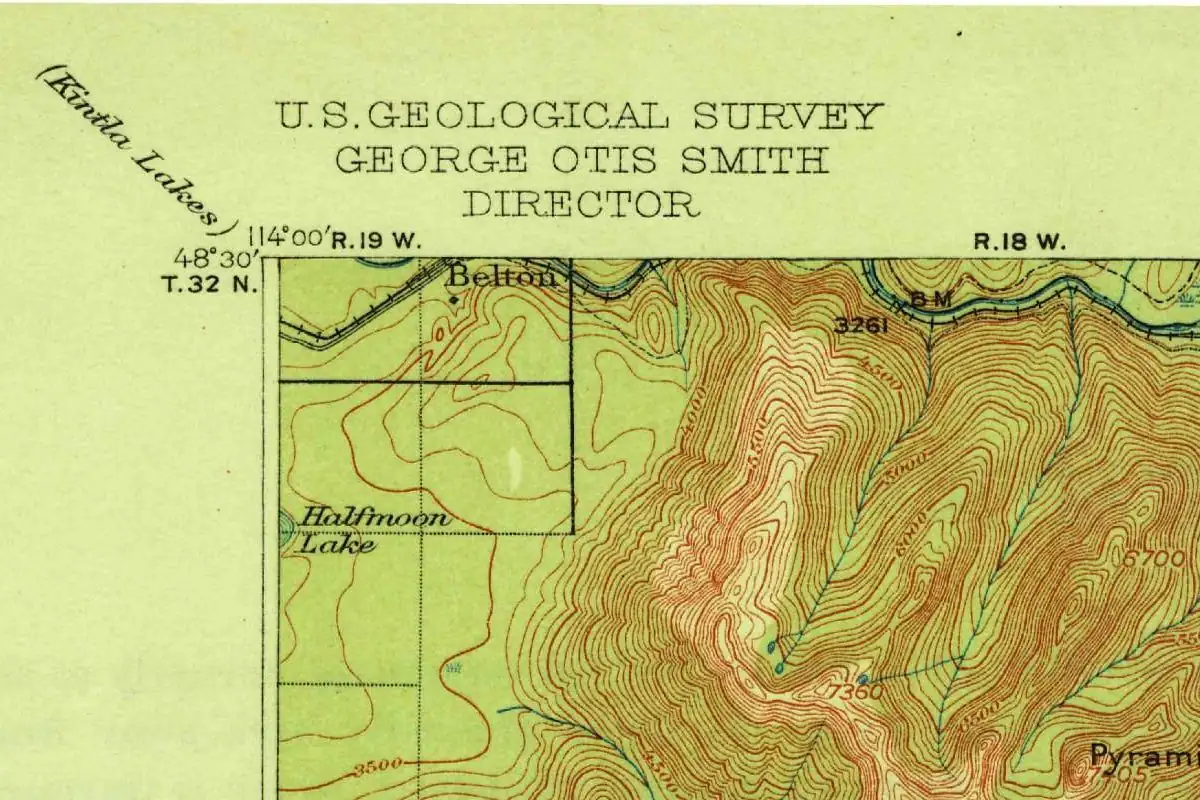 Flathead County, MT
West Glacier, Montana, was Belton until October 1, 1949, when it took a name that said where it sat: the west entrance to Glacier National Park.
DocumentedWas Belton until October 1, 1949, when it took a name that said where it sits: the west entrance to Glacier National Park. Source: Donald H. Robinson, Through the Years in Glacier National Park (NPS, 1960)
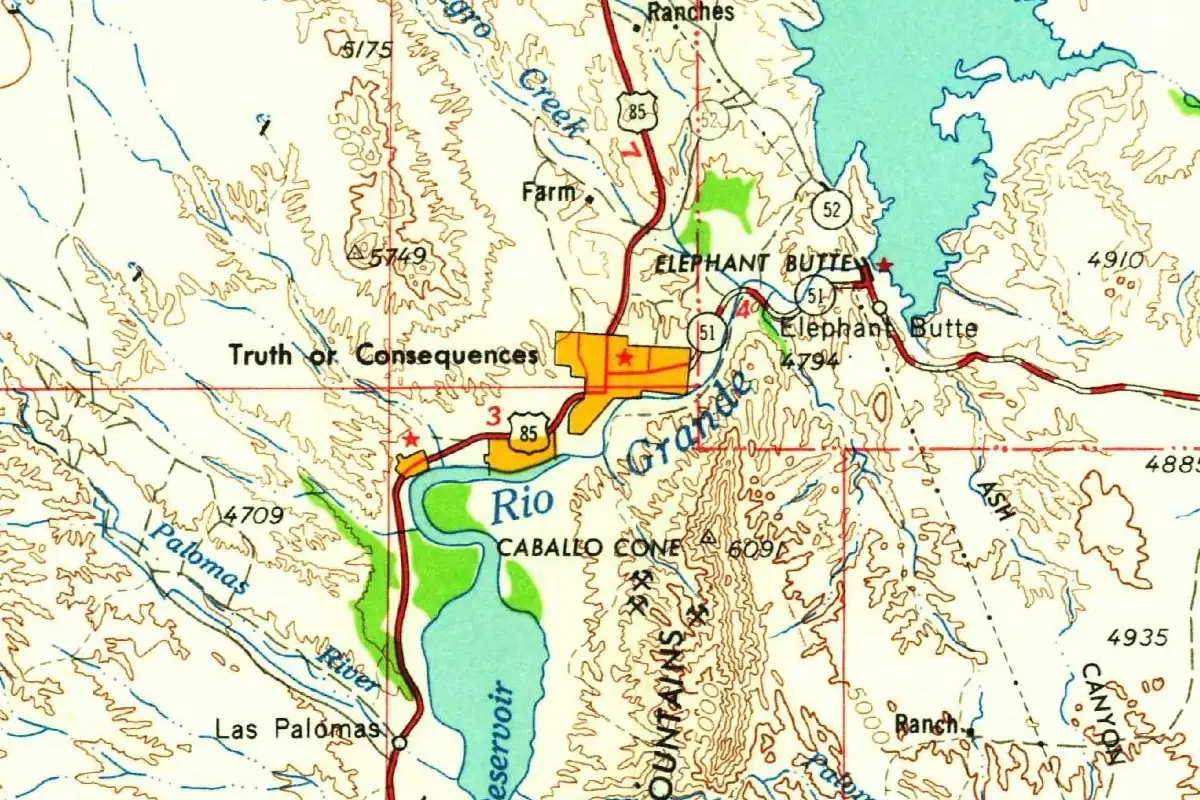 Sierra County, NM
Truth or Consequences, New Mexico, is named for a radio quiz show. Until 1950 it was Hot Springs, and its voters swapped names on a radio host's offer.
DocumentedWas Hot Springs until 1950, when voters took the name of a radio quiz show on its host's offer. Source: History of the Name (City of Truth or Consequences)
Sources for this page
- Records of the Colony and Plantation of New-Haven, from 1638 to 1649 (1857), p. 40 (accessed Nov 1, 2026)
- Elihu S. Riley, "The Ancient City": A History of Annapolis, in Maryland, 1649–1887 (1887) (accessed Nov 1, 2026)
- J. Fletcher Williams, A History of the City of Saint Paul, and of the County of Ramsey, Minnesota (1876) (accessed Nov 1, 2026)
- Thomas Frederick Davis, History of Early Jacksonville, Florida (1911) (accessed Nov 1, 2026)
- History of the Name (City of Truth or Consequences) (accessed Nov 1, 2026)
- Historical Notes, Chronicles of Oklahoma, vol. 19, no. 4 (December 1941), p. 400 (accessed Nov 1, 2026)
- Donald H. Robinson, Through the Years in Glacier National Park: An Administrative History (1960), chapter 3 (accessed Nov 1, 2026)
- C. E. Potter, The History of Manchester, Formerly Derryfield, in New-Hampshire (1856) (accessed Nov 1, 2026)
- Ernest William Winkler, "The Seat of Government of Texas," Quarterly of the Texas State Historical Association, vol. 10, no. 3 (January 1907), pp. 212, 216-217 (accessed Nov 1, 2026)
- Albert E. Cowles, Past and Present of the City of Lansing and Ingham County, Michigan (1905), p. 60 (accessed Nov 1, 2026)
- Lilian Linder Fitzpatrick, Nebraska Place-Names (University of Nebraska, 1925) (accessed Nov 1, 2026)
- Lyon Gardiner Tyler, Williamsburg, the Old Colonial Capital (1907), pp. 10, 20 (accessed Nov 1, 2026)
- Corvallis History (City of Corvallis) (accessed Nov 1, 2026)
- An Illustrated History of Central Oregon (1905), pp. 976 and 979 (accessed Nov 1, 2026)
- James H. Hawley, ed., History of Idaho, vol. 1 (1920) (accessed Nov 1, 2026)