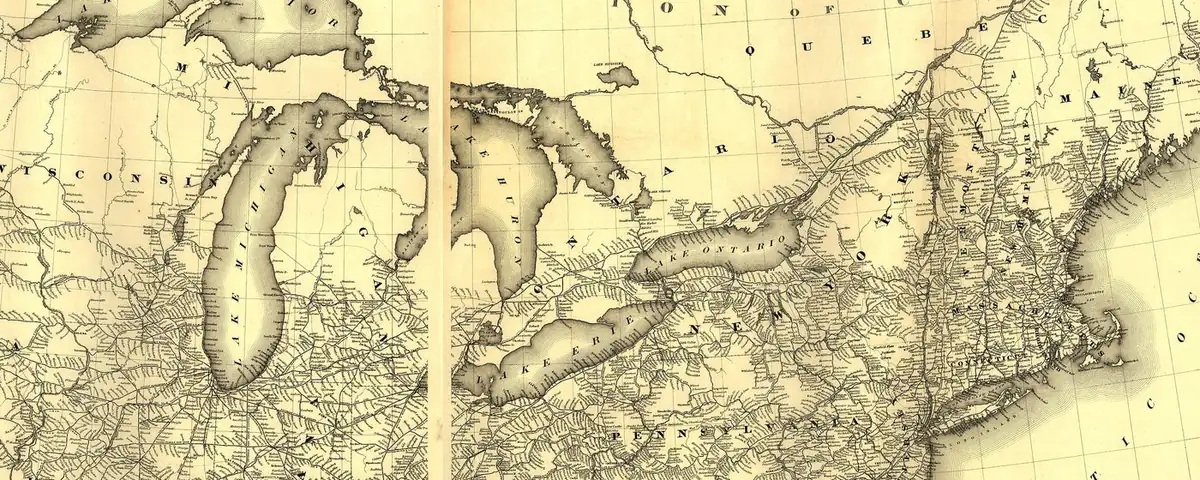
Towns Named After Books, and Real Towns Books Made Famous
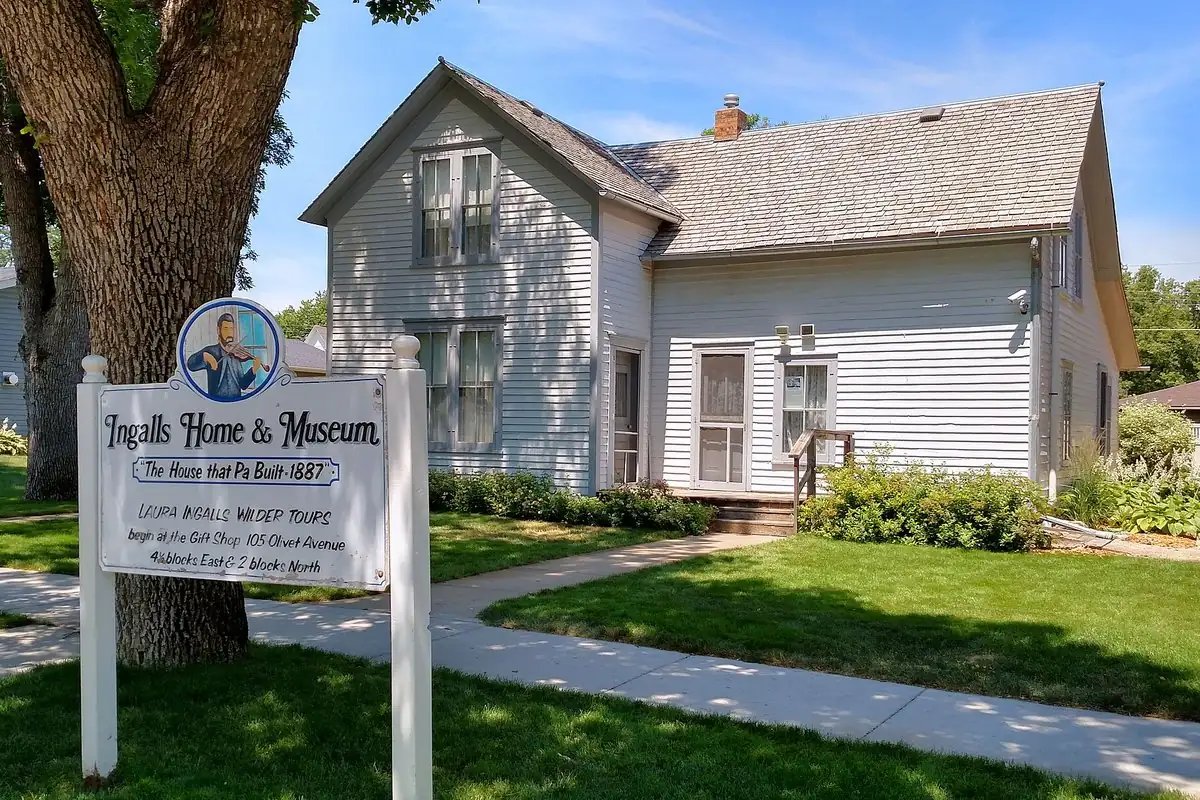

Tacoma, Washington, is one of the towns named after books. In September 1868, Philip Ritz showed up talking about “a recently issued book called The Canoe and the Saddle,” by Theodore Winthrop, which gave Tacoma as the Indian name for Mount Rainier. “Sleep was banished from the McCarver house that night,” the founder’s son-in-law wrote, and Tacoma went on the plat. This page gathers real places like it, whose names came out of a novel, a poem, a travel book or scripture, along with towns that a famous book made famous.
The oldest is California, named for an island in a Spanish novel finished before 1504, where a warrior queen named Calafia ruled. It and Oregon are whole states, not towns; the spelling “Oregon” first shows up in Jonathan Carver’s 1778 travel book. William R. King gave Selma, Alabama, a name from the Poems of Ossian. Lehi, Utah, took a Book of Mormon name because its settlers “had moved so frequently.” And Joliet, Illinois, started out as Juliet, maybe for Shakespeare’s heroine, with a paper town nearby called Romeo to match. The list runs in order of when each place got its name, from California, in a Spanish record by 1542, to Scottsbluff, Nebraska, in 1899.
Some links run the other way. Many of Willa Cather’s novels feature a fictionalized Red Cloud, Nebraska, under other names, and Travel South Dakota calls De Smet Laura Ingalls Wilder’s “Little Town on the Prairie.” Every place here is real; towns that exist only in fiction don’t make the list. Each card names its source, so you can check the book connection yourself.
How we picked these. The place is real, and its name came from a book or poem, or a well-known book or poem is set there or tells the story of its namesake, as a historical, official or other reliable source says. Towns that exist only in fiction don't count. Each story below lists the source that confirms it.
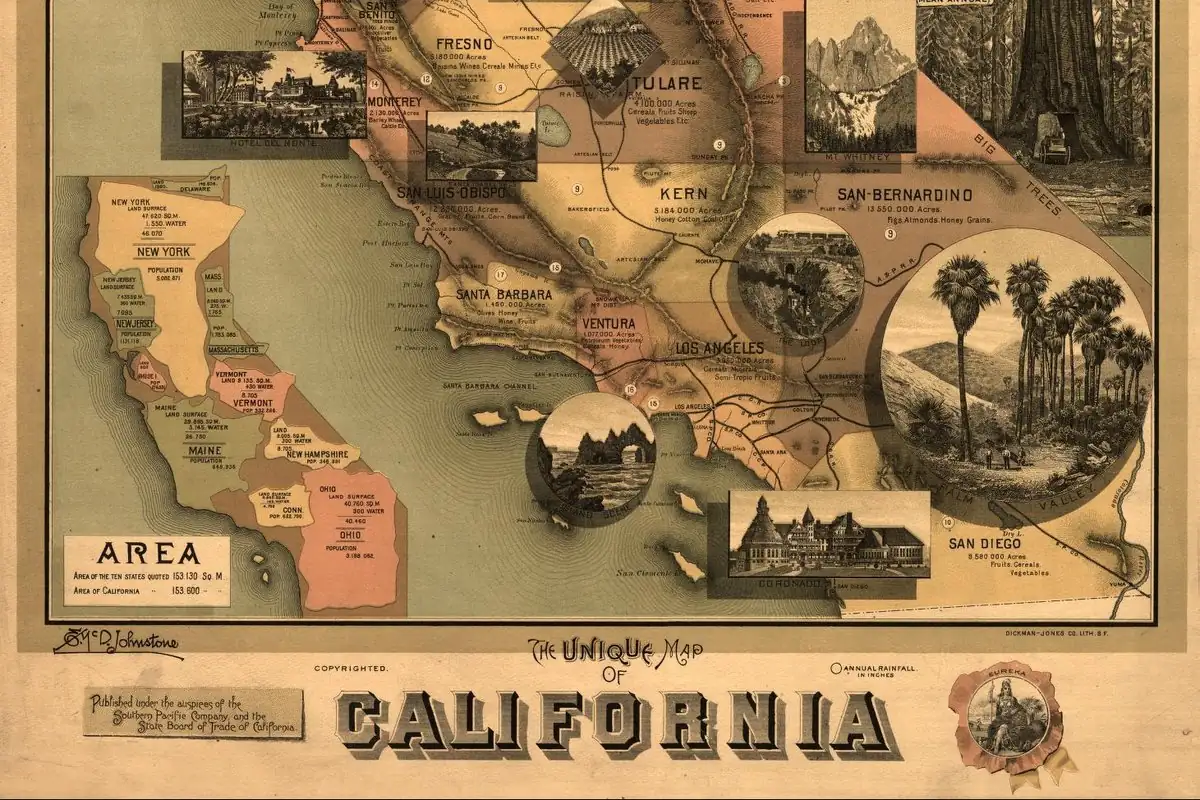 State of California
California is named after a make-believe island in a Spanish adventure novel from the early 1500s, a place ruled by a warrior queen named Calafia.
DocumentedNamed for "an island called California" in a Spanish novel finished before 1504. By 1542 a ship's journal was using the name for real land: "we came in sight of California." Source: Ruth Putnam with Herbert I. Priestley, California: The Name (University of California Publications in History, vol. 4, no. 4, 1917)
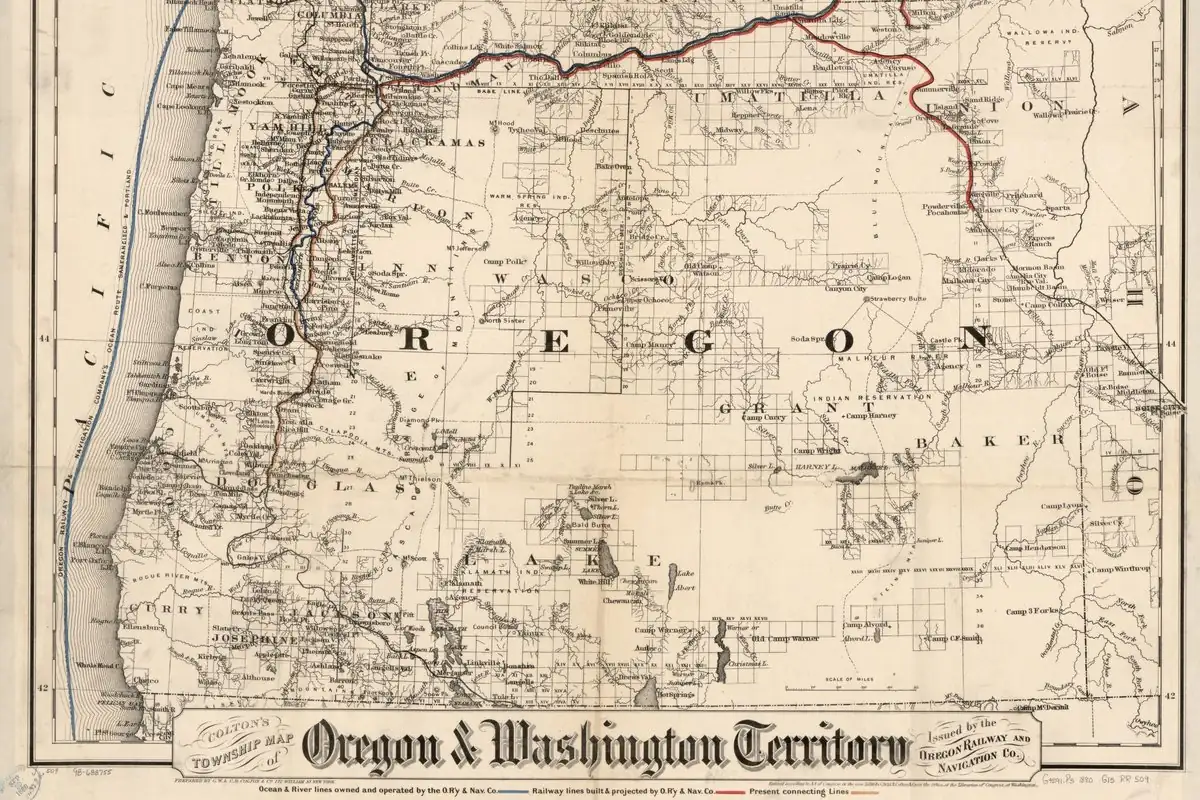 State of Oregon
Oregon's name first shows up in 1765 as "Ouragon," a river a British officer, Robert Rogers, said the Indians had told him about. Its meaning is unknown.
UnknownThe name is "a corruption or variation by Jonathan Carver" of Ouragon, a river name he got from Maj. Robert Rogers, a 1921 study says. Carver's 1778 book called it the Oregon. Source: T. C. Elliott, "The Origin of the Name Oregon," Quarterly of the Oregon Historical Society, vol. 22 (1921), pp. 91–115
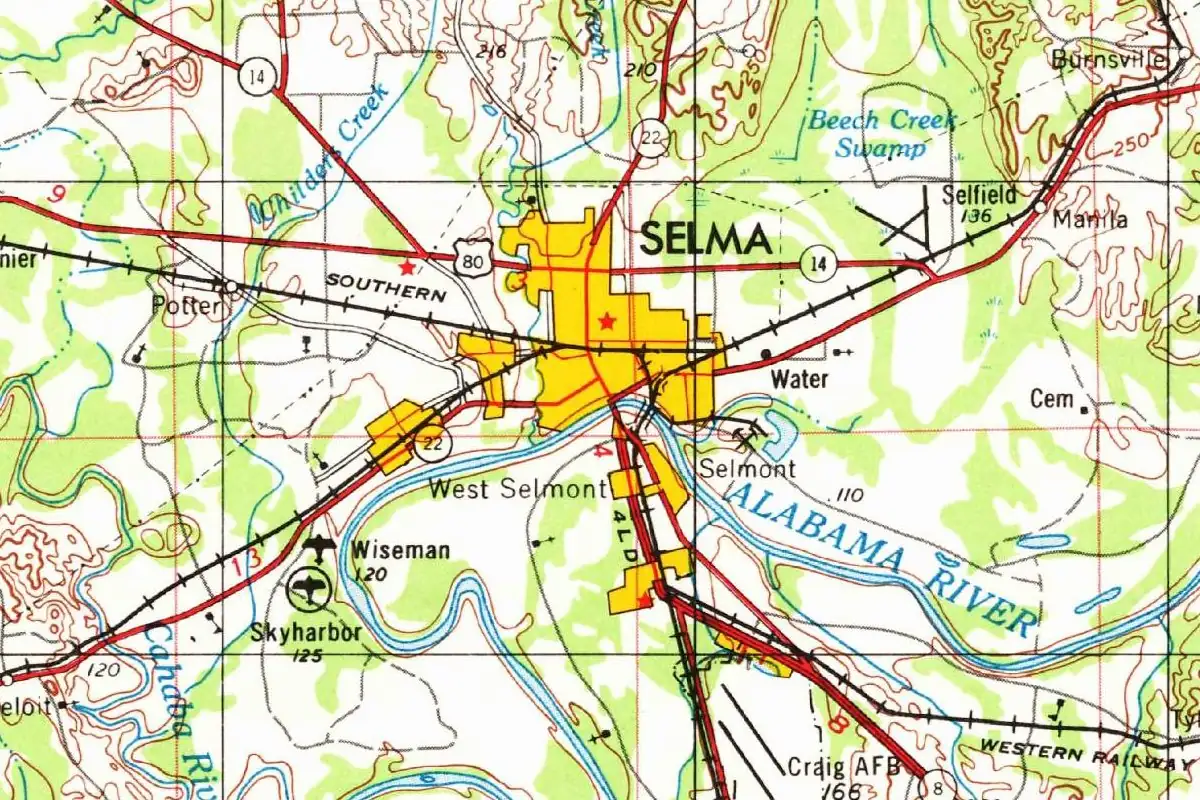 Dallas County, AL
William Rufus King, who later became vice president of the United States, gave Selma, Alabama, its name, and he took it from a book of poetry.
DocumentedWilliam R. King named it. "Being a man of literary tastes he no doubt took the name from the 'Song of Selma' in Mcpherson's 'Ossian,'" a 1921 history says. Source: Thomas McAdory Owen, History of Alabama and Dictionary of Alabama Biography, vol. 2 (1921), p. 1237
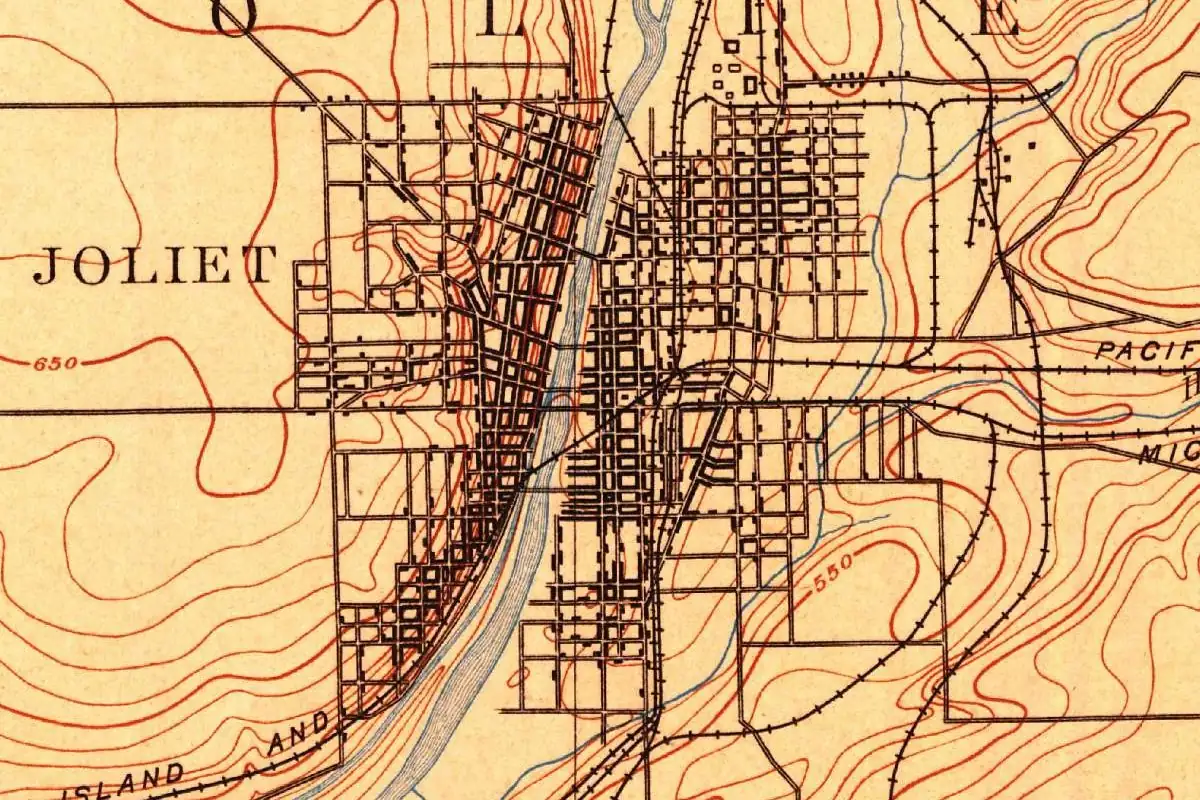 Will County, IL
Joliet, Illinois, was recorded in 1834 as Juliet, and a paper town called Romeo was laid out nearby to match it.
DocumentedFirst recorded as Juliet, "whether after Shakespeare's heroine, or his own daughter," an 1878 history couldn't say. A paper town nearby was "called Romeo, to match Juliet." Source: The History of Will County, Illinois (Wm. Le Baron, Jr., & Co., 1878), pp. 246, 274
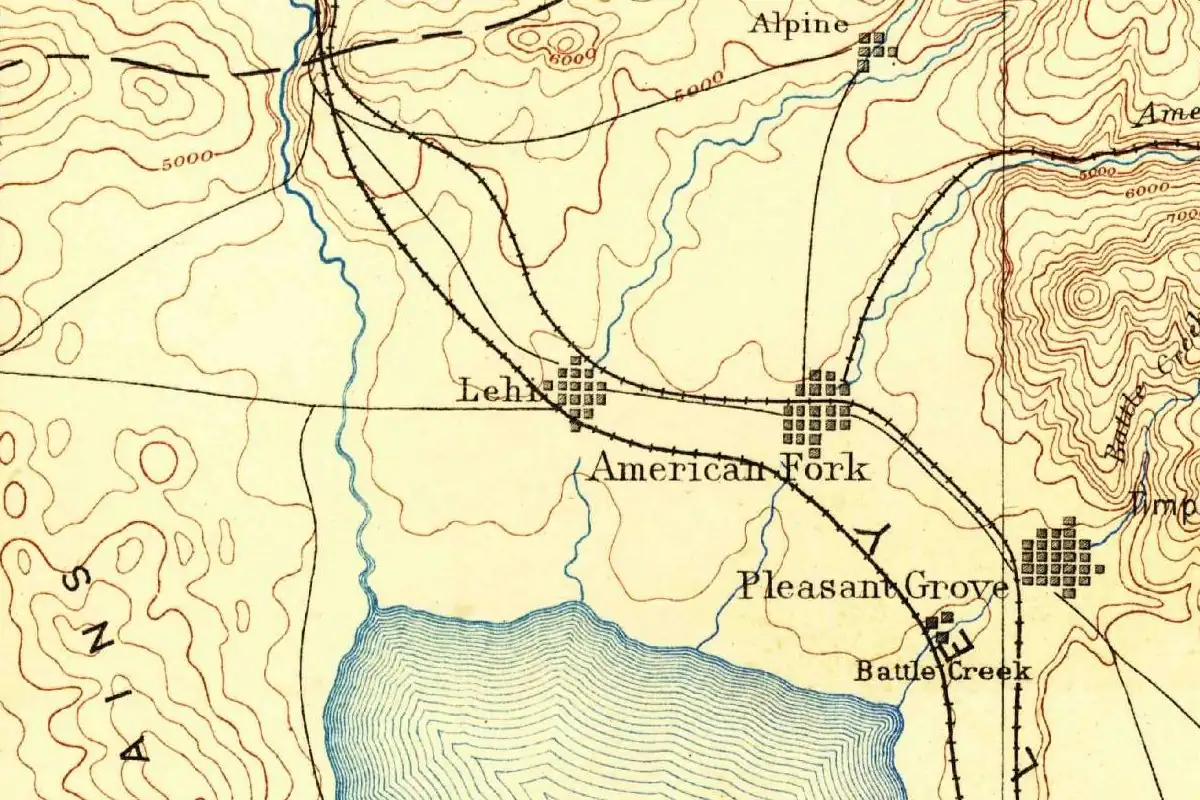 Utah County, UT
The first settlers of Lehi, Utah, moved around so much that the town ended up with a Book of Mormon name.
DocumentedIncorporated in 1852 "under the name of Lehi, this Book of Mormon appellation being suggested because the people had moved so frequently." Source: Hamilton Gardner, History of Lehi (Lehi Pioneer Committee, 1913), pp. 12-13, 30-33, 42, 50
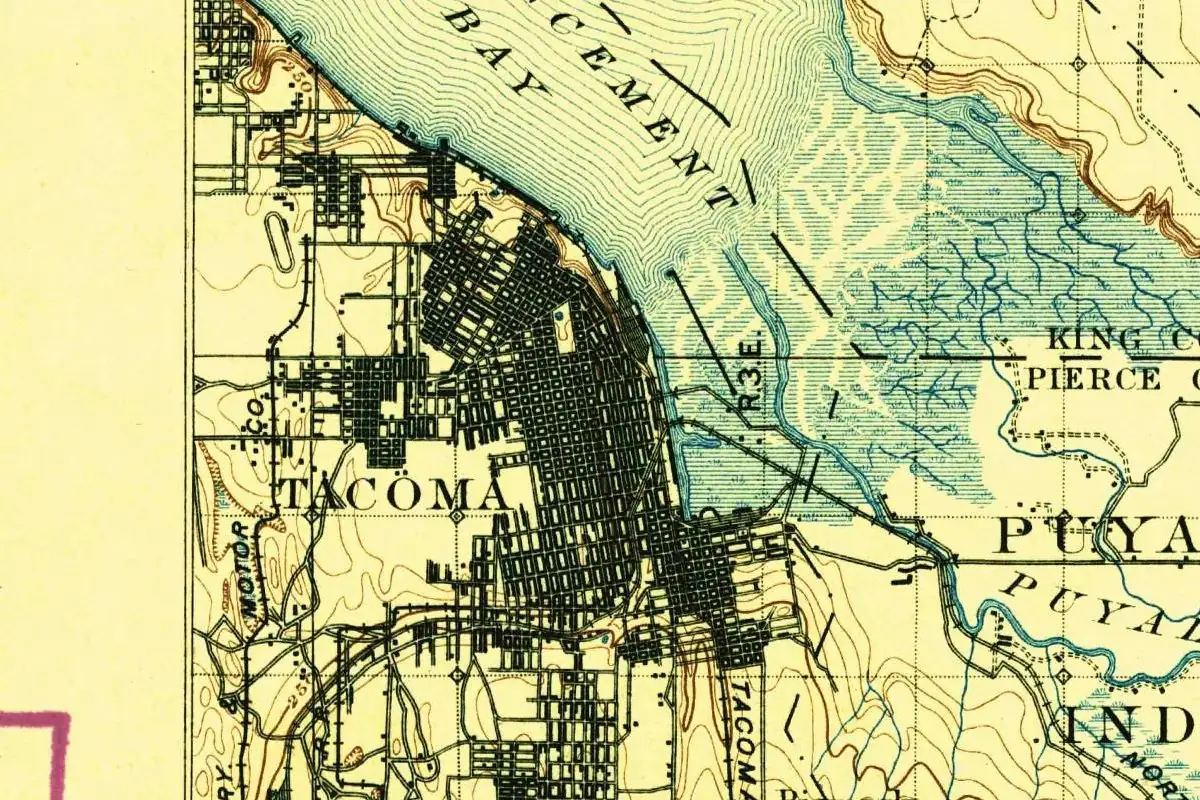 Pierce County, WA
Tacoma, Washington, got its name out of a book: Theodore Winthrop's The Canoe and the Saddle, which said the Indians called Mount Rainier "Tacoma."
DisputedIn September 1868 Philip Ritz pushed the name Tacoma and told of "a recently issued book called The Canoe and the Saddle," by Theodore Winthrop. The founder's family was won over. Source: Thomas W. Prosch, McCarver and Tacoma (1906), pp. 162–165
 Suffolk County, MA
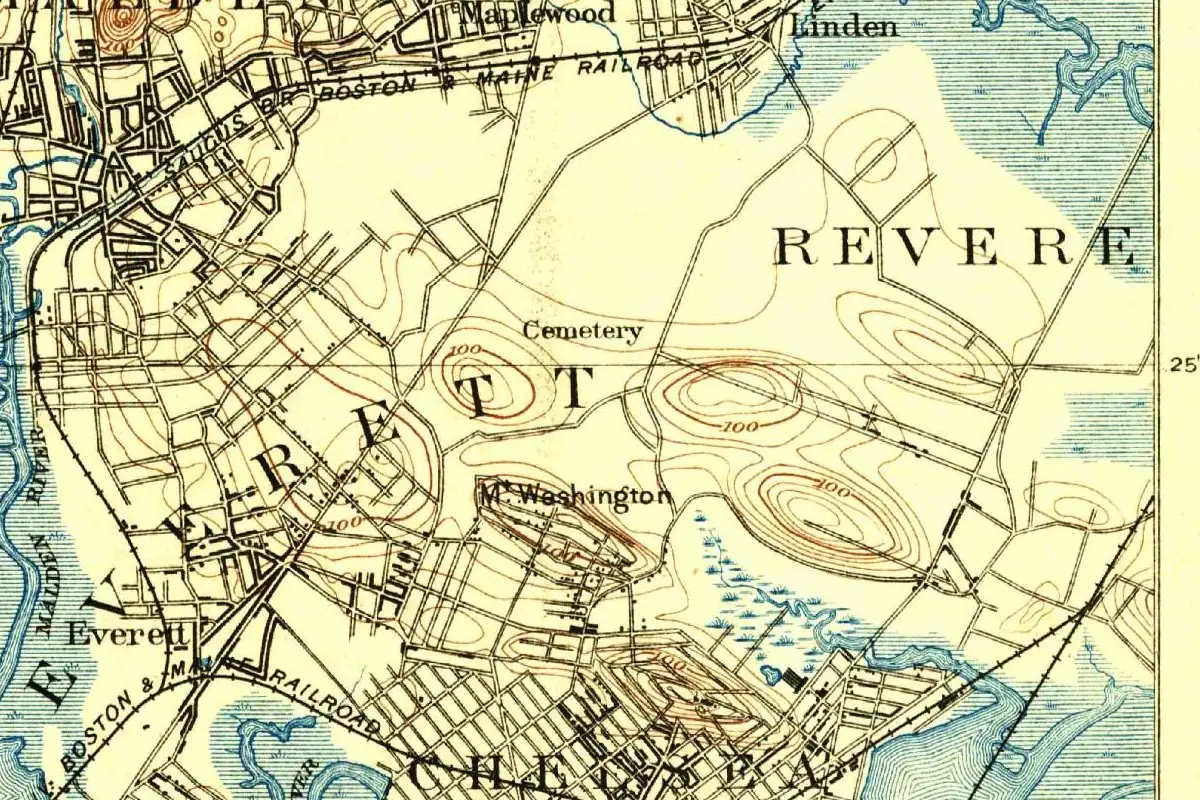
The 1871 law that turned North Chelsea into Revere, Massachusetts, never says which Revere it means. An 1874 gazetteer does: Paul Revere.
DocumentedRenamed in 1871 for Paul Revere, "whose midnight ride to Concord Mr. Longfellow has made the subject of a beautiful poem," an 1874 gazetteer says. It doesn't call the poem the reason. Source: Elias Nason, A Gazetteer of the State of Massachusetts (1874), pp. 154, 431-432
 Webster County, NE
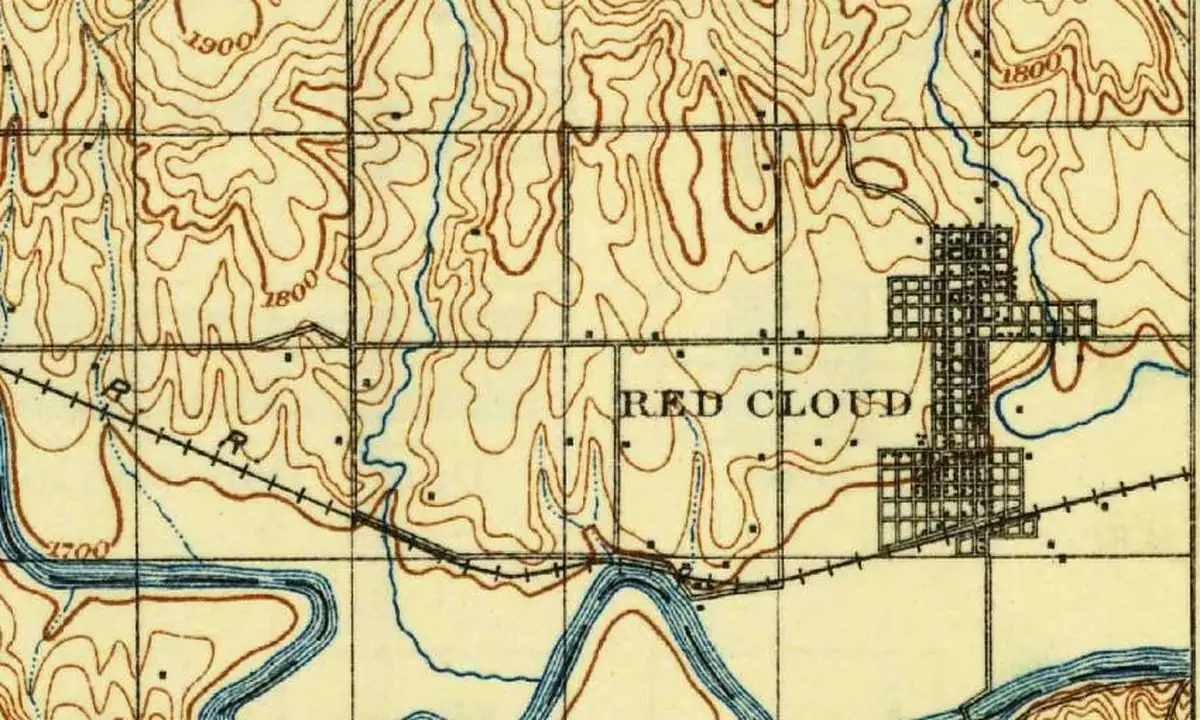
Red Cloud, Nebraska, is named for Lakota chief Red Cloud, but it sits in old Pawnee and Otoe country, far from his own. It's also Willa Cather's hometown.
DocumentedWilla Cather's hometown. Smithsonian magazine says many of her novels feature a fictionalized Red Cloud by another name: Hanover, Black Hawk, Sweet Water. Source: In Search of Willa Cather's Nebraska Hometown (Smithsonian Magazine)
 Kingsbury County, SD
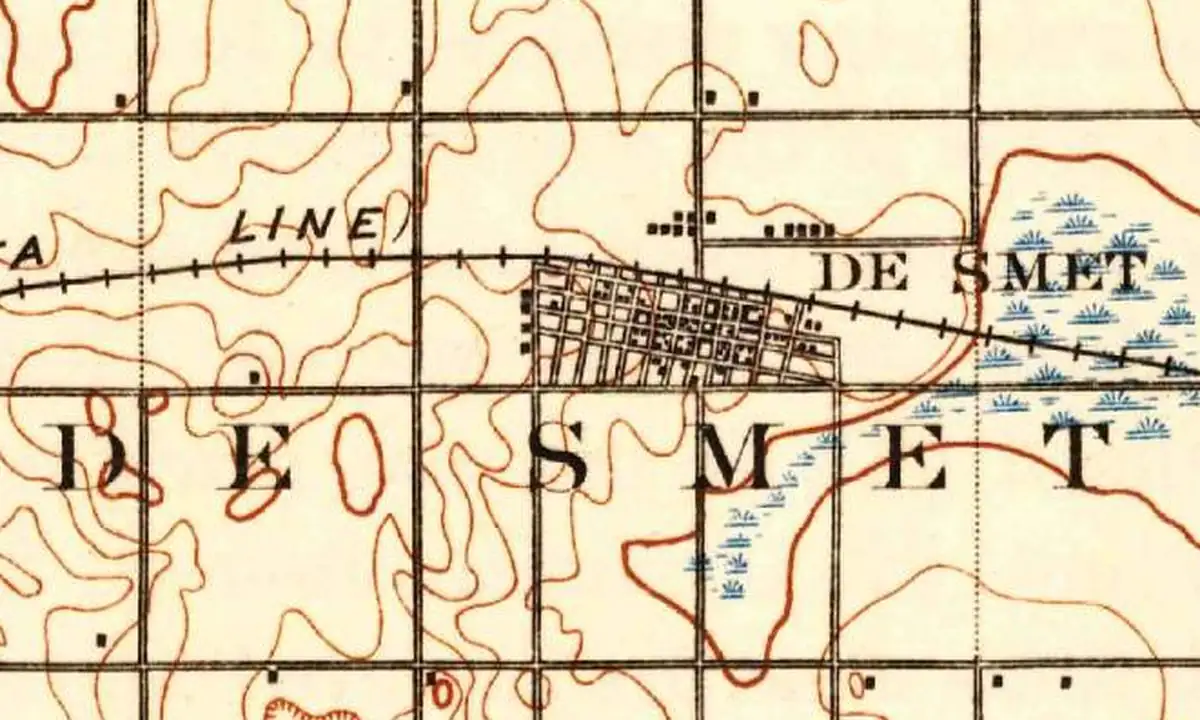
De Smet, South Dakota, is named for Jesuit missionary Pierre-Jean De Smet. It's also the little town on the prairie from Laura Ingalls Wilder's books.
DocumentedTravel South Dakota calls it Laura Ingalls Wilder's "Little Town on the Prairie." Two of the Ingalls family's homes are open for tours, and a summer pageant recreates one of her books. Source: Little Town on the Prairie (Travel South Dakota)
 Scotts Bluff County, NE
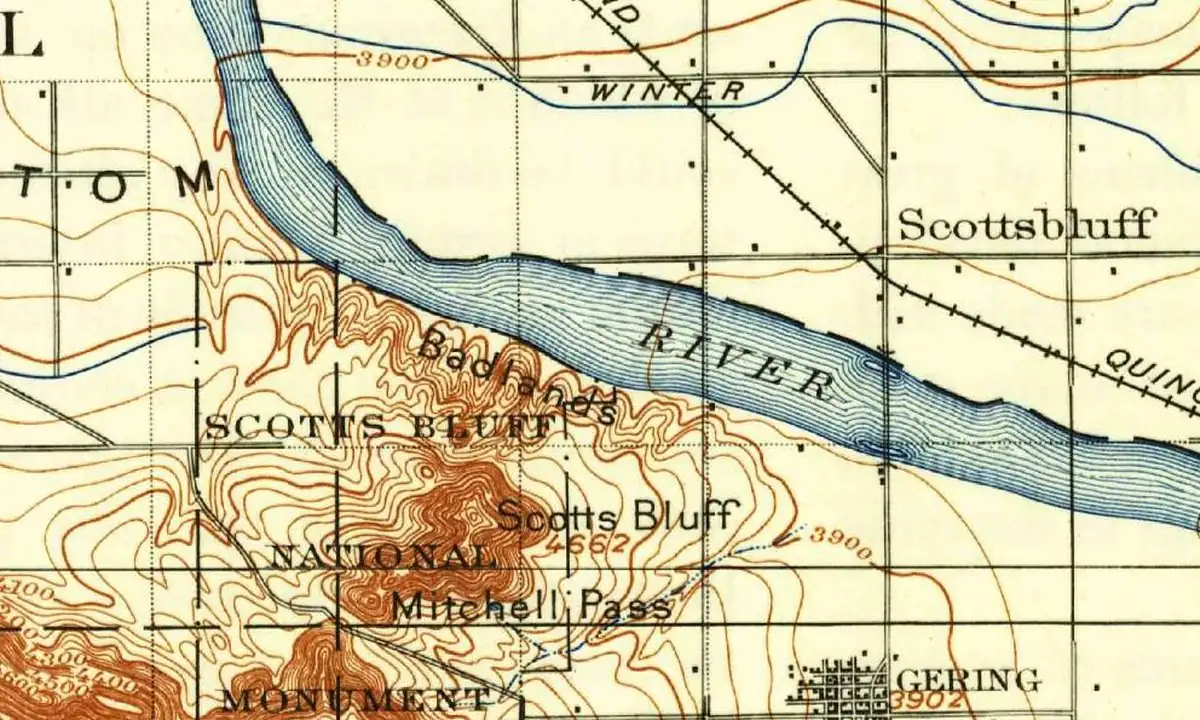
Scottsbluff, Nebraska, is named for the bluff next door, named in turn for Hiram Scott, a fur trader who died near it around 1828. The details are shaky.
DocumentedNamed for the bluff, which took the name of Hiram Scott, "whose body was found at the foot of the bluff." For his story, a 1925 study cites two books, including Washington Irving's Captain Bonneville. Source: Lilian Linder Fitzpatrick, Nebraska Place-Names (University of Nebraska, 1925)
Sources for this page
- Thomas W. Prosch, McCarver and Tacoma (1906), pp. 162–166 (accessed Nov 2, 2026)
- Ruth Putnam with Herbert I. Priestley, California: The Name (University of California Publications in History, vol. 4, no. 4, 1917) (accessed Nov 2, 2026)
- T. C. Elliott, "The Origin of the Name Oregon," Quarterly of the Oregon Historical Society, vol. 22 (1921), pp. 91–115 (accessed Nov 2, 2026)
- Thomas McAdory Owen, History of Alabama and Dictionary of Alabama Biography, vol. 2 (1921), p. 1237 (accessed Nov 2, 2026)
- Hamilton Gardner, History of Lehi (Lehi Pioneer Committee, 1913) (accessed Nov 2, 2026)
- The History of Will County, Illinois (Wm. Le Baron, Jr., & Co., 1878), pp. 246, 274 (accessed Nov 2, 2026)
- In Search of Willa Cather's Nebraska Hometown (Smithsonian Magazine) (accessed Nov 2, 2026)
- Little Town on the Prairie (Travel South Dakota) (accessed Nov 2, 2026)