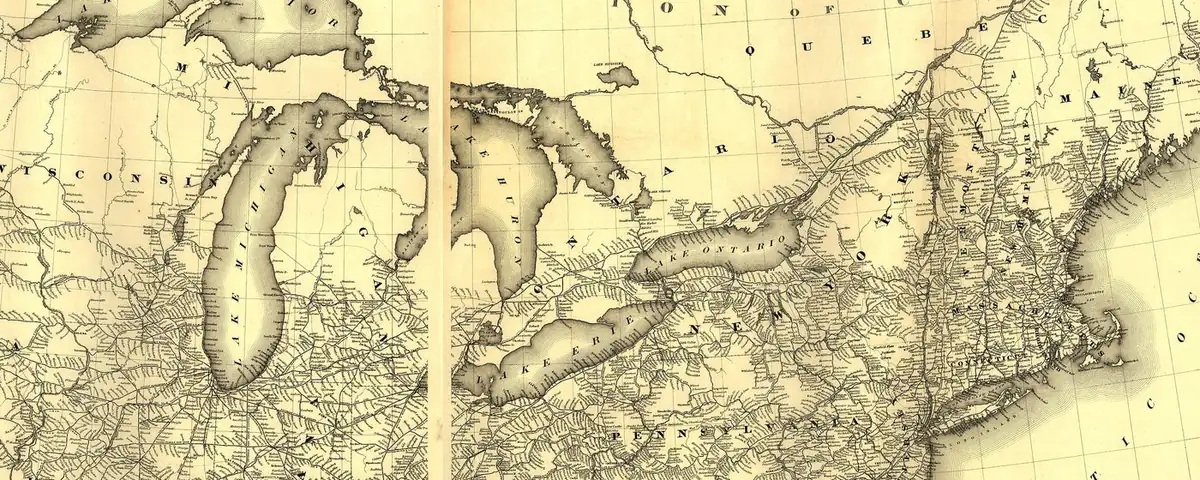
Lewis and Clark Trail Towns: Names From the Journals

Council Bluffs, Iowa, is named for a meeting. In August 1804, on the way up the Missouri, Lewis and Clark held a council with the Oto and Missouri, and Patrick Gass wrote in his journal, “This place we called Council Bluffs.” Nobody’s sure the city sits on the exact spot, but it took the name in 1853 anyway. That’s the kind of story you’ll find in these Lewis and Clark trail towns. Each one’s name, or the story behind it, goes back to the expedition, to something it saw, wrote down or named, or to one of its captains.
Each card says how the place ties to the expedition, and which source says so. Most are towns, but Iowa is a whole state and Yellowstone is a park named for the river. They run in the order the expedition got to each one, from Weeping Water’s creek on July 20, 1804, to Bozeman Pass, where William Clark’s party crossed into what’s now Park County, Montana, Livingston’s county, on July 15, 1806. Two cards have no date in the source we cite. Iowa comes after the Platte, since the expedition’s 1814 history puts “the ancient village of the Ayoways” upriver from there. Coeur d’Alene sits just before Livingston.
Not every name stuck. Clark called the Vermillion the White Stone, and Livingston started out as Clark City, for Clark himself, before the railroad’s name won. Other times the expedition just wrote down what it heard, like the French name of Weeping Water’s creek and the Ayouways, the people whose name became Iowa.
How we picked these. The place's name, or the story of its name, goes back to the Lewis and Clark expedition of 1804-1806: to something it saw, wrote down or named, or to one of its captains, as a historical source or the expedition's own journals confirm. Each story below lists the source that confirms it.
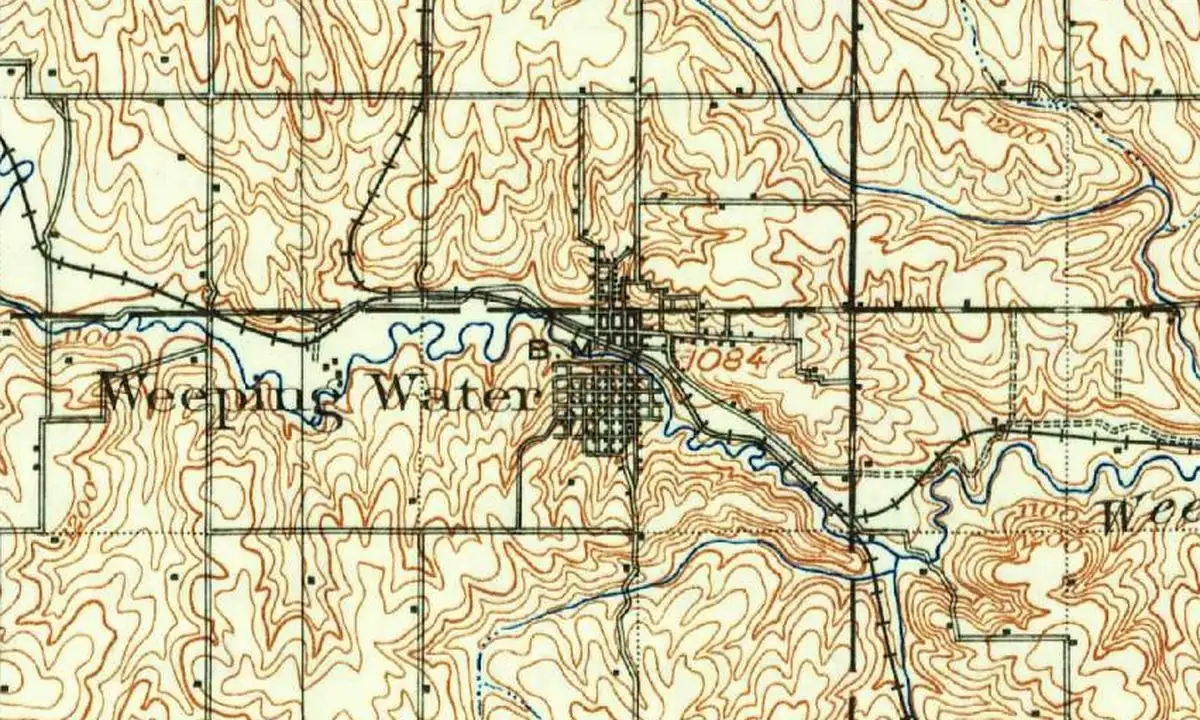 Cass County, NE
Weeping Water, Nebraska, is named for its creek, which French traders called L'Eau qui Pleure. A 1925 study says the weeping-women legend came later.
DocumentedWhen the expedition passed the creek on July 20, 1804, William Clark wrote that the French called it "l'Eue-que pleure," or "the Water Which Cry's." Source: William Clark, journal entry for July 20, 1804 (Lewis and Clark Trust)
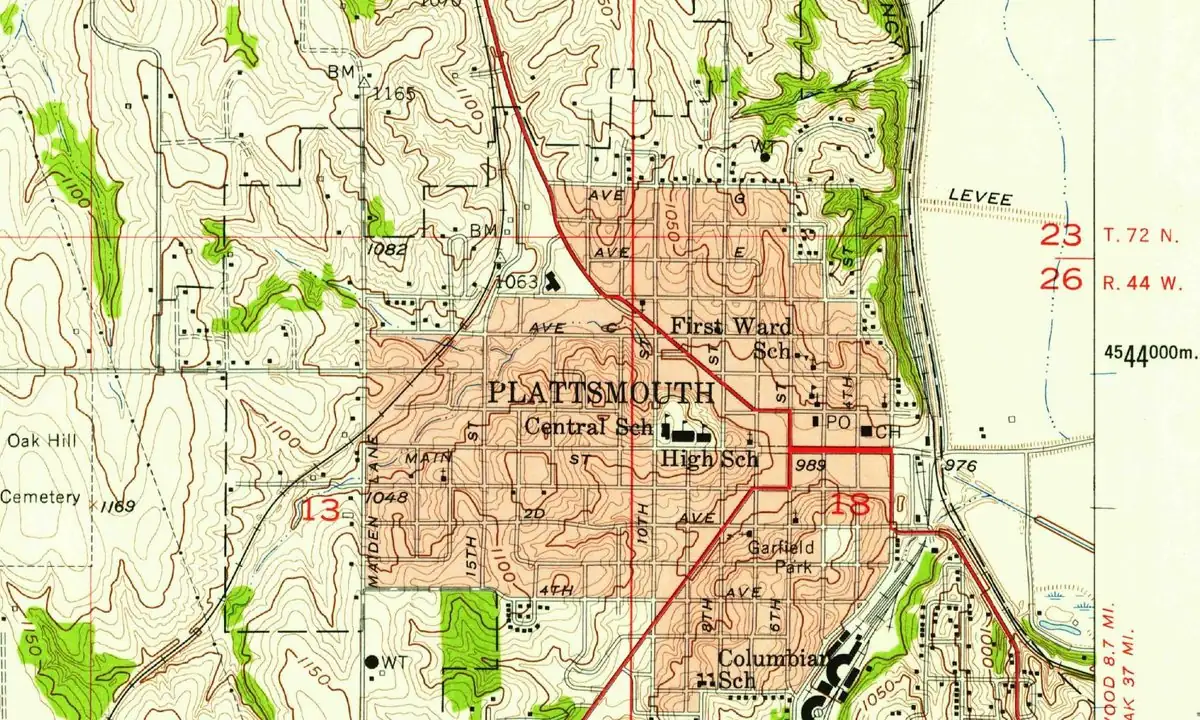 Cass County, NE
Plattsmouth, Nebraska, is named for exactly where it sits: at the mouth of the Platte River, where it meets the Missouri. It was laid out in November 1854.
DocumentedThe expedition reached the mouth of the Platte, where it runs into the Missouri, on July 21, 1804. Source: July 21, 1804 (The Journals of the Lewis and Clark Expedition, University of Nebraska-Lincoln)
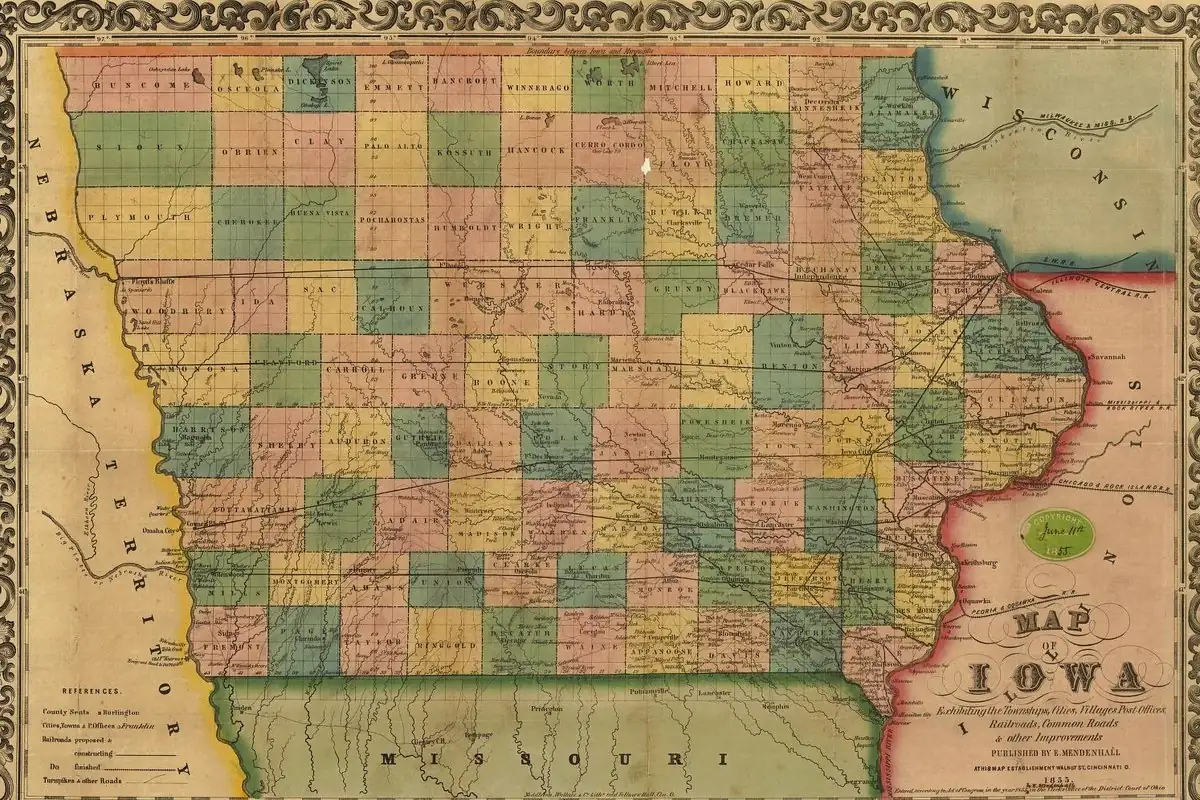 State of Iowa
The earliest Iowa anyone has found in public records wasn't in Iowa at all: it was an 1829 county across the Mississippi, in what is now Wisconsin.
DocumentedIn their journal in 1804, Lewis and Clark called the Iowa people the Ayouways. Later the spelling became Ioway, and then the y was dropped: Iowa. Source: Benjamin F. Gue, History of Iowa, vol. 1 (1903), p. 67
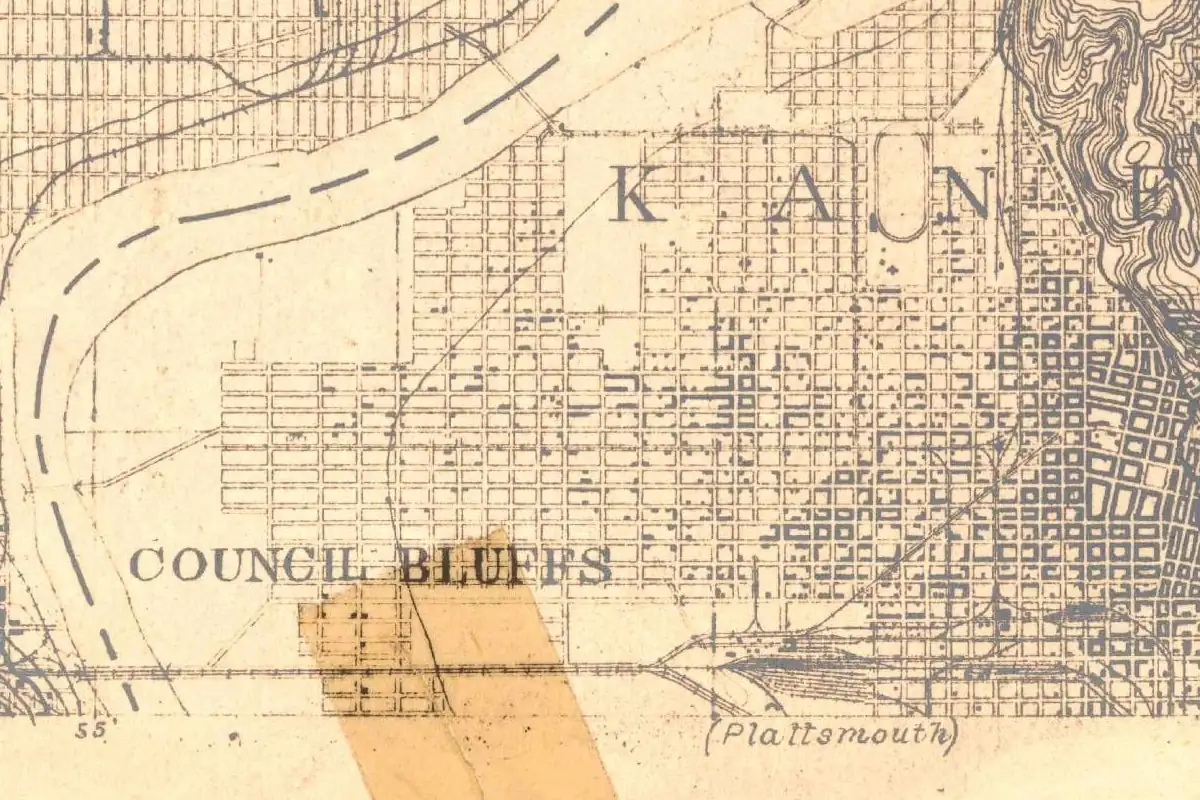 Pottawattamie County, IA
Council Bluffs, Iowa, borrowed its name in 1853 from a council Lewis and Clark held in 1804, and the bluffs where they held it may not be in Iowa at all.
DocumentedIn August 1804 the captains held a council with the Oto and Missouri. "This place we called Council Bluffs," Patrick Gass wrote. A 1907 county history says the exact spot "is not positively known." Source: Homer H. Field and Joseph R. Reed, History of Pottawattamie County, Iowa, vol. 1 (1907), pp. 5-6
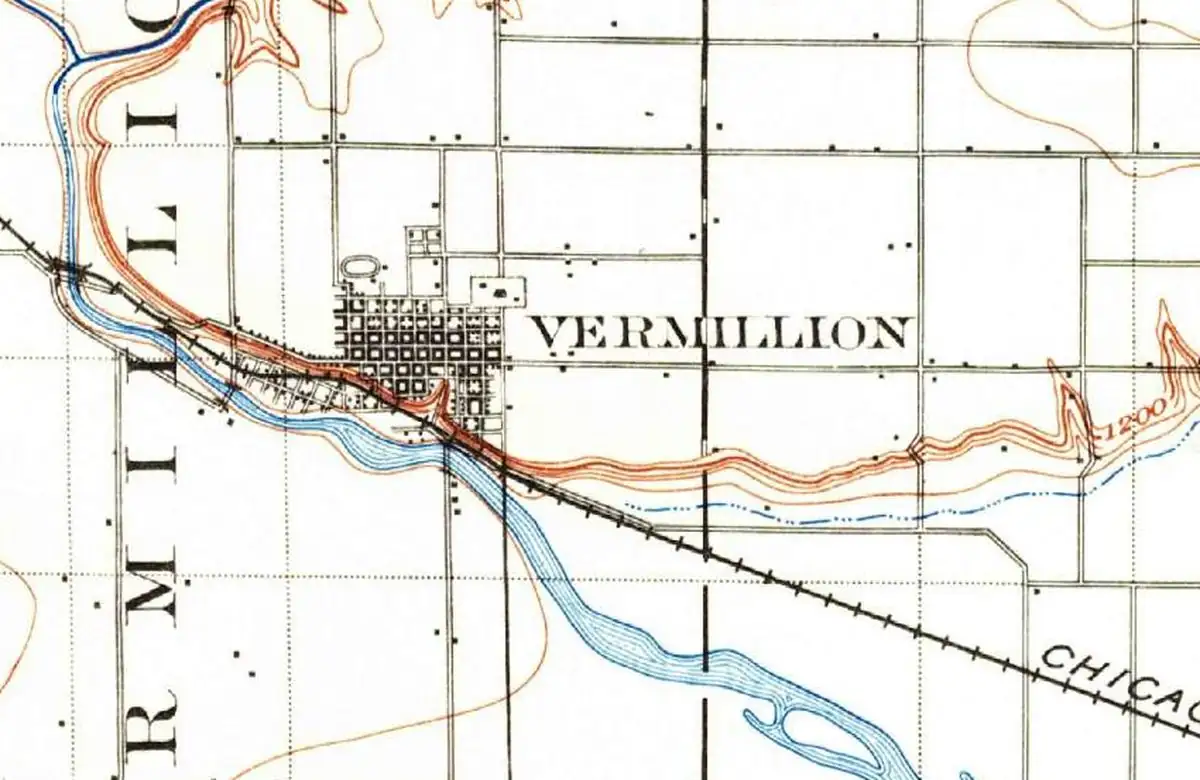 Clay County, SD
Vermillion, South Dakota, is named after the Vermillion River, which got its name from the red color of the soil along its banks.
DocumentedTo William Clark, the town's river was the White Stone. On August 25, 1804, he wrote that they "droped down to the mouth of White Stone River" and left a boat there. Source: William Clark, journal entry for August 25, 1804 (The Journals of the Lewis and Clark Expedition, University of Nebraska-Lincoln)
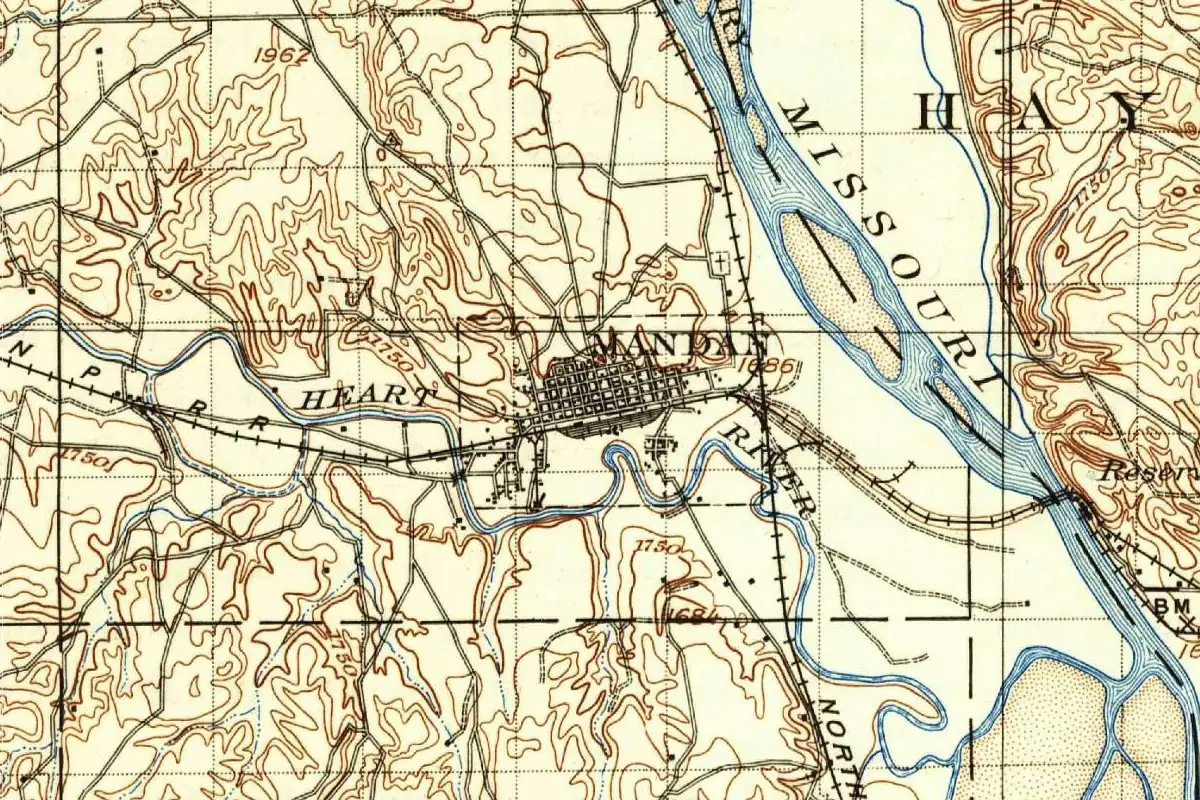 Morton County, ND
Mandan, North Dakota, is named for the Mandan people, but the word itself most likely came from their Dakota neighbors, not from the Mandan language.
DocumentedDakota Territory's official 1889 abstract says the expedition spent its first winter "among the Mandan Indians, near the present town of Mandan." Source: Frank H. Hagerty, The Territory of Dakota (1889), p. 9
 River, MT, WY, ND
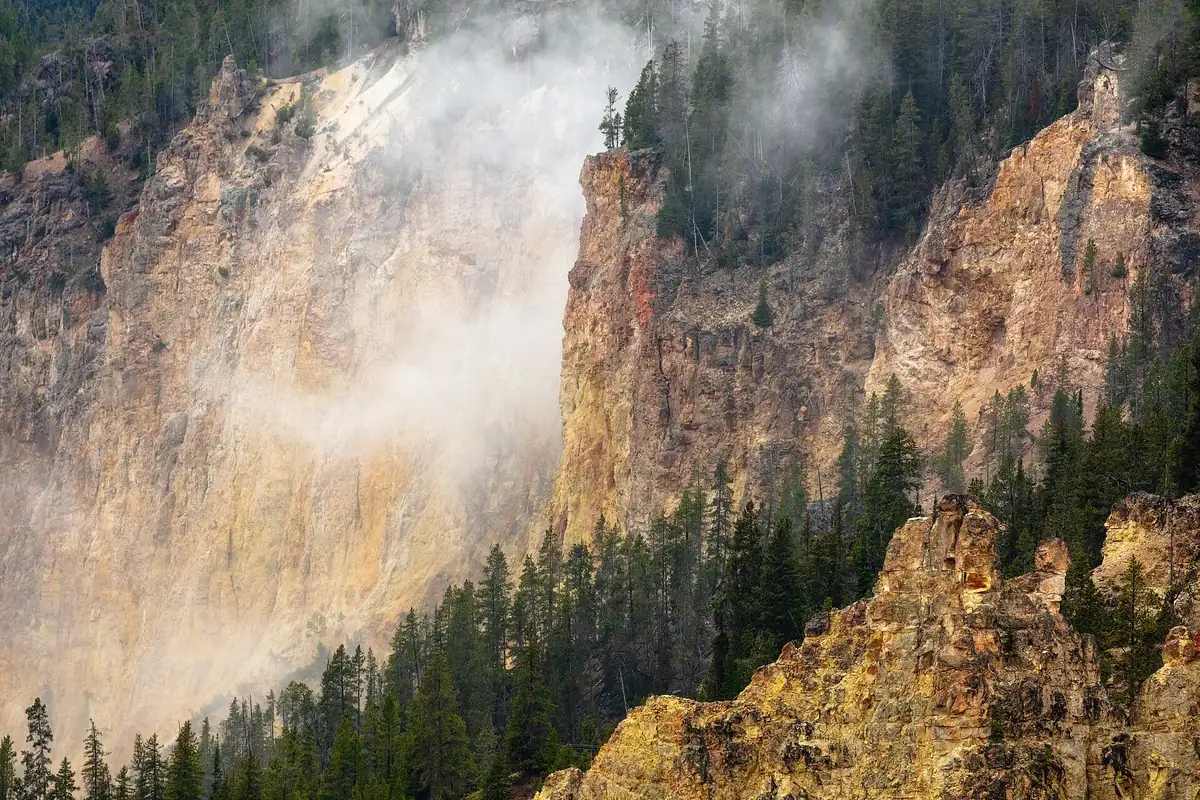
The yellow rocks that gave Yellowstone its name may not be inside the park at all, and the name itself was translated twice on its way into English.
DocumentedThe party camped where the Yellowstone meets the Missouri on April 26, 1805. The French called it Roche jaune, the expedition's history says, "or as we have called it the Yellowstone." Source: History of the Expedition under the Command of Captains Lewis and Clark, vol. 1 (1814)
 Kootenai County, ID
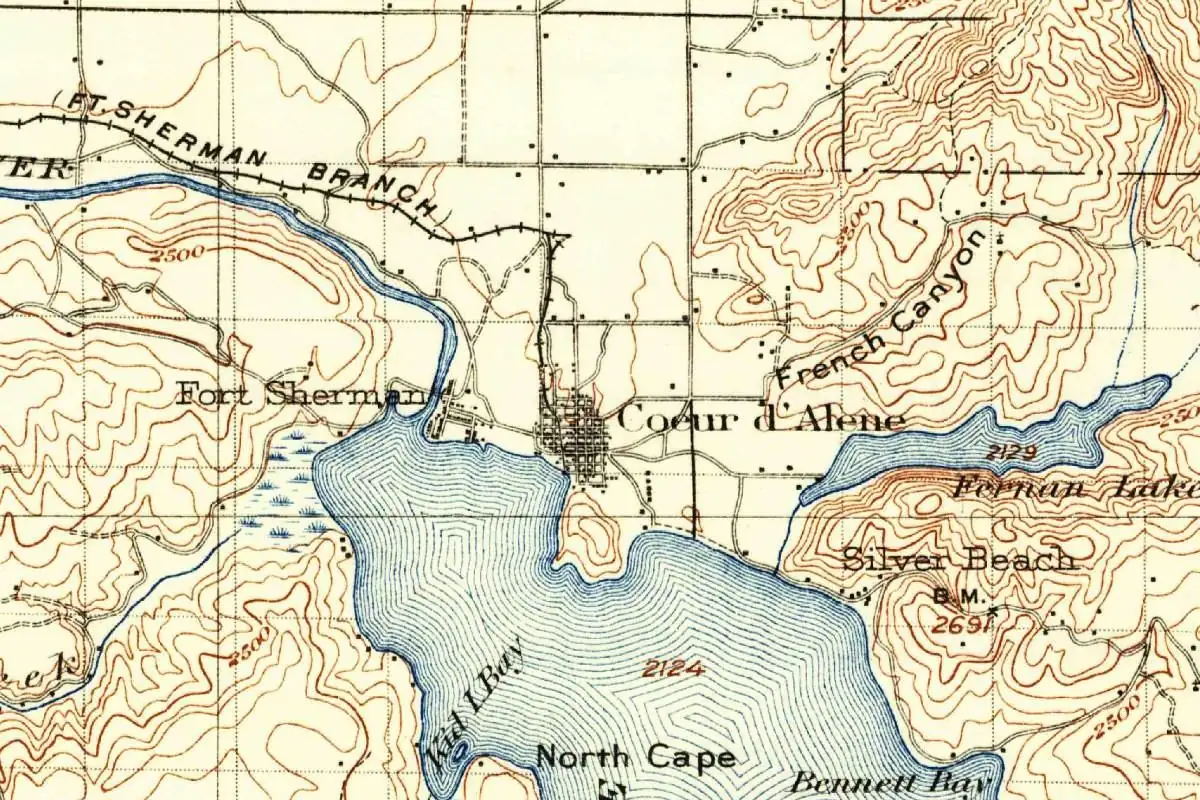
Coeur d'Alene, Idaho, carries a French fur-trade nickname, "awl heart," and the people who wrote it down never agreed on why it was given.
DocumentedThe name is a French nickname meaning "Awl-Heart." The people called themselves Skitswish, and Lewis and Clark wrote it "Skeetsomish." Source: John E. Rees, Idaho Chronology, Nomenclature, Bibliography (1918)
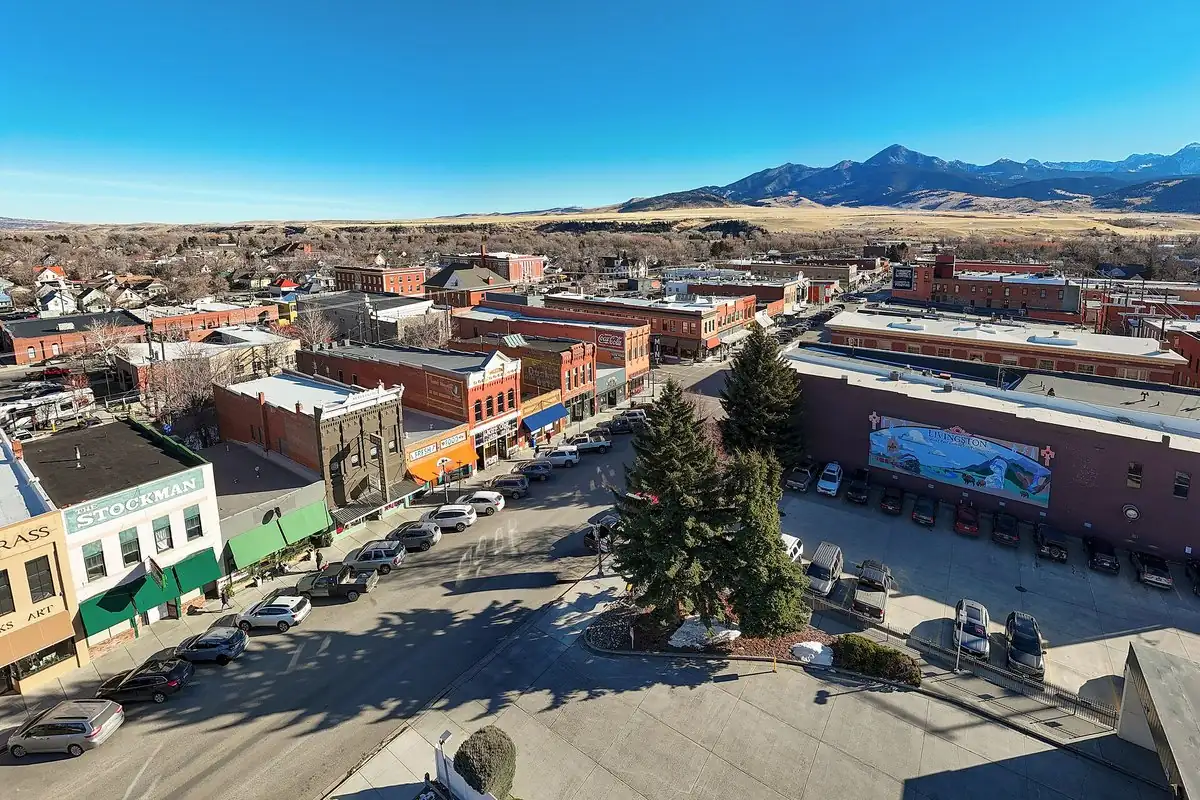
 Park County, MT
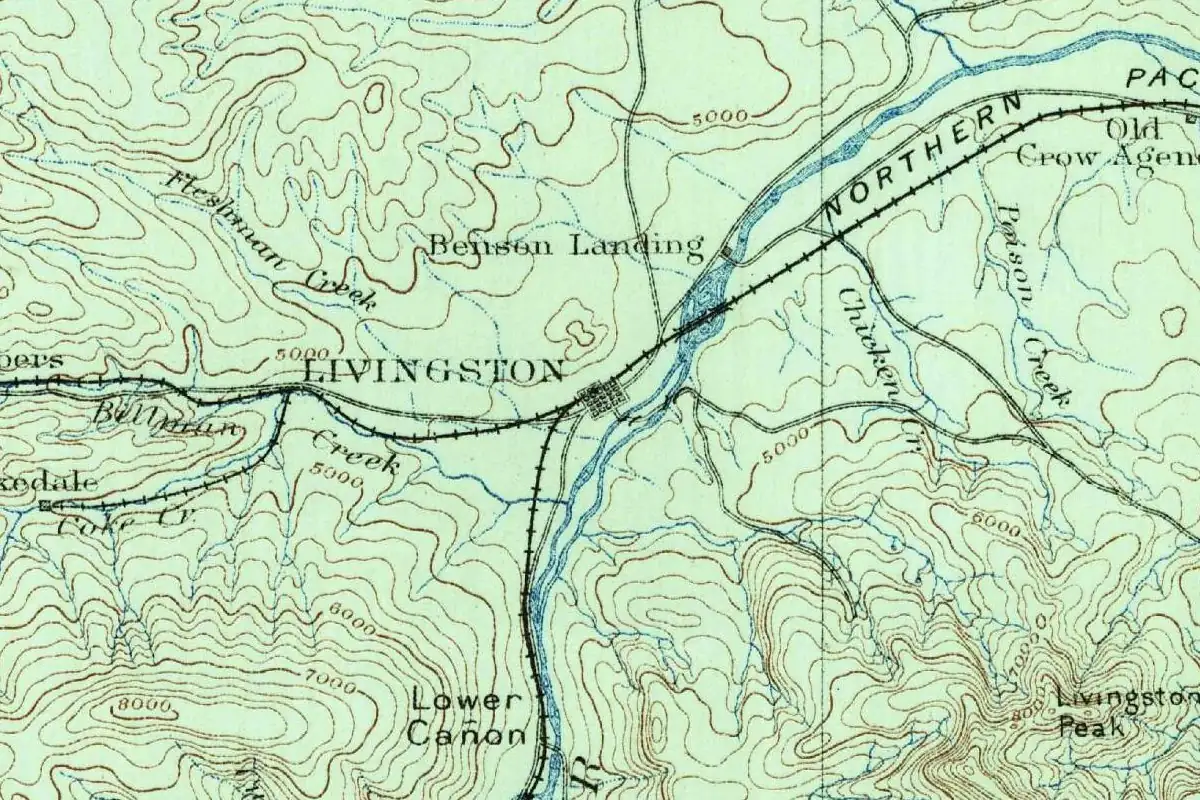
Livingston, Montana, started out in 1882 as Clark City, and its people didn't know the railroad had already put another name on its maps.
DocumentedIts first name, in 1882, was Clark City, "named in honor of Captain William Clark." The Northern Pacific had already put Livingston on its maps, and that name won. Source: An Illustrated History of the Yellowstone Valley (1907), pp. 150-151
Sources for this page
- William Clark, journal entry for July 20, 1804 (Lewis and Clark Trust) (accessed Nov 1, 2026)
- The Journals of the Lewis and Clark Expedition (University of Nebraska-Lincoln), entries for July 21 and August 25, 1804 (accessed Nov 1, 2026)
- History of the Expedition under the Command of Captains Lewis and Clark, vol. 1 (Philadelphia, 1814) (accessed Nov 1, 2026)
- Homer H. Field and Joseph R. Reed, History of Pottawattamie County, Iowa, vol. 1 (S. J. Clarke, 1907), pp. 5-6, 15-16 (accessed Nov 1, 2026)
- Benjamin F. Gue, History of Iowa from the Earliest Times to the Beginning of the Twentieth Century, vol. 1 (1903), p. 67 (accessed Nov 1, 2026)
- Frank H. Hagerty, The Territory of Dakota: An Official Statistical, Historical and Political Abstract (1889), p. 9 (accessed Nov 1, 2026)
- John E. Rees, Idaho Chronology, Nomenclature, Bibliography (1918), entry "Coeur d'Alene Indians" (accessed Nov 1, 2026)
- An Illustrated History of the Yellowstone Valley (Western Historical Publishing Co., 1907), Park County, chapter I (July 15, 1806, Bozeman Pass), and pp. 150-151 (accessed Nov 1, 2026)