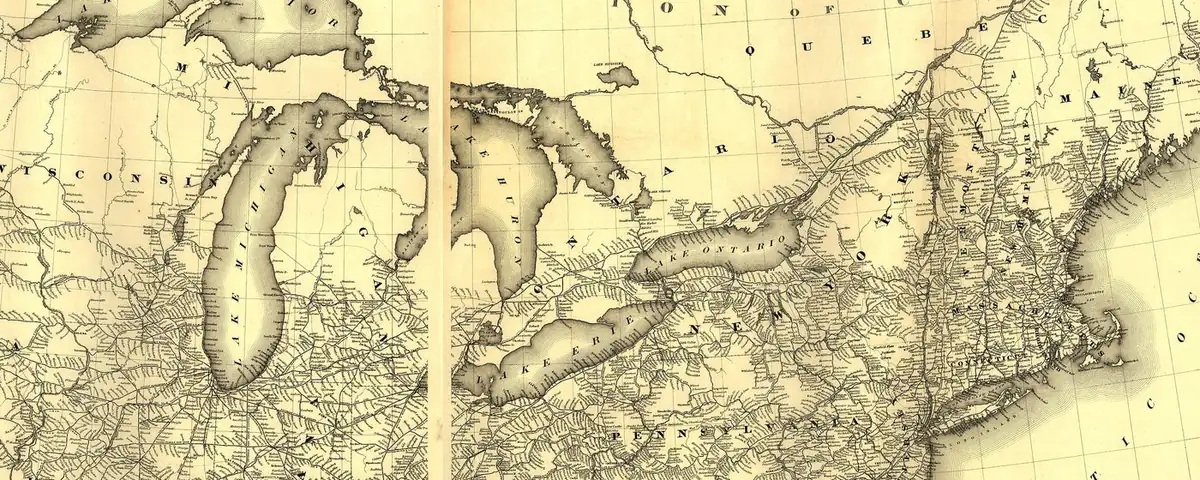
Spooky Town Names in America and Where They Came From
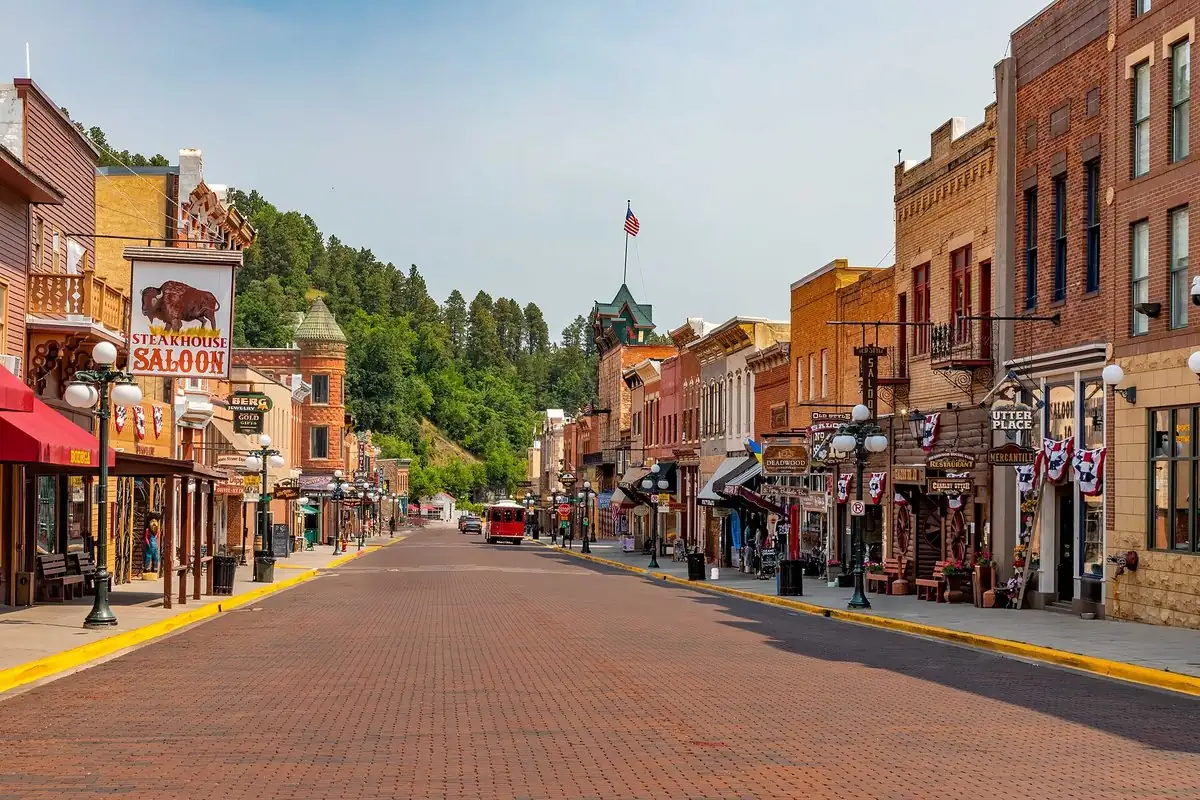

Spooky town names usually have tame explanations. Deadwood, South Dakota, sounds like a place nobody leaves alive, but its gulch was named for the dead trees the first gold prospectors found there. Devils Lake, North Dakota, has a name that the federal record calls a corruption of a Native name meaning “Lake Holy or Great One.”
Those two, plus Tombstone, Arizona, and Weeping Water, Nebraska, are the only names on this page that sound scary all by themselves. Tombstone is named for a warning: when Ed Schieffelin went out to look for stones, a companion told him the stone he’d find would be his tombstone. Weeping Water may come from a mix-up between two Native words, one for weeping and one for the sound of a creek over low falls.
The other four only sound scary through an older name, a nickname or a translation, and two of them aren’t towns. Key West, Florida, was Cayo Hueso, bone island, in Spanish. Kentucky, a whole state, has the old nickname of the Dark and Bloody Ground. Canadian voyageurs called the canyon above Missoula, Montana, the Gate of Hell, because Blackfeet war parties gathered there. And a 1919 glossary traces Yosemite, a valley, to a Southern Sierra Miwok word meaning “to kill,” though a 1905 federal list said it meant “grizzly bear.” The list runs roughly in order of when each name shows up in the record, from Kentucky to Tombstone.
You won’t find ghost stories here. Nobody can check a haunting in an old book, so this page sticks to the names and where they really came from.
How we picked these. The name sounds scary, with death, a devil, bones, blood, hell, killing or weeping in it, either by itself in English or through an older name, a nickname or a meaning a source gives for the word, and a historical, official or encyclopedic source tells where it came from. Four names here qualify by themselves and four through one of those. Each story below lists the source that confirms it.
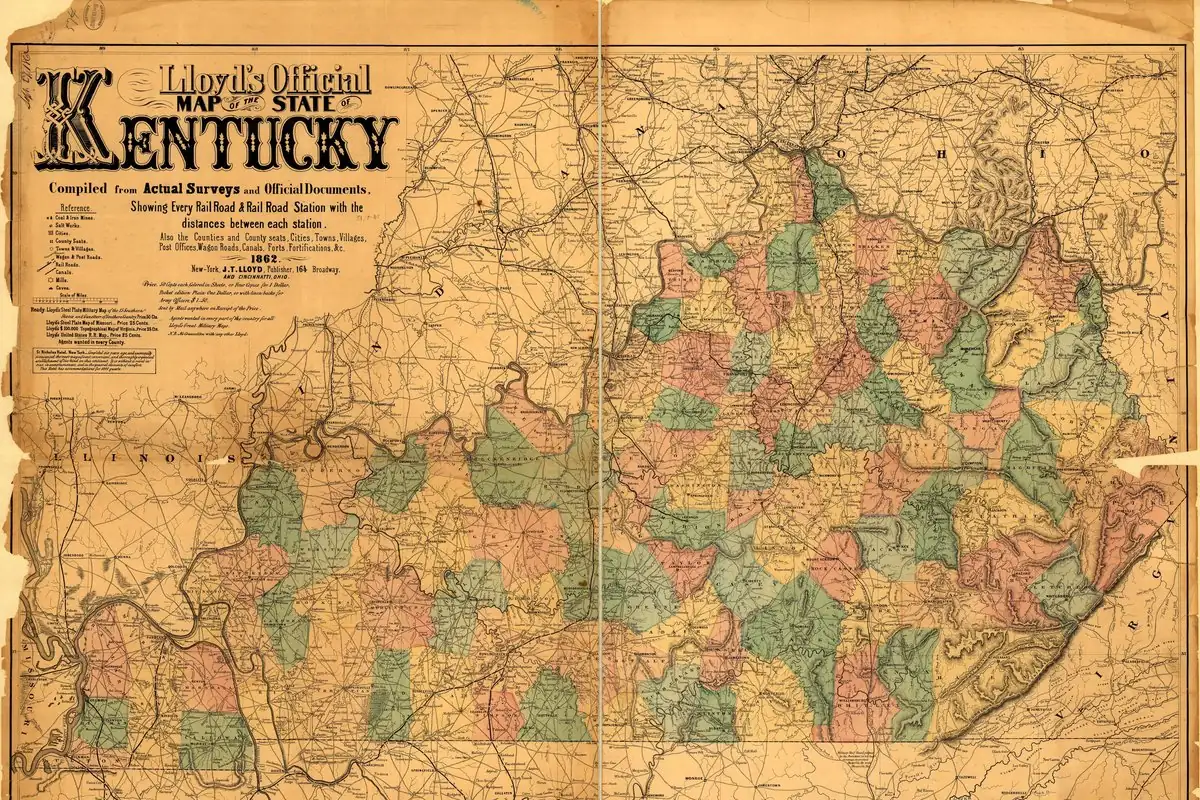 State of Kentucky
A 1922 history says the name Kentucky means "the Land of To-morrow," and that the famous "Dark and Bloody Ground" comes from a mistake.
DisputedA 1922 history says Kentucky's old nickname, the Dark and Bloody Ground, isn't what the name means. The bloody name first belonged to the Ohio, "The Bloody River." Source: William Elsey Connelley and E. M. Coulter, History of Kentucky, ed. Charles Kerr, vol. 1 (1922), pp. 1-2
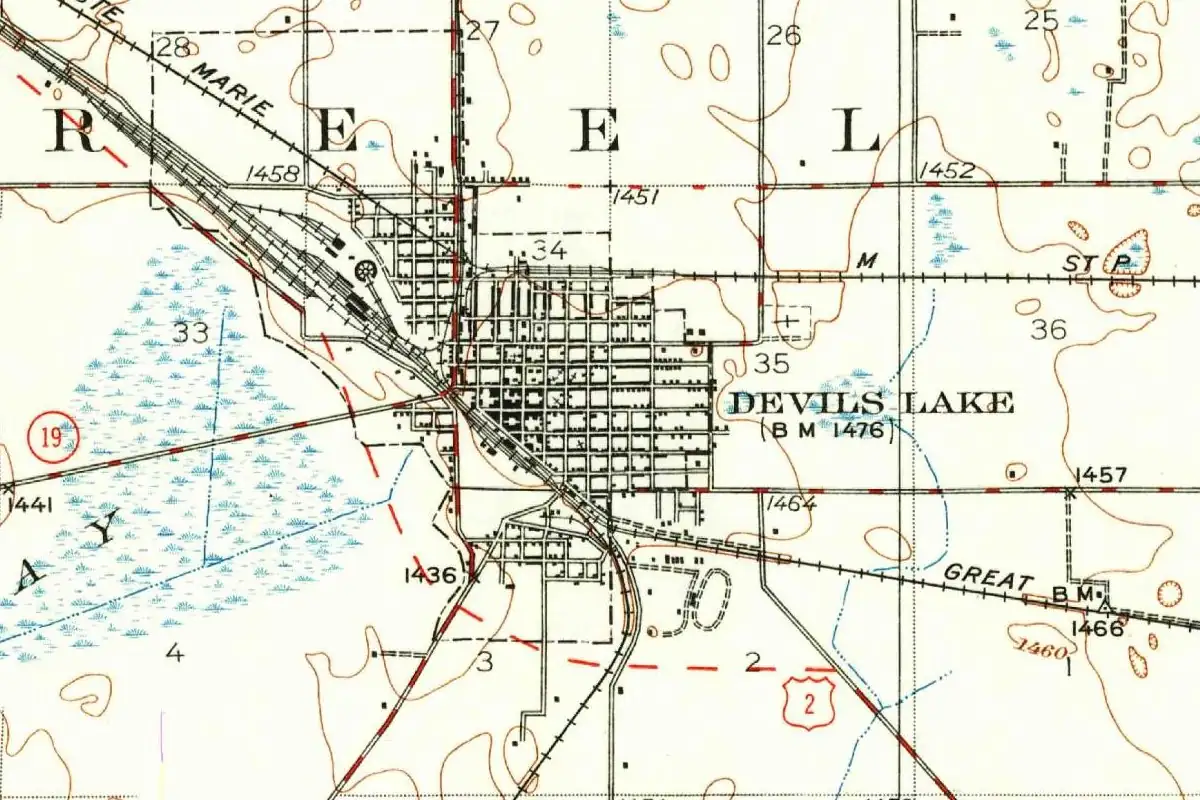 Ramsey County, ND
The lake that gave Devils Lake, North Dakota, its name was Minnewaukan in Dakota, and the old translations of that word say "spirit water," not "devil."
DocumentedThe town was first named for postmaster Heber C. Creel. The federal record says Devils Lake, adopted in 1884, is a corruption of a Native name meaning "Lake Holy or Great One." Source: GNIS feature 1028672, Devils Lake (U.S. Geological Survey)
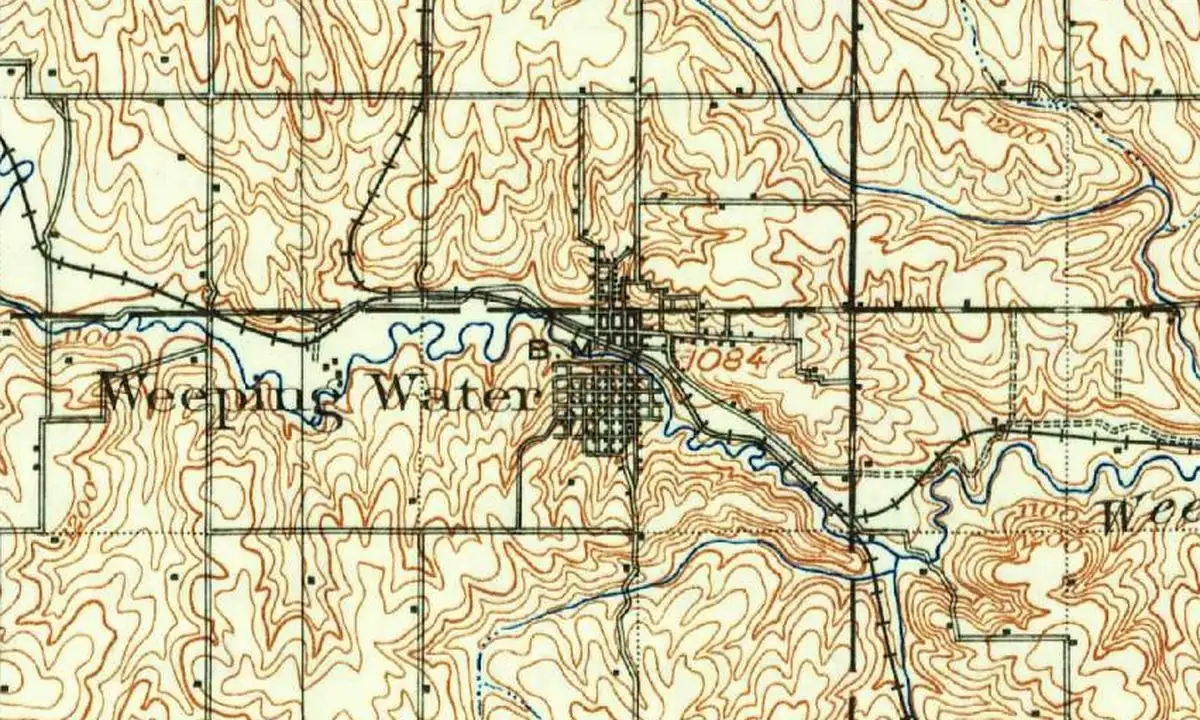 Cass County, NE
Weeping Water, Nebraska, is named for its creek, which French traders called L'Eau qui Pleure. A 1925 study says the weeping-women legend came later.
DocumentedA 1925 study says the creek's Omaha and Otoe name means "rustling water," for water running over low falls, and that white men confused it with a word meaning weeping water. Source: Lilian Linder Fitzpatrick, Nebraska Place-Names (University of Nebraska, 1925)
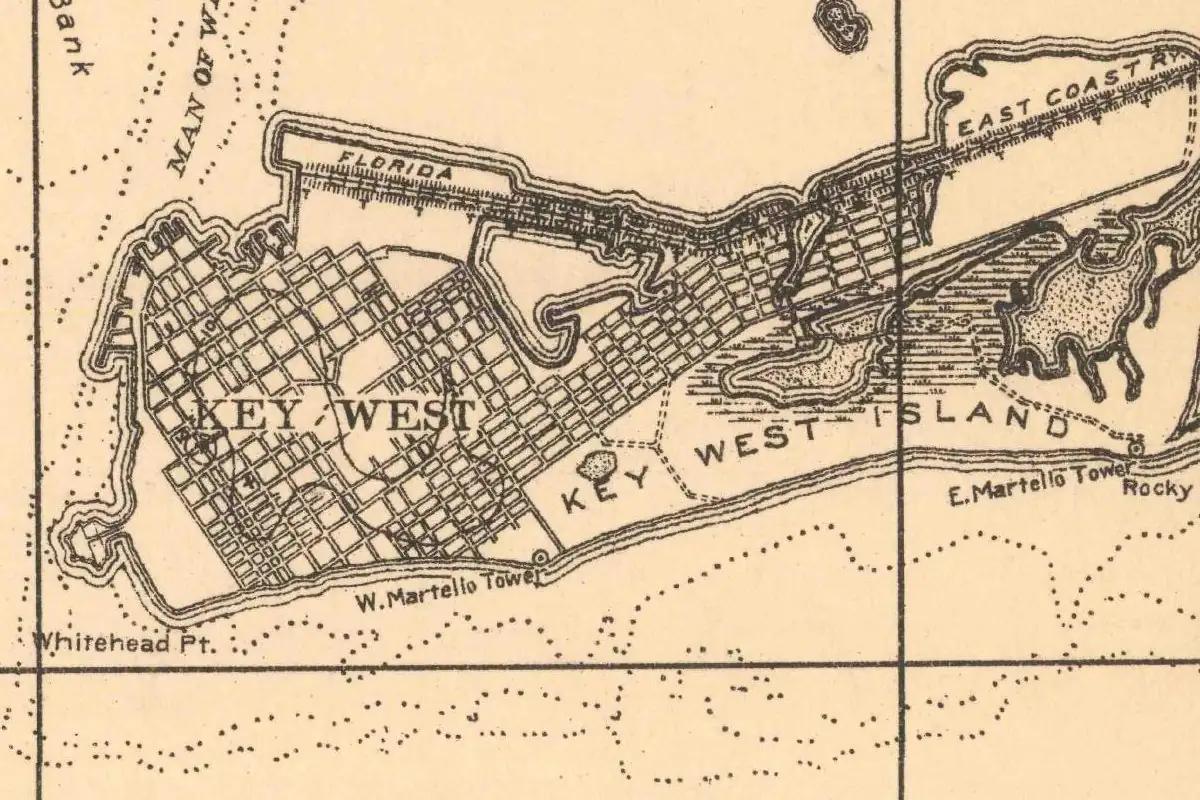 Monroe County, FL
Key West, Florida, may owe its name to a Spanish word for bones, or just to its spot at the west end of the keys. A 1912 history says no record settles it.
DisputedIts Spanish name, Cayo Hueso, means bone island. A tradition retold in a 1912 history blames an old battle that "strewed this island with bones," but no record proves it. Source: Jefferson B. Browne, Key West: The Old and the New (1912), chapter I, pp. 7-9
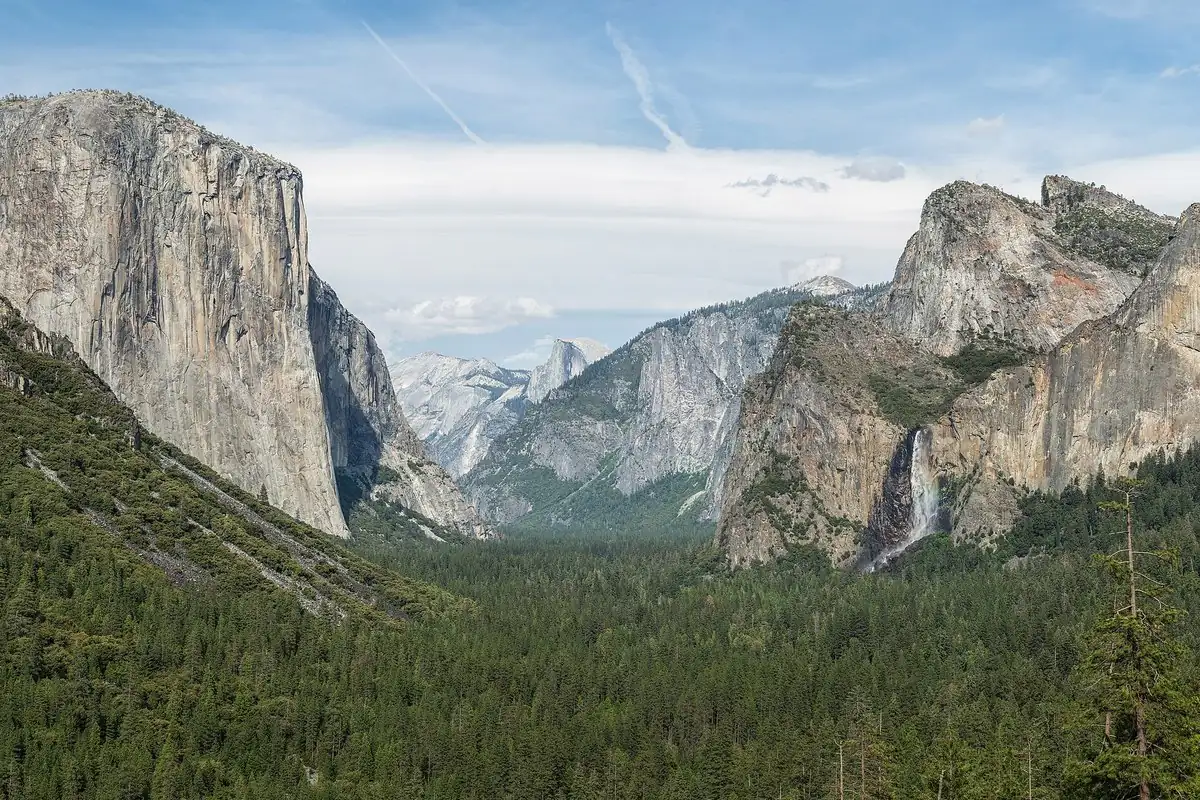 Valley, CA
Yosemite Valley was named by a campfire vote in 1851, and most of the men who voted didn't know what the word meant.
DisputedA 1919 glossary of Southern Sierra Miwok words traces Yosemite to yō'he, "to kill," and miūtī'ya, "people." Its word for grizzly bear is a different one, uhu'mati. Source: S. A. Barrett, Myths of the Southern Sierra Miwok (University of California Publications in American Archaeology and Ethnology, vol. 16, no. 1, 1919), glossary, pp. 26, 28
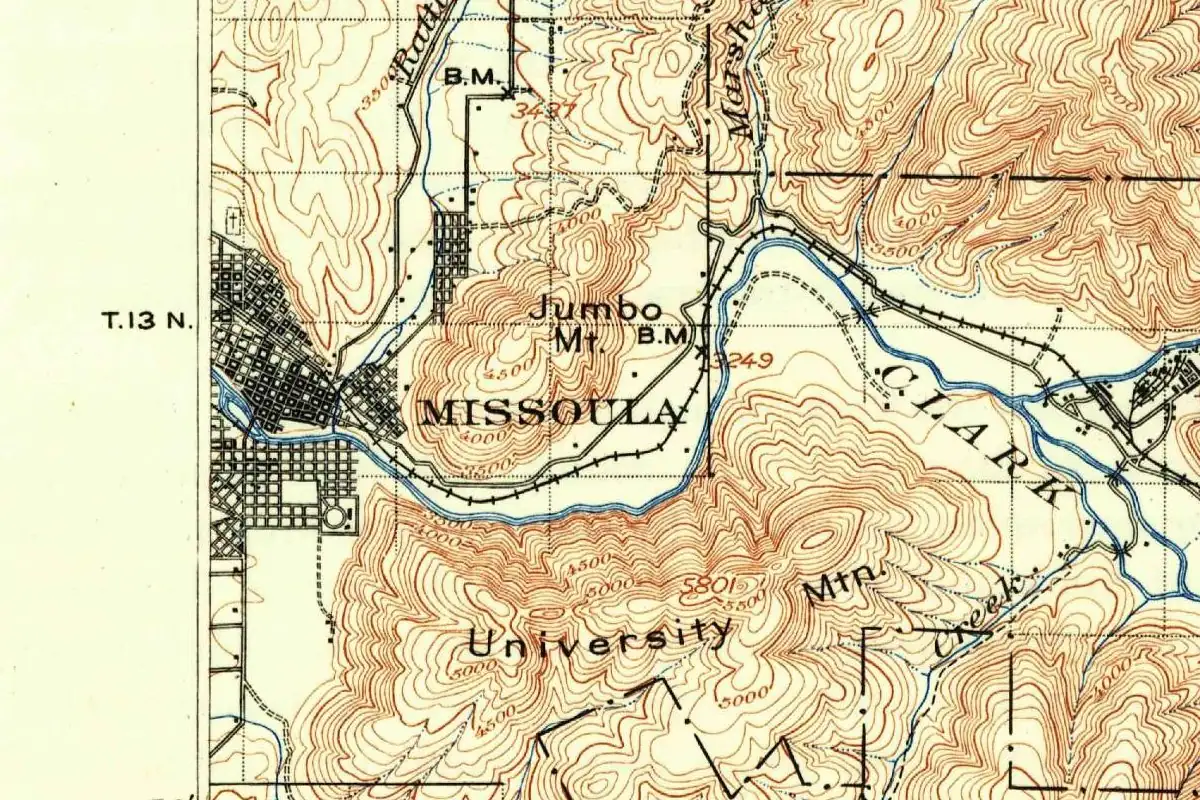 Missoula County, MT
For well over a century, writers have disagreed about what the Salish place name behind Missoula, Montana, actually means.
DocumentedCanadian voyageurs called the canyon above Missoula Port d'enfer, Gate of Hell, because Blackfeet war parties gathered there so often, an 1870s sketch says. The river took the name too. Source: Frank H. Woody, A Sketch of the Early History of Western Montana (1876-77), in Contributions to the Historical Society of Montana, vol. 2 (1896), p. 95
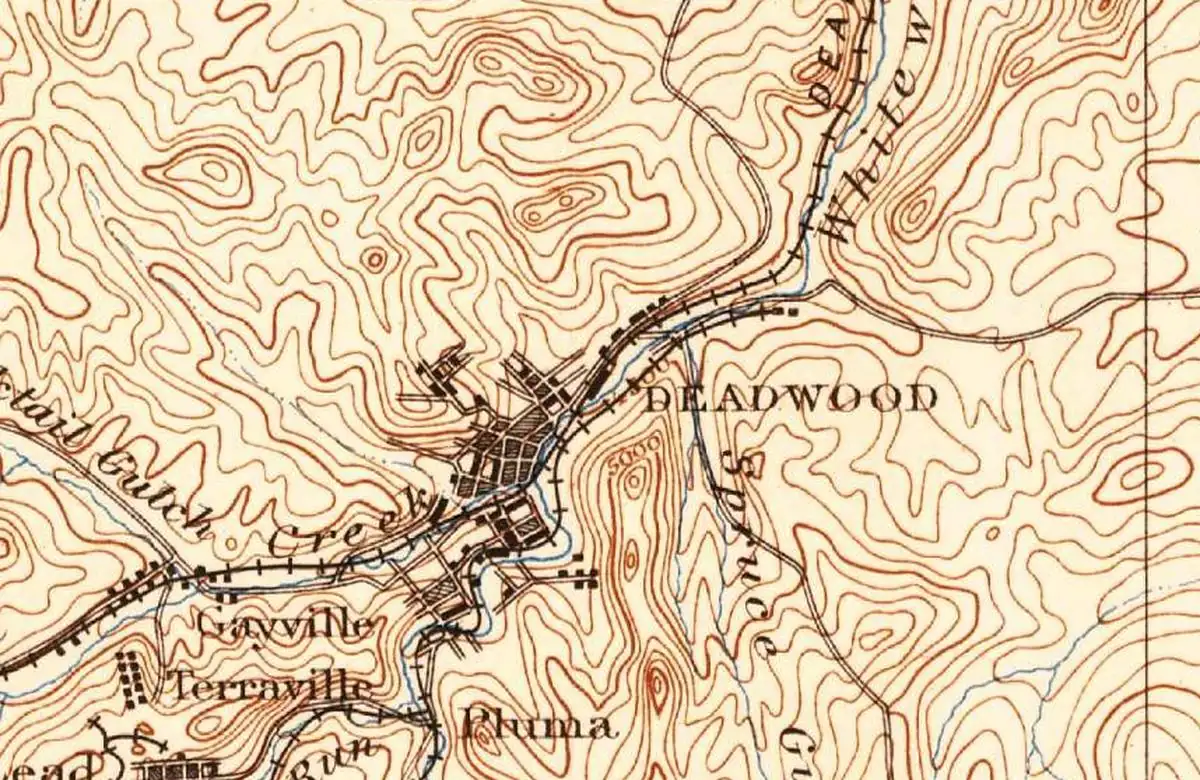 Lawrence County, SD
Deadwood, South Dakota, is named after the gulch it sits in, and the gulch got its name from the dead trees the first gold prospectors found there.
DocumentedThe name started with dead timber. The gulch was named "because of the many dead trees the first prospectors found" in it, a 1908 railroad book says, and the town took its name. Source: W. H. Stennett, A History of the Origin of the Place Names Connected with the Chicago & North Western and Chicago, St. Paul, Minneapolis & Omaha Railways (1908)
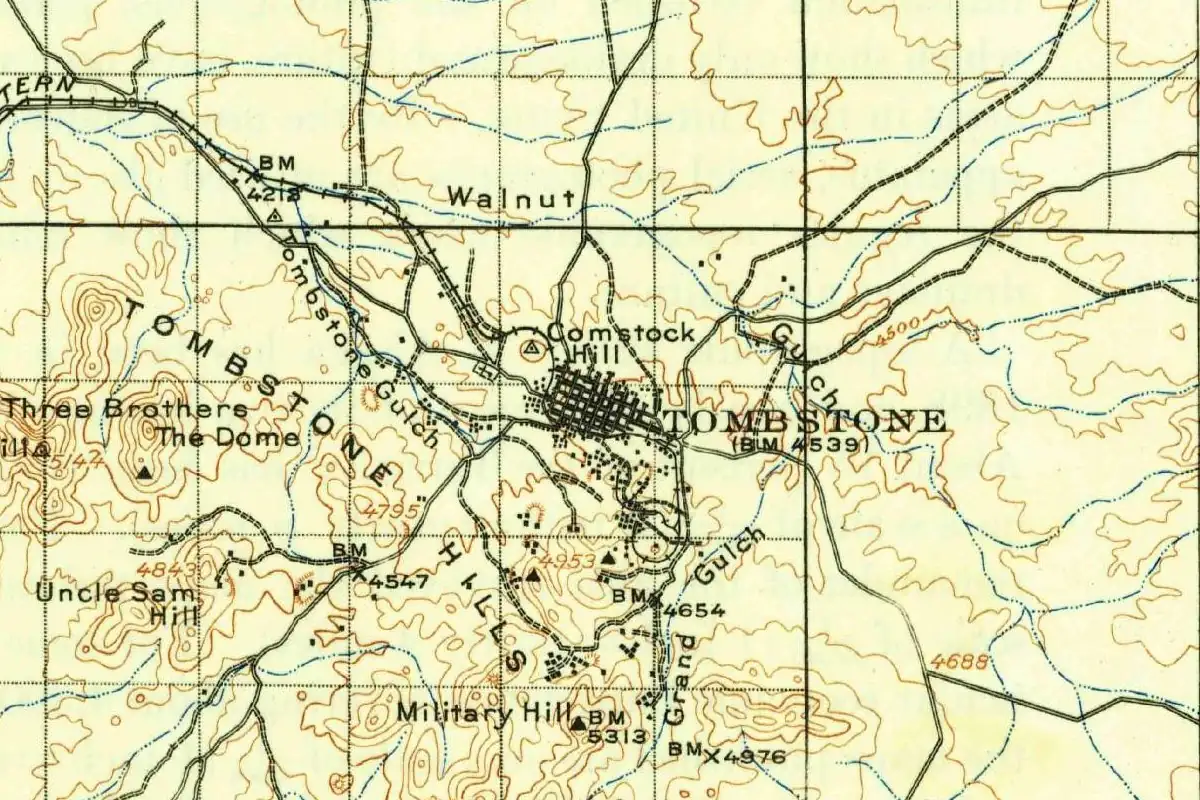 Cochise County, AZ
Ed Schieffelin was told the only stone he'd find in the hills of Tombstone, Arizona, would be his tombstone. He found silver and named his claim Tombstone.
DocumentedEd Schieffelin found silver, not his grave, and named his claim the Tombstone. In one story he told the man starting the town paper, "you should have no trouble in furnishing the Epitaph." Source: James H. McClintock, Arizona: Prehistoric, Aboriginal, Pioneer, Modern, vol. 2 (1916), pp. 410, 505-506
Sources for this page
- William Elsey Connelley and E. M. Coulter, History of Kentucky, ed. Charles Kerr, vol. 1 (1922), pp. 1-2 (accessed Nov 2, 2026)
- GNIS feature 1028672, Devils Lake (U.S. Geological Survey) (accessed Nov 2, 2026)
- Lilian Linder Fitzpatrick, Nebraska Place-Names (University of Nebraska, 1925) (accessed Nov 2, 2026)
- Jefferson B. Browne, Key West: The Old and the New (1912), chapter I, pp. 7-9 (accessed Nov 2, 2026)
- S. A. Barrett, Myths of the Southern Sierra Miwok (1919), glossary, pp. 26, 28 (accessed Nov 2, 2026)
- Henry Gannett, The Origin of Certain Place Names in the United States, 2nd ed. (USGS Bulletin 258, 1905), p. 333 (accessed Nov 2, 2026)
- Frank H. Woody, A Sketch of the Early History of Western Montana (1876-77), in Contributions to the Historical Society of Montana, vol. 2 (1896), p. 95 (accessed Nov 2, 2026)
- W. H. Stennett, A History of the Origin of the Place Names Connected with the Chicago & North Western and Chicago, St. Paul, Minneapolis & Omaha Railways (1908) (accessed Nov 2, 2026)
- James H. McClintock, Arizona: Prehistoric, Aboriginal, Pioneer, Modern, vol. 2 (1916), pp. 410, 505-506 (accessed Nov 2, 2026)